You can absolutely set up patio furniture on grass, and it does not require any permanent construction. The key is giving each furniture leg a firm, flat surface to rest on so it stops sinking, put a barrier between the metal or wood and damp ground so rust and rot stay away, and rotate or lift the set periodically so the lawn underneath can recover. These same tips can help you figure out how to raise patio furniture so the legs do not sink and the lawn stays healthier. A few stepping stones or boards, some rubber glides, and a ground cloth will solve 90% of the problems most people run into.
How to Set Up Patio Furniture on Grass Without Damage
Maren Grady
13 Jun 2026
Assess your grass and furniture needs first
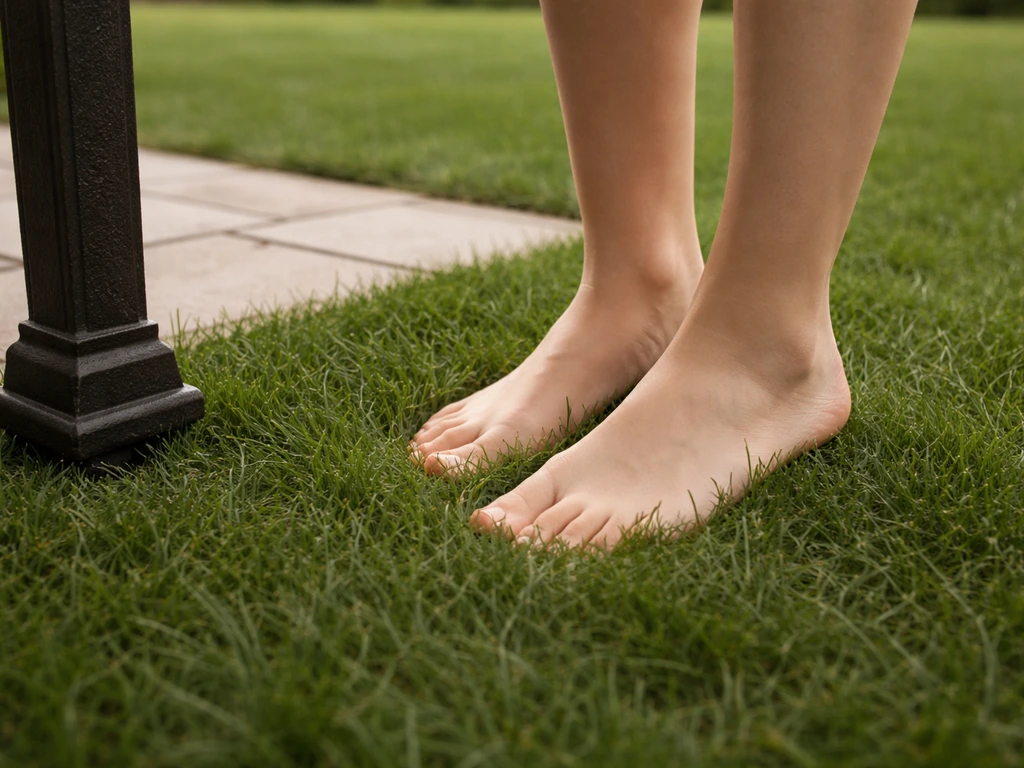
Before you drag anything outside, spend five minutes actually looking at the spot you have in mind. Walk on it. If your foot sinks more than half an inch, the ground is soft enough that chair legs will disappear into it by the end of summer. Check whether the area is level by eye or use a cheap bubble level on a long board laid across the space. Also look at how much sun and drainage that patch gets. A low, shady corner that stays wet after rain is the worst possible place for metal or wood furniture unless you plan to build a real base under it.
Then look at the furniture itself. Heavy cast iron and thick steel dining sets are the hardest to stabilize on soft ground because their weight concentrates on small leg tips. Lightweight aluminum and resin wicker sets are much more forgiving because the load spreads easier. Knowing both factors, the soil softness and the furniture weight, tells you how much effort the setup actually needs before you overbuild or underbuild it.
- Soft, wet, or shady grass: plan on pavers or a built base, not just glides
- Firm, well-drained grass in full sun: stepping stones or boards may be enough
- Heavy cast iron or steel furniture: use wider-footprint pads, not just rubber tips
- Lightweight resin or aluminum sets: adjustable leveling glides often do the job alone
- Sloped ground with more than a 2-inch drop across the furniture footprint: level the base before placing anything
Quick fixes for stability and leveling on uneven ground
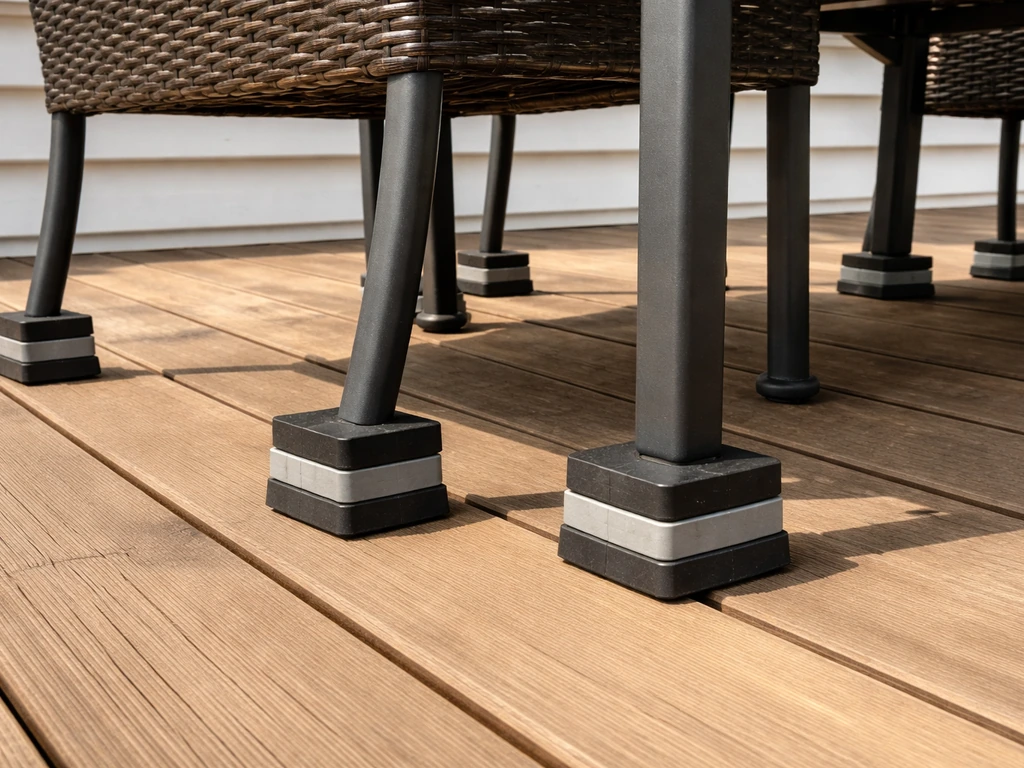
If the ground is only slightly uneven, adjustable leveling glides (sometimes called leveling feet) are the fastest fix you can make. These screw onto or into the bottom of each furniture leg and have a rubber foot that you twist up or down to compensate for ground variation. A simple way to raise the overall height is to swap in longer leveling feet or glides so each leg sits higher on your base.
Good ones offer about 20 mm of fine adjustment for minor dips, and heavy-duty versions give you 40 mm or more for seriously uneven terrain. You can pick up a four-pack for under ten dollars at most hardware stores. For hollow tube legs, look for glides that insert into the tube rather than clamp on the outside since they grip far better.
For chairs and tables that already have fixed leg tips and are rocking, the honest answer is that you need to address the ground, not just the furniture. A rubber furniture pad or a half-inch cedar shim wedged under the short leg is a temporary fix that works fine for a season. But if the whole ground is uneven rather than just one low spot, it is worth spending an afternoon on the base options below.
One mistake I made early on: I tried using those thin rubber furniture cups you use indoors on hardwood floors. They compress under the weight of a cast iron chair, become embedded in soft ground within a week, and basically do nothing. Outdoor leveling glides with wide rubber or plastic feet are a completely different product and worth the small extra cost.
Protect the lawn and the furniture from moisture contact
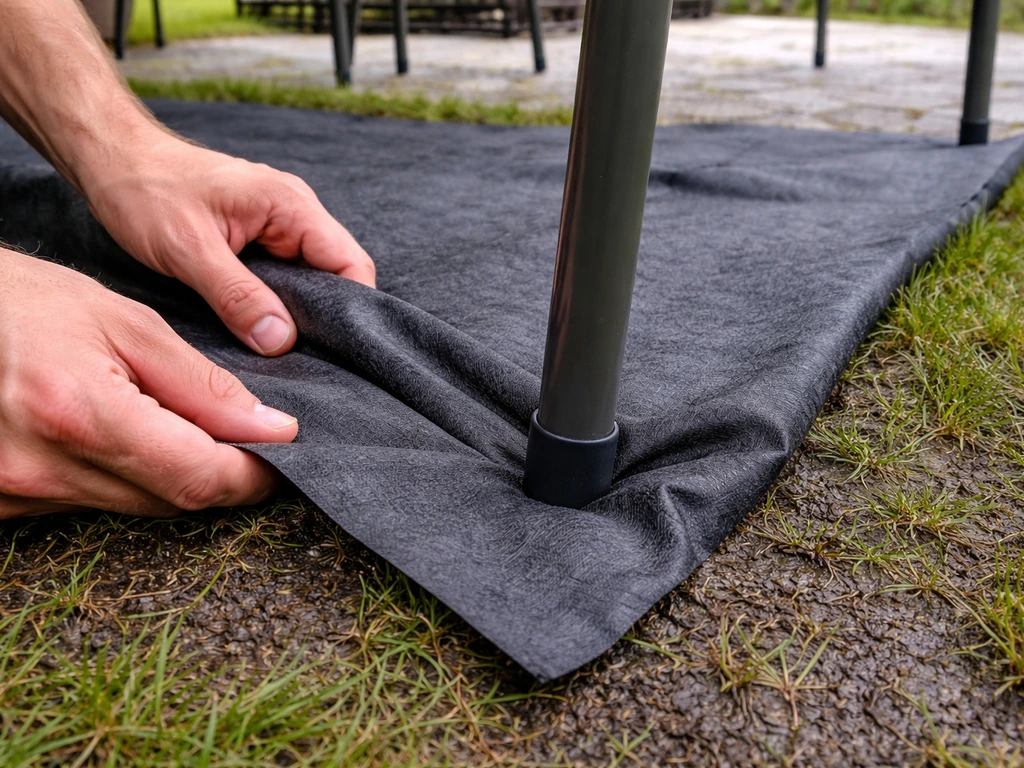
Direct contact between metal furniture legs and wet grass is the fastest route to rust. Wood legs are not much better because persistent moisture causes rot at the base of the leg before you can see it. The grass suffers too: solid, unventilated objects left on lawn for more than a few days block light and air, which kills the grass underneath and leaves bare patches that take weeks to recover.
A non-woven geotextile landscape fabric laid under the entire furniture footprint handles both problems at once. Install-It-Direct also explains that geotextile under pavers helps prevent layers from mixing and supports proper base performance by filtering and separating materials geotextile landscape fabric. It lets water drain through rather than pooling under the furniture the way solid plastic sheeting does. Important note: do not use plastic sheeting here. It traps water underneath and actually softens the ground over time, which makes the sinking problem worse. Geotextile fabric is only a few dollars for a small piece, breathes properly, and keeps legs from direct grass-and-soil contact.
For the furniture itself, rubber or plastic leg caps keep the tip of each leg off wet ground. Combined with the fabric below, you have two layers of moisture separation that genuinely extend the life of the frame. If you have cushions, the rule is simple: bring them inside or into a waterproof storage box when rain is coming. Leaving cushions on furniture that sits on damp grass is exactly how you end up with black mildew spots by August.
Create a simple base for a sturdier setup
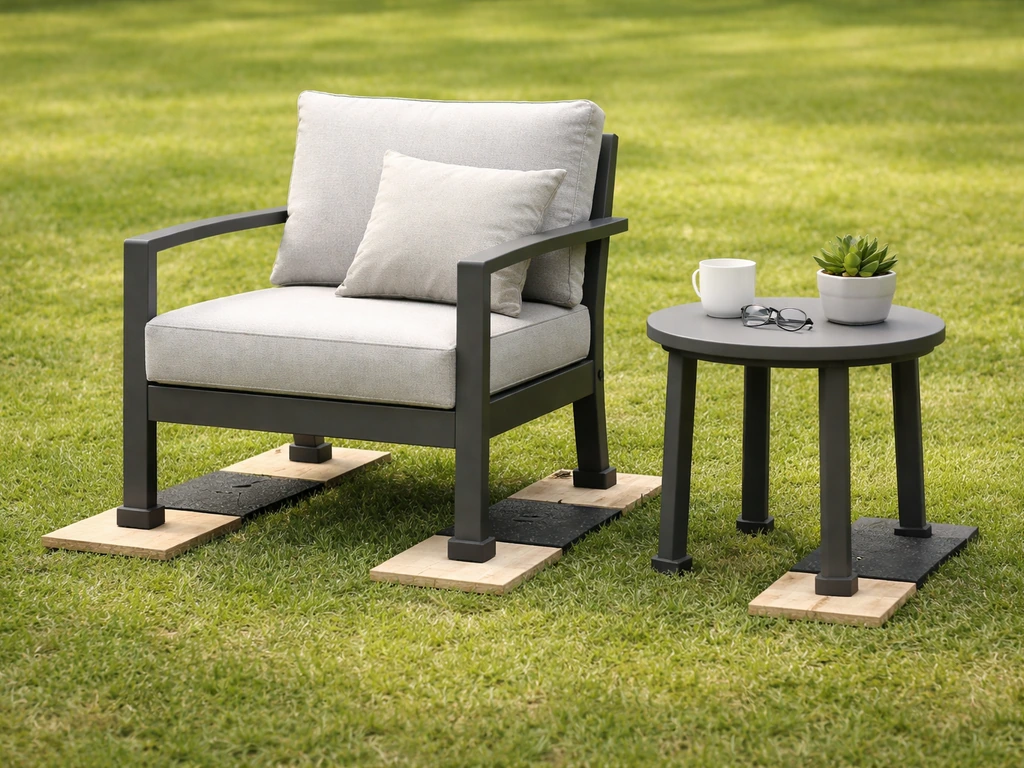
If you want something more solid than fabric and glides, building a simple non-permanent base is easier than it sounds. The goal is to distribute the furniture's weight across a larger, harder surface so individual legs stop sinking. You have a few practical options depending on how much effort and money you want to spend.
Boards and deck tiles (beginner-friendly)
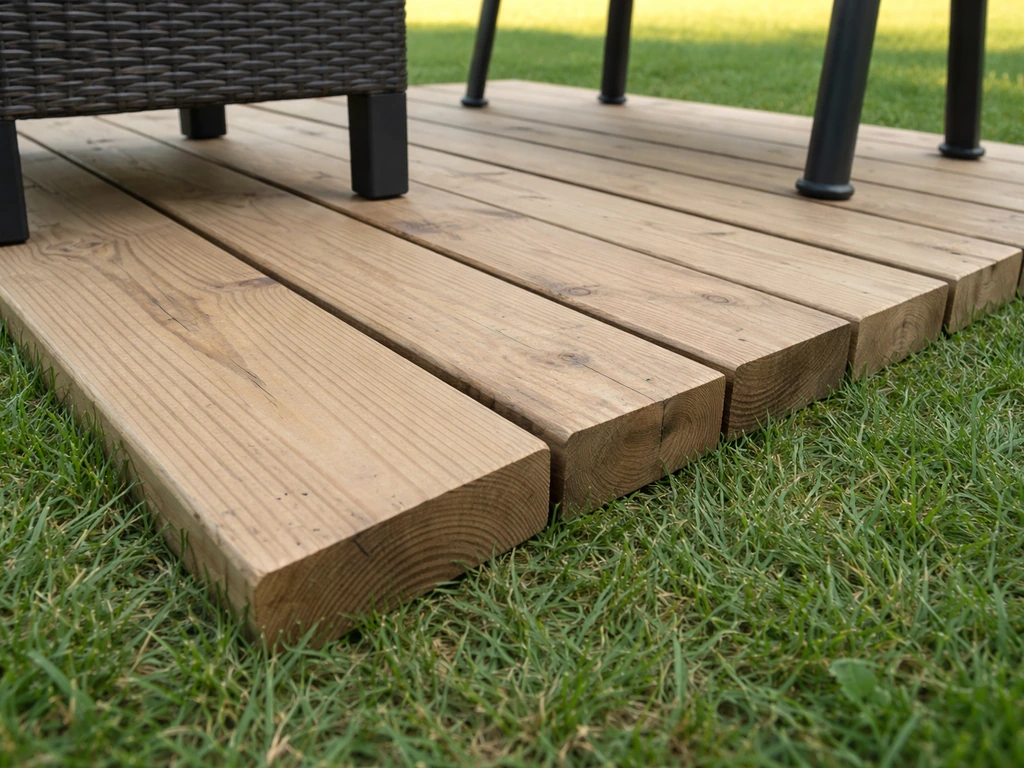
A few pressure-treated 2x6 boards laid flat on the grass create an instant platform that furniture legs can rest on without sinking. Pressure-treated lumber handles ground contact and moisture far better than untreated wood. Lay the boards parallel, leaving about a half-inch gap between them for drainage. You can also use interlocking composite deck tiles, which click together and sit directly on grass. These are sold in 12-inch or 24-inch square sections at most home improvement stores, cost roughly $2 to $5 per tile, and require zero tools to install. They also let air and some water pass through, which is better for the grass beneath.
Stepping stones and pavers (mid-level, more durable)
Placing individual stepping stones or concrete pavers under each furniture leg is the most common upgrade and it works very well. Step stones typically run 1.5 to 2 inches thick and are load-rated for exactly this kind of static weight. You set one stone under each leg, press it firmly into the ground so it sits flat, and you are done. For a dining table with four chairs, you are looking at about 20 stones, which might cost $30 to $60 total at a home improvement store.
If you want to do this properly and create a small semi-permanent paver area, the full process involves removing the top layer of grass and soil to a depth of about 4 inches, spreading and compacting a gravel base layer, then adding about 1 inch of sand bedding before setting the pavers. For a casual grass setup with light-use furniture, though, simply pressing individual stones firmly into firm ground and checking that they are level is genuinely sufficient. Save the full compacted-base build for a permanent patio project.
Quick comparison of base options
| Method | Cost (approx.) | Difficulty | Best for | Lawn impact |
|---|---|---|---|---|
| Rubber/plastic leg glides | $5–$15 | Very easy | Slightly uneven firm ground | Minimal |
| Deck tiles (interlocking) | $30–$80 | Easy | Full furniture footprint, easy removal | Low (breathable) |
| Pressure-treated boards | $15–$40 | Easy | Budget setup, any furniture weight | Low if gapped |
| Individual stepping stones | $30–$60 | Easy–moderate | Spot-treating each leg | Minimal |
| Full compacted paver base | $100–$300+ | Moderate–hard | Permanent or heavy-use area | Area removed |
Secure and space the furniture for safe, comfortable use
Once everything is on a solid base, spacing matters more than most people expect. If you are still figuring out where to put patio furniture, start by measuring clearance so chairs and tables move freely without tipping or snagging on the base spacing matters. Chairs need at least 3 feet of clearance behind them so someone can push back from a table without the chair legs dropping off the edge of your platform and sinking into soft grass. On a deck tile or board platform, keep the whole set at least 6 inches inside the edge of the platform rather than right at the border.
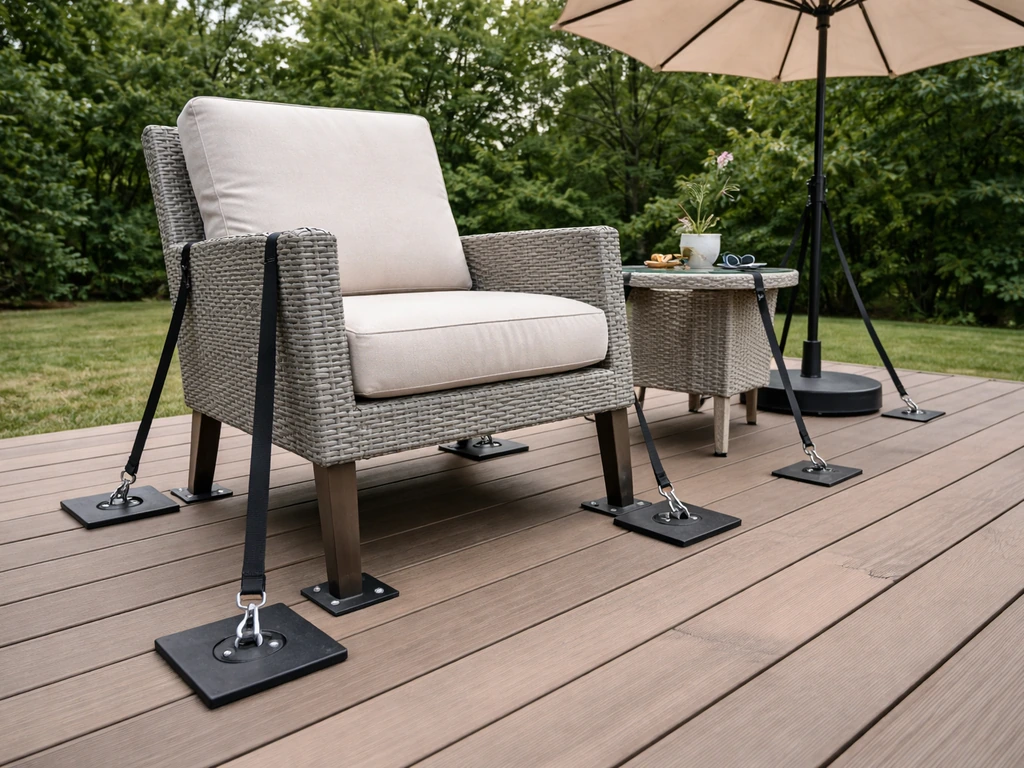
For windy sites, lightweight furniture on grass is a real problem. Aluminum and resin sets can tip over in a strong gust, especially when chairs are pushed out from the table. Furniture anchor straps that peg into the ground work well for this, and the pegs stay hidden in the grass. You can also use weighted umbrella bases or sandbag weights attached to chair legs for a low-profile solution. If you are regularly dealing with wind, it is worth looking at whether raising the furniture slightly with a platform actually improves stability by giving the base broader contact with the ground.
Plan the layout before you commit to a base because rearranging later is a real pain. A four-person dining set needs roughly a 10-foot by 10-foot clear footprint to feel comfortable. A two-seat bistro set can work in as little as a 6-foot by 6-foot area. Think about where the sun hits at the time of day you actually use the space, not just where looks good from inside the house.
Maintenance and seasonal tips
The biggest maintenance task most people skip is moving the furniture every two to three weeks during the growing season. Even with geotextile fabric or breathable tiles, grass under stationary furniture still gets stressed. A quick shift of 12 to 18 inches gives the lawn a chance to recover. If you set up on boards or deck tiles, lift the whole platform once a month, rake the grass underneath, and let it breathe for a day or two before setting it back down.
For frames, a wipe-down with a damp cloth and mild dish soap every few weeks prevents grime from building into something that traps moisture against the metal. Rinse and dry immediately after cleaning because sitting water on metal frames is how rust gets started.
Home Depot’s care and maintenance guidance notes that steel outdoor furniture can rust and emphasizes frequent cleaning as a key care requirement for aluminum and steel patio furniture [Rinse and dry immediately after cleaning because sitting water on metal frames is how rust gets started. ](https://images. thdstatic. com/catalog/pdfImages/d1/d1819cc6-ee92-46ba-aaa1-4ef834c07197.
pdf). Steel furniture needs more attention than aluminum, but both benefit from the same routine. A light coat of car wax applied to metal frames once a season adds a barrier that genuinely slows weathering.
Cushion care is its own project. Brush off loose dirt before it can work into the fabric fibers. For mildew spots, a product like Sunbrella Renew (spray on, wait about 15 minutes, rinse off, let dry completely) works well on most outdoor fabrics. If you use a pressure washer, keep it at 1,000 to 1,500 PSI maximum and hold it at least 12 inches from the fabric so you are not blasting water deep into the fill material. Always let cushions dry completely, inside or in the sun, before storing or replacing covers.
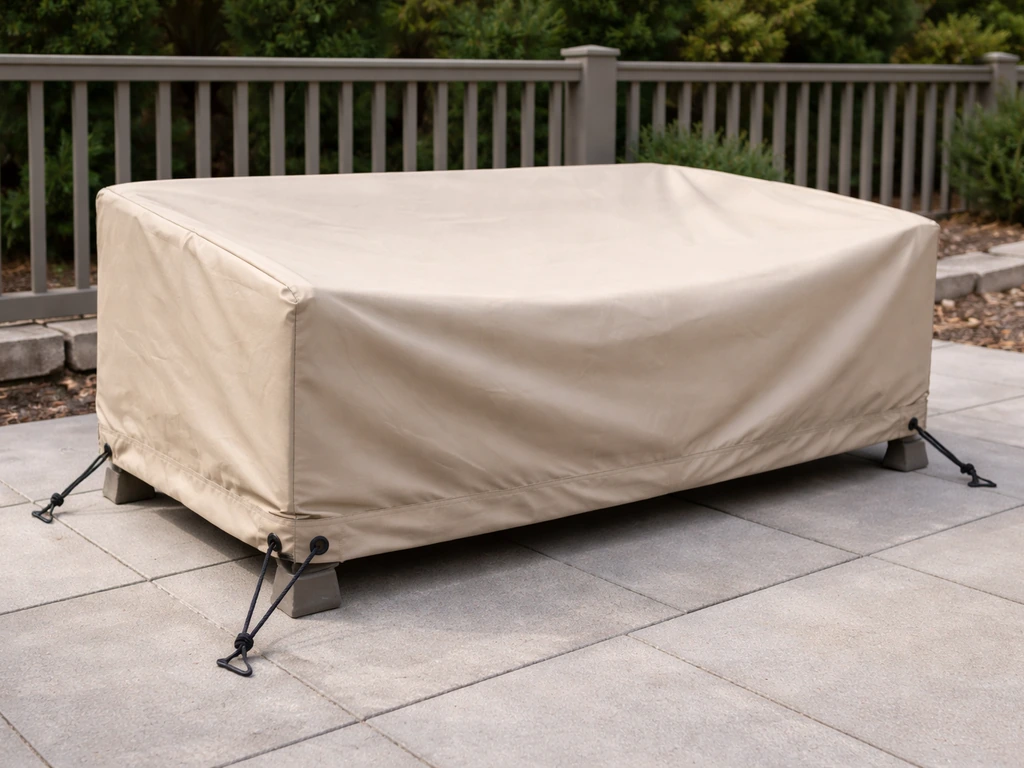
When the season ends, clean everything before putting it away. Storing dirty, damp furniture under a cover traps the moisture and mildew you were trying to prevent. Once everything is clean and bone dry, use a breathable cover rather than solid plastic. Breathable covers allow air circulation so any residual moisture does not become a mold factory over winter. If you are selling patio furniture, good preparation and presentation matter almost as much as how well the pieces are maintained how to sell patio furniture. Make sure no water is pooling on top of the cover during storage, and if you live somewhere with heavy snow, bring lightweight pieces inside entirely.
Troubleshooting: wobble, sinking, rust, mildew, and uneven wear
Chair or table is rocking
Rocking almost always means one leg is shorter than the others or the ground under one leg is lower. Before assuming it is a furniture defect, check the ground first. Place a long level board across the four leg positions and see where the gap is. If the ground is the problem, adjust the leveling glide under the low-side legs, or press a slightly thicker pad under that corner. If the ground is fine but the furniture still rocks, one leg is bent or the frame has twisted. A bent aluminum leg can sometimes be gently persuaded back into shape with a rubber mallet, but a twisted weld on steel usually needs professional repair or replacement.
Legs sinking into the ground
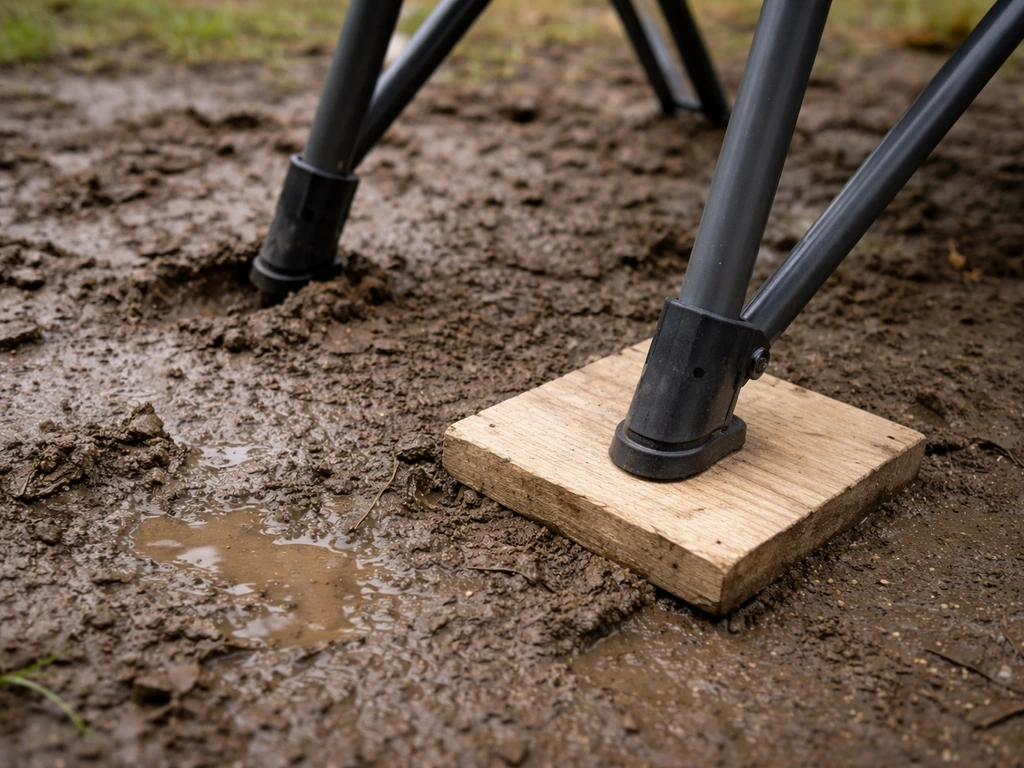
Sinking happens when the ground is soft and the leg-tip contact area is too small for the weight above it. The fix is always to increase the surface area the weight spreads across. If you need your patio furniture higher, increasing the surface area under each leg is what prevents sinking and helps the set sit at the right height. Swap out small rubber tips for wide rubber pads (at least 2 to 3 inches in diameter), or place a stone or tile under each leg. If the entire area is soft and wet, no amount of leg pads will fully solve it until you either build a proper compacted base or wait for drier conditions.
Rust spots on metal frames
Surface rust on steel frames is normal and completely recoverable if you catch it early. Sand the spot with 120-grit sandpaper until you reach bare metal, wipe with a damp cloth, dry it completely, and apply a rust-inhibiting primer followed by outdoor metal spray paint in a matching color. The step most people skip is drying it completely before painting. Paint over damp or flash-rusted metal just traps the moisture underneath and the rust comes back within a season. Aluminum does not rust the same way steel does, but it can develop a chalky oxidation layer that responds well to aluminum-specific polish.
Mildew on cushions or fabric
Black or green mildew spots on cushions are almost always caused by cushions being stored or left out while damp, often made worse by direct contact with a damp lawn or dew that collects on fabric sitting close to grass. Treat the spots with a mildew remover rated for outdoor fabrics, rinse thoroughly, and dry the cushions fully before using them again. Going forward, store cushions in a waterproof bin when they are not in use, especially overnight. If the mildew has gone deep into the fill material and the smell persists after cleaning, the cushion insert may need to be replaced.
Uneven lawn wear and dead patches
If you pull the furniture back and find a dead patch or matted, yellow grass, it usually means the furniture stayed in one spot too long or the base material was not breathable enough. Rake the area to lift compressed grass blades, aerate the soil if it is compacted (a garden fork pushed in several times does this perfectly well), and overseed any genuinely bare patches. Move the furniture to a new spot for a few weeks while the area recovers. This is also a good reminder to switch to breathable deck tiles or gapped boards rather than solid materials for your base.
FAQ
Can I set up patio furniture on grass during winter or after snow?
Yes, but only if the legs still have a firm, flat landing. If the snow is not compacted and the grass underneath is springy, the furniture can rock and the tips can embed. Wait until the ground is mostly thawed and firm, or use individual pavers/tiles under each leg and check level again after a day or two.
What should I do if my grass stays wet after rain when I place patio furniture?
For most sets, avoid leaving furniture on grass when rain is frequent and the area drains poorly. If you must keep it out, add geotextile under the footprint and use wide leg pads or stepping stones, then lift the set after storms (or at least within a day) so water does not pool and soften the ground.
Why do small rubber tips still let my patio set sink on grass?
Use wider, heavier contact options instead of thin cups. For example, choose rubber pads about 2 to 3 inches across or place a paver under each leg. If you only use small glides on soft ground, the furniture may still sink because the total load is concentrated at the leg tip.
How can I tell whether rocking is a furniture problem or a ground problem?
If your furniture is rocking, re-level based on the ground, not on the chair or table. Start by placing a long board or level across all four leg points, identify the low corner, then adjust the leveling glide or add a slightly thicker pad only under the short-side leg.
When leveling feet are not enough, what is the next best fix?
Not always. An adjustable glide can correct unevenness up to its travel, but it cannot fix a spot that is too soft and keeps compressing. If your foot sinks when you press the ground with your hand or shoe, you need a broader base (stepping stones, deck tiles, or a paver pad approach), or you should wait for drier soil.
Can I combine landscape fabric with deck tiles or boards on grass?
Yes, but keep them breathable and maintenance-friendly. Geotextile fabric underneath is better than a solid sheet, and if you use deck tiles or boards, keep drainage gaps (like the half-inch spacing concept) so water does not sit under the footprint and continue softening the ground.
Does raising furniture on boards or tiles change how much clearance I need around the set?
Measure and plan for it before setup. A raised platform often changes how chairs sit relative to the table, so re-check clearance behind chairs and maintain space from platform edges. The goal is that chairs can be pushed back without the chair legs reaching the edge and dropping onto untreated grass.
How do I prevent mildew when I cannot bring all cushions inside?
For cushions, prioritize airflow and complete drying. Bring them inside or into a waterproof storage bin before storms and especially overnight. Even with breathable bases, mildew commonly appears when fabric stays damp from dew or moisture rising near the grass surface.
How often do I need to move patio furniture on grass to keep the lawn alive?
If you do not lift or move the set regularly, the grass will compact and die back, even with geotextile. A practical rule is to shift the furniture 12 to 18 inches every 2 to 3 weeks during the growing season, and lift boards or tiles about monthly if you used a larger platform.
Is it okay to use plastic sheeting under patio furniture to protect the grass?
With solid plastic sheeting, water has nowhere to go and the ground stays softer over time. If you are trying to suppress grass, use geotextile under the footprint instead, and for long-term projects consider a properly built base with gravel and sand bedding rather than covering the lawn with plastic.
What maintenance should I do after the season to prevent rust and buildup?
Cleanup is mostly about removing moisture-trapping grime. Wipe frames with mild soap, rinse and dry immediately, and if you see early rust on steel, sand to bare metal, dry completely, then prime and paint. The drying step is critical, because trapped moisture causes rust to reappear quickly.
What is the best way to repair a dead patch after moving the furniture off grass?
If the dead patch is shallow, rake, aerate (a garden fork works), and overseed. If the grass is matted deep or the area keeps staying bare, you may need to remove compressed thatch and add fresh topsoil before reseeding, then keep the furniture off the spot for a few weeks so recovery can start.