Yes, you can leave most patio furniture outside in the winter, but whether it survives in good shape depends almost entirely on what it's made of and how brutal your winters get. blank" rel="noopener noreferrer">Aluminum and synthetic wicker frames are genuinely fine outdoors year-round. Wrought iron can handle it too, but needs rust prevention. Untreated steel, wood with exposed grain, and anything with cushions still attached is asking for trouble. The good news: a little prep in the fall, the right cover, and some smart habits will protect most sets through even a rough winter without moving a single piece inside. If you want the best results, follow our step-by-step guidance on how to cover patio furniture for winter.
Can You Leave Patio Furniture Outside in Winter?
Maren Grady
22 May 2026
What your furniture is made of changes everything
This is the first question to answer before you do anything else. The same winter that's perfectly fine for an aluminum set can destroy an untreated steel one. Here's a quick breakdown of the most common materials and their real-world winter tolerance.
| Material | Can it stay outside? | Biggest risk | What it needs |
|---|---|---|---|
| Aluminum (powder-coated) | Yes, year-round | Surface scratches that expose bare metal | Cover during off-season, check coating annually |
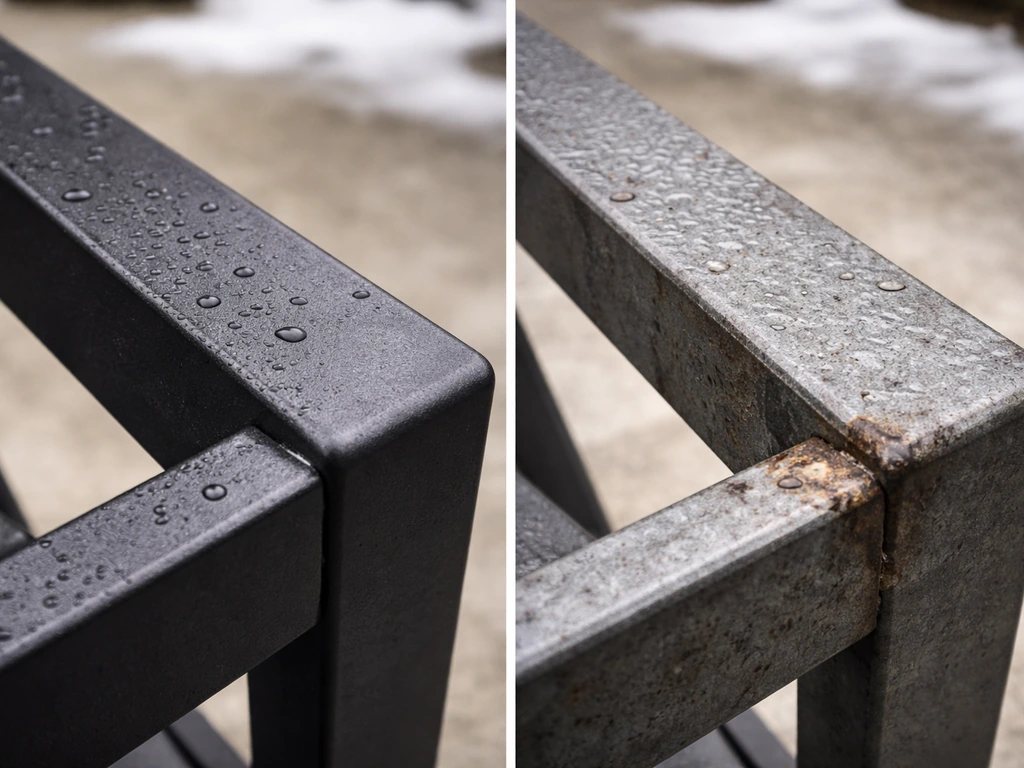
| Wrought iron | Yes, with prep | Rust at chips, scratches, or bare spots | Rust treatment, quality cover, off-ground storage |
| Steel (untreated or thin gauge) | Risky | Deep rust, especially with freeze-thaw moisture | Bring inside or apply rust-inhibiting primer first |
| Synthetic wicker (resin) | Yes, year-round | Cushion mold if left attached | Store cushions separately, cover the frame |
| Teak | Yes, can go uncovered | Mold under covers if not fully dry | Leave uncovered or ensure bone-dry before covering |
| Other hardwoods / painted wood | Cautiously | Cracking from freeze-thaw, peeling paint | Cover, elevate, or bring inside in harsh climates |
| Cushions (all types) | No | Mildew, fabric breakdown, mold | Always store inside or in a sealed deck box |
Aluminum patio furniture
Aluminum is the easiest material to own in winter. It doesn't rust, it doesn't rot, and it handles cold temperatures without cracking. blank" rel="noopener noreferrer">Powder-coated aluminum is designed to be weather-resistant, and most manufacturers say it's fine for full outdoor exposure all year. That said, using a cover during the off-season is still worth it, mostly to protect the finish from UV and debris rather than moisture damage. If your powder coating has any chips or scratches going into winter, touch those up first so bare aluminum isn't sitting exposed for months.
Metal patio furniture: wrought iron and steel
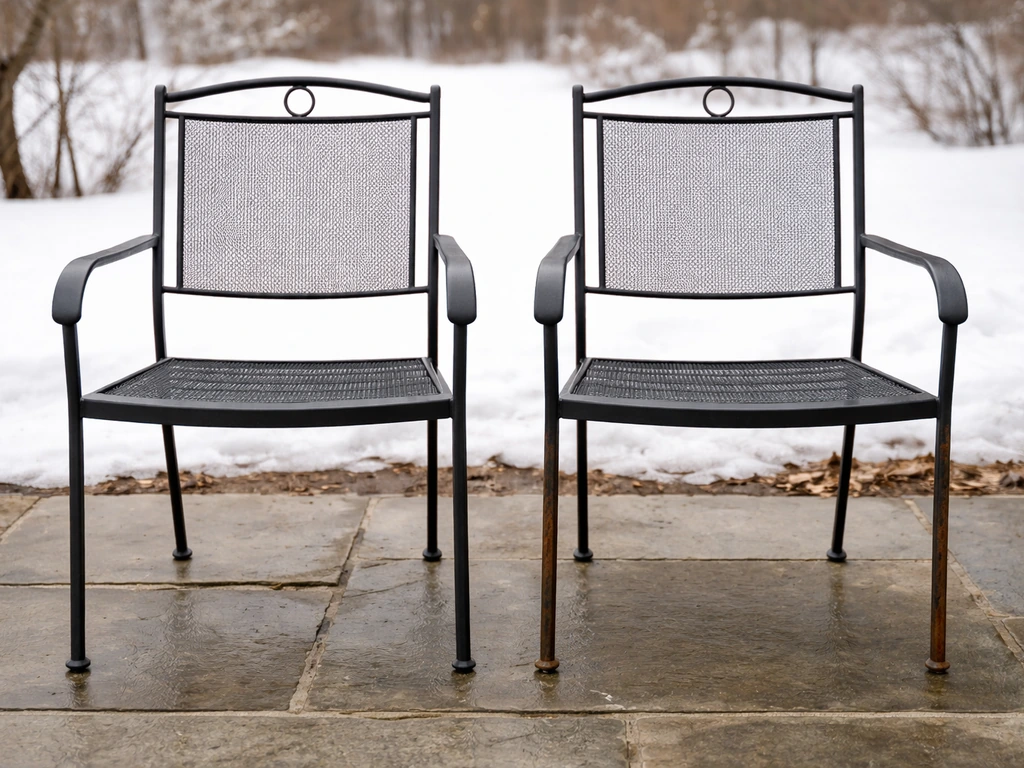
Wrought iron is denser and more durable than most people expect. It can absolutely stay outside through winter, but it will eventually rust if you leave it unattended, especially at any spot where the finish is compromised. The freeze-thaw cycle is the real enemy here: moisture gets into a tiny scratch, freezes, expands, and opens that crack wider. By spring, what was a small chip is a rust patch. Treat any bare spots with a rust-inhibiting primer before the cold arrives, cover the furniture, and you're in good shape. Untreated steel is a different story. It's far more vulnerable and honestly should either be brought inside or given serious rust protection before winter.
Teak and other wood furniture
Teak is unusual because some manufacturers actually tell you not to cover it at all. The natural oils in teak make it highly resistant to rot and weather, but a cover can trap moisture against the wood and cause mold, especially if the piece wasn't completely dry when you covered it. If you want to leave teak out uncovered, that's a legitimate option.
If you do cover it, make sure it's spotlessly clean and bone dry first, and use a breathable cover. For other hardwoods and painted wood furniture, the freeze-thaw cycle is a real threat: water gets into the grain, freezes, and causes cracks. In milder climates these pieces can stay out with good cover protection. In harsh climates with repeated hard freezes, bring them inside.
Synthetic wicker
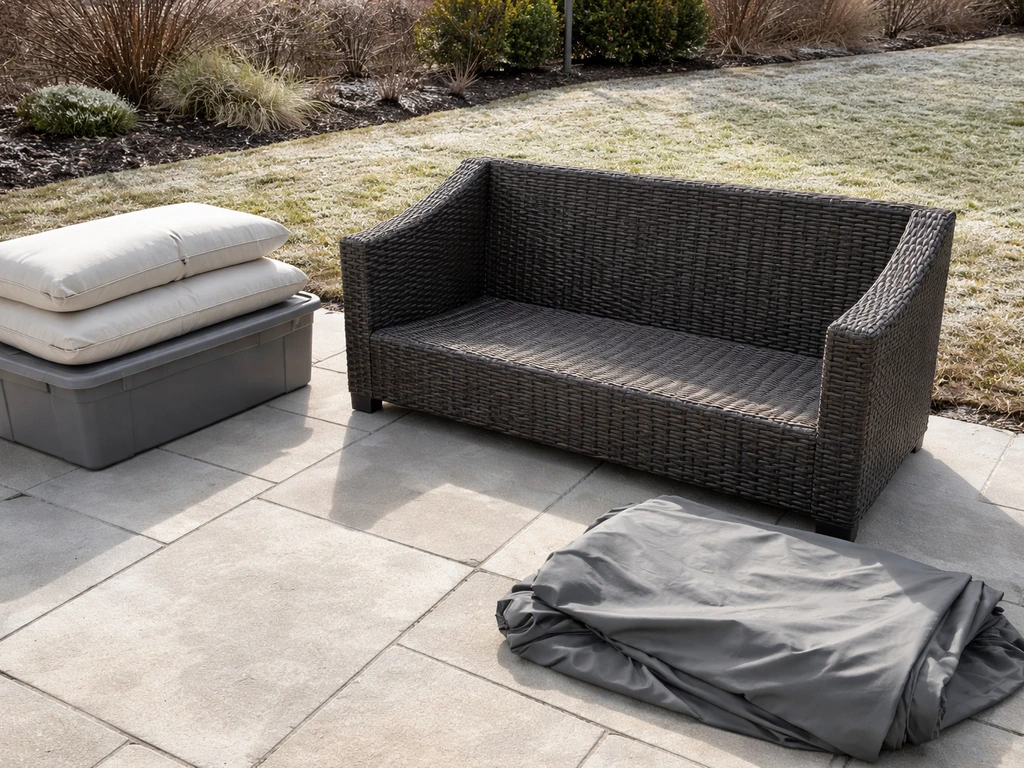
Resin or synthetic wicker frames are weatherproof and built for year-round outdoor use. The frame itself isn't your concern. The cushions are. Always pull the cushions off, clean them, dry them completely, and store them inside or in a weatherproof deck box. If you want a full plan for winterizing patio furniture, follow the material-focused steps in the guide above store them inside or in a weatherproof deck box. Leaving cushions on a covered wicker set through a wet winter almost guarantees mildew by spring.
The winter conditions that actually matter
Where you live matters as much as what you own. A wrought iron set in coastal North Carolina faces different threats than the same set in Minnesota. Here's what to think through.
- Freeze-thaw cycles: Repeated freezing and thawing is harder on furniture than consistent cold. Water expands when it freezes, which turns tiny surface cracks into bigger ones over a season. This is the main enemy for iron, steel, and wood.
- Snow and ice load: Heavy snow sitting on furniture puts stress on joints and frames, especially on lighter aluminum pieces or anything with a mesh or sling surface. Brush snow off after storms when you can.
- Moisture and humidity: Wet climates accelerate rust on iron and steel, encourage mold on wood and fabric, and can cause finish bubbling under covers that trap dampness.
- Coastal salt air: If you're within a few miles of the ocean, salt air significantly speeds up corrosion on any metal, even aluminum. Rinse furniture more frequently and prioritize rust prevention on iron pieces.
- Hollow tubing: If your furniture has hollow metal legs or frame sections, drain any trapped water before winter. Water inside a tube freezes, expands, and can split the metal from the inside out.
- Consistent deep cold without moisture: Dry, cold climates are actually the least damaging scenario for most patio furniture. The main risk is UV and wind, which covers handle well.
What to do right now before winter hits
This is the part most people skip, and it's where most of the damage actually starts. Covering dirty, damp furniture is one of the most common mistakes. Covers create a warm, dark, moist environment, and if there's any dirt or moisture underneath, you're basically creating a mold incubator. Here's what to do before you cover anything.
- Clean everything thoroughly. Use mild soap and warm water on frames, rinse well, and scrub any mildew spots on sling or mesh surfaces. For metal, wipe down with a clean cloth after rinsing.
- Let it dry completely. This isn't optional. Give furniture at least a full dry day in the sun before covering. If you cover damp furniture, you're setting yourself up for mold and rust.
- Check every joint, bolt, and screw. Wiggle joints to find anything loose. Tighten hardware now, because freeze-thaw cycles will make loose joints worse over winter.
- Inspect your finish. Look for chips, scratches, or bare spots on painted or powder-coated metal. Touch up any bare metal with rust-inhibiting primer before temperatures drop.
- Treat any existing rust spots. Sand down to bare metal, apply a rust converter or rust-inhibiting primer, and let it cure fully before covering.
- Drain hollow tubes and frames. Tip chairs upside down or on their sides to drain any water sitting in hollow legs. Some furniture has small drain plugs worth checking.
- Remove and store cushions. Brush off any debris, spot-clean stains, let them air-dry completely, then bring them inside or store in a weatherproof deck box.
How to protect furniture that's staying outside all winter
Choosing the right cover
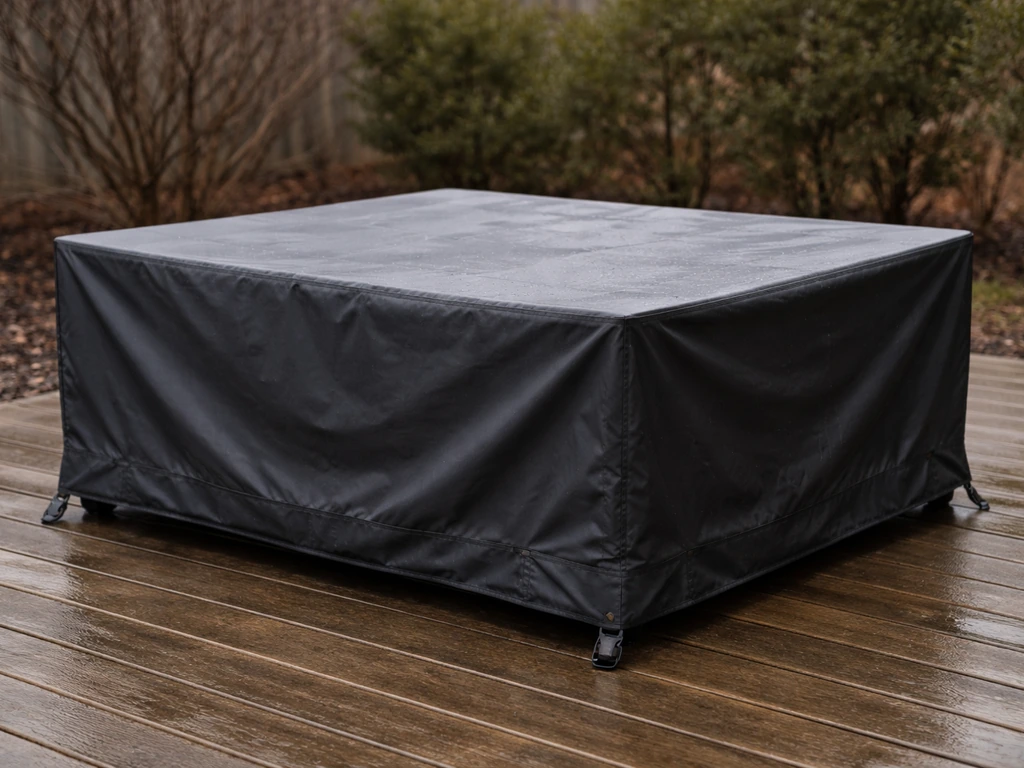
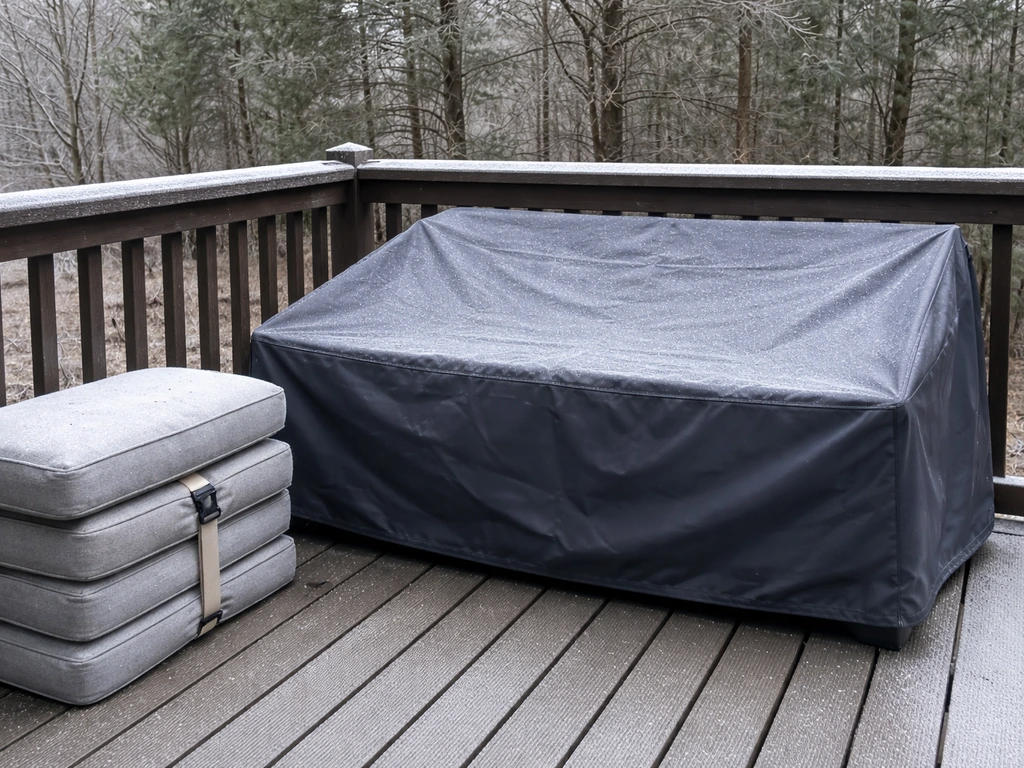
The cover you pick matters more than most people think. Fully waterproof vinyl covers keep rain out but trap moisture underneath, which causes exactly the problem you're trying to avoid. The better choice is a blank" rel="noopener noreferrer">waterproof but breathable cover, which sheds rain and snow while letting condensation and humidity escape. For example, if you are dealing with heavy snow, choose a cover that sheds snow but stays breathable so condensation does not get trapped underneath waterproof but breathable cover.
If you're learning how to tarp patio furniture for winter, choose a cover that keeps rain off without sealing in moisture. To get the best results, focus on choosing a waterproof but breathable option and making sure it fits snugly how to cover patio furniture for winter.
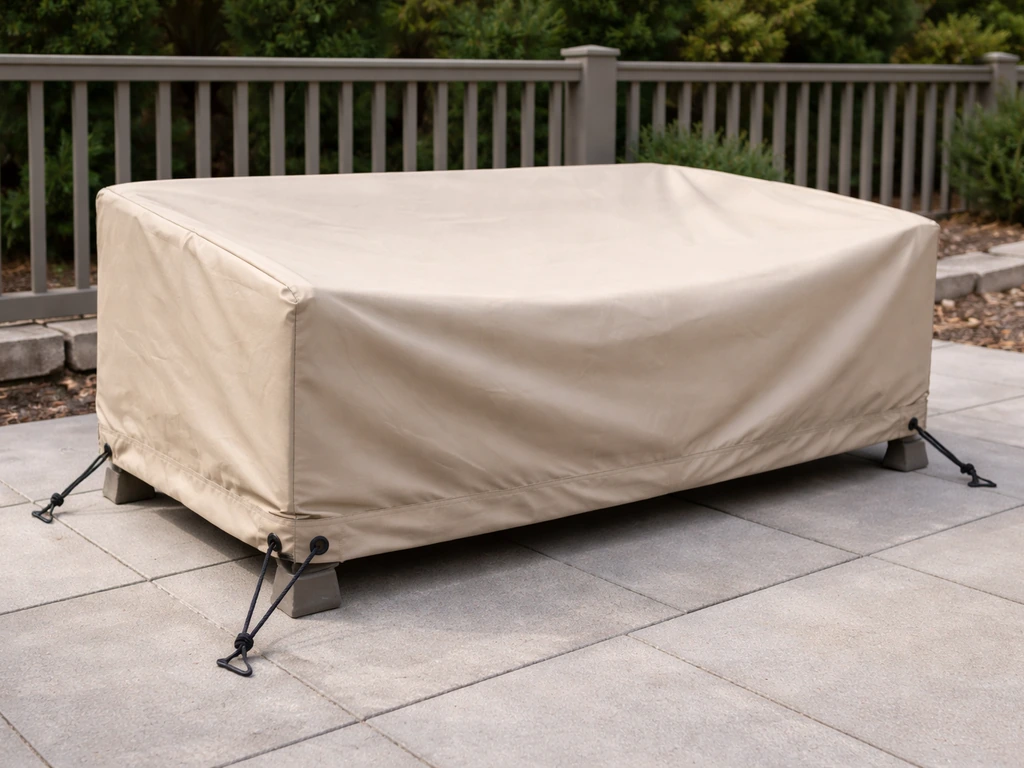
Experts consistently point out that a cover can act like a mini greenhouse: trapping heat, moisture, and condensation in a way that causes wood to dry and crack, metal to sweat and corrode, and fabric to go moldy. Breathable covers significantly reduce that risk. Whatever you buy, make sure it fits snugly and has ties, straps, or weighted hems to keep it from blowing off in winter wind.
Getting it off the ground
Furniture sitting directly on wet concrete, stone pavers, or wood decking is sitting in pooled water and debris all winter. This accelerates rust on metal feet, rot on wood legs, and mold on fabric. Put furniture feet on rubber pads, small wooden blocks, or furniture glides to create a gap between the frame and the wet surface. Even a quarter inch of airflow underneath makes a meaningful difference. If you have a covered patio or overhang, position pieces under it so they're getting less direct precipitation exposure.
Rust prevention for iron and steel
If you have wrought iron or any steel furniture staying outside, rust prevention is an ongoing task, not a one-time fix. After cleaning and drying in the fall, apply a coat of paste wax or a metal-specific protective coating to painted surfaces. This gives moisture less to grab onto. Any spot where bare metal is showing gets rust-inhibiting primer. Come spring, plan to inspect again and touch up anything that developed rust spots over winter, because catching it early is the difference between a quick fix and a full refinishing job.
Ventilation under covers
If you're using a non-breathable cover, you can improve ventilation by creating a small tent effect: prop the cover slightly so air can circulate underneath. Some people use a PVC pipe frame or just lay a stick across the seat to keep the cover from pressing directly against the furniture surface. It's a small thing, but it keeps air moving and reduces the moisture buildup that causes mold and rust.
When bringing it inside is the smarter call
There are situations where outdoor storage just isn't worth the risk, and bringing furniture in is the right move. Here's when to make that call.
- You have untreated or lightly coated steel furniture in a wet or freeze-thaw climate. Rust damage over a single bad winter can be severe enough to ruin the piece.
- Your furniture has exposed unfinished wood, peeling paint, or damaged sealant and you don't have time to repair it before winter.
- You're in a harsh climate with repeated hard freezes, significant snow accumulation, and high moisture. Even durable materials take more damage in those conditions.
- The furniture has delicate finishes, decorative details, or sentimental value that makes a repair-or-replace decision painful.
- You live in a coastal area with heavy salt air exposure, especially with metal furniture that already has any rust starting.
- Your furniture includes straps, slings, or woven fabric that's already showing wear. Another winter outside will accelerate that breakdown.
Where to store it if you do bring it in
A dry, unheated garage or shed is the ideal spot. You want somewhere that stays dry and relatively stable in temperature, but you don't need it to be heated. In fact, a heated indoor space can actually dry out wood furniture and cause cracking from the low humidity. The key word is dry: avoid basements that get damp, crawl spaces with moisture problems, or any area where the furniture will be sitting on a damp floor.
Stack chairs seat-to-seat to save space, stand tables upside down or on their sides if needed, and if you're storing wood furniture, make sure it's clean, dry, and not in direct contact with concrete floors, which hold moisture. One caution for teak specifically: don't stack other items on top of teak in storage, because the natural oils can seep through and stain whatever's sitting on it.
Your practical winter prep checklist
Use this as your go-to action list. Run through it once in late fall and you'll head into winter in good shape.
- Remove all cushions, clean them, dry them completely, and store inside or in a sealed deck box.
- Clean all furniture frames with mild soap and water, rinse thoroughly, and let dry fully in the sun.
- Inspect every joint, bolt, and hardware piece. Tighten anything loose.
- Look for chips, scratches, and rust spots on any metal pieces. Treat bare metal with rust-inhibiting primer.
- Apply paste wax or a protective coating to painted iron or steel frames.
- Drain all hollow tubing by tilting or inverting chairs and tables.
- Elevate furniture feet off the ground using rubber pads, blocks, or furniture glides.
- Cover frames with a breathable, waterproof cover that fits snugly with ties or weighted hems.
- For teak: leave uncovered, or cover only when completely clean and dry.
- Decide what needs to come inside: steel without solid rust protection, damaged finishes, fragile pieces, anything in a harsh climate.
- Check covered furniture mid-winter after major storms. Brush off heavy snow loads and re-secure covers if wind has loosened them.
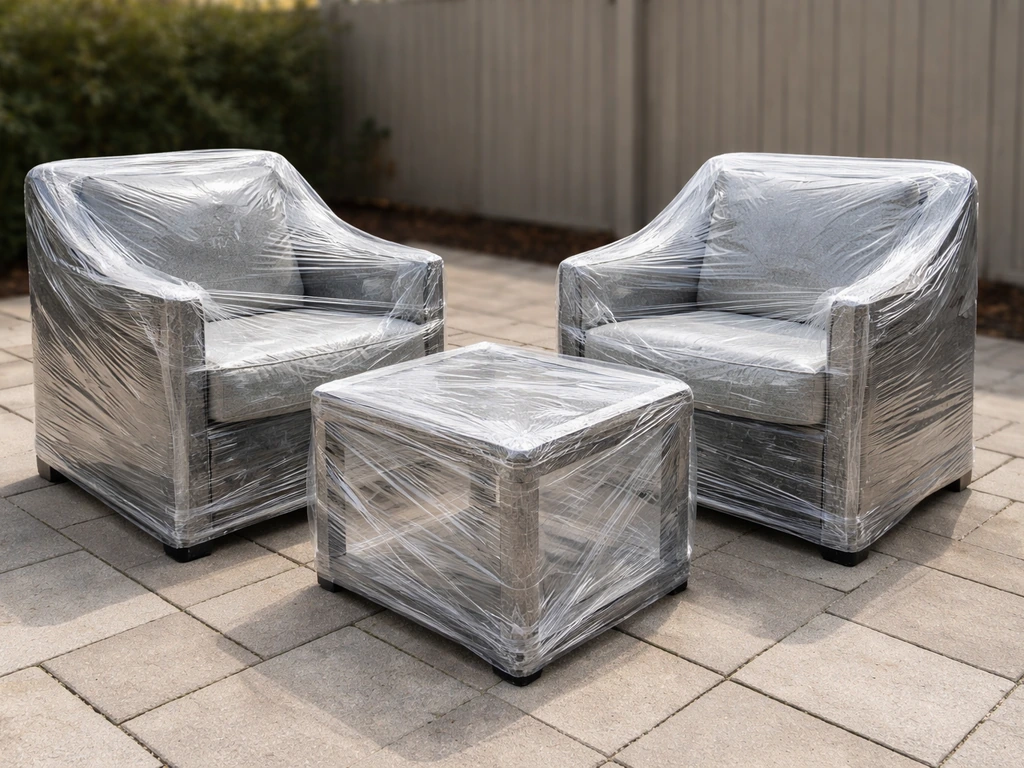
If you want to go further than basic covers, there are more involved options worth knowing about. Shrink-wrapping is popular for protecting whole sets in very wet or snowy climates, and tarping is a budget-friendly alternative for large sets. If you want to protect outdoor patio sets in heavy rain or snow, learning how to shrink wrap patio furniture can help you seal everything tight and keep moisture out shrink-wrapping.
Winterizing specific furniture types properly takes each of these steps a little further with material-specific detail. The core principle stays the same across all of them: clean it, dry it, protect exposed metal, keep cushions separate, and give moisture somewhere to escape rather than trapping it underneath a cover.
FAQ
Can you leave patio furniture cushions outside in the winter if you cover the set?
It’s better not to. Even with a cover, cushions stay damp longer and mildew is the most common outcome. Remove cushions, let them fully air-dry first, then store them in a sealed dry container or a weatherproof deck box. If they must stay outside, choose a cushion cover plus an elevated setup, and accept you may still need spring cleaning and spot treatment.
Is it ever okay to leave patio furniture outside in winter with no cover at all?
Sometimes, but only if the material is very winter-tolerant and your local conditions are mild. Aluminum, sealed synthetic wicker frames, and well-protected wrought iron do better without covers. Still, you should at minimum keep cushions off, rinse off winter grime after storms, and ensure the furniture is raised above wet surfaces so moisture does not pool around the base.
How dry does wood need to be before winter covering so it won’t mold or crack?
Wood should be completely dry to the touch with no cool damp spots, especially in joints and carved areas. If the weather is consistently humid, give it extra drying time before covering. Covering damp wood increases freeze-thaw stress and can trap condensation, which promotes mold and early cracking even if the cover is breathable.
What’s the best way to cover furniture if winter storms keep blowing snow and rain sideways?
Use a waterproof but breathable cover that fits snugly, and secure it with straps, ties, or weighted hems so it stays in contact with the ground plane. Then position the furniture under an overhang when possible, and consider slightly propping the cover so it doesn’t press tightly on the surfaces and trap condensation.
Can I just use a thick plastic tarp instead of a breathable cover?
Usually no. Non-breathable tarps can trap moisture and create a constant condensation cycle, which increases rust, mold, and fabric mildew risk. If a tarp is your only option, leave some airflow paths and do not wrap it directly against cushions or raw wood, but a breathable waterproof cover is the safer default.
Should you leave furniture on concrete during winter or raise it?
Raise it. Concrete, stone pavers, and wet decking act like a moisture reservoir. Put furniture feet on rubber pads, glides, or small blocks to create airflow under the frame. This helps prevent rust on metal feet and reduces rot risk for wood legs, even when the furniture is covered.
What should you do for wrought iron or steel after winter, even if you used rust prevention?
Inspect early and touch up immediately. Look for pinholes, bubbling paint, and bare-metal spots where moisture got through the coating. Early removal and primer touch-ups prevent small damage from expanding into rust patches that later require full refinishing.
If aluminum furniture gets scratched in the fall, how urgent is it to fix the damage before winter?
Fix it before the first big cold snap. Bare aluminum can still corrode slowly depending on coating quality, and scratches often collect grit and moisture. Touch up chips or scratches so bare areas are minimized, then cover to protect the finish from UV and winter debris.
Is shrink-wrapping worth it for mild climates?
Often no. Shrink-wrapping helps most in very wet or heavy snow regions where moisture sealing is the main goal. In mild winters, breathable covers with proper cleaning, cushion removal, and raising the furniture off wet surfaces usually deliver nearly all the benefit with less effort.