Winterize your patio furniture before the first hard freeze hits (28°F or below) by cleaning every piece thoroughly, letting it dry completely, treating frames and finishes for their specific material, getting cushions and fabric inside or into sealed bags, and then either storing everything indoors or covering it with breathable, fitted covers. That's the whole process. The sections below break it down step by step, material by material, so nothing gets skipped.
How to Winterize Patio Furniture: DIY Steps by Material
Maren Grady
2 Jun 2026
When to start and what you're working with
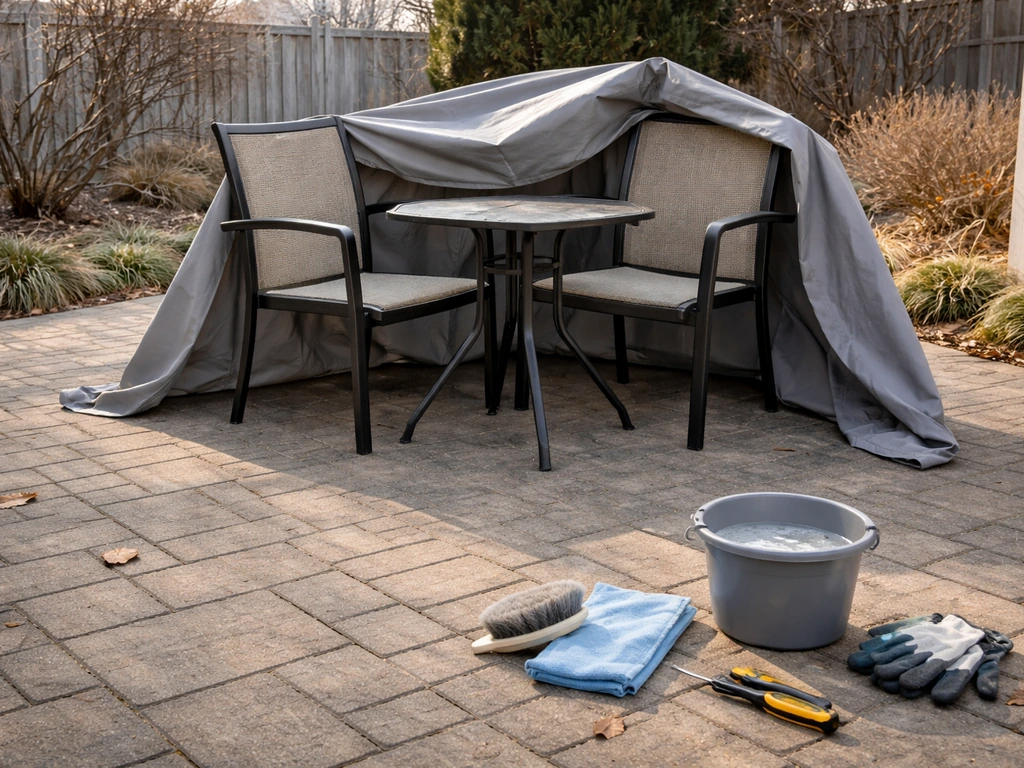
Timing is where most people drop the ball. They wait until the first snowfall to scramble outside, and by then the freeze-thaw cycle has already started cracking finishes and rusting metal. The National Weather Service defines a hard freeze as temperatures at or below 28°F for several hours, and that's the real threshold for widespread damage. But honestly, aim to have everything done before nighttime temps consistently hit 32°F. In most of the U.S., that window falls somewhere between late September and early November depending on your region. Check your local NWS forecast and watch for the first Freeze Warning. That's your signal to get moving.
Before you start cleaning anything, do a quick material audit. Walk your patio and mentally sort each piece into one of these categories, because the steps vary a lot between them:
- Wood: teak, cedar, pine, acacia, eucalyptus (natural oils matter here)
- Metal: powder-coated aluminum, wrought iron, steel, galvanized steel
- Resin or plastic: HDPE, polypropylene, injection-molded chairs and tables
- Wicker or rattan: natural wicker vs. all-weather resin wicker (very different care needs)
- Cushions and textiles: removable cushions, throw pillows, sling fabric on chairs
- Umbrellas and shade structures: canvas, polyester, or acrylic canopies on metal or wood poles
Also note any finishes: painted, stained, varnished, or raw. A painted iron chair needs different treatment than a bare teak bench. Getting this sorted before you start saves you from doing the wrong thing to the wrong piece.
Cleaning and drying everything the right way
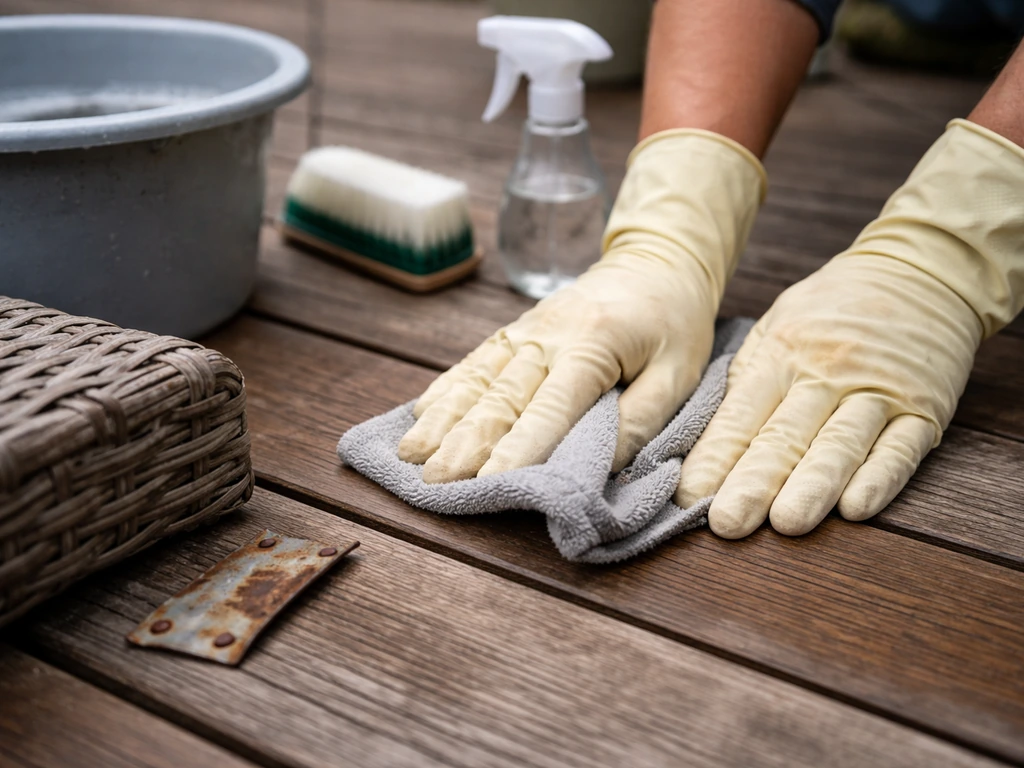
Here's where I've made mistakes before: rushing through the clean, throwing a cover on, and pulling it off in spring to find a moldy mess underneath. Moisture trapped under a cover or inside storage is the single biggest cause of winter damage. So cleaning isn't just about aesthetics. It removes the organic material (bird droppings, pollen, grease, leaf tannins) that feeds mold and accelerates rust. Do this on a dry, sunny day with at least two to three days of dry weather in the forecast so everything can fully air out before you cover or store it.
Cleaning by material type
| Material | Cleaning method | What to avoid |
|---|---|---|
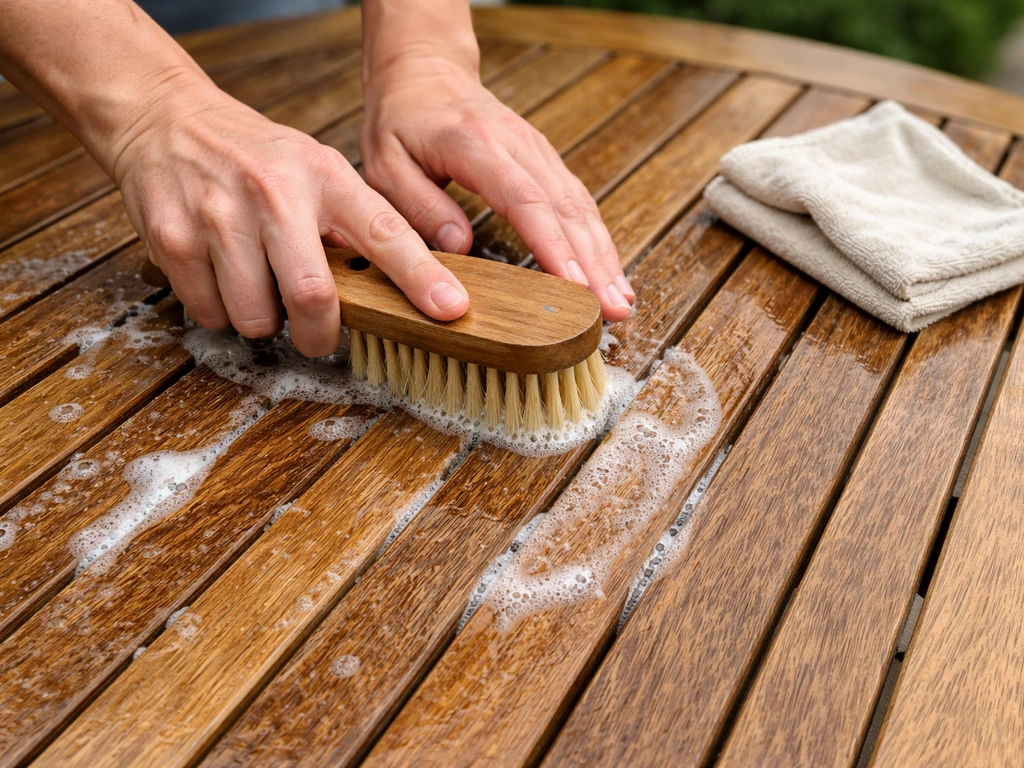
| Wood (teak, cedar, acacia) | Mild dish soap and warm water, soft brush along the grain, rinse well | Pressure washers on soft woods; soaking joints where water can sit |
| Powder-coated aluminum | Dish soap and water, soft cloth or sponge, rinse completely | Abrasive scrubbers that scratch the coating |
| Wrought iron / steel | Dish soap and water, stiff nylon brush for crevices, dry immediately after | Leaving water pooled on the surface even for an hour |
| Resin / plastic | Soap and water or diluted white vinegar for stains, soft brush | Bleach on colored resin (fades it); abrasive pads |
| Natural wicker / rattan | Damp cloth, mild soap, soft brush for crevices; minimal water | Soaking (causes cracking and loosening); pressure washing |
| Resin wicker (all-weather) | Soap and water, soft brush, rinse and dry | Leaving standing water in woven joints |
| Sling fabric chairs | Mild soap and warm water, soft brush, rinse thoroughly | Harsh solvents; leaving soap residue |
Once everything is clean, drying is non-negotiable. Wipe down metal frames with a dry cloth immediately after rinsing, since even powder-coated aluminum can develop oxidation when moisture sits in joints. For wood, let it sit in direct sun for at least 24 hours, 48 if you had to scrub hard. Open any folding sections, tilt chairs forward, flip cushion covers, and prop tabletops on their sides to let airflow reach every surface. This is worth the extra wait. Storing even slightly damp furniture is asking for trouble.
Protecting frames and finishes by material
Once everything is clean and dry, apply the right protective treatment before anything goes into storage or under a cover. Think of this as the last line of defense before a long hibernation.
Wood furniture
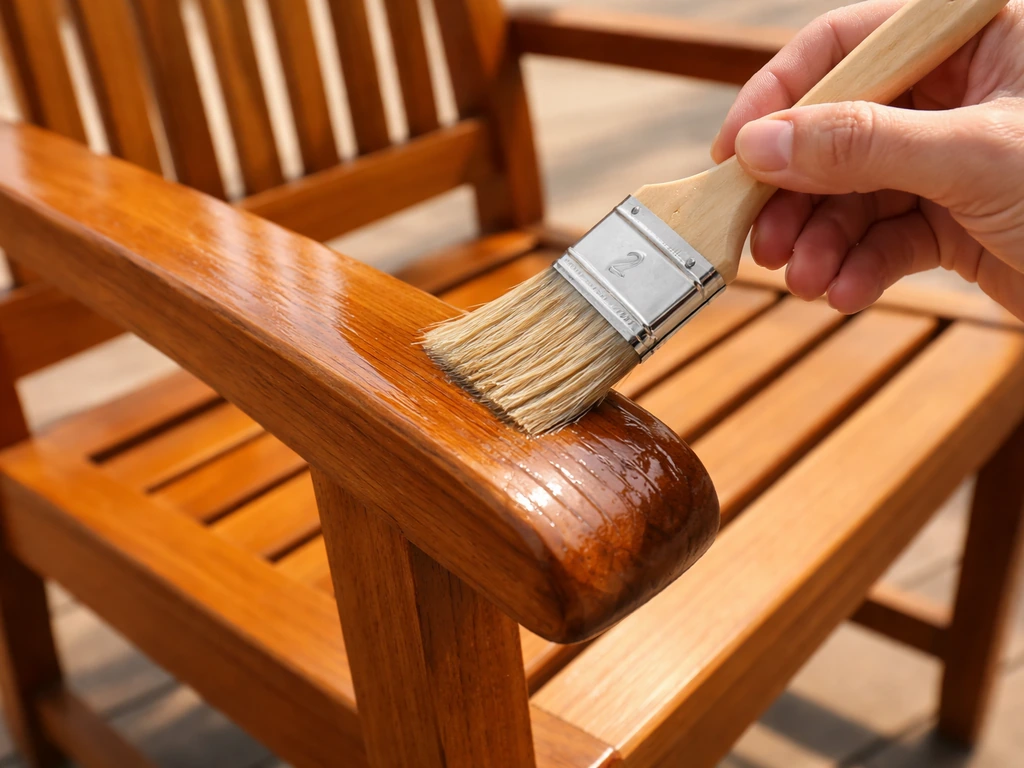
Teak and other naturally oily hardwoods actually fare better with a light coat of teak oil or a penetrating teak sealer applied after cleaning. It replaces oils lost during the season and keeps the wood from drying out and cracking over winter. For painted or stained wood furniture, inspect the finish closely: any chipped or peeling areas need to be touched up with matching exterior paint or stain before storage. Bare wood exposed to moisture will swell, crack, and eventually rot. Use a quality exterior wood sealant on any raw spots and give it 24 hours to cure. Cedar is more forgiving than pine but benefits from a coat of tung oil or linseed oil every year or two.
Metal furniture
Powder-coated aluminum is the low-maintenance winner here. Wipe it down, check for chips in the coating (touch up with spray paint formulated for metal), and it's basically ready. Wrought iron and steel are another story. These will rust if given any chance, so after cleaning, dry every surface completely and apply a thin coat of car wax, paste wax, or a dedicated metal protectant like WD-40 Specialist Long-Term Corrosion Inhibitor. Pay special attention to joints, bolts, and any area where the finish is worn. For wrought iron with existing surface rust, tackle it before storage (more on that in the repairs section). Don't skip the wax coat even if the metal looks fine. It creates a moisture barrier that makes a real difference over a four-month winter.
Resin, plastic, and all-weather wicker
Resin furniture is the easiest to winterize. Clean it, dry it, and you're mostly done. However, cheap resin does become brittle in very cold temperatures and can crack if something heavy falls on it, so it's still worth bringing inside or at least covering. A coat of car wax on plastic and resin furniture helps protect it from UV fading in spring and acts as a light moisture barrier. All-weather resin wicker just needs to be clean and dry before storage. Natural rattan and wicker are more delicate: they should always go indoors because they crack and become structurally weak when exposed to repeated moisture and freezing. If you're storing natural wicker, apply a light coat of linseed oil to the strands first.
Cushions, fabric, and umbrellas
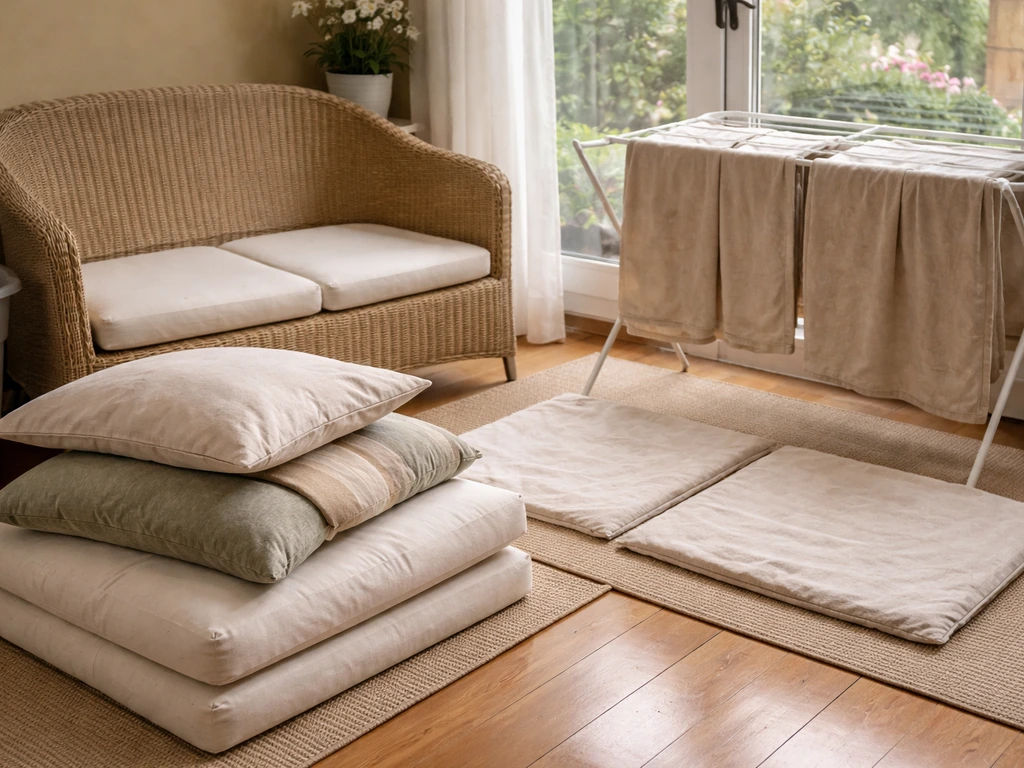
Cushions are the most common casualty of a poor winterizing job. I've pulled covers off furniture in spring to find cushions that look fine on the outside but are soaked through in the foam core, growing mold where you can't see it. The rule here is simple: cushions never winter outside, full stop. They go inside or they get damaged.
- Remove all cushions, throw pillows, and seat pads from the furniture.
- Check covers for mildew stains, especially on the seams and bottom panels.
- Wash covers according to the fabric care label. Most outdoor fabrics (Sunbrella, polyester blends) can handle a gentle machine wash with mild detergent. Avoid hot water, which can shrink or damage coatings.
- If you spot mildew on the covers, treat with a 1: 4 mix of white vinegar and water, scrub gently, and rinse thoroughly.
- Check the foam or fill inside. Press firmly on each cushion. If water comes out, the core is still wet and needs more drying time outdoors in the sun.
- Once fully dry, store cushions in large zip-seal plastic storage bags or purpose-made cushion storage bags. This keeps out moisture, insects, and mice.
- Stack cushions flat or on their edges in a cool, dry indoor space: a garage shelf, basement, or closet works fine.
- Do not store cushions in sealed plastic bins if there's any doubt about dryness. A breathable storage bag is safer because it won't trap any residual moisture.
For umbrellas, start by wiping down the canopy with mild soap and water and inspecting for mildew (look at the seams and folds). Rinse and let it air dry completely in the open position before closing it for storage. Once dry, fold or close it, remove the canopy from the pole if it detaches, and store the pole and base separately. Most umbrella canopies can be stored in the carrying bag they came in, or wrapped loosely in an old bedsheet. Never store a damp umbrella folded closed. The fabric sits against itself for months and mildew spreads fast. Tighten any loose screws on the tilt mechanism before storage so they don't freeze and seize up.
Covers vs. indoor storage: choosing what actually works
Whether you cover your furniture outside or move it inside depends on your space, your climate, and the material. There's no single right answer, but there are better and worse choices for each situation.
| Method | Best for | Main advantage | Main risk |
|---|---|---|---|
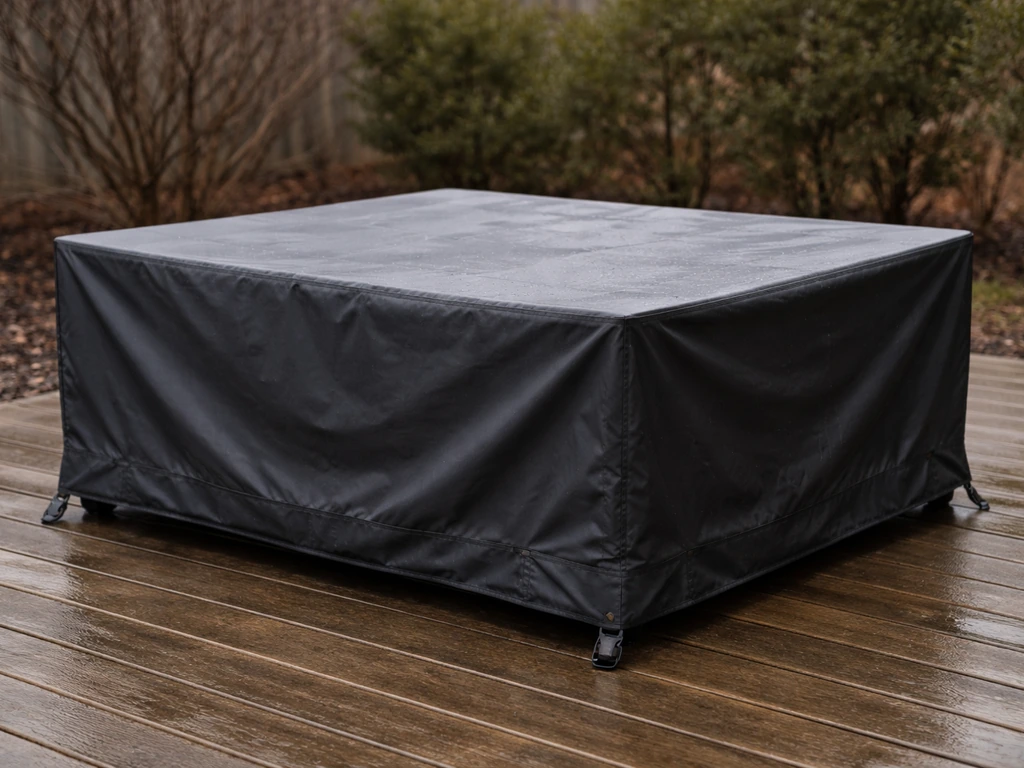
| Breathable fitted covers (outside) | Aluminum, resin/plastic, powder-coated metal in moderate climates | Convenient, no hauling required | Moisture trapped underneath if cover doesn't breathe or fit poorly |
| Waterproof covers (outside) | Short-term rain protection or mild winters with little freezing | Keeps rain off | Traps condensation underneath, which causes mold and rust |
| Indoor storage (garage/shed/basement) | Wood, wrought iron, natural wicker, all cushions, umbrellas | Best all-around protection from freeze-thaw, UV, pests | Requires space and time to move pieces |
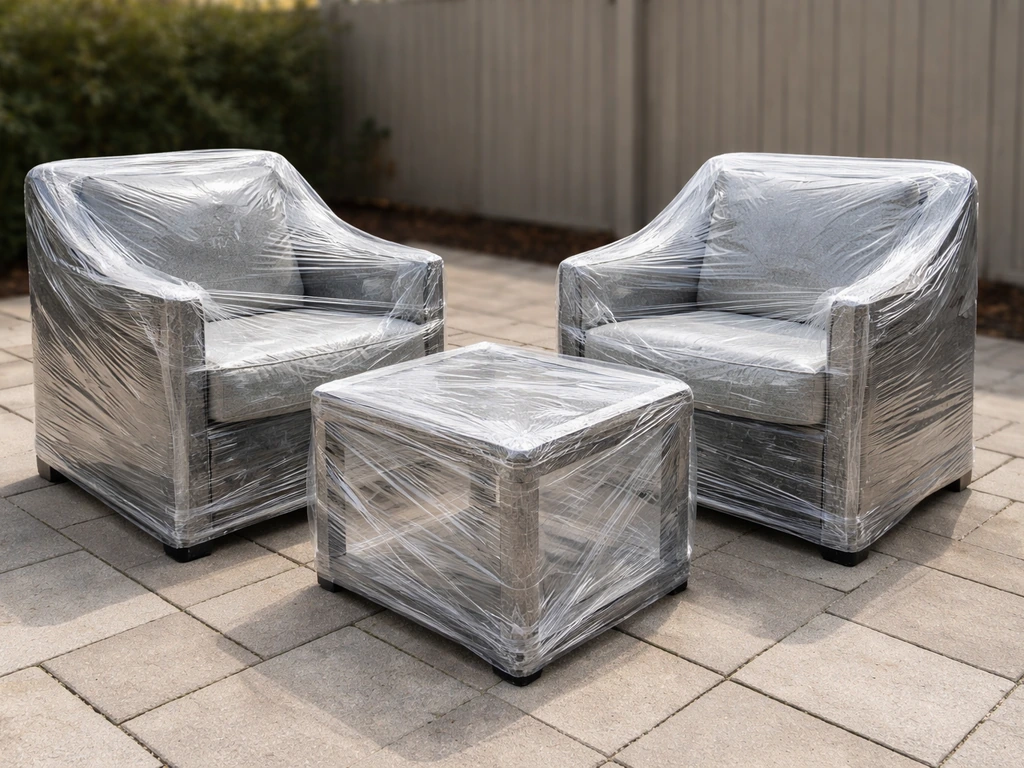
| Shrink wrapping (outside) | Large sets or bulky pieces in very cold/snowy climates | Tight seal against snow and ice | Needs professional application for best results; can trap moisture if done wrong |
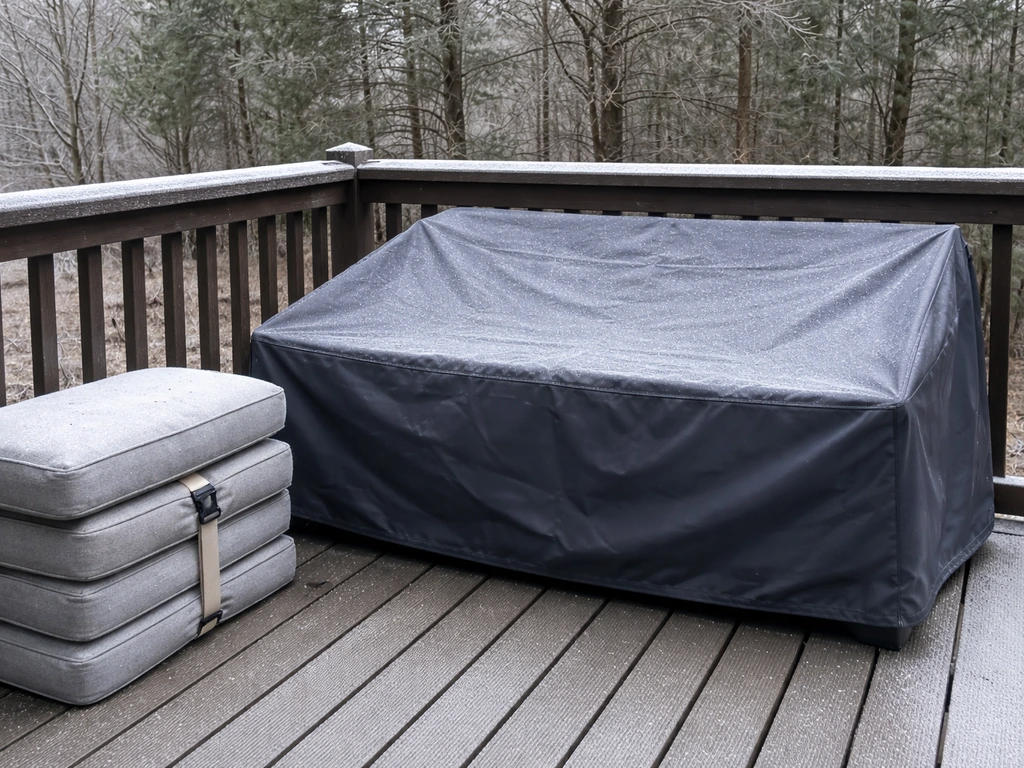
The cover trap that gets people every time is using a fully waterproof cover on furniture that stays outside all winter. Patio.com advises that when patio furniture is not in use, you should always use a protective cover that will not trap moisture blank" rel="noopener noreferrer">use a fully waterproof cover. It sounds logical, but condensation builds up inside the cover when temperature swings, and that moisture has nowhere to go. The result is a humid microclimate that breeds mildew on frames and fabric. If you're covering furniture outside, choose covers made from breathable materials like solution-dyed polyester with venting panels. Covers should fit snugly but not so tight they abrade finishes. Leave a small gap at the bottom for airflow, or choose a cover with ventilation grommets.
For indoor storage, the goal is keeping furniture off cold concrete floors (use pallets, foam tiles, or furniture risers to prevent moisture wicking up), keeping stacked pieces separated with old towels or moving blankets to prevent scratching, and leaving some airflow in the space so humidity doesn't build up. To protect patio furniture from snow, use breathable covers with bottom airflow, or move pieces indoors so they are not exposed to freeze-thaw cycles how to protect patio furniture from snow. Label everything before it goes in. It sounds unnecessary until March when you're searching through a garage for the table umbrella base. Plastic bags with moisture-absorbing desiccant packets work great inside cushion storage for really damp basements.
If you're deciding between covering and shrink wrapping, or trying to figure out whether your specific furniture can just stay outside uncovered, those are bigger decisions that deserve their own deep dives. If you decide to shrink wrap patio furniture instead of using a standard cover, the cost varies based on the piece size and the film thickness you choose shrink wrapping patio furniture. If you decide to shrink wrap patio furniture instead of using breathable covers, make sure the furniture is fully dry and that the wrap is applied snugly to protect it from moisture and winter debris.
Pre-storage repairs: do these before it goes away
Winterizing is the best time to do small repairs you've been putting off all season. Doing them now costs almost nothing extra in time, and it means furniture is ready to use immediately in spring instead of needing a week of work before you can sit on it.
Rust treatment
Surface rust on wrought iron or steel should be dealt with before storage, not after. If you store rusty furniture, the rust keeps spreading all winter in the dark and damp. For small rust spots: sand with 80-grit sandpaper until you're back to bare metal, wipe with a tack cloth, apply a rust converter product (Rust-Oleum Rust Reformer is a common one, around $10-12), let it cure for 24 hours, then top-coat with metal spray paint in a matching color. For heavy rust or pitting, a wire brush attachment on a drill makes faster work of it. Finish with paste wax over the painted area for extra protection.
Tightening hardware and checking joints
Go around every piece with a screwdriver and wrench and snug up any loose bolts, screws, and plugs. Cold temperatures cause metal to contract and already-loose fasteners can work completely free over winter, especially on folding chairs. If you find stripped screws, replace them before storage (a screw slightly larger in diameter usually bites into wood again). Check plastic glides and feet caps on chair legs since these crack in cold weather, and replacements are cheap to order now before you need them.
Replacing worn sling fabric and straps
If any sling chair fabric is stretched out, torn, or sagging badly, replace it during winterizing rather than spring. Sling replacement fabric is sold by the yard and the process usually takes about an hour per chair. Doing it now means the adhesive or replacement process has months to cure before the chair is used again. Same goes for woven nylon or vinyl strap furniture: if straps are cracked or broken, they're cheap to replace and the work is beginner-friendly.
Mildew prevention in storage
Even if you clean and dry everything perfectly, a damp basement or poorly ventilated garage can cause mildew growth over winter. A few cheap precautions help a lot: place DampRid containers or silica gel packs near stored furniture, keep furniture a few inches from walls where moisture can condense, and if the space is really damp, run a dehumidifier set to around 50% relative humidity. For covers on furniture left outside, check on them once every few weeks during thaws. Lift the cover for an hour to let air circulate if condensation is visible inside.
Common winter damage problems and how to fix them in spring
Even when you do most things right, winter can still win. Here's how to deal with the most common problems you'll find when you pull covers off in spring.
Moldy cushions
Surface mildew on cushion covers usually comes off with a solution of 1 cup white vinegar, 1 tablespoon dish soap, and 1 quart warm water. Scrub with a soft brush, rinse thoroughly, and dry in direct sunlight (UV kills mold spores). If the mildew has gone deep into the fabric or seams and won't come out after two treatments, the cover may need to be replaced. The foam core is the harder problem: if it smells musty even after the cover is clean, the mold is in the foam. You can try pressing the foam dry and leaving it in direct sun for several days, but if the smell persists, replacing the foam is the practical fix. Foam is sold by thickness and density at fabric stores or online for around $15-25 per seat.
Rusted or corroded frames
Light to moderate rust that appeared over winter is treated the same way as pre-storage rust: sand, rust converter, paint, wax. For heavy corrosion on wrought iron, a naval jelly rust dissolver (around $8-10) applied with a brush, left for 15-20 minutes, and then scrubbed off takes care of a lot of pitting without aggressive sanding. If the rust has gone through a section of metal and created structural weakness, that's a welding repair or a replacement part situation, depending on the piece.
Cracked or peeling wood finishes
If painted wood surfaces have cracked or peeled, that's freeze-thaw working on moisture that got under the finish. The fix is to scrape off all the loose paint with a putty knife, sand smooth, apply an exterior wood primer, and repaint with an exterior paint in a matching color. On stained wood like teak or cedar, if the grain has opened up and feels rough, sand lightly with 120-grit along the grain, wipe clean, and reapply stain or sealant. Don't try to paint over cracked paint without removing the loose sections first. It just peels again.
Stuck cover zippers and seized hardware
Zipper teeth that have seized on cover bags or cushion covers respond well to rubbing with a wax candle or a bar of soap along the teeth. For metal hardware (bolts, hinges, folding chair locks) that have frozen or seized from corrosion, a penetrating oil like PB Blaster or WD-40 sprayed on the joint and left for 10 minutes usually breaks them free. If a bolt has rusted solid and you can't get it moving, a socket wrench with a breaker bar gives you enough torque without stripping the head. Worst case, a seized bolt can be cut with an oscillating tool and replaced.
Cracked or broken resin pieces
Plastic and resin furniture that cracks from cold brittleness is the one winter damage type that's hardest to reverse. Small surface cracks in non-structural areas can be filled with a plastic adhesive (Loctite Plastics Bonding System works on most outdoor resins), but structural cracks in chair frames usually mean the piece needs replacing. This is an argument for bringing resin furniture inside in very cold climates rather than leaving it out even with a cover.
Winterizing takes a few hours spread over a weekend, but the payoff is furniture that comes out of winter looking nearly as good as it went in. The biggest wins are simple: clean and dry completely before anything gets covered or stored, treat every metal surface against moisture, get cushions inside without exception, and use breathable covers rather than fully waterproof ones for anything staying outside. Do the small repairs now while the furniture is right in front of you, and spring setup becomes a 30-minute job instead of a full-day project clean and dry completely before anything gets covered or stored. Do the small repairs now while the furniture is right in front of you, and spring setup becomes a 30-minute job instead of a full-day project.
FAQ
Can I winterize patio furniture right after rain if the forecast is warm?
Try not to. If pieces feel damp in joints, under cushions, or around fasteners, cleaning and treatment will trap moisture. Wait for at least 2 to 3 dry days so frames can air out fully before you cover or store them.
What’s the best way to dry metal furniture seams and joints?
After rinsing, dry with a cloth right away, then tilt and prop pieces so water can drain out of corners. If you can, use compressed air low setting around bolts and hinges, especially on folding chairs.
Should I use a waterproof cover if my furniture stays outside all winter?
In most climates, no. Fully waterproof covers often create condensation, especially during freeze thaw cycles. Use breathable, vented covers, keep a small bottom airflow gap, and check during thaws for visible condensation.
Do cushions need to be completely dry before going inside?
Yes, even if the fabric looks dry. Squeeze test cushions and check the zipper seam area. If foam feels cool or damp, wait longer, because moisture inside the foam core leads to hidden mildew.
Is it okay to store cushions in sealed plastic bins or bags?
It can work if the cushions are fully dry and the bin has no trapped humidity. For very damp basements, add desiccant packets, keep bins off concrete with a riser, and avoid sealing too tightly if you cannot confirm dryness.
Can I leave furniture under a cover if I can’t move it indoors?
Yes, but you need the right cover and monitoring. Choose breathable covers with vents or grommets, leave bottom airflow, and lift the cover periodically during thaws to vent for about an hour if you see moisture.
How do I prevent condensation from forming in a garage storage space?
Keep furniture off cold concrete floors using risers or foam tiles, leave a little spacing from walls, and run a dehumidifier if humidity stays high. A practical target is around 50% relative humidity, and you may need DampRid or silica gel as a supplement.
What should I do if my wood furniture has peeling paint or flaking finish?
Don’t try to cover it over. Scrape off loose material, sand smooth, apply an exterior primer to bare spots, then repaint. If you paint over cracked edges, the finish often lifts again with the next freeze thaw cycle.
Do I need to wax metal furniture every winter, or is once enough?
If the surface coating is intact, you may be able to refresh rather than fully reapply. However, if any bare metal or worn-through areas exist, apply a thin protective layer after cleaning so moisture cannot reach those spots.
What’s the safest way to remove mildew from cushion covers?
Wash covers with a mild vinegar plus dish soap solution, scrub gently, rinse thoroughly, then dry in direct sun. If odor or mildew persists after multiple treatments, the issue may be inside the foam core, and replacement is often the most reliable fix.
Can I winterize an outdoor umbrella with it still attached to the base?
If the canopy can be fully dried open first, you can store the umbrella assembled, but it’s safer to separate canopy and pole if your system allows it. Ensure the canopy is completely dry, store in a carrying bag or wrap loosely, and never store a damp umbrella folded closed.
Should I bring resin wicker and plastic patio furniture inside?
In mild areas, covering and drying may be enough. In colder regions, bring it inside or choose the most protective cover you can, because some resin becomes brittle in very cold temperatures and can crack if something falls on it.
What’s the right order for repairs during winterizing?
Do repairs after cleaning and drying, then let protective products cure fully before storage. Tighten fasteners and replace cracked glides or sling parts while everything is accessible, so you are not discovering failures after the winter is already underway.
How can I tell if my winter cover is causing problems?
Watch for a musty odor, visible water droplets under the cover, rust blooming around joints, or mildew on fabric edges after warm spells. Any sign of condensation means you likely need better ventilation or more frequent cover lifts during thaws.
Is shrink-wrapping a good alternative to breathable covers?
It can work, but only if furniture is completely dry first, and the wrap is applied snugly to prevent moisture ingress. If you cannot guarantee dryness down to seams and joints, breathable covers with airflow are usually safer.