Yes, you can dye patio cushion covers, but whether it actually works depends almost entirely on what your covers are made of. If you need a broader refresher on how the whole process works, see how to dye patio cushion covers first for timing, heat, and rinse steps. Cotton and linen covers dye beautifully with fiber-reactive dyes. Polyester covers need a specialized disperse dye and high heat to take any color at all. Solution-dyed acrylic covers (think Sunbrella and most premium outdoor brands) and anything with a waterproof PU coating? Those won't accept dye in any meaningful way, and trying will mostly waste your time and money. So before you buy a single packet of dye, you need to know what fabric you're dealing with.
Can You Dye Patio Cushion Covers? DIY Guide
Maren Grady
6 Jun 2026
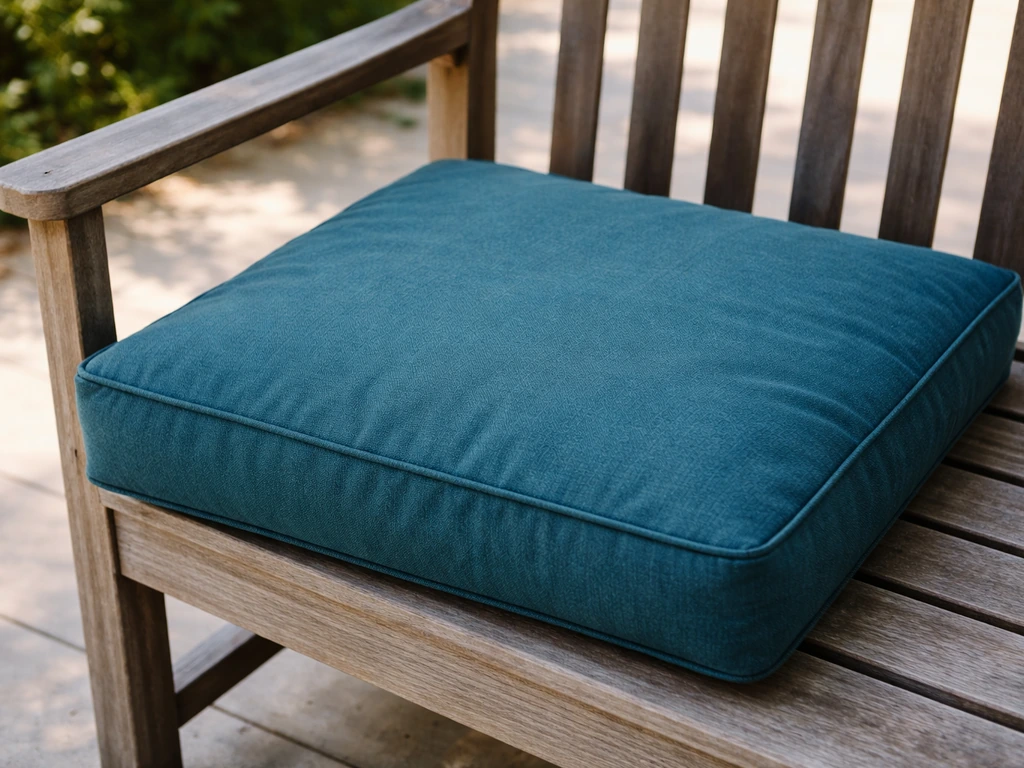
When dyeing works and when it really doesn't
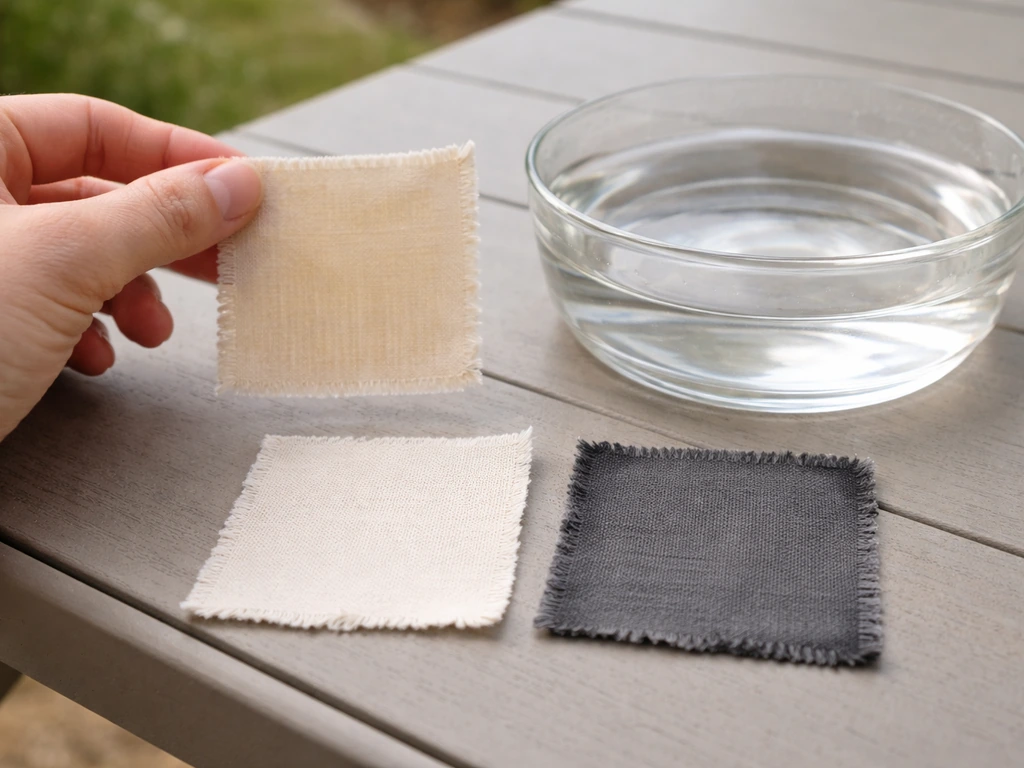
The reason this question is tricky is that outdoor cushion covers look similar but behave completely differently when you introduce dye. The fabric type is everything. Here's the honest breakdown:
| Fabric Type | Can You Dye It? | Dye to Use | Expected Result |
|---|---|---|---|
| 100% cotton or linen | Yes, works well | Fiber-reactive (Procion MX) | Vibrant, lasting color |
| Cotton/polyester blend | Partially | Rit DyeMore or iDye Poly | Natural fibers dye; poly stays lighter ("salt and pepper" effect) |
| 100% polyester (uncoated) | Yes, but difficult | Rit DyeMore or iDye Poly | Color possible with high heat; results vary |
| Solution-dyed acrylic (Sunbrella, Outdura, etc.) | No | None will work reliably | Dye won't penetrate; pigment is locked into the fiber at manufacturing |
| Olefin/polypropylene | No | None | Fiber resists dye almost completely |
| PU-coated or waterproof polyester | No | None | Coating blocks dye from reaching the fiber entirely |
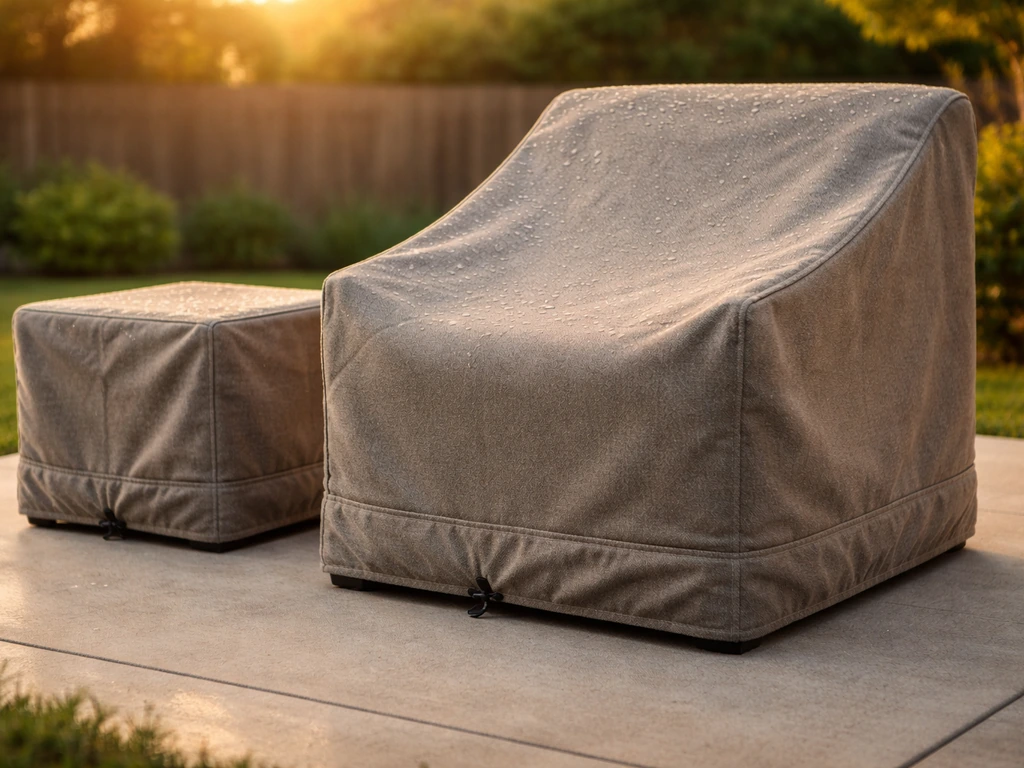
That blank" rel="noopener noreferrer">solution-dyed acrylic category is where a lot of DIYers get frustrated. Brands like Sunbrella, Outdura, and Sattler build their outdoor fabrics by mixing pigment directly into the liquid fiber before it's even spun into yarn. The color is baked in at a molecular level, which is why it's so UV-resistant and long-lasting. But it also means there's nowhere for new dye to bond. The same goes for PU-coated outdoor polyesters, which are hydrophobic by design. Dye can't penetrate what water can't wet.
Dyeing also won't fix covers that are in truly bad shape. If the fabric is heavily mildewed, brittle, or so sun-damaged that the fibers feel chalky or weak, dyeing will just highlight the damage. You need structurally sound fabric to start with.
Figure out what your covers are actually made of
Check the care label first. Most cushion covers have a tag sewn into the seam that lists fiber content and washing instructions. You're looking for the fiber percentage breakdown: 100% cotton, 100% polyester, a blend ratio, or a brand name like Sunbrella (which tells you it's solution-dyed acrylic). If the tag is missing or faded, here are some ways to figure it out:
- Water droplet test: Drop a small amount of water on the fabric. If it beads up immediately, there's a waterproof coating or the fabric is solution-dyed acrylic. If it absorbs, you likely have cotton, linen, or an uncoated polyester.
- Burn test (use a small clipped thread from a seam): Cotton burns cleanly with a paper smell and leaves ash. Polyester melts and beads, smells synthetic. Acrylic also melts and smells acrid. Do this safely over a fireproof surface.
- Brand lookup: If you know the cushion brand, look up the product online. Most outdoor furniture brands list exact fabric specs, and many use Sunbrella or similar acrylic fabrics.
- Feel and look: Cotton and linen feel soft and slightly textured. Acrylic outdoor fabrics feel slightly waxy or very smooth and often have a tight canvas-style weave. Polyester can feel either silky or rougher depending on weave.
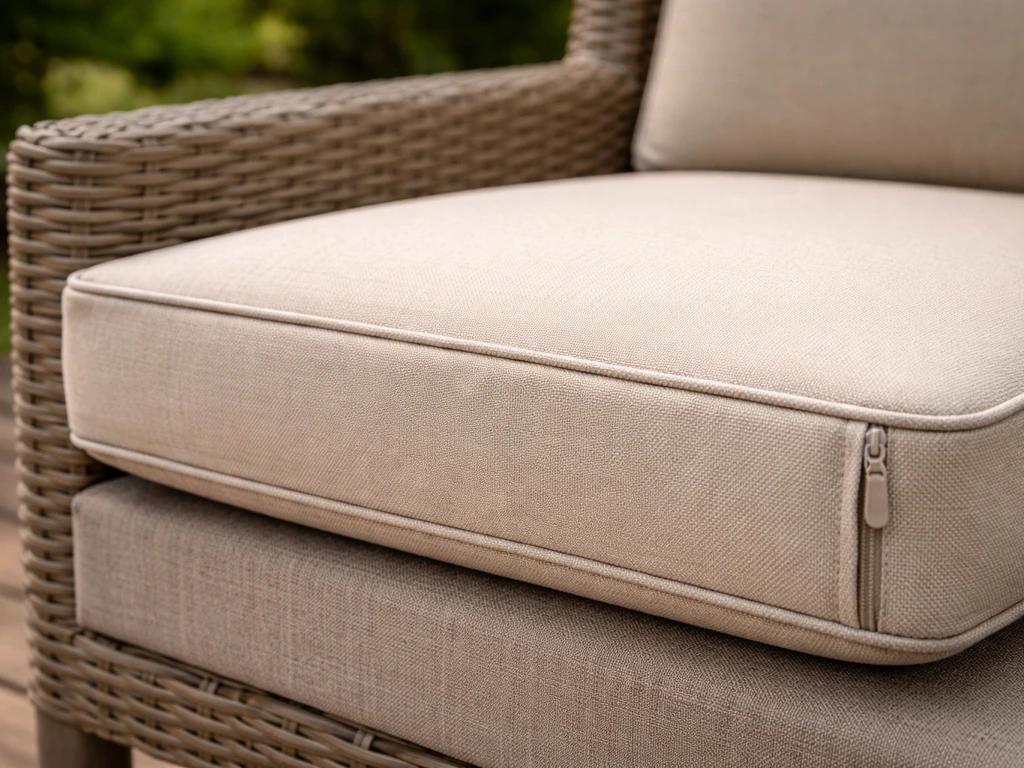
Also check whether your covers are removable. If the cover zips or ties off the cushion insert, you're in great shape. If it's sewn shut, you'd need to cut it open to dye it properly, which moves this project into reupholstery territory. That's a whole separate process covered in guides on how to sew patio furniture cushion covers or how to cover patio chair cushions.
Picking the right dye for your fabric
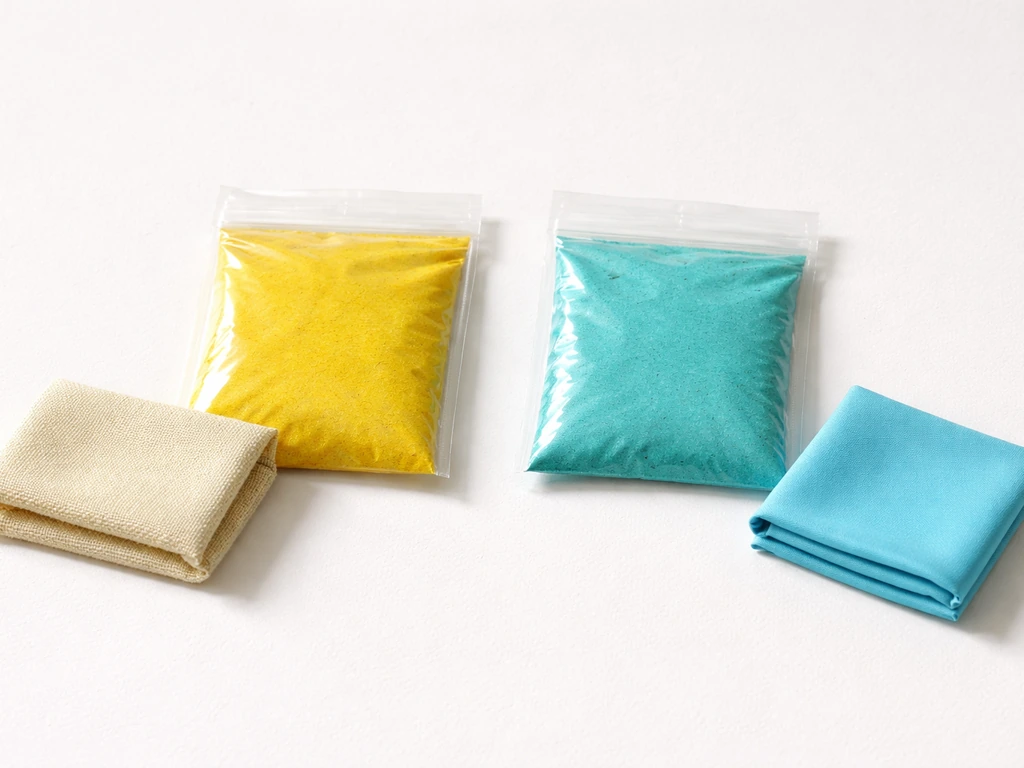
Once you know your fabric, matching the dye type is non-negotiable. Using the wrong dye is the single most common reason this project fails. Here's what actually works:
For cotton and linen covers
Fiber-reactive dyes are your best option. Procion MX dyes (sold by Dharma Trading Co., Jacquard, and others) bond chemically to natural fibers at relatively low temperatures, around 70 to 105°F. They're colorfast, affordable, and come in a wide range of colors. You'll also need soda ash as a fixative (about 1 cup per gallon of water, with a 20-minute soak), which is what actually locks the dye into the fiber. Rit All-Purpose dye also works on cotton and is easier to find at craft stores, but Procion MX gives better long-term colorfastness, which matters a lot for outdoor fabric.
For polyester covers (uncoated)
Polyester needs disperse dye and high heat to take color. The two most accessible options are Rit DyeMore (formulated specifically for polyester, acrylic, nylon, and blends) and Jacquard iDye Poly. Both require a hot stovetop dye bath because you need water near or at a simmer (around 180 to 200°F) for the dye to penetrate polyester fibers. This is important: you cannot use your washing machine for this. A standard wash cycle doesn't get hot enough, and the dye will just wash off. You need a dedicated pot you don't use for food, a stovetop, and some patience.
iDye Poly is often cited as one of the few dyes that will actually color polyester at home. Rit DyeMore is more widely available and also works well. Both require the same high-heat stovetop process. Budget around $5 to $12 per packet, and you may need two packets for larger covers.
For cotton/polyester blends
This is where things get messy. The cotton fibers will dye with fiber-reactive dye, but the polyester fibers won't, which creates a heathered or salt-and-pepper look. If you use a disperse dye at high heat, the polyester fibers take color but the cotton may not fully saturate. Many people use Rit DyeMore on blends and accept the uneven result, which can actually look intentionally rustic. Just go in with realistic expectations.
How to dye your patio cushion covers, step by step
This method covers the stovetop immersion approach for polyester (using Rit DyeMore or iDye Poly), with notes for the fiber-reactive approach for cotton. Gather everything before you start because timing matters once the dye bath is hot.
What you'll need
- Large stainless steel or enamel pot (dedicated to dyeing only, not food use) — big enough for the cover to move freely
- Dye packets: Rit DyeMore or iDye Poly for polyester; Procion MX for cotton
- Soda ash (for cotton/fiber-reactive method only)
- Salt or Rit dye fixative (follow dye-specific guidance)
- Long-handled stainless steel spoon or wooden stick (dedicated to dyeing)
- Rubber gloves (dye stains skin for days)
- Measuring cups and spoons
- Old towels and a plastic drop cloth for your workspace
- Dish soap for pre-cleaning
- A thermometer if you can get one, especially for polyester
Step 1: Clean the covers thoroughly
Dye bonds to clean fiber only. Wash the covers with dish soap and warm water, or machine wash if the care label allows it. Scrub out any mildew spots with a diluted bleach solution (about 1/4 cup bleach per gallon of water), then rinse completely and let dry before checking the result. Any mildew staining left behind will show through the dye. If you're dealing with serious mildew, those spots may take dye differently from the rest of the fabric and create blotchy patches. Better to get the cover as clean as possible first.
Step 2: Do a patch test
Test on a hidden seam edge or an interior scrap of the same fabric before dunking the whole cover. Mix a small amount of dye solution and apply it to a corner, let it process, then rinse and dry it. This tells you whether the fabric will take the dye, what shade you'll actually get (it usually dries slightly lighter), and whether the fabric reacts badly to the temperature. I've skipped patch tests and regretted it. Just do it.
Step 3: Set up and heat your dye bath
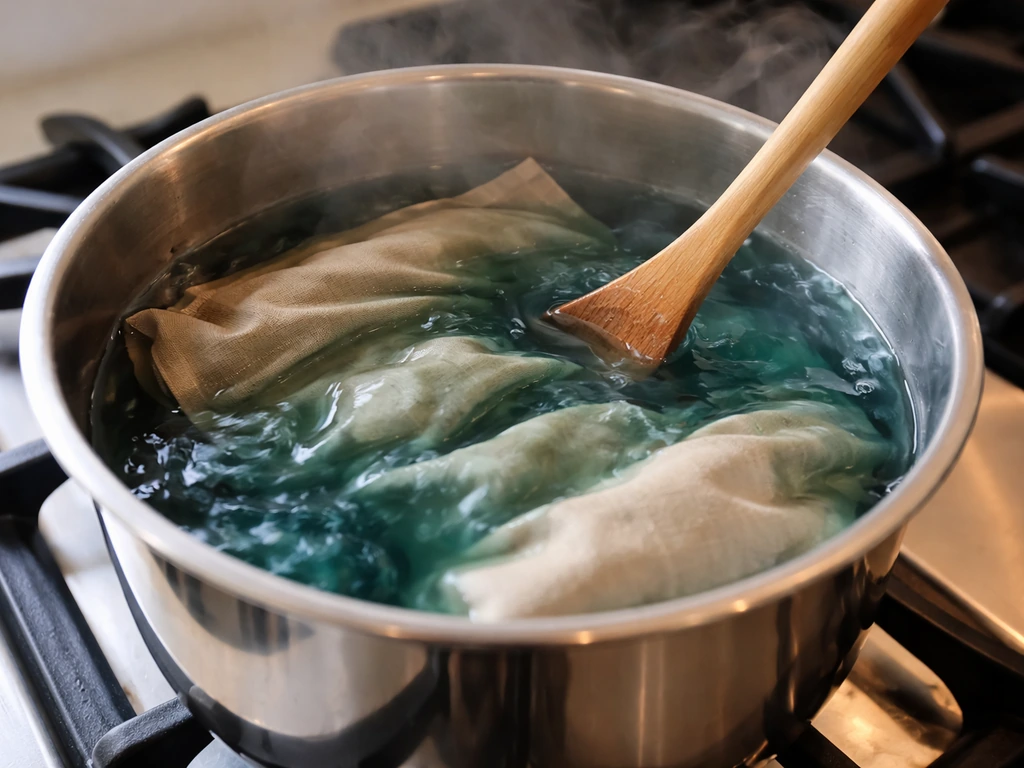
Fill your pot with enough hot water to fully submerge the cover with room to stir. For polyester, heat the water on the stovetop to a near-simmer, around 180 to 200°F. Add your dye according to the packet instructions (Rit DyeMore mixes directly into the hot water; iDye Poly has a packet you drop in whole or dissolve first). Add one tablespoon of dish soap to help the dye penetrate evenly. For cotton with fiber-reactive dye, you can use warm water around 95 to 105°F in a bucket rather than a pot on the stove, following the soda ash soak process that comes with the dye.
Step 4: Add the cover and stir consistently
Wet the cover first with plain warm water before adding it to the dye bath. This helps it absorb dye more evenly. Submerge it fully and stir constantly for the first 10 to 15 minutes, then continue stirring frequently for 30 to 45 minutes total. For polyester at high heat, keep the temperature consistent throughout. Uneven stirring is the number one cause of patchy color, so this is not the time to scroll your phone.
Step 5: Rinse in stages
When the time is up, remove the cover from the dye bath and rinse it in warm water first, then gradually use cooler and cooler water until the rinse water runs clear. This staged rinsing is what removes excess dye and prevents it from bleeding later. For cotton covers with fiber-reactive dye, use Rit ColorStay Dye Fixative (or the fixative included with your dye brand) immediately after the dye bath and before rinsing to lock the color in. For polyester, just do the staged warm-to-cool rinse until the water is fully clear.
Drying, curing, and putting it all back together
After rinsing, gently squeeze out excess water. Don't wring the fabric hard, especially if it's loosely woven. Hang the cover to air dry in a shaded spot, not direct sun, for the first drying. Direct sun while the dye is still fresh and uncured can cause uneven fading. Once it's fully dry, you can machine wash it on a gentle cycle in cold water with a small amount of mild detergent to check for any remaining dye bleed. If the water runs colored, wash it again until it runs clear.
For polyester dyed at high heat, no additional heat-setting is needed because the dye penetrates the fiber in the hot dye bath itself. For fiber-reactive dye on cotton, the soda ash fixation step handles curing chemically, so no heat setting is required either. Just make sure the fixation soak happened properly before rinsing.
Once the cover passes the wash test, dry it fully and slide it back onto the cushion insert. Zip, tie, or fasten it as it was before. To slow future UV fading, consider storing cushions out of direct sun when not in use, which helps any dyed fabric hold color longer.
When things go wrong: fixing common dye problems
Uneven color or blotchy patches
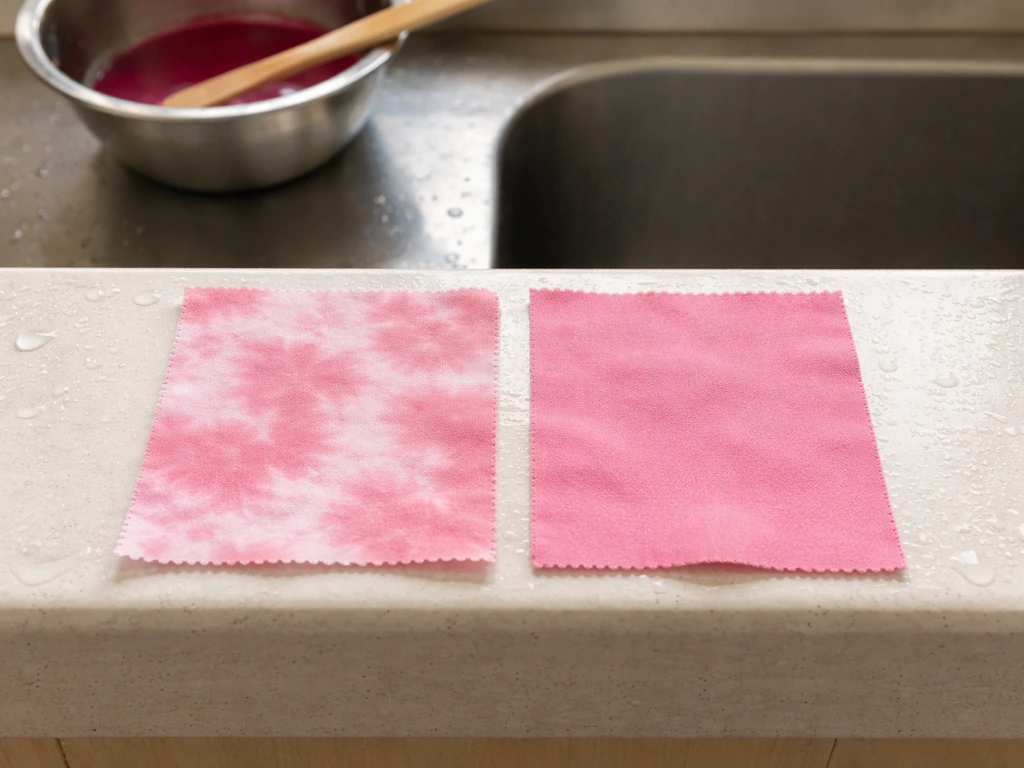
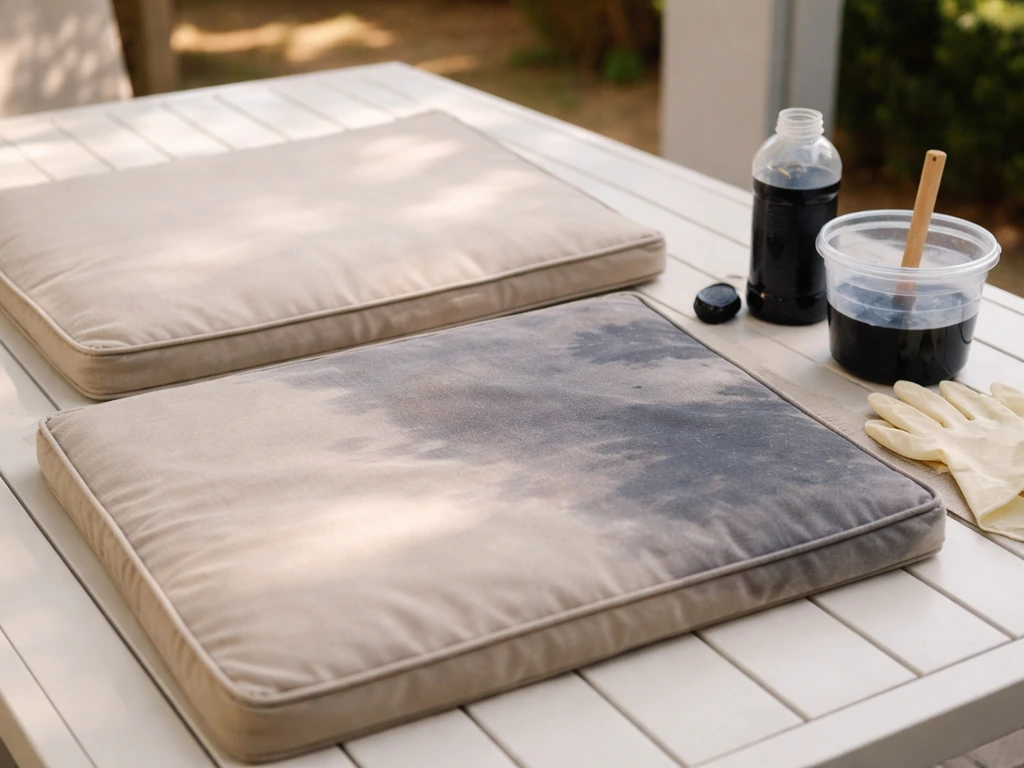
This is almost always caused by two things: uneven stirring or a fabric that wasn't fully wet before it went in the dye bath. If the cover was balled up at any point, dry spots won't take dye the same way as wet areas. You can try re-dyeing the same cover: wet it fully again and return it to a fresh dye bath, stirring very consistently. Going darker on a second pass usually helps even things out. You can't undye fabric, so embracing a deeper shade is your best repair path.
Dye isn't taking at all
If the cover comes out barely changed, either the dye type doesn't match the fiber (most likely cause), the water wasn't hot enough for polyester, or the fabric has a finish or coating blocking penetration. Go back to the fabric identification steps. If you have blank" rel="noopener noreferrer">solution-dyed acrylic or a coated fabric, no amount of dye will fix it. This is the fabric paint or replacement path, which is often covered alongside alternatives like outdoor fabric paint options. This is the fabric paint or replacement path.
Color bleeding after washing
If the color bleeds in the first wash, the rinse stage wasn't thorough enough or the fixative step was skipped. Wash the cover again in cold water by itself until the water runs completely clear. Add a dye fixative product to the wash if you have one. Going forward, wash these covers in cold water only and avoid high-heat machine drying.
Color fades quickly in the sun
Home dyes don't have the UV-resistance of industrial solution-dyeing processes. This is just the reality. Even with proper fixation, home-dyed covers will fade faster than factory-dyed outdoor fabric, especially in full-sun exposure. Using a UV-protectant fabric spray after dyeing can help slow this down, and storing cushions out of direct sun when not in use makes a real difference over a season.
If dye isn't the right answer for your covers
If you've got solution-dyed acrylic, coated polyester, olefin, or covers in rough condition, dyeing simply isn't going to work. Here are three realistic alternatives:
Fabric paint
Outdoor fabric paint, like Rust-Oleum Outdoor Fabric Paint or Tulip ColorShot, is designed to bond to surfaces rather than penetrate fibers. This makes it an option for fabrics that won't accept dye, including some polyesters and synthetic blends. It works best for color blocking, patterns, or coverage over a small area. The downsides are that painted fabric can feel stiffer than dyed fabric, and the coverage is less uniform on texture-heavy weaves. For full-cover color refreshing, you'd need several cans and careful application. Clean the cover with soap and water, let it dry completely, then apply paint in thin layers per the label instructions.
Making new covers
If the cushions themselves are in good shape but the covers are beyond saving or won't take color, making new covers is a genuinely cost-effective solution. You can buy outdoor fabric yardage (including Sunbrella and solution-dyed acrylic) and sew replacement covers that fit your exact cushions. If you decide to go the DIY route, start by choosing outdoor-friendly fabric and measuring your cushions accurately for a clean, custom fit how to make covers for patio cushions. This is covered in depth in guides on how to make covers for patio cushions and how to sew patio furniture cushion covers. If sewing isn't your thing, there are no-sew and iron-on methods covered in how to make covers for patio furniture as well. If what you’re really after is covering patio chairs, the fabric choice and waterproofing details will matter just as much as color.
Replacement cushions
Sometimes the most budget-friendly move is a straight replacement, especially if your cushion foam is also compressed or damaged. Replacement cushions in standard sizes can be found at home improvement stores for $15 to $60 each depending on size and fill quality. If your patio set is a common brand, manufacturer replacement cushions may be available too. It's worth pricing this out before spending time and money on a dye project that may not deliver the result you want.
FAQ
Can you dye patio cushion covers that are pretreated with stain or water repellents?
Usually not reliably. Repellent finishes and many “waterproof” outdoor treatments can block dye penetration even if the fabric looks like it should take color. Try a patch test and, if the finish is heavy, plan on using outdoor fabric paint or replacing the covers instead of forcing dye.
Is it safe to dye patio cushion covers if they were stored with mold or mildew for a long time?
Do a deeper cleaning first. In stubborn cases, wash with dish soap, then spot-treat mildew, and rinse until there’s no bleach smell or residue. If mildew has penetrated and the fabric is stiff or chalky, dyeing will often create blotches because the affected fibers take color differently.
Can you dye covers while they are still on the cushions?
For best results, remove the covers. Dye works through full immersion, and cushions can trap chemicals, hold uneven moisture, and cause permanent staining. If the cover is not removable, dye becomes a reupholstery-style project, because you would need to open seams or remove components to dye properly.
What should you do if your cushion covers are a blend, like cotton-poly?
Expect uneven color. Cotton responds to fiber-reactive dye, polyester does not, so blends often come out heathered or speckled. If you want a more uniform look, either choose a dye plan meant for blends (and accept that it may be mottled) or switch to outdoor fabric paint for more consistent coverage.
Can you lighten a stained cushion cover with dye instead of darkening it?
Rarely. Dye generally adds color, it does not reliably remove existing stains or mildew discoloration. If the goal is to brighten, you may need aggressive cleaning, oxygen bleach treatment (if the care label allows), or replacement. Patch testing is critical because stains can tint the final shade.
Will dye fade less if you use the “right” detergent later?
Yes, detergent choice matters. After dyeing, use mild detergent and cold water for maintenance, and avoid hot washes and high-heat drying which can accelerate fading and cause residual dye to bleed. If your covers are textured, line drying in shade also helps preserve color uniformity.
Can you dye only one cushion panel or patch instead of the whole cover?
Yes, but it can show a seam-like boundary. Local dyeing often creates visible edges because the fabric is not evenly wetted and agitated. For a cleaner result, dye the full cover or at least the entire large fabric section, and keep agitation consistent during the processing window.
What if the cover comes out a different color than your test patch?
It’s common because test areas often dry faster and the final shade shifts as excess dye rinses out. Also check that the cover fully matches the test fabric piece (same weave and fiber content). If the difference is large, the dye type or bath temperature may be off for your fabric, and a second pass can help only if the dye can actually penetrate the fibers.
Do you need to use salt or soda ash with all patio cushion dye jobs?
No. Soda ash is mainly relevant for fiber-reactive dye on natural fibers like cotton and linen, it helps fixation. Disperse dye for polyester uses different chemistry, it doesn’t use the same soda ash fixation step. Using soda ash with the wrong dye can reduce results or create uneven staining.
Can you dye UV-resistant outdoor fabric that’s labeled olefin (polypropylene)?
Generally no for typical home dye packets. Olefin fibers are hard to dye with the DIY dye methods used for cotton and polyester, and some outdoor olefin fabrics also have finishes that block uptake. If patch testing shows little to no color change, the practical alternatives are outdoor fabric paint or new replacement covers.