Bring patio furniture out when overnight lows are consistently staying above 36°F and no frost advisories are in the forecast for the next week. Put it away again in fall when overnight temps start regularly dipping toward 36°F or lower, or when you know a stretch of wet, cold weather is coming. Those two thresholds will cover most situations for most people. Everything else in this guide is about protecting your investment once you know the timing is right.
When to Take Out Patio Furniture: Clear Timing Rules
Maren Grady
15 Jun 2026
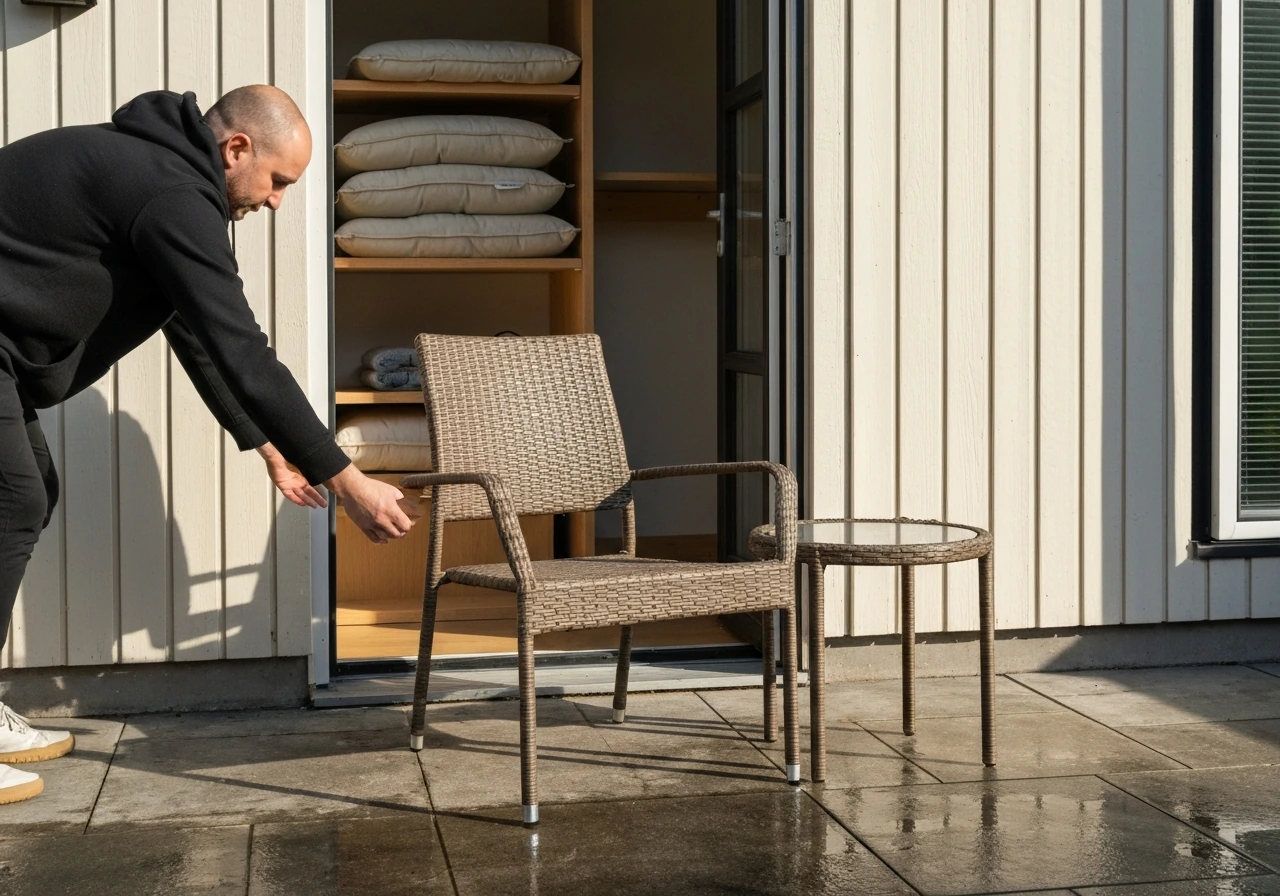
The decision rules for bringing furniture out (and putting it away)
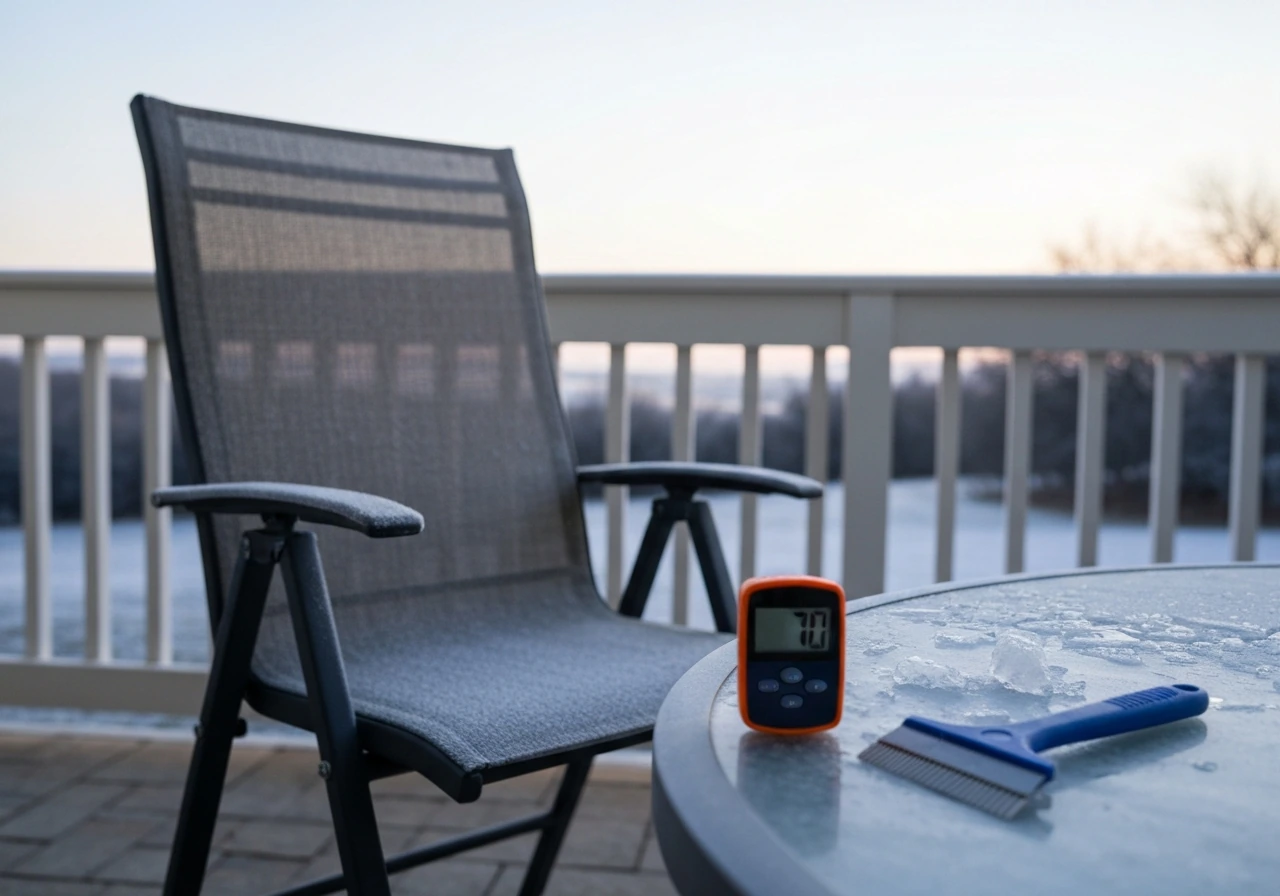
The National Weather Service issues a Frost Advisory when minimum temperatures are forecast between 33°F and 36°F, and a Freeze Warning when temps are expected to hit 32°F or below. Both of those are your cue to either wait before bringing furniture out or to act fast and get it stored. Frost forms thin ice on surfaces at or below 32°F when there's enough moisture in the air, and that ice gets into joints, seams, and cracks. Over time, that's what causes patio furniture to split, warp, and degrade.
Here's the practical rule I use: if the 10-day forecast on your weather app shows zero nights below 36°F, you're safe to bring things out. If even one or two nights are creeping into frost advisory territory, wait a few more days or have a plan to cover up. For fall storage, don't wait until the first hard freeze to act. The moment your overnight lows are hovering around 40°F regularly, start the put-away process. That gives you a cushion before anything damaging actually happens.
- Safe to bring out: overnight lows consistently above 36°F, no frost advisories in the 7-10 day forecast
- Wait or cover up: any night forecast at 33°F to 36°F (Frost Advisory territory)
- Definitely keep stored: any night at or below 32°F (Freeze Warning issued)
- Start fall put-away: when overnight lows regularly hit 40°F or lower
- Emergency store-away: anytime a frost or freeze warning is issued unexpectedly
The weather checks that actually matter
Temperature is the headline number, but it's not the only thing to watch. Here are the four weather factors worth checking before you haul anything outside or drag it back into the garage. US EPA: Mold Remediation (schools/commercial)—actions when materials remain water-damaged or moldy) notes that uS EPA (mold remediation guidance): porous materials that were wet and have mold growth may need removal/discard; and moisture control is central (supports when to discard vs salvage porous cushions/wood).
Temperature and frost risk
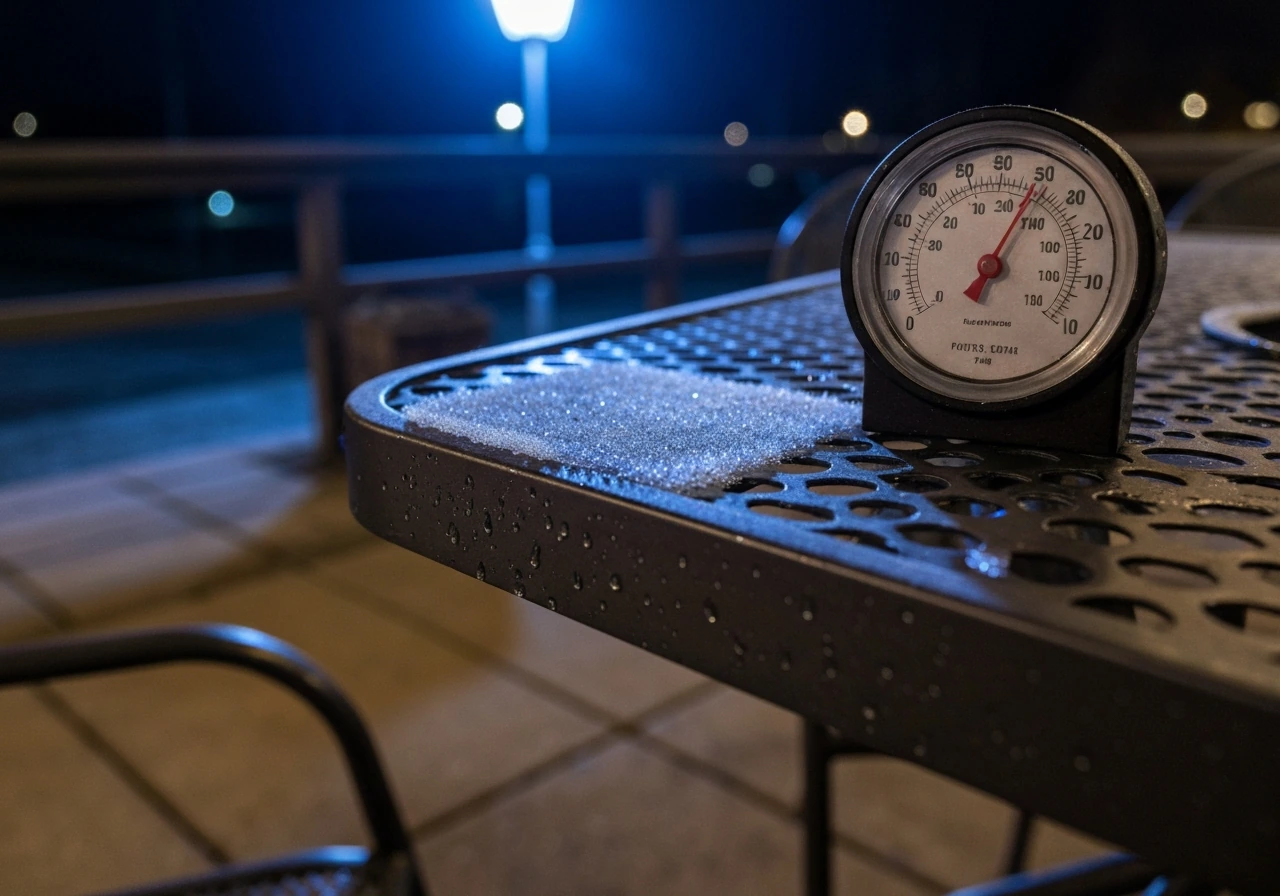
Use overnight lows, not daytime highs. A day that hits 65°F can still drop to 34°F at 3 a.m., and that's where the damage happens. Check the National Weather Service app or Weather.gov for your zip code and look specifically at overnight minimums across the next 7 days. If all of them are 37°F or above, you're in the clear. If one or two are borderline, you can still bring things out as long as you cover them on those nights.
Rain and drying time
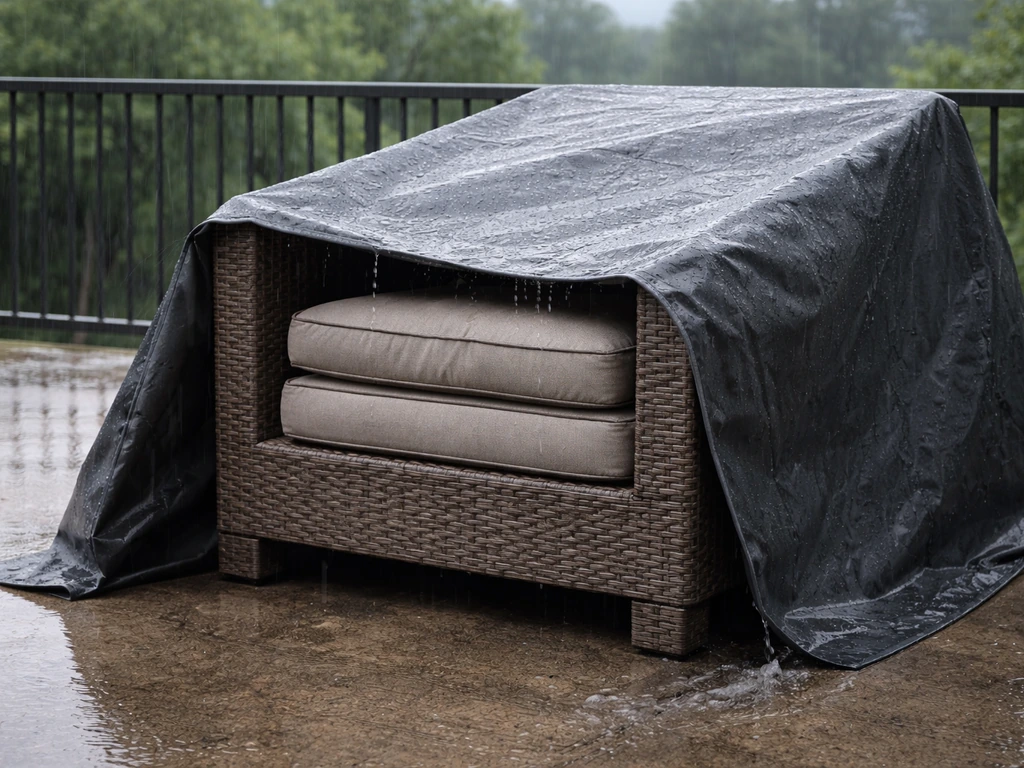
Rain itself won't ruin most patio furniture if it's designed for outdoor use, but timing matters. If you want the quick answer to what to do with patio furniture when it rains, focus on drying time and getting items moved before mildew can start. If you're planning to bring furniture out after winter storage, don't do it the day before a three-day rain event.
The furniture won't have time to dry, and wet furniture sitting in shade with poor airflow is how you grow mildew. Plan your bring-out day for a stretch with at least two dry days following. For the fall put-away, the same logic applies in reverse: don't rush furniture into storage right after a rain. Give it 24 to 48 hours of drying time first.
Wind
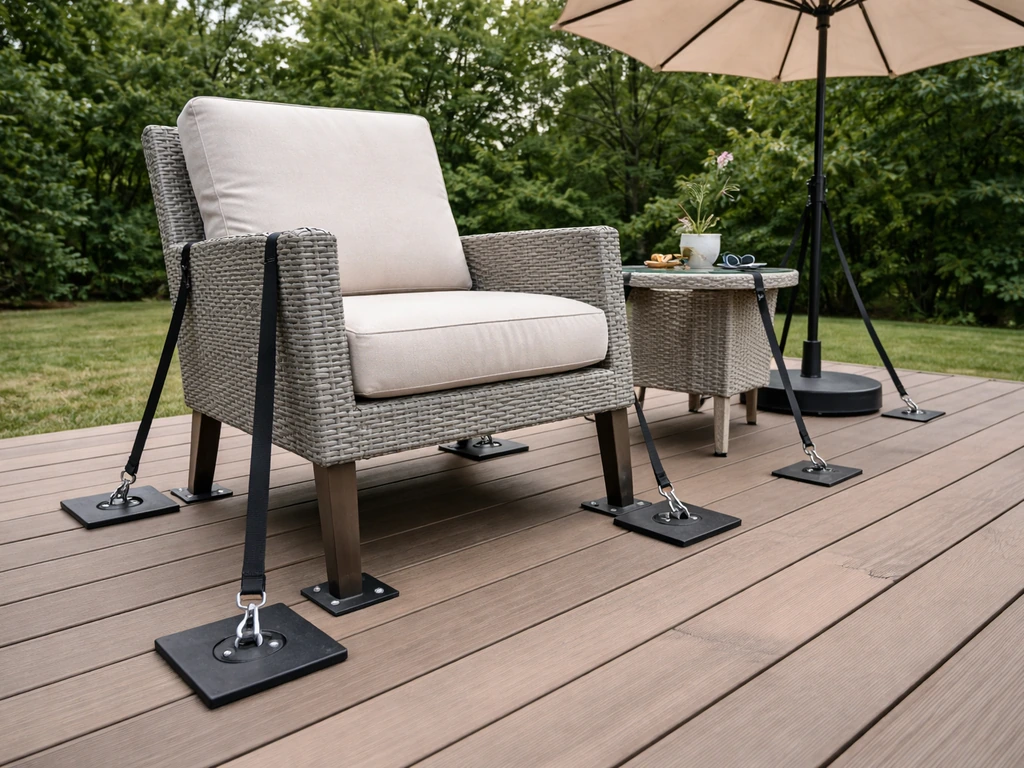
Strong wind is less about material damage and more about furniture going airborne. Lightweight aluminum chairs and small side tables can travel surprisingly far in a 40 mph gust. If you're in a region that gets regular spring windstorms, hold off on setting everything out until your area is past the worst of it, or anchor pieces using patio furniture straps or weights. Wind also accelerates drying, which is actually helpful when you need things dried out before storage.
Humidity and dew
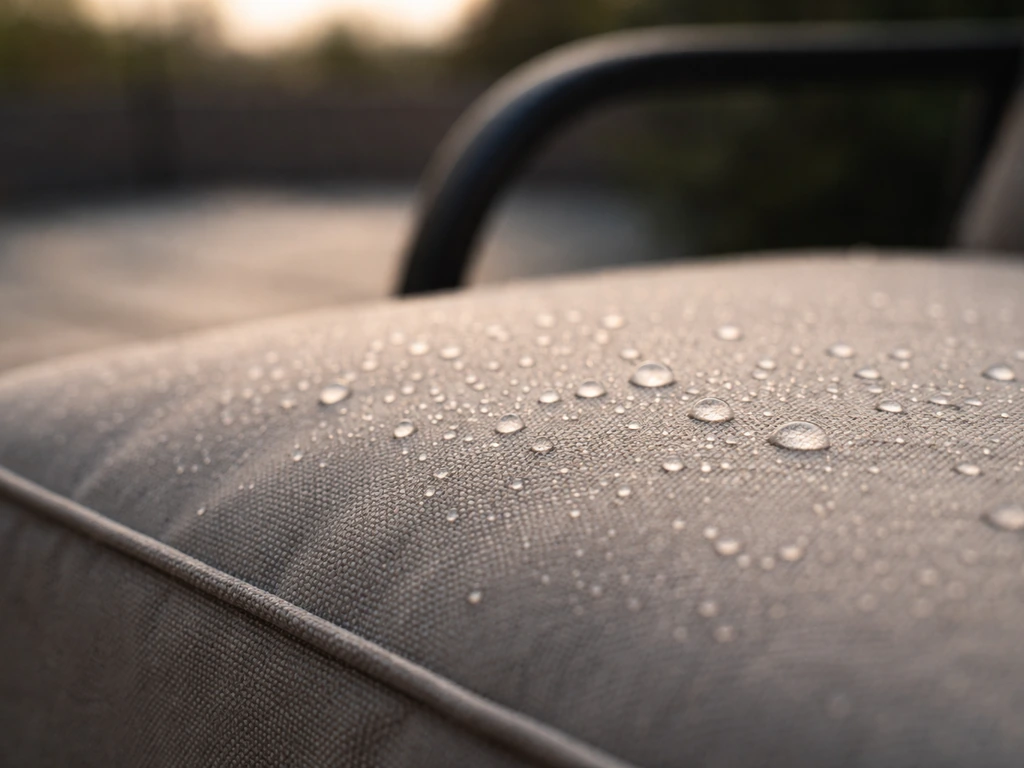
High humidity and radiational cooling on clear, calm nights causes moisture to condense directly onto furniture surfaces, even when it hasn't rained. This is just dew, but it adds up. In humid climates, furniture that sits outside all spring and summer will have a near-constant film of moisture on it overnight. That's fine for frames, but it's worth drying cushions periodically so they don't stay damp for days at a time. If you're in a genuinely humid region (think the Gulf Coast or Pacific Northwest), budget extra drying time before any storage and consider breathable covers that let moisture escape rather than trap it underneath.
How timing and risk differ by furniture type
Not all patio furniture faces the same risks from cold, frost, and moisture. Here's how to think about each material type.
| Material | Cold/Frost Risk | Moisture Risk | Safe to Leave Out in Winter? | Priority for Fall Storage |
|---|---|---|---|---|
| Aluminum frames | Low: doesn't rust, handles freeze cycles reasonably well | Low-medium: pooling water in hollow joints can stress seams over time | Yes, with a breathable cover | Lower priority |
| Steel frames | Low-medium: freezing itself isn't the issue but moisture+freeze accelerates rust | High: rust forms fast if coating is chipped | Only if sealed and covered | Medium priority |
| Teak/hardwood | Medium: dry wood handles cold well, but wet wood + freeze = cracking | High: mildew forms quickly if covered while wet | Not recommended | High priority |
| Softwood (pine, cedar) | High: absorbs moisture, prone to cracking and rot | Very high | No | Highest priority |
| Plastic/synthetic rattan | High: can crack in freezing temperatures | Low | Not recommended | High priority |
| Natural rattan/wicker | High: extremely moisture-sensitive | Very high: warps, molds, and deteriorates fast | No | Highest priority |
| Cushions and fabric | Low for the material itself | Very high: mildew grows within 24-48 hours if stored damp | No (bring inside seasonally) | Highest priority |
The most important takeaway from that table: cushions and natural wicker need to come in first, every time. Aluminum frames are the most forgiving material and can genuinely be left outdoors year-round with just a breathable cover. Steel needs more attention than aluminum because any chip in the powder coat is an invitation for rust, especially where freeze-thaw cycles push moisture into the scratch repeatedly.
One mistake I see a lot: people store hollow metal furniture upside down thinking it'll drain better. For freezing climates, avoid this. Water can pool inside the frame when it's flipped, and if that water freezes, it expands and can crack or warp the frame from the inside. Store metal frames right-side up or on their side, and make sure drain holes aren't blocked.
Spring bring-out checklist
Don't just drag furniture out and call it done. Taking 30 to 60 minutes to do this properly at the start of the season will save you hours of repairs later.
- Check the forecast first: confirm overnight lows will stay above 36°F for the next 10 days before you commit to bringing everything out
- Inspect frames for rust, cracks, and mold: look at joints, welds, and any areas where water might have pooled during storage; light surface rust on steel can be sanded and touched up now before it spreads
- Check wood for soft spots or mildew: press your thumb into wood joints and legs; soft or spongy areas mean rot has started; gray or black staining is often mildew
- Inspect cushions and fabric: look for mildew spots (usually dark speckling or a musty smell), check seams for pulling or mold growth; if a cushion smells musty after drying, the mildew is likely inside the foam
- Clean all frames: rinse off storage dust and debris with a hose, then wipe down with a mild soap and water solution; for metal, dry immediately after to prevent any surface moisture sitting in joints
- Clean cushions: follow your fabric manufacturer's instructions; most outdoor fabrics including Sunbrella can be scrubbed with a soft brush and mild soap, then rinsed and air dried completely flat
- Let everything dry completely before using or covering: at least a full day in the sun and breeze before putting covers on
- Tighten all hardware: screws, bolts, and connecting hardware loosen over winter; go around every piece with a screwdriver or wrench and snug everything back up
- Lubricate moving parts: hinges, recliner mechanisms, and folding joints benefit from a spray of silicone lubricant (not WD-40, which attracts dirt)
- Check furniture leveling: set pieces on your patio and check that they sit flat; legs can bend during storage; use furniture leg pads or shims to fix wobble
- Apply any protective treatments: teak oil for hardwood, a rust-inhibiting wax for steel, UV-protectant spray for plastic or synthetic wicker
Fall put-away checklist
The goal in fall is to store everything clean, dry, and protected so it comes out in spring needing only a light wipe-down rather than major repairs. Don't rush this process just because the weather turned.
- Time it right: start when overnight lows are regularly hitting 40°F or below in your area; you don't need to wait for a freeze warning, but you want to be done before one hits
- Pick a dry stretch: choose a period of at least two to three consecutive dry days so furniture can be cleaned and dried thoroughly before going into storage
- Clean all frames: hose off summer grime, bird droppings, and pollen; scrub stubborn spots with mild soap; avoid high-pressure washing on furniture with welds, seals, or rattan wrapping
- Clean cushions and fabric: wash per manufacturer instructions, rinse thoroughly, and let air dry completely flat in the sun; this step is non-negotiable before storage
- Dry everything completely: this cannot be skimped on; a cushion that feels dry on the surface can still have moisture in the foam core; give it a full warm, breezy day minimum; ideally two days
- Apply end-of-season treatments: teak and hardwoods benefit from a coat of teak oil or sealant before storage; steel frames benefit from a touch-up of any chipped paint or a coat of protective wax
- Store cushions separately indoors: cushions should go inside the house, a climate-controlled garage, or a dry shed in breathable storage bags; never seal them in plastic with any residual moisture
- Cover or store frames in a cool, dry location: aluminum can stay outdoors under a breathable cover; wood, wicker, and steel do better indoors or in a covered, dry space
- Make sure drain holes in hollow frames are clear: before covering, confirm that water can exit the frame freely so winter rain doesn't accumulate inside
- Label any repairs needed: if you spotted rust spots, cracks, or broken hardware during cleanup, tag those pieces now so you address them in spring before the season starts
What to do if you got the timing wrong
It happens to everyone. You left cushions out during an unexpected three-day rain, or you dragged furniture out of storage in March and a late cold snap hit, or you stored something slightly damp and pulled it out in May to find mildew. Here's how to fix each situation.
Furniture got wet (rain, dew, or a late frost)
Act within 24 to 48 hours. That's the EPA's guidance for preventing mold from taking hold on wet materials, and it applies directly here. Move wet furniture to a sunny, breezy spot and let it air dry fully before covering or storing it. For cushions, stand them on edge so both faces can dry simultaneously rather than trapping moisture underneath. Wipe down metal frames with a dry cloth to speed drying at joints. If the furniture is too heavy to move easily, at least get the cushions inside and prop up the seat covers so air can circulate.
Mildew found on cushions or fabric
Surface mildew on outdoor fabric is usually salvageable. Mix one cup of bleach with a quarter cup of mild dish soap per gallon of water, apply it to the affected area with a soft brush, let it sit for 15 minutes, then rinse thoroughly. For Sunbrella and most solution-dyed acrylic fabrics, this is safe. Rinse until the water runs clear, then dry completely in the sun before any further use or storage.
If the mildew is inside the foam core of a cushion, and the cushion smells musty even after the cover is cleaned and dried, the foam itself is compromised. At that point, replacement is usually the right call. Trying to dry foam from the inside is extremely difficult, and mold-colonized foam won't truly recover.
Mildew or soft spots found on wood
Surface mildew on teak or hardwood can often be scrubbed off with a wood cleaner and a stiff brush, then treated with teak oil once fully dry. Soft spots mean rot has already started inside the wood fiber. Small soft spots can sometimes be stabilized with a wood hardener product, but large areas of rot on a structural leg or joint are a serious issue. Be honest with yourself about whether the piece is worth repairing versus replacing. A wobbly chair with a rotting leg is a safety problem, not just a cosmetic one.
Unexpected cold snap after you've already brought things out
If a frost advisory hits after your furniture is already outside, prioritize cushions and natural wicker first. Bring those indoors immediately. For metal frames, drape them with breathable furniture covers to reduce the frost contact on surfaces and joints. For wood furniture, a cover overnight is helpful, but make sure it's not trapping existing moisture underneath. If you have natural rattan or wicker outside when a hard freeze is forecast, get it inside. One hard freeze can crack rattan irreparably.
How to protect and store furniture between seasons
Good protection between seasons comes down to three things: the right covers, airflow, and a decent storage location. Get all three right and your furniture will last significantly longer. Home Depot: Furniture Care (PDF; store indoors or cover well; general guidance) notes that the Home Depot: outdoor furniture care guide emphasizes cleaning, and then making sure items are completely dry before storing; this supports a consistent seasonal workflow across materials.
Choosing the right cover
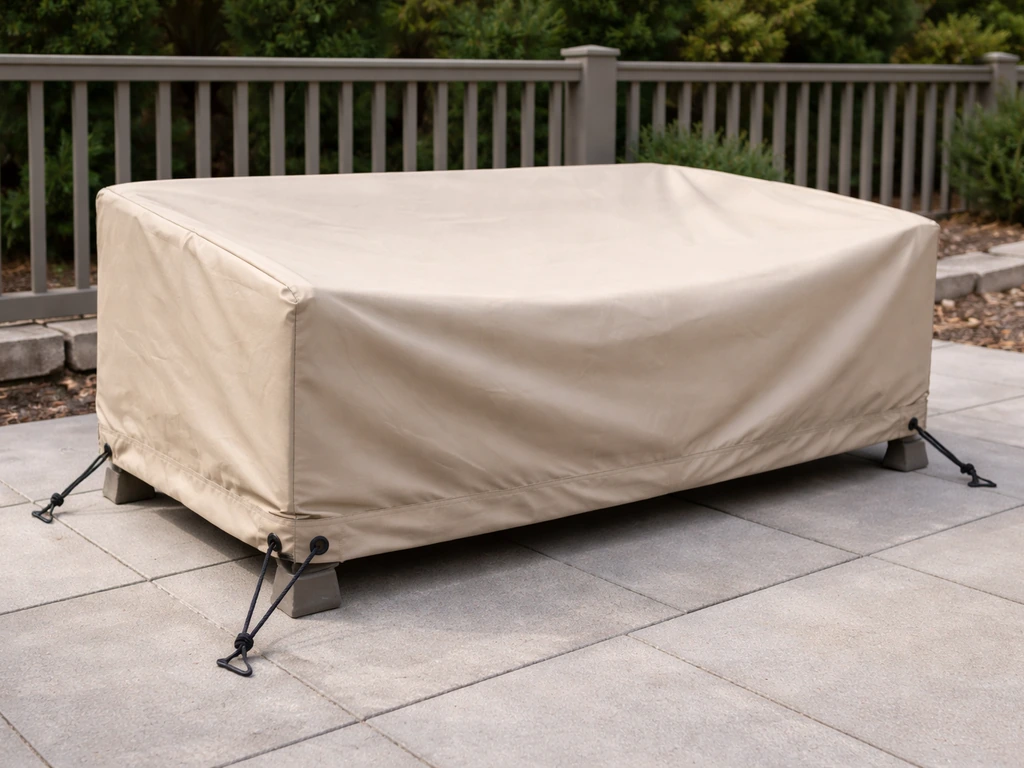
Always go with breathable covers, not plastic tarps pulled tight over everything. Breathable covers allow moisture vapor to escape, which means condensation from temperature swings doesn't get trapped underneath and soak into your furniture over the winter. Fitted covers are better than loose ones because loose covers catch wind, flap, and can hold pooling water in the dips. Look for covers described as solution-dyed, UV-resistant, and mold/mildew-resistant. A good quality cover for a dining set runs $40 to $80 and is well worth it compared to refinishing costs.
One useful trick: leave a slight gap at the bottom of the cover rather than cinching it completely tight to the ground. That small gap allows air to circulate underneath and helps prevent the humid, stagnant microclimate that leads to mildew on frames and fabric. Just make sure the gap isn't so large that wind can get under the cover and lift it off.
Airflow in storage
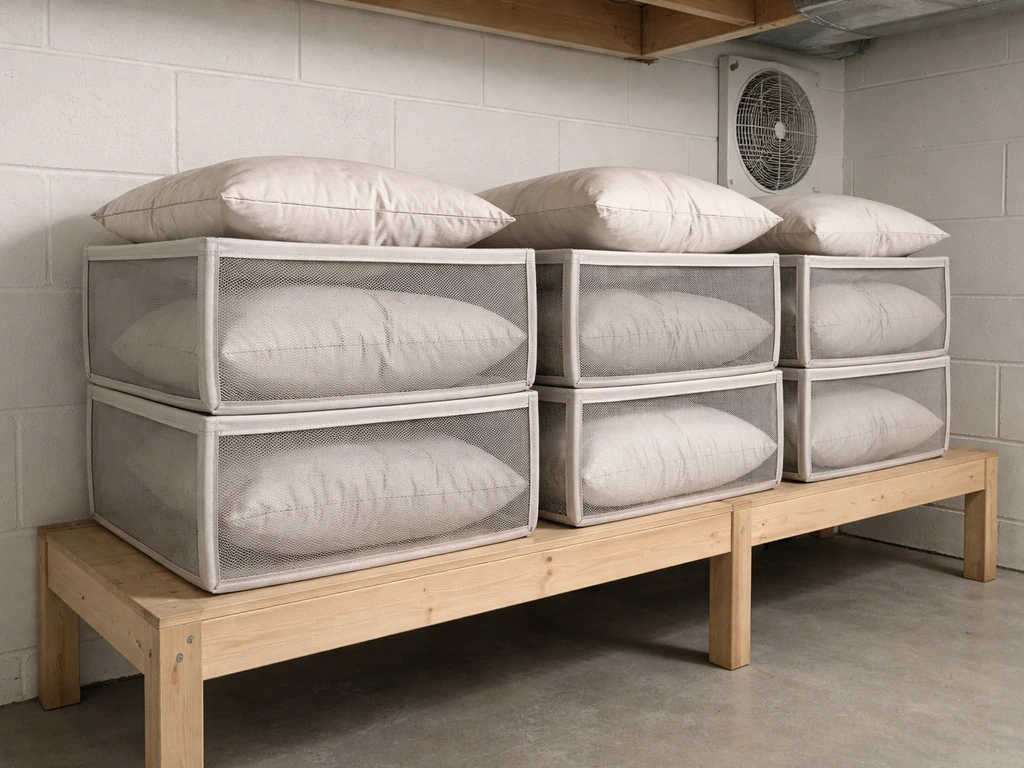
Whether you're storing in a garage, shed, or basement, airflow matters. Don't stack cushions flat in a sealed plastic bin if there's any chance they're not bone dry. Use breathable fabric storage bags or even old pillowcases. Stack furniture pieces so air can pass between them rather than packing things in tightly. If your storage space is prone to humidity, a small desiccant packet in the cushion storage bag helps absorb residual moisture over the winter.
Storage location by climate
In cold climates (anywhere that sees regular freezes and snow), get wood, wicker, rattan, and cushions fully indoors. Aluminum can stay outside under a quality breathable cover. Steel can stay outside only if it's in excellent condition with no paint chips, and even then an indoor spot is better.
In mild climates (think Southern California, coastal Texas, Florida) where freezes are rare or brief, you have more flexibility. Cushions can often stay in a covered outdoor storage bench, as long as that storage isn't sealed airtight and moisture has somewhere to go. Even in mild climates, keeping cushions out of direct rain and dew overnight extends their life significantly.
The guidance on what to do with patio furniture when it rains or during storm events is worth knowing separately, since even mild-climate owners occasionally deal with serious weather. The same approach helps when you are figuring out what to do with patio furniture in a hurricane serious weather.
If you need a quick checklist for how to handle patio furniture during rainy weather, follow the guidance in the main rain section what to do with patio furniture when it rains.
The single biggest mistake I see in storage is rushing furniture in while it's still damp, then sealing it up. You essentially create a dark, warm, humid environment: perfect conditions for mold. Take the extra day or two to dry everything properly. It's the highest-return thing you can do for the lifespan of your outdoor furniture.
FAQ
If the forecast is close to the threshold, can I still take my patio furniture out and just cover it?
Yes, but only if you treat it like a short-term holdout. Bring furniture out after the overnight lows rule is met, then cover pieces you cannot move easily before borderline nights (33°F to 36°F). For those nights, use breathable covers and check morning condensation or frost on joints and seams.
What if my weather app shows different temperatures for the same night, how do I decide when to take patio furniture out?
Use the lowest forecasted temperature overnight at your location, not a nearby city, and ignore daytime highs. If your local forecast shows 36°F nights but the next night drops to 34°F, that one night is enough to trigger the “wait” behavior unless you can fully cover and dry afterward.
Can I follow the temperature rules but still have problems if there was no rain, only dew?
Dew can be enough to matter, especially for fabric cushions and natural wicker. In humid climates, plan an extra drying window before storage and avoid storing right after a clear, calm evening that produced heavy dew. If cushions feel cool or damp to the touch, treat them as damp even if there was no rain.
Do I need to store everything if I have a heater or heat lamps outside?
Battery-powered or adjustable space heaters near furniture can change local conditions and create dry spots, but they do not eliminate freeze risk outdoors. Never use heat sources that can damage covers or create fire hazards, and for freeze warnings it is safer to store cushions and natural wicker indoors rather than trying to “heat the patio.”
If I have covers, can I leave rattan or wicker outside during a hard freeze warning?
If a hard freeze is forecast, rattan or wicker should be brought in before the freeze, not after. The material can crack from one extreme event, even if you had covers on, so plan for indoor storage for those items when freeze warnings appear.
Are plastic tarps ever okay for short overnight cold snaps?
Covering is still useful, but covers should be breathable and not taut like a drum. A tight plastic cover can trap moisture from temperature swings and worsen the same freeze-thaw issues you are trying to prevent, so avoid tarps pulled tight over cushions and metal joints.
How do I know cushions are dry enough to put away, not just dry on top?
Not always, especially for damp or humid climates. If you put cushions away and they feel even slightly cool or clammy, they are not “dry enough,” and mold risk remains. In practice, dry until the fabric feels uniformly dry on both sides, and for stored cushions avoid sealed plastic bins.
What is the fastest priority order if temperatures drop unexpectedly over several days?
If you have a multi-day cold spell, start by prioritizing cushions and natural wicker first, then metal and wood frames. Keep ventilation in mind, so if you bring items indoors, place them where air can circulate rather than stacking them tightly or right against a damp wall.
After a rain incident, can I just clean the furniture and store it the same day?
Rinse is helpful only after you treat mildew, and you still must dry completely before reusing or storing. For general cleaning after rain, focus on drying first, brushing off debris, and then wiping or spot-cleaning if needed. If mildew returns after drying, the foam or substrate may be compromised.
Why does storing hollow metal patio furniture upside down increase damage risk?
Do not store furniture upside down if it has hollow frames, especially in freezing climates. Keep metal right-side up or on its side, and confirm drain holes are not blocked so water does not pool and then freeze inside.
What’s the best way to protect furniture in a garage or shed that gets humid?
For most people, one protective approach is to cover with breathable fitted covers, create a small bottom gap for airflow, and place furniture where runoff cannot pool around feet or legs. If your storage area gets humid, add a desiccant in cushion storage bags and avoid sealing everything in an airtight container.
Can I take furniture out right after a warm week, then deal with rain later if it shows up?
A practical “rule of thumb” is to wait until the weather has stabilized above the put-out threshold, then still plan to dry after any rain. If you bring furniture out and then a three-day wet period hits, you risk mildew even if temperatures are warm enough.