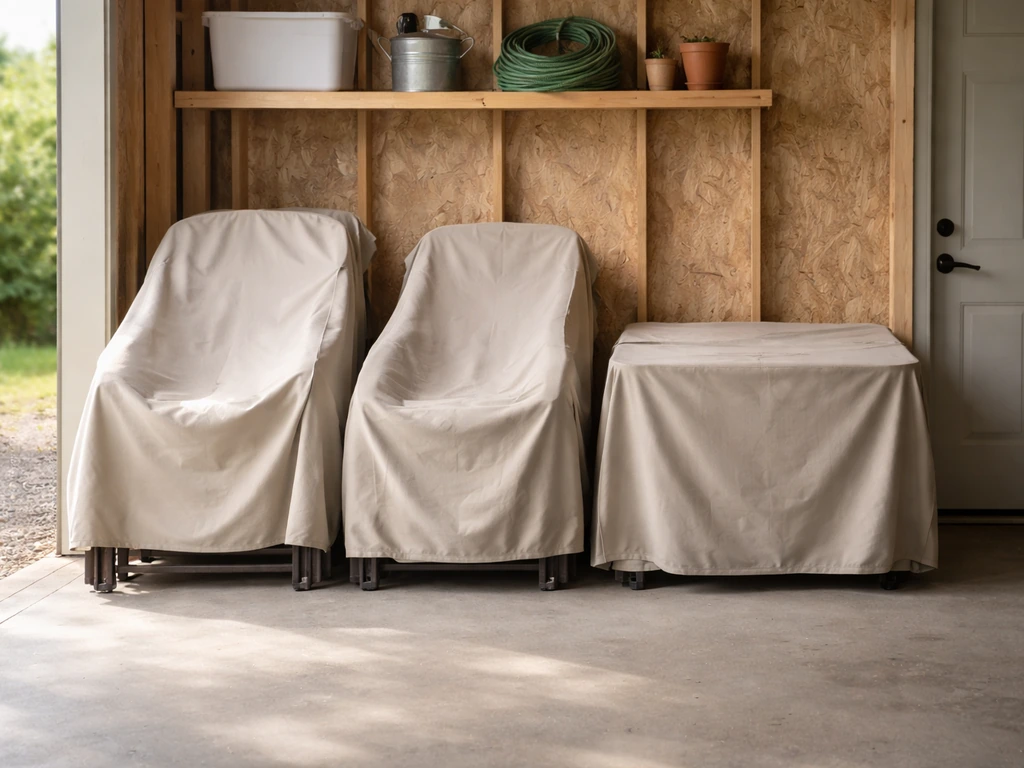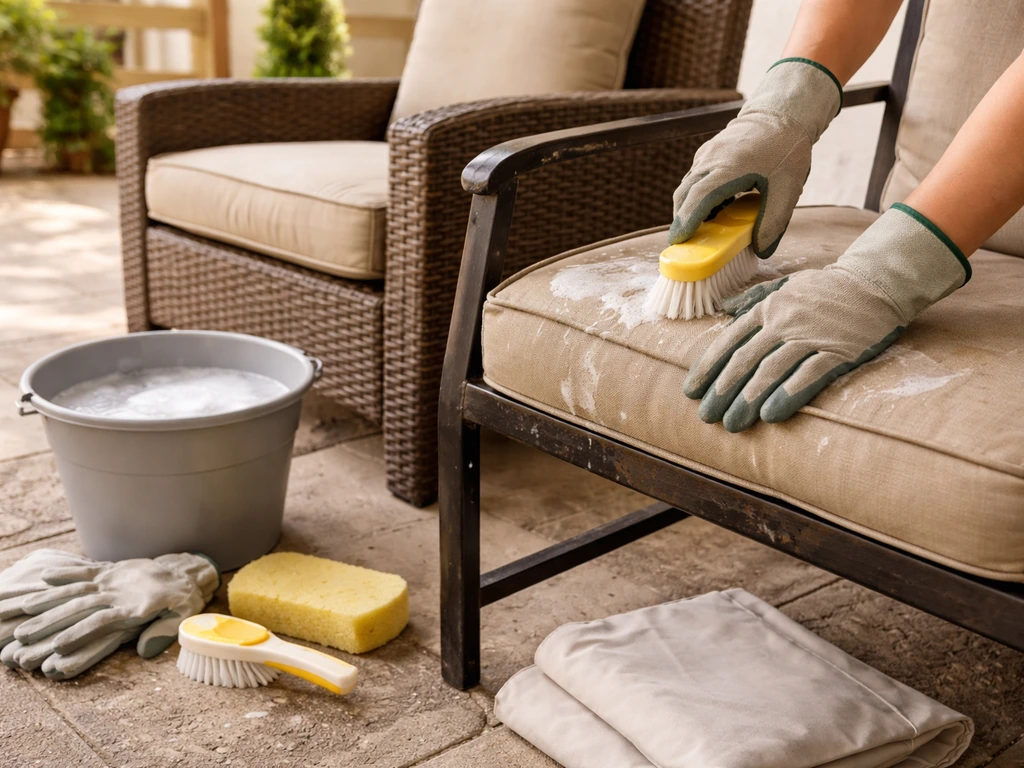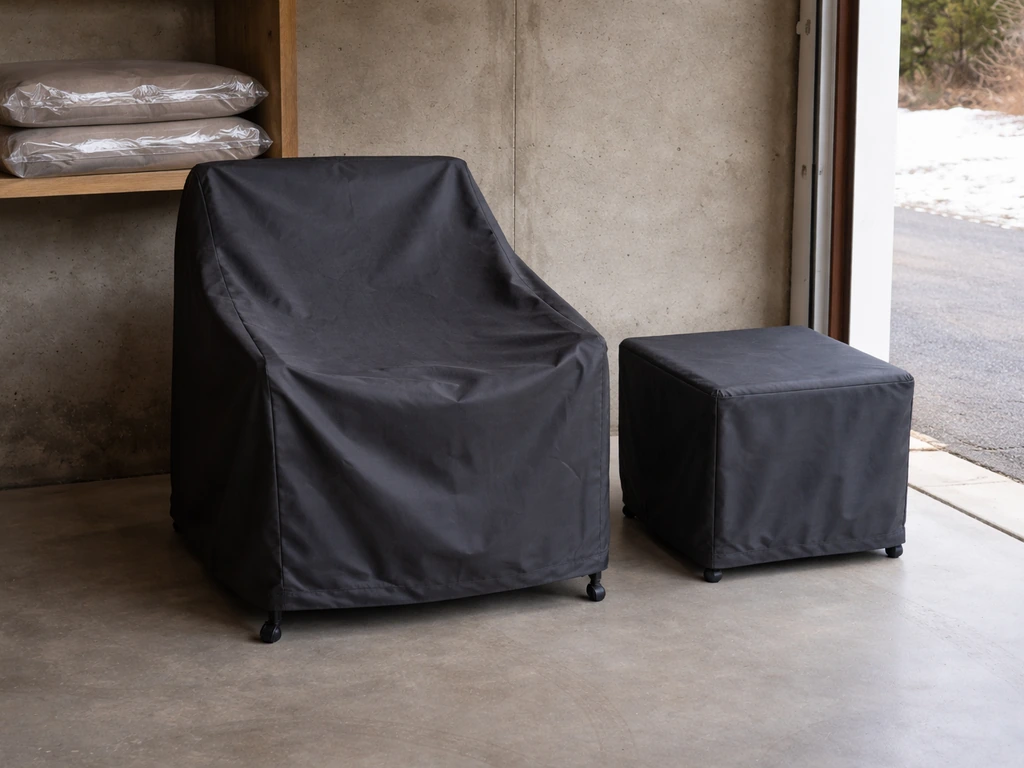
Clean them, dry them completely (this is the part most people skip), fold or roll them based on material, and store them in a breathable container inside a garage, shed, or basement. Traeger’s support guidance also warns not to store a grill cover inside or underneath the grill, since that storage location can trap moisture and promote buildup store them in a breathable container inside a garage, shed, or basement. That's the whole process. The details below will keep you from pulling out a mildew-covered, foul-smelling cover next spring and wishing you'd done it right the first time.
How to Store Patio Furniture Covers to Prevent Mildew

Maren Grady
17 Jun 2026
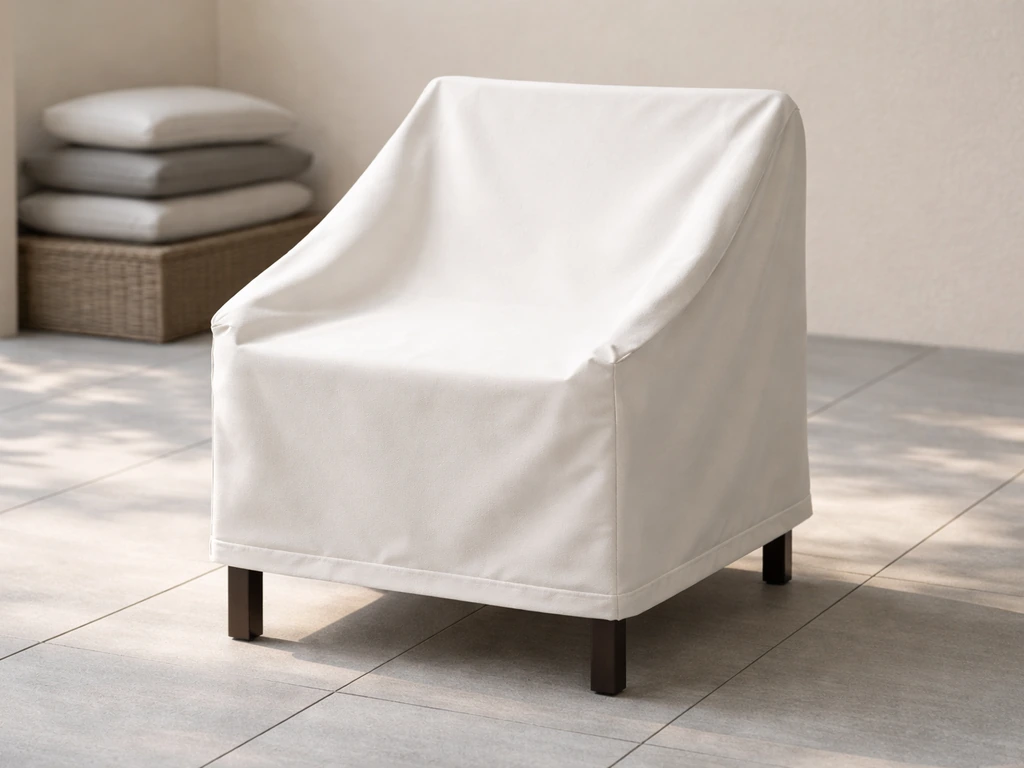
Before you store: clean and dry thoroughly
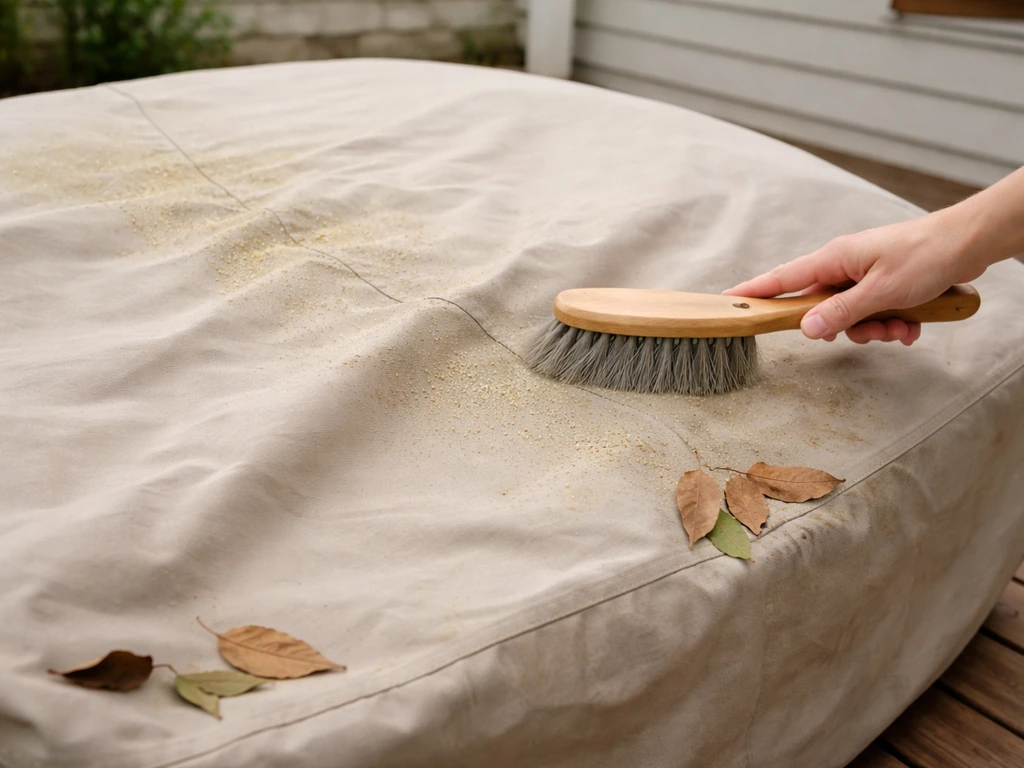
This is the step people rush, and it's the reason covers come out of storage smelling like a wet basement. Any dirt, pollen, or moisture trapped inside a folded cover will create the perfect environment for mildew to take hold over a long off-season. Even a small patch of damp fabric can spread into a full mildew bloom by the time you open that bin in spring.
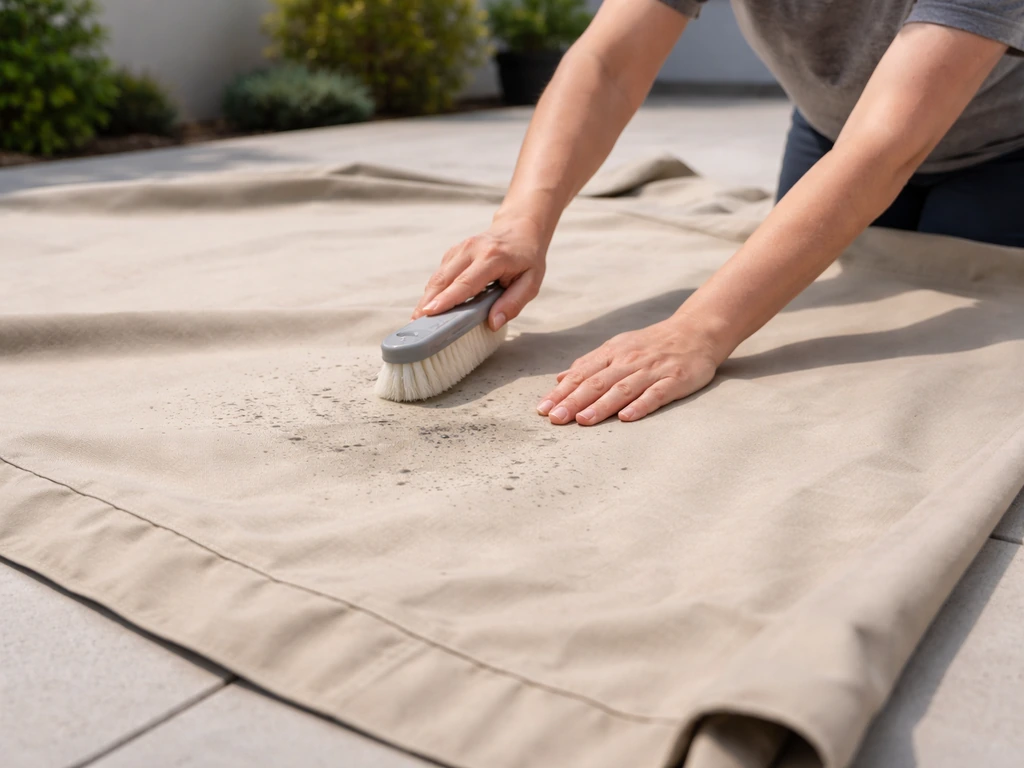
Start by shaking the cover out and brushing off any loose debris, leaves, or pooled water. Then give it a rinse with a regular garden hose. For stains, pollen buildup, or any existing mildew spots, mix a small amount of mild dish soap (Dawn works great) with water and scrub gently with a soft-bristle brush or sponge. Avoid stiff bristle brushes, abrasive pads, bleach, or high-pressure nozzle settings. Pressure and harsh cleaners can damage seams, strip water-resistant coatings, and break down fabric fibers faster than a few seasons of outdoor use ever would.
For stubborn stains on thicker fabric covers, a baking soda and water paste applied to the spot and left for 10 to 15 minutes before scrubbing can help lift the stain without damaging the material. For Sunbrella or other treated performance fabrics, the fabric itself resists mildew growth, but dirt sitting on the surface absolutely doesn't. That's a common misconception that catches people off guard.
After cleaning, rinse thoroughly so no soap residue is left behind, then hang the cover in a shaded, well-ventilated area to air dry completely. Covers & All also recommends hanging patio furniture covers to air dry in a well-ventilated area away from direct sunlight and storing them indoors, such as in a closet, garage, or basement, to help reduce moisture issues blank" rel="noopener noreferrer">hang the cover in a shaded, well-ventilated area to air dry completely. These same drying and storage habits apply when you’re learning how to care for patio furniture between seasons patio furniture cover. Keep it out of direct sunlight during drying since prolonged UV exposure can degrade fabric over time. Never machine dry a patio furniture cover. High heat will damage water-resistant coatings and can cause shrinkage or deformation in stretchy or fitted covers. Give it a full day, sometimes two in humid weather, before you even think about folding it.
Here's a quick pre-storage checklist to run through before packing anything away:
- Shake out debris and brush off loose dirt
- Rinse with a garden hose (low pressure)
- Scrub stains with mild soap and a soft brush
- Rinse again to remove all soap residue
- Hang in a shaded, ventilated spot to air dry
- Feel the fabric on both sides before folding — it should feel completely dry, not just surface-dry
- Optional: apply a fabric protector spray (like a nanoprotector) before folding to help repel moisture next season
Choose the right storage location
The best spot for patio furniture covers is indoors, in a cool and dry location. A garage, basement, shed, or even a closet all work well. The goal is to get them away from humidity, UV exposure, and temperature swings. If you're also figuring out where to store the furniture itself, the logic is similar and the decisions often overlap. If you want the furniture itself protected too, store the frames and cushions in the same cool, dry indoor space and keep them covered from moisture how to store patio furniture itself.
Garages and sheds are the most common choice and they work fine, but there's a catch: both can get humid, especially in spring and fall. If you're storing covers in a garage or shed, put them in a waterproof container rather than just tossing them on a shelf or hanging them loosely. A sealed plastic bin will block outside moisture from seeping in during damp months.
Basements and interior closets are actually better than garages in terms of temperature stability, but watch out for basements that get damp in summer. If your basement runs humid, a sealed bin with a small desiccant pack inside is your best insurance. An interior closet is arguably the easiest option if you have the space, and it keeps covers totally protected from garage pests and seasonal temperature swings.
What about storing covers outside? It can work short-term, like between uses during the active season, but it's not great for long-term off-season storage. If you need the best way to store patio furniture outside, a weatherproof box plus good drying and ventilation makes the biggest difference store them outside. UV exposure breaks down fabric and coatings over time, and leaving covers outside through winter or a long rainy season will shorten their lifespan considerably. If outdoor storage is your only option, at minimum get them into a weatherproof deck box with a latching lid.
| Storage Location | Best For | Main Risk | Fix It With |
|---|---|---|---|
| Garage | Most homeowners, easy access | Humidity and pests | Waterproof sealed bin |
| Shed | Seasonal storage, larger covers | Moisture, temperature swings | Waterproof bin + desiccant |
| Basement | Temperature-stable long-term storage | Humidity in summer | Sealed bin + desiccant pack |
| Interior closet | Best all-around protection | Space limitations | Compression storage bag |
| Deck box (outdoors) | Short-term or active-season use | UV exposure, heat buildup | Ventilated box, shade placement |
| Under/inside furniture | Avoid entirely | Trapped moisture, no airflow | Move it indoors instead |
Best storage methods: folding vs rolling vs hanging
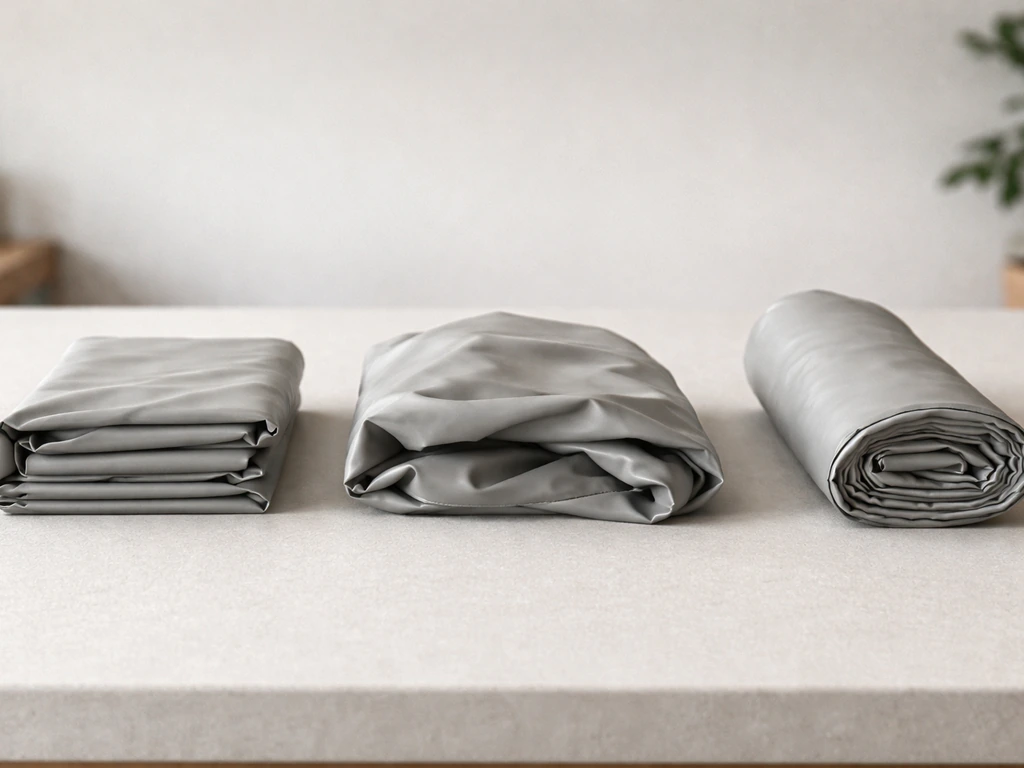
How you store the physical cover matters more than most people think. Fold it wrong and you create permanent crease lines that weaken the fabric and make the cover harder to fit next season. Store it in the wrong shape and stretchy materials can deform. Here's how to handle the three main cover types.
Waterproof and vinyl covers
Vinyl and heavy waterproof-coated covers should be folded gently rather than tightly, avoiding sharp crease lines that can crack the coating over time. Fold loosely into thirds or quarters, then roll lightly from one end. Rolling is actually gentler on these materials than sharp folding because it distributes stress across the surface instead of concentrating it at fold lines. Don't compress them too tightly. If possible, store flat in a large bin rather than stuffed into a small bag.
Breathable fabric covers (polyester, Sunbrella-style)
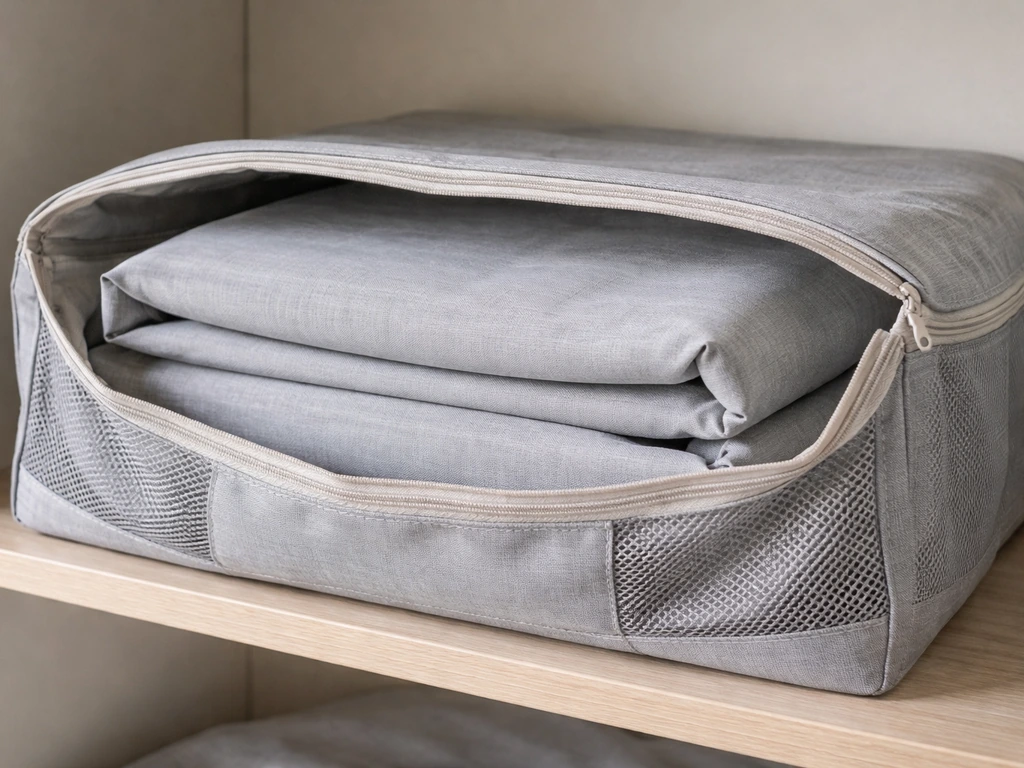
These are more forgiving. Fold neatly into a manageable rectangle, then store in a breathable fabric bag or a bin with some ventilation. Because these fabrics breathe, a fully sealed airtight container isn't strictly necessary, but it's still worth using one if your storage area gets humid. Avoid compressing them down to the smallest possible size since that creates stress points in the seams.
Stretchy and tarp-style covers
Stretchy covers made from elastic-hem or fitted designs can lose their shape if stored under pressure. Fold loosely and store flat or loosely rolled. Never stuff these into a tight ball or pack heavy items on top of them. Tarp-style covers respond well to rolling: lay flat, fold in the sides, then roll from one end toward the other so the cover holds its shape and can be unrolled without a fight next season.
Hanging is another option worth knowing about, especially if you're working with limited shelf or bin space. A few heavy-duty hooks in the garage or shed can hold folded covers flat without compressing them. This works particularly well for single-chair or loveseat covers that aren't bulky. Just make sure they're hanging away from any moisture sources or drafts, and not bunched up tightly on the hook.
How to prevent mildew, odors, and fabric damage
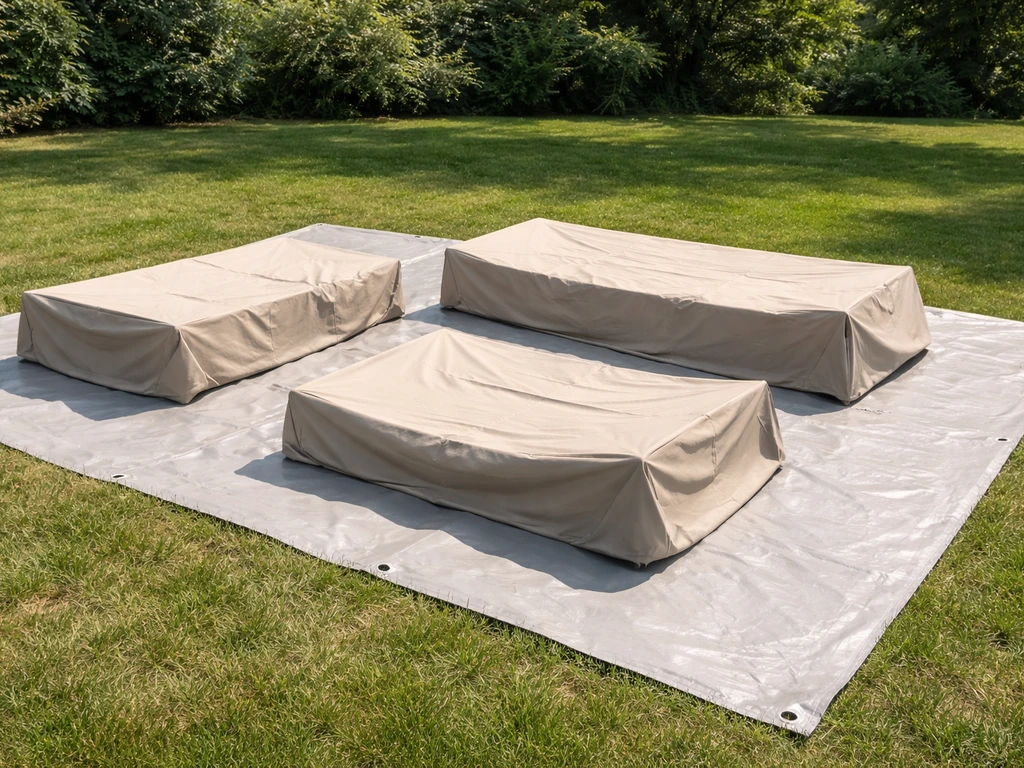
The single biggest cause of mildew in stored covers is packing them away before they're fully dry. I know I already said that, but it's worth repeating because it's that common. The second biggest cause is storing them in a location with poor airflow where ambient moisture has nowhere to go.
Once you've nailed the drying step, here's how to stay ahead of mildew and odors through a long storage season:
- Add a desiccant pack (silica gel) inside sealed bins to absorb any residual moisture
- Use a breathable storage bag for fabric covers if your space is naturally dry — this allows minor moisture to escape rather than trapping it
- Apply a fabric nanoprotector or water-repellent spray after cleaning and before storage to give the fabric an extra barrier when you pull it out next year
- Don't stack heavy items on top of stored covers since sustained pressure can degrade water-resistant coatings and crease seams permanently
- Store in a cool location — heat accelerates breakdown of waterproof coatings and synthetic fabrics
- Avoid storing covers directly on concrete floors since concrete wicks moisture; use a shelf, bin, or at minimum a piece of cardboard underneath
Odors that aren't from mildew usually come from trapped dirt or residual cleaning product. A thorough rinse before drying will handle most of it. If covers still smell faintly musty even after cleaning, a light sprinkle of baking soda on the folded cover inside the storage bag, left for a day before sealing it up, can help absorb any remaining odor.
Protect against pests, wind, and damage during the off-season
Rodents love soft nesting material, and a loosely stored patio furniture cover sitting on a garage shelf is an open invitation. Mice can chew through fabric and leave behind damage and droppings that aren't fun to discover in spring. The best protection is a hard-sided plastic bin with a tight-fitting lid. Fabric bags and soft totes won't stop a determined mouse.
If you want an extra layer of pest deterrence, mothballs can work but they come with real downsides: the smell transfers to fabric and lingers, and they require careful handling. If you go that route, the mothballs need to be sealed inside a separate airtight container or bag with the cover, not just tossed in loosely. Vapors need to stay concentrated to be effective, and loose mothballs in an open bin are more of a hazard than a solution. Cedar blocks or cedar chips are a gentler, smell-friendly alternative that deters insects without the chemical concerns.
Wind is the other major off-season issue, but that's really a problem for covers still on the furniture rather than covers in storage. If you're leaving some covers outside on furniture during shoulder seasons (early fall, late spring), make sure the cover's straps, buckles, and elastic hems are properly secured. A cover that's blowing around loose will wear out at the seams and edges much faster than one that's snug. For long-term off-season storage, the covers should be off the furniture and inside anyway.
Seasonal timing and organizing multiple covers
The best time to store patio covers for the off-season is after the last stretch of use in fall, once you've had a dry day to clean and air them out. Don't wait for the first hard freeze and rush to pull everything inside damp. Aim for a dry weather window in late October or early November in most climates, though that window shifts depending on where you live. If a big storm or heavy snowfall hits while covers are still on the furniture, shake off any accumulated snow promptly so the weight doesn't stress the cover material or seams.
When it's time to bring them back out in spring, don't just pull them out and immediately put them on the furniture. Give them a quick air-out first, especially if they've been in a garage or shed. Check for any mildew, odors, or damage before fitting them over cleaned furniture. Catching a small problem in spring is much easier than discovering a ruined cover mid-summer.
If you're managing covers for a full patio set (dining table, chairs, sofa, side tables), organizing them so you can grab the right one without digging through a pile saves a lot of frustration. A few practical approaches:
- Label each cover with masking tape and a marker before storing — 'dining table,' 'loveseat,' '4-chair stack' — so you're not guessing sizes next spring
- Store larger covers at the bottom of a bin and smaller ones on top since you'll likely grab the smaller ones first
- If you have multiple bins, label the outside of the bin too
- Keep a small zip-lock bag taped to the inside of the bin lid with any extra buckles, straps, or tie-down cords so they don't get lost
- Take a quick photo of the covers on the furniture before removing them each fall so you have a reference for fit and placement next spring
What to do if your cover already has mildew or is still damp
If you've pulled out a cover that already smells musty or has visible mildew spots, don't just re-wash and immediately re-store it. The mildew is telling you something went wrong in the storage process, and doing the same thing again will give you the same result.
For mildew treatment, take the cover outside first. Brush off any loose mildew with a soft brush, then treat the affected area with a mild soap and water solution. For heavier mildew on non-treated fabrics (not Sunbrella or coated vinyl), a diluted white vinegar solution (one part vinegar to four parts water) can be effective. Avoid bleach on any coated or treated fabric cover. Scrub gently, rinse thoroughly, and then let the cover air dry completely in a shaded, ventilated area. This might take a full day or two. Don't rush it.
For covers that came out still damp from storage (not fully dried before storing), follow the same process: spread them out flat or hang them to dry fully before doing anything else. Even if there's no visible mildew yet, a damp cover that gets re-stored will almost certainly develop mildew before you check on it again.
After treating mildew and fully drying the cover, reassess whether it's worth keeping. Light surface mildew that cleans off without leaving staining or degraded fabric is fine to store again using the correct process. Deep-set mildew that has weakened the fabric, left permanent staining through the coating, or created a persistent smell even after cleaning is a sign the cover has reached the end of its useful life. At that point, replacing it is more practical than continuing to fight a losing battle.
One thing worth noting here: if you're also dealing with how to store the patio cushions that go with your furniture, the mildew prevention logic is nearly identical. If you’re wondering how to store patio cushions during the off-season, focus on getting them completely dry and keeping moisture out of their storage space how to store the patio cushions. Cushions just need their own approach for the foam cores. Similarly, if you're thinking about the broader question of how to store the furniture itself for winter, or specifically how to use your garage space, those decisions often tie directly into how much room you have for cover storage and what container options make sense.
FAQ
Can I store patio furniture covers in the same day after I rinse them?
Yes, but only if you can guarantee the cover is completely dry first. Air-dry in a shaded, well-ventilated spot for a full day, sometimes two in humid weather, then store in the same breathable container and keep the lid slightly open or use a container that is not airtight if your storage area is humid.
What if I have no time to fully dry the covers before putting them away?
If you must pack them while slightly damp, you should change the plan: lay them flat and open-air dry as soon as possible after storage, ideally within 24 to 48 hours. Otherwise, mildew can start in the folds and you may not notice until spring.
Is it okay to fold covers as tightly as possible to save space?
For long-term storage, avoid compressing any cover into a tight ball or squeezing it into a smaller space than it naturally fits. Tight compression increases stress at seams and can deform stretchy or fitted designs, and it can also create crease lines that shorten the cover’s lifespan.
How do I keep mice from getting into stored patio covers?
Use hard-sided storage with a tight-fitting lid (or at least a sealed waterproof bin) if rodents are common. Soft totes and fabric bags do not stop chewing, and you may discover holes and droppings later in the season.
Do mothballs work for preventing mildew and pests in stored covers?
Don’t rely on mothballs placed loosely in a storage bin. If you use them at all, they must be sealed in a separate airtight container, otherwise the odor can transfer into fabric and linger. Many people find cedar chips or cedar blocks are easier to manage because they deter insects with less lingering smell.
What should I do if I open the bin and find mildew on the cover?
If you see mildew when you open a stored cover, treat and fully dry it before returning it to storage. For non-coated or non-treated fabrics, a diluted white vinegar solution (one part vinegar to four parts water) can help, but you should avoid bleach on coated or treated covers. After cleaning, air dry for at least a full day and check again.
If the mildew is only on one corner, can I just treat that area and re-store?
A single mildew spot usually spreads if it stays damp. Brush off loose growth, clean the affected area gently, rinse thoroughly, then air dry the entire cover. Spot-treating without fully drying can still lead to hidden mildew in folds.
Why do covers smell musty even after washing them?
If you stored covers in a garage or shed and they smell musty even after washing, try odor absorption before sealing. A light baking soda sprinkle inside the storage bag, left for a day before sealing up, can help absorb lingering odor that cleaning alone did not remove.
Can I store patio furniture covers in a breathable bag instead of a plastic bin?
Yes, if it’s genuinely breathable storage and the cover is fully dry. However, if your storage space is humid or temperatures swing, use a sealed waterproof container with desiccant rather than leaving it exposed in an open bag.
Is it ever okay to store patio furniture covers outside during winter?
In most climates, storing outside for the off-season shortens lifespan because UV and winter weather degrade fabrics and water-resistant coatings. If outdoor storage is unavoidable, use a weatherproof deck box or similar latching weatherproof container, and prioritize drying and ventilation before closing it up.
Should I air out covers before putting them back on my patio furniture in spring?
When you bring covers out in spring, do a quick inspection for mildew, odors, and any seam damage before installing. Also air them out first if they were stored in a garage or shed, since trapped moisture odor can develop without visible mildew.
What’s the easiest way to organize covers for a full patio set?
Keep covers organized by type and size so you are not stretching, refolding, or cramming them repeatedly. Label containers or use separate bins for dining chairs, seat cushions, and larger pieces, so you can grab the right cover without digging through a pile.
Can I machine dry a patio furniture cover to speed up drying?
Do not machine dry, and avoid high heat drying methods. Heat can damage water-resistant coatings and can cause shrinkage or deformation, especially for fitted or stretchy covers.