The best way to store patio furniture is to get it completely clean and dry first, then move it indoors if you can (garage, basement, shed), use a breathable waterproof cover if you can't, and always separate cushions and store them inside. That single habit of keeping moisture out is what separates furniture that lasts 15 years from furniture that rusts, molds, or warps after two winters.
How to Store Patio Furniture: Step-by-Step Guide
Maren Grady
21 May 2026
Where should you actually store it? Indoors vs. covered patio vs. outside
Your storage location matters more than almost anything else. For more on how to store patio furniture covers, see the next sections on choosing the right cover and keeping moisture from building up. Here's the honest ranking from best to okay to last resort:
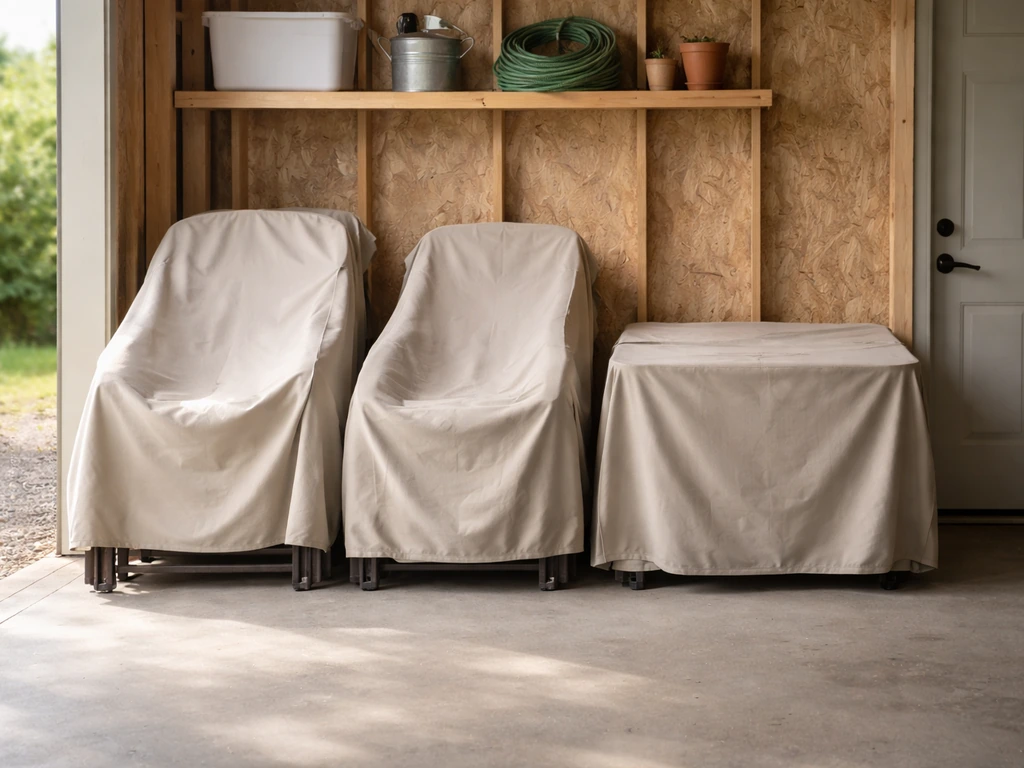
- Indoors (garage, basement, shed): This is the gold standard. Out of rain, snow, UV, and humidity swings. If you can fit even part of your set inside, prioritize it. Metal chairs stack surprisingly tight, and a folded table takes up less space than you'd think.
- Covered patio or carport: A solid roof overhead cuts UV exposure and keeps direct rain off. You'll still need covers and good airflow, but this is a workable middle ground for mild climates or shoulder-season storage.
- Outdoors with full covers: This is the last resort, not the plan. Covers are not a substitute for a roof. They work, but they require the right cover type, proper fit, and regular check-ins to stay effective.
If garage space is tight, think vertically. Chairs can be stacked four or five high against a wall, a table can be tilted on its side, and you can often clear one parking bay without losing the second. If you're working specifically with a garage space and figuring out layout, there's a deeper dive worth reading on storing patio furniture in a garage. For purely outdoor storage, there are specific strategies for making that work as safely as possible. But let's walk through the full process regardless of where you land.
Do this before you store anything: the prep checklist
Skipping prep is the number one mistake I see. People just drag furniture into the garage or throw a cover on it and wonder why it's rusty or moldy come spring. Moisture trapped during storage is the real enemy, not the storage location itself. Give yourself a couple of hours to do this right.
Clean everything thoroughly
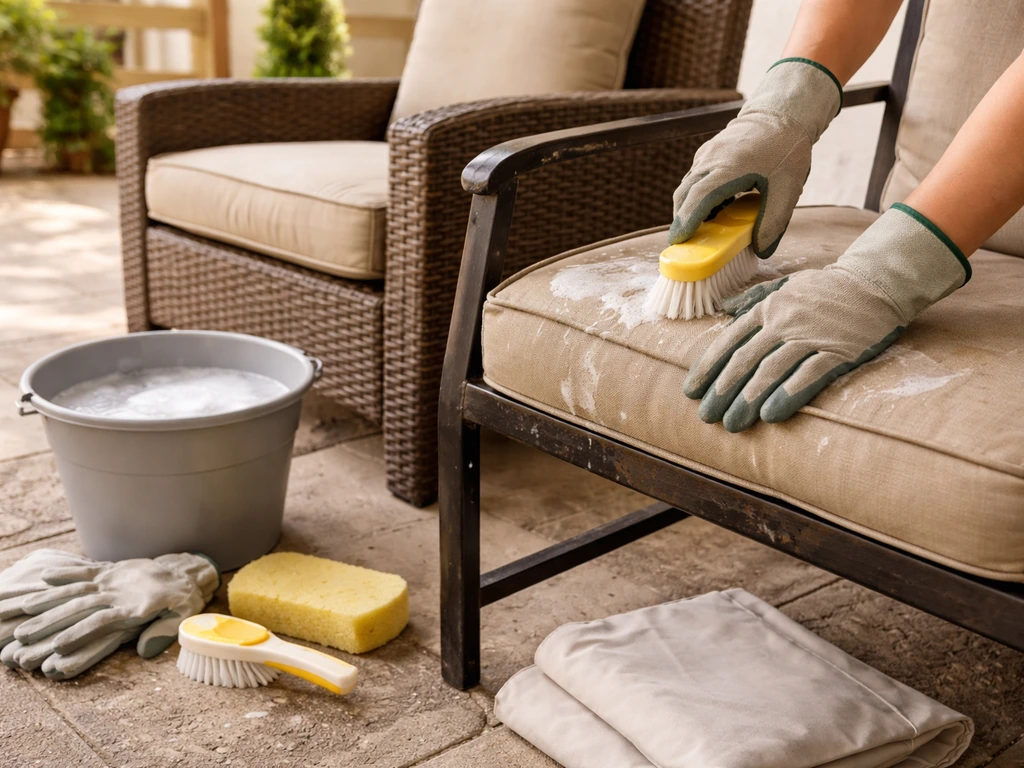
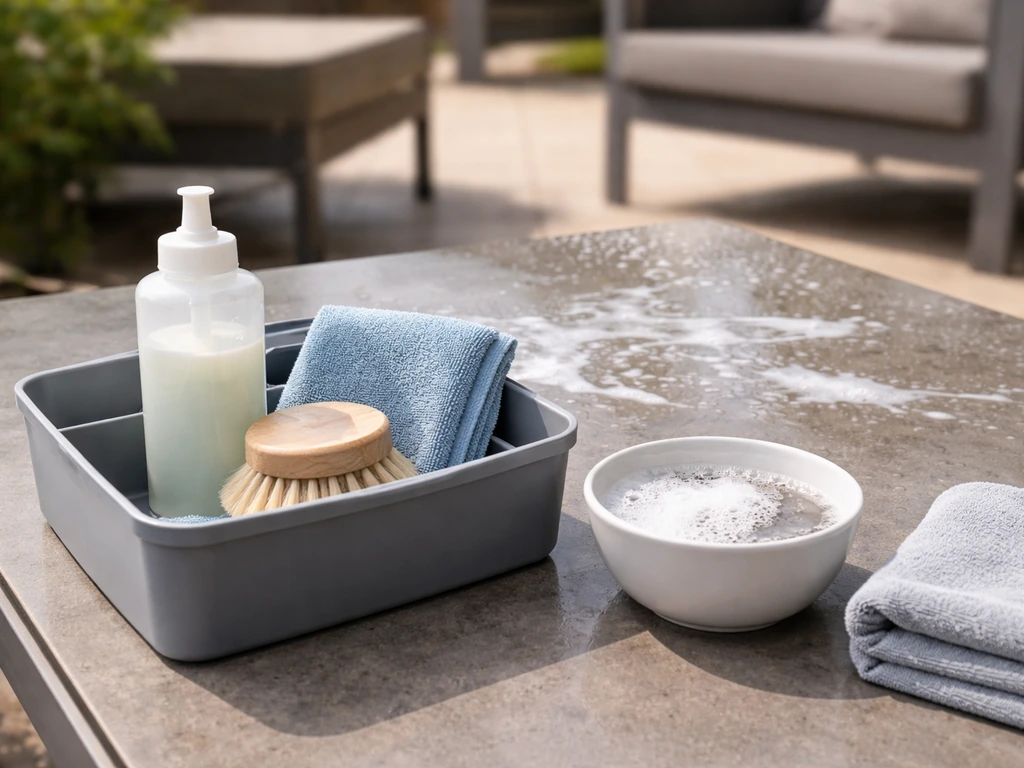
Wipe down every surface with a mild soap and water mix. Get into joints, crevices, and underside rails where dirt and organic material collect. That gunk holds moisture and accelerates rust and mildew. For stubborn spots on metal, a soft-bristle brush works well. Rinse completely and make sure no soap residue is left behind.
Dry completely before anything else
This step sounds obvious, but it's where most people cut corners. The Home Depot's own care manuals emphasize it twice: completely dry before storage. Let furniture air-dry in the sun for at least a full day after cleaning. Hollow metal frames and wicker weaves can hold moisture inside even when they look dry on the surface. If you're storing soon after rain, wait an extra day.
Check for damage and loose hardware
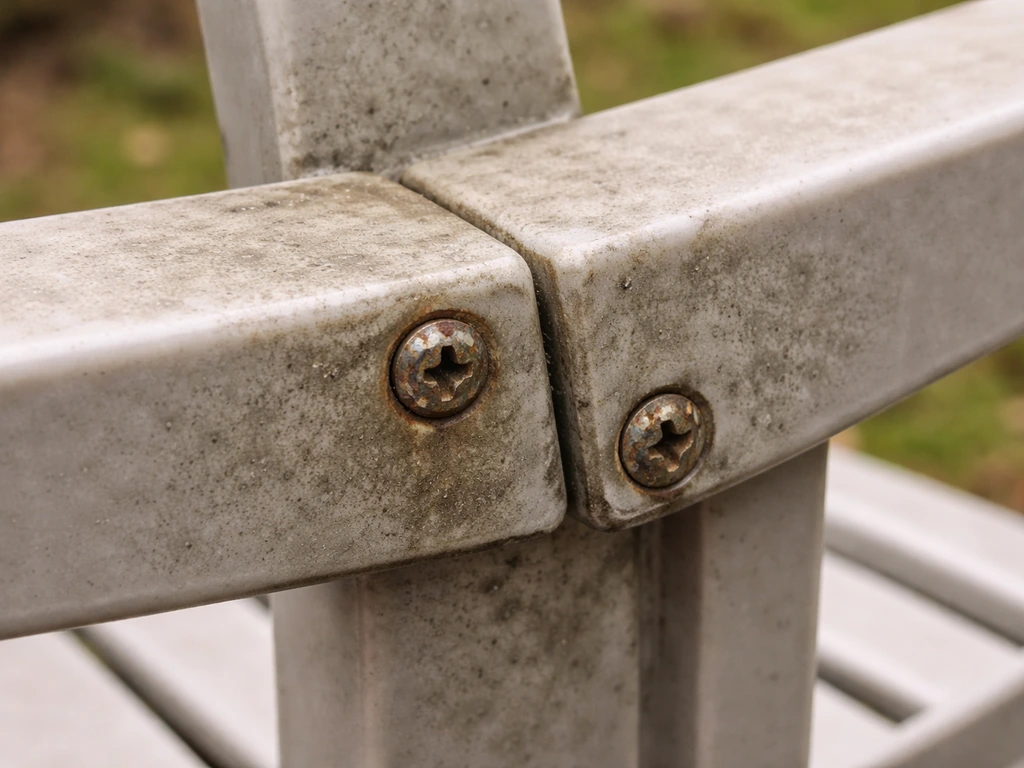
Now is the time to catch problems before they get worse over winter. Tighten any loose bolts or screws. Look for rust spots on metal joints. Check wicker for pulled or broken strands. Look at wood for cracking or splitting. It's much easier to fix things in the fall than to discover them in the spring when you want to be using the furniture.
Apply protective treatments where needed
A little prevention here saves big repairs later. Touch up any rust spots on metal with a rust-inhibiting primer before storing. Apply teak oil or sealant to wood if it hasn't been done recently. For powder-coated aluminum, a light coat of car wax adds an extra moisture barrier over the season. For wicker, a UV-protectant spray can help keep the fibers from drying and cracking.
- Clean all surfaces with mild soap and water
- Rinse off all soap residue
- Air-dry fully for at least one day (longer for hollow frames or wicker)
- Tighten all bolts, screws, and hardware
- Spot-treat rust with rust-inhibiting primer
- Apply sealant or oil to wood surfaces
- Apply protective wax to powder-coated aluminum
- Remove and store cushions separately (more on this below)
Storage by material: what each type actually needs
Not all patio furniture has the same vulnerabilities. Here's what to focus on based on what you've got.
Metal (aluminum, steel, iron)
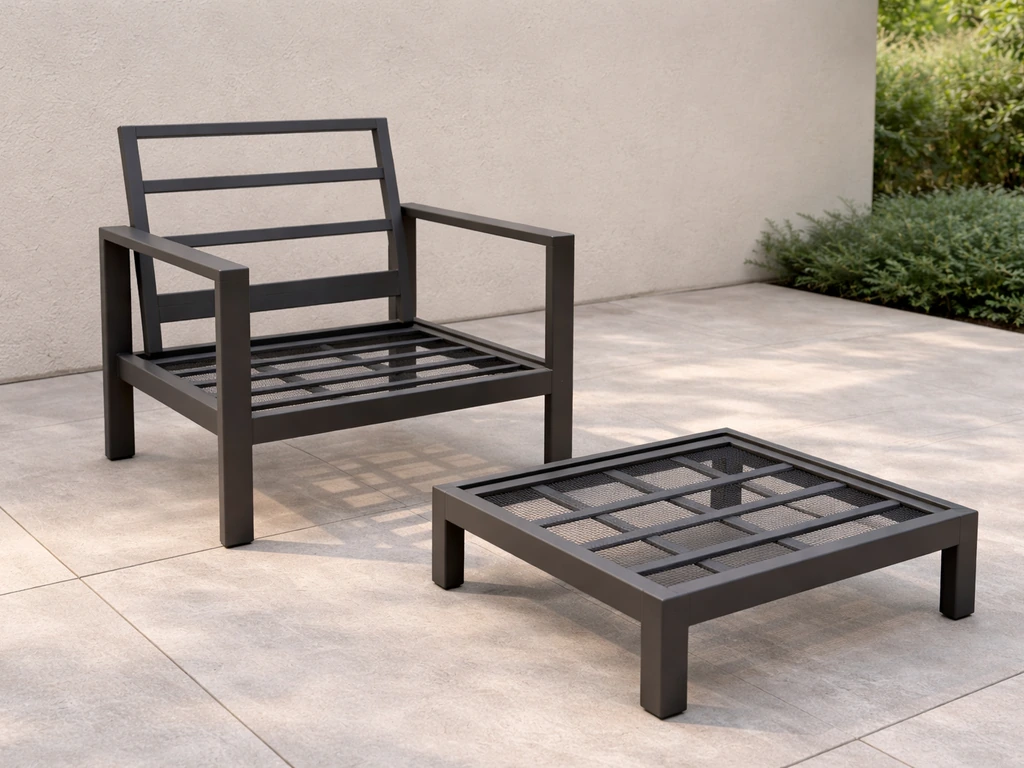
Metal furniture's main risk is moisture getting into joints, welds, and hollow frame sections where rust can start from the inside out. Home Depot’s outdoor metal furniture care guidance also stresses preventing moisture during winter storage, since moisture inside frames, joints, and other enclosed areas can lead to rust [moisture getting into joints, welds, and hollow frame sections](https://images. thdstatic. com/catalog/pdfImages/a1/a17d5063-d281-4d4e-9e03-5e3b8c6044ef.
pdf). Powder-coated aluminum is the most forgiving and genuinely handles UV and moisture well, but it still benefits from a cover during extended off-season storage. Wrought iron and steel are the most rust-prone and absolutely need indoor storage or a well-fitted cover plus spot-treating any chips or scratches in the finish before storing.
Elevate metal furniture slightly off concrete garage floors, even with small rubber blocks or boards, because concrete wicks moisture and keeps the base of the legs perpetually damp.
Wood (teak, cedar, acacia, eucalyptus)
Wood's two main enemies are moisture and UV, and here's the counterintuitive part: a fully sealed, non-breathable cover on wood furniture can actually cause more damage than leaving it uncovered, because it traps humidity and creates a damp microclimate underneath that promotes mold. Teak experts specifically warn against covers that don't allow the wood to breathe. If you're covering wood outdoors, use a breathable cover and leave the bottom open slightly for airflow. Better yet, store wood furniture indoors in a ventilated space. Don't store it in a completely sealed, unventilated area either. The goal is stable, dry air with some circulation.
Wicker and rattan
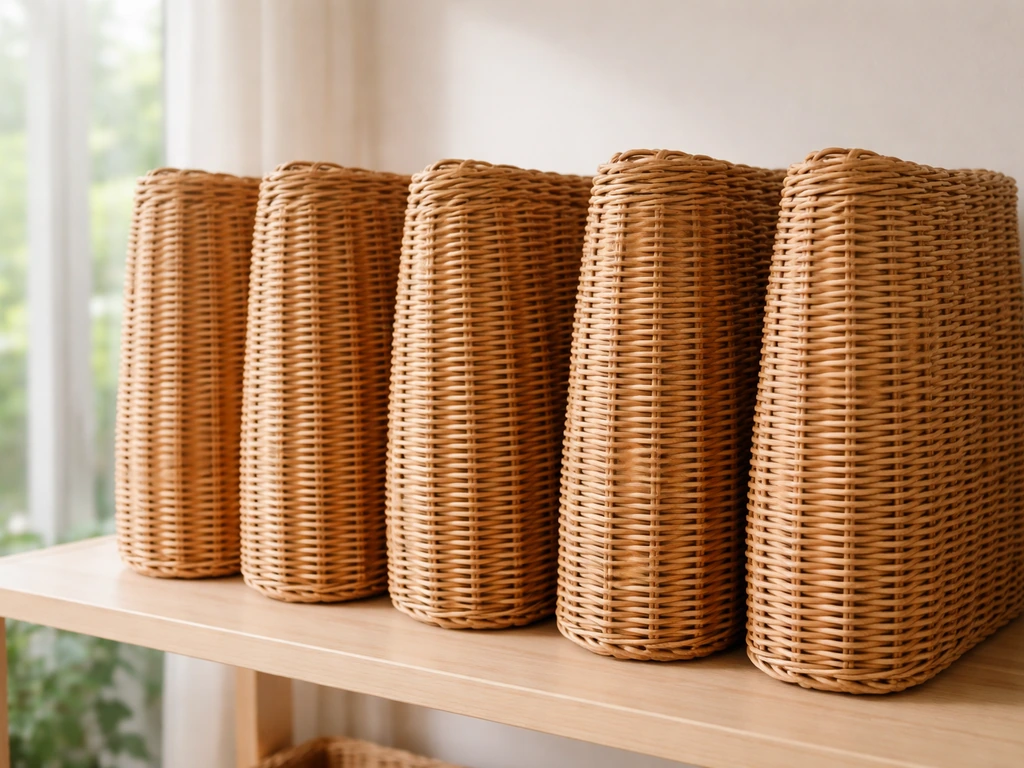
Natural wicker is the most vulnerable material you can have outdoors. Rain and humidity get into every crevice and hollow, and once mold gets into the weave it's nearly impossible to fully clear out. It also causes the fibers to sag and lose their shape. Natural wicker should always be stored indoors, full stop: a dry garage or storage shed is ideal. Synthetic resin wicker is much more forgiving and can handle outdoor storage under a cover, but it still does better inside for extended winter storage. Either way, make sure it's bone dry before it goes into storage.
Plastic and resin
Plastic and resin furniture is the easiest to store. Its main storage enemy is UV fading, which happens even through light covers over time. If you're leaving plastic furniture outside for a season, a UV-blocking cover makes a real difference. Otherwise, plastic chairs stack efficiently and can go almost anywhere dry. They don't rust, rot, or mold the way other materials do, but they can crack in extreme cold if left outside without any protection.
| Material | Biggest Risk | Best Storage Location | Must-Do Before Storing |
|---|---|---|---|
| Powder-coated aluminum | Moisture in joints | Indoors or covered patio with breathable cover | Dry fully, apply car wax to finish |
| Wrought iron / steel | Rust | Indoors strongly preferred | Touch up all chips with rust-inhibiting primer |
| Teak / hardwood | Moisture trap and UV | Indoors in ventilated space | Oil or seal, use only breathable cover if outside |
| Natural wicker / rattan | Mold, sagging, shape loss | Indoors only (garage or shed) | Dry completely, UV-protectant spray optional |
| Synthetic resin wicker | Extended UV fading | Indoors preferred, covered outdoor okay | Wipe clean and dry fully |
| Plastic / resin | UV fading, cold cracking | Anywhere dry, stack to save space | Clean and dry, UV cover if left outside |
Storing cushions and upholstery: this is not optional
Cushions should always be removed and stored separately from the furniture frames. Always. Even if you put a cover over the whole setup, leaving cushions on the chairs through winter is how you end up with black mold in the foam and fabric that smells like a wet basement. Here's what to do with them.
- Clean first: Brush off any loose debris, then wash the covers or spot-clean the whole cushion with a mild soap and water solution. For removable covers, hand-wash or machine-wash only if the manufacturer allows it.
- Dry completely: This is non-negotiable. Even a slightly damp cushion in a storage bag will be covered in mold by spring. Lay cushions flat in the sun until they are dry all the way through, not just on the surface. Foam takes longer than fabric.
- Store inside wherever possible: A cool, dry interior space is ideal. The basement, a spare closet, or the garage all work. Avoid anywhere with humidity swings or prone to dampness.
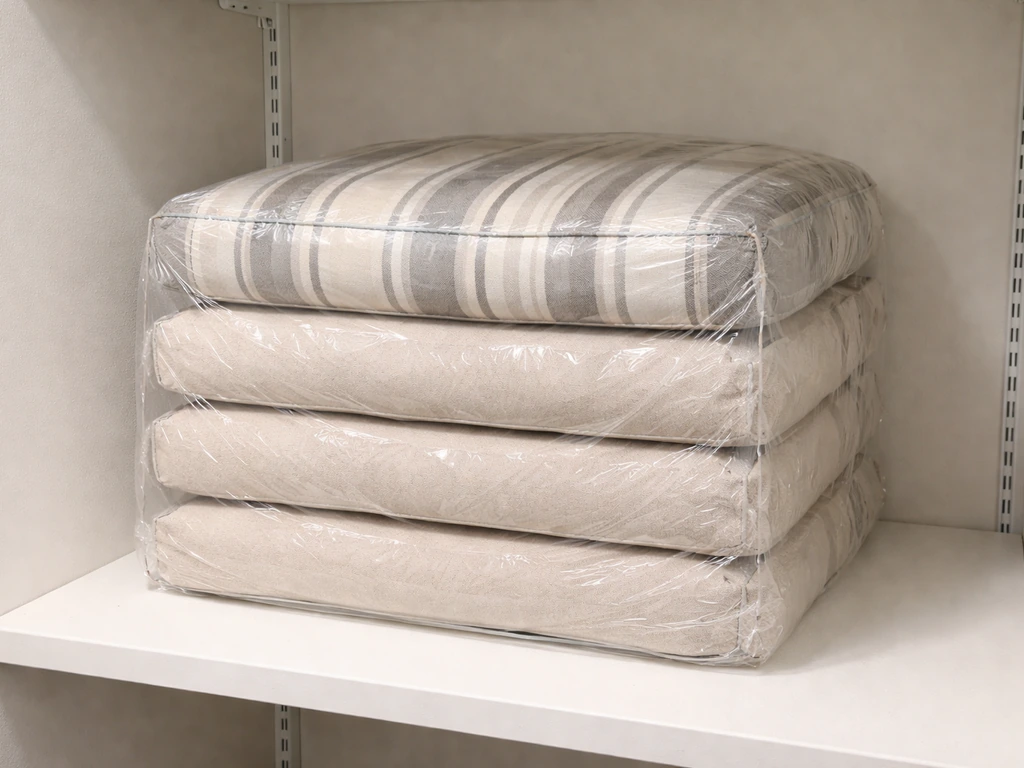
- Use the right storage bag: Cushion storage bags keep dust and pests off, but be aware that most standard cushion bags are not waterproof. If you're storing in a space that could get damp, use an airtight bag or a plastic tote with a lid. If airflow is the concern, a vented bag helps prevent condensation buildup inside.
- Stack or stand them flat: Don't fold foam cushions for long-term storage as it can compress or crack the foam. Lay them flat or stand them on edge in a dry tote.
If you have chair pads, bench cushions, or sling-back replacements that are worn out, this is a good time to assess them before storing. Storing damaged cushions for winter just means pulling out damaged cushions in the spring. There's a full guide specifically on how to store patio cushions that goes deeper into this if you've got a larger cushion set to manage.
Covers that actually work: breathable, fitted, and secured
A cheap, non-breathable tarp is worse than no cover at all for most furniture. It seals moisture in, creates a greenhouse effect underneath, and encourages the exact mold and mildew you're trying to prevent. Here's what actually works.
Breathable vs. 100% waterproof: why breathable wins
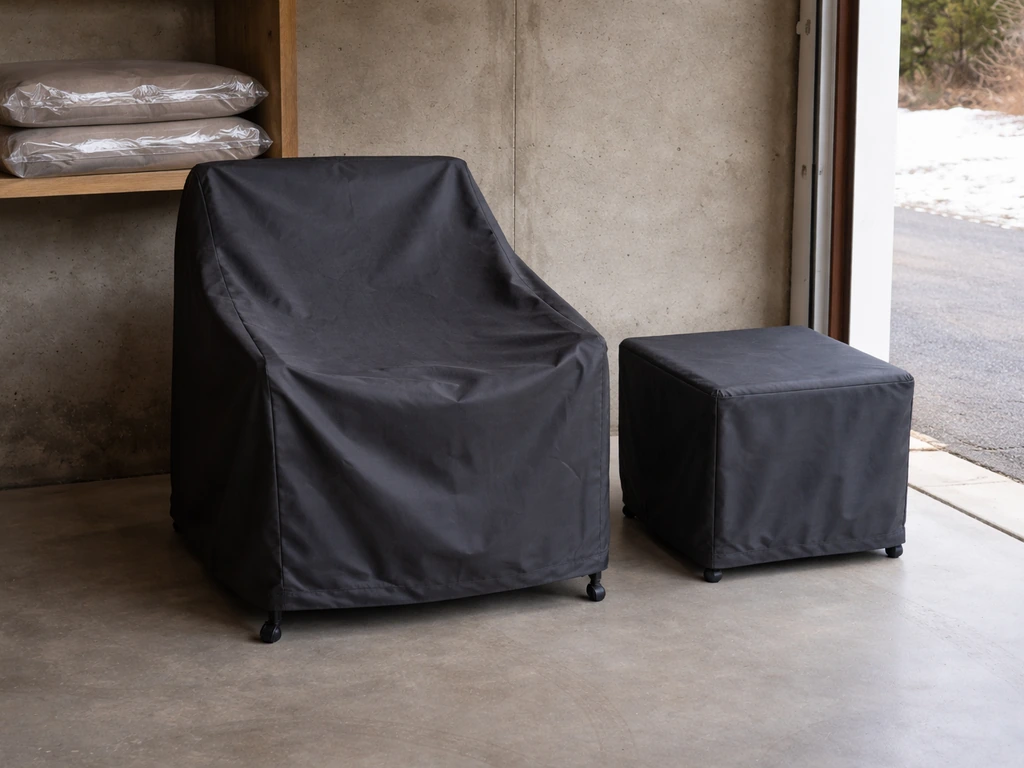
The best outdoor furniture covers use a breathable membrane that repels heavy rain from the outside while still allowing water vapor to escape from underneath. This matters because even furniture stored under a cover experiences overnight condensation and humidity changes. A fully sealed cover traps that moisture and gives mold everything it needs. Look for covers that explicitly advertise breathability or built-in vents, not just waterproofing.
Fit matters a lot
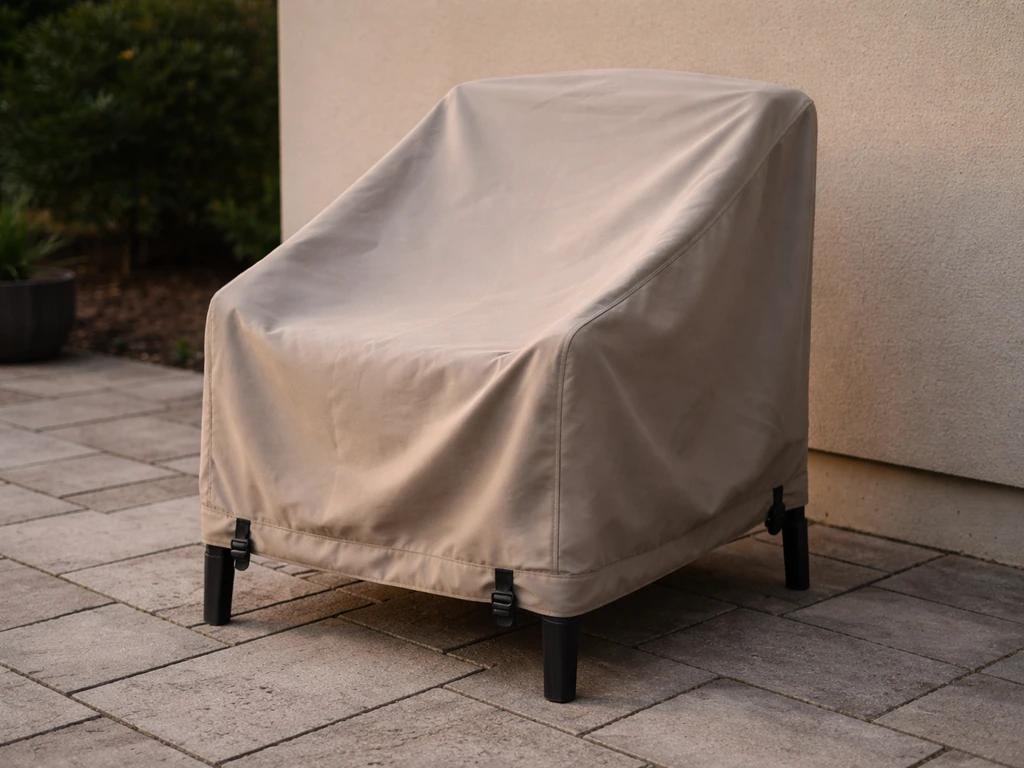
A cover that's too loose collects water in pockets and sags into the furniture, holding wet fabric against the surface for days. A cover that fits snugly prevents pooling, reduces wind movement, and looks better too. Measure your furniture before buying a cover: length, width, and height of the set together. For individual chairs or tables, get furniture-specific covers rather than one giant tarp over everything. Furniture-specific covers also allow for some airflow between pieces.
Secure it properly
A cover that blows off in the first windstorm isn't protecting anything. Most quality covers come with tie-down straps, drawstrings, or buckles. Use them. For lighter covers without built-in fasteners, bungee cords run under the furniture legs work well. If you're in an area with real winter storms, you can also run cord through the cover's hem grommets and stake or weight it down. Check the cover after the first few storms of the season to make sure it's still seated correctly.
Elevate to stop ground moisture
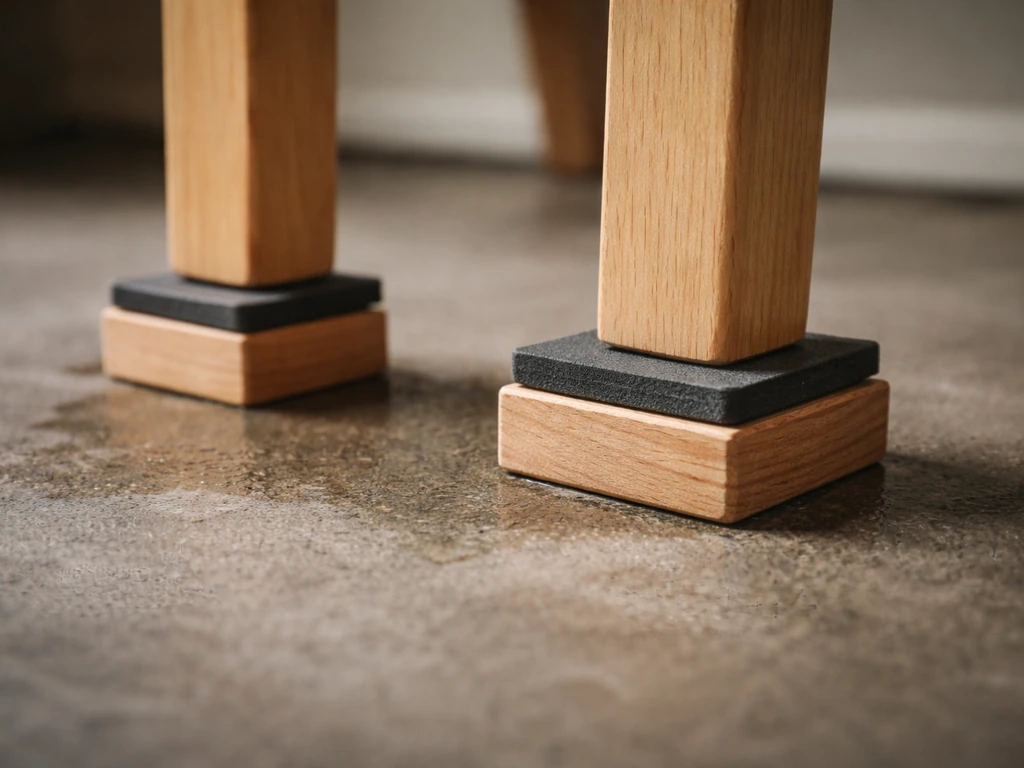
Even with a great cover, furniture sitting directly on wet concrete or soil wicks moisture up through the legs and base. Slip rubber furniture pads, wooden blocks, or even a pallet under the pieces to get them off the ground by even an inch or two. It makes a noticeable difference in how dry the undersides stay through winter. Following these steps is the easiest way to care for patio furniture and help it last season after season how dry the undersides stay through winter.
Saving space: how to stack, arrange, and stay organized
The biggest barrier to indoor storage is always space, so here's how to fit more in than you think you can.
Stack and go vertical
Most patio chairs are designed to stack. Four or five chairs in a stack take up roughly the same footprint as one chair sitting flat. Put a furniture pad or old towel between chairs before stacking to prevent scratches. Tables can often be stored on their side against a wall (secure them so they can't fall). Wall-mounted hooks or a pegboard can hold lightweight items like folding chairs. The goal is to use floor-to-ceiling depth rather than spreading everything out flat.
Separate pieces intentionally
Don't just pile everything together. Separating chairs from tables from cushion totes means you can get to one thing without moving everything else. It also means airflow can circulate between pieces, which is especially important for wood and wicker. Leave a few inches of space between stacks or items rather than pressing them flat against each other.
Keep access in mind
If you live somewhere with mild winters where you might bring the furniture out on a warm January afternoon, don't bury it behind everything else in the garage. Store frequently-accessed items in front, and the patio set toward the back. If your storage is strictly seasonal and nothing comes out until April, stack as tightly as you can and use that freed-up floor space for winter gear.
When you genuinely don't have indoor space
If indoor storage isn't possible at all, a dedicated outdoor storage shed (even a small resin one for around $200 to $400) is a solid investment for protecting furniture long-term. If you want the best way to store patio furniture outside, the key is choosing dedicated outdoor storage that keeps moisture and weather exposure under control. For cushions and smaller items, a weatherproof deck box is both storage and extra seating. You can also look at covered outdoor storage more specifically for strategies when you're working without a garage or basement.
Spring check-in: what to do before you bring it all back out
Don't just pull covers off and assume everything is fine. A quick inspection in the spring catches problems before they get worse and means your furniture is actually ready to use the first nice weekend instead of sitting in the driveway while you deal with rust or mildew.
What to look for when you uncover
- Rust spots or corrosion on metal joints, screws, or frames
- Mold or mildew on any surface (look for black or grey spots, especially in crevices)
- Warping, cracking, or checking in wood surfaces
- Loose or missing hardware (bolts, screws, caps)
- Pulled or sagging strands on wicker
- Fading, brittleness, or cracking on plastic pieces
- Dampness anywhere under covers or inside hollow frame sections
How to deal with what you find
Light surface rust on metal can be sanded back and touched up with rust-inhibiting primer before repainting or sealing. Mildew on hard surfaces comes off with a diluted white vinegar solution or an oxygen-based cleaner. If you find mold on cushions, assess honestly whether it's worth cleaning or whether replacement covers are the better call. This is also a good time to reapply wood oil or sealant to any wood pieces that look dry or grey, and to re-tighten all hardware.
Let everything dry out before use
If you've just pulled furniture from a garage or storage area, let it sit in open air for a day before putting cushions back on and using it. Condensation can build up on furniture that moves from cold storage to warm outdoor temperatures, and putting cushions on damp frames starts the mildew cycle all over again. A dry, breezy day is the perfect time to let everything fully air out, give it a quick wipe-down, and get it set up for the season.
Building this kind of seasonal routine is what actually extends the life of outdoor furniture by years. The cleanup in fall, the proper storage, the spring check-in: none of it takes more than a few hours, but skipping it means spending money replacing furniture that should have lasted much longer. If you want to go deeper on specific parts of this process, the guides on how to store outdoor patio furniture in winter and caring for patio furniture cover the detail work from a maintenance and long-term care angle.
FAQ
Can I store patio furniture outside if I use a cover?
Yes, but only if the furniture is bone-dry and you use a breathable, well-fitted cover with tie-downs. For metal, elevate the legs off wet ground, and for wood, avoid fully sealed covers that trap humidity (leave airflow or store in a ventilated indoor spot if possible).
What’s the safest way to dry furniture after cleaning or rain?
Air-dry it completely in open air, give it at least a full day, and do not cover it while any joints, hollow frame sections, or wicker weaves still feel damp. Hollow metal and wicker can trap moisture even when the outside looks dry, so check underside rails and crevices.
Is a tarp or cheap non-breathable cover ever okay?
Usually no. A non-breathable tarp can trap humidity and create a damp microclimate, which increases mold and mildew risk. If you must cover temporarily, prioritize breathability or at least use a cover designed for outdoor furniture that prevents pooling and allows vapor to escape.
How tight should a furniture cover fit?
It should be snug enough to prevent sagging and water pockets, but not so tight that it presses directly into fabric cushions you did not remove. If you see sagging in the first storms, switch to a size that matches length, width, and height for the whole set or use furniture-specific covers.
Should cushions always be stored inside, or can they go under the cover?
Cushions should always be stored separately and kept inside when possible, because leaving them attached through winter can lead to black mold in foam and fabric. If you have to store cushions outside temporarily, make sure they are fully dry, in breathable bags, and never sealed under moisture-trapping plastic.
Where is the best place to store patio furniture cushions if I don’t have indoor space?
Use the driest, most ventilated area available, such as a dry deck box with some ventilation or a storage shed that is not sealed airtight. Keep cushions off the floor on shelves or pallets, and check periodically for condensation after wet weather.
Do I need to elevate metal furniture off the floor even in a garage?
It helps, especially if the garage floor or walls hold moisture. Elevated storage (rubber blocks or boards) reduces wicking from damp concrete and keeps the underside from staying damp through winter, which is where rust often begins.
How should I store tables and chairs in a tight garage to avoid damage?
Stack chairs, but place a pad or old towel between pieces to prevent scratches, and leave a little space between stacks for airflow. Store tables on their side only if you can secure them so they cannot tip, and separate tables from chairs so you can access items without moving everything.
What should I do if I discover rust or mildew when spring arrives?
For light rust, sand it back and spot-treat with rust-inhibiting primer before sealing. For mildew on hard surfaces, use a gentle oxygen-based cleaner or diluted white vinegar. For cushions with mold, decide quickly whether cleaning is effective or replacement covers are the better move, since lingering spores can return.
Is it safe to put cushions back on the furniture right away in spring?
No. Let the stored frames sit in open air for a day first, especially after moving from a cold garage or shed to warm outdoor temperatures. Condensation can form on the metal or wood, and placing cushions onto a damp surface restarts the mildew cycle.
Can I store wood patio furniture under a cover outdoors during winter?
Only if the cover is breathable and you leave airflow. Fully sealed covers can trap humidity and increase mold, even if the wood looks protected from rain. If you can, store wood in a ventilated indoor space with stable, dry air.
How should I handle different materials like wicker, aluminum, and plastic?
Natural wicker should be stored indoors, full stop. Wrought iron and steel are rust-prone and need indoor storage or a very well-fitted cover plus touch-ups on chips and scratches. Powder-coated aluminum is more forgiving, but still benefits from covering for extended off-season storage. Plastic and resin resist rot and rust, but still need UV-blocking protection if left outside for long stretches.