Clean your furniture thoroughly, let it dry completely (not just surface-dry, but bone dry), do a quick damage inspection, then move it into the garage on a raised surface with breathing room between pieces and a dehumidifier keeping humidity between 45 and 55 percent. That's the whole formula. Miss any one of those steps and you'll pull things out in spring with rust blooms, mildew smell, warped wood, or cracked resin. The details below will walk you through each step by material type so nothing gets ruined in storage.
How to Store Patio Furniture in a Garage Without Damage
Maren Grady
25 Jun 2026
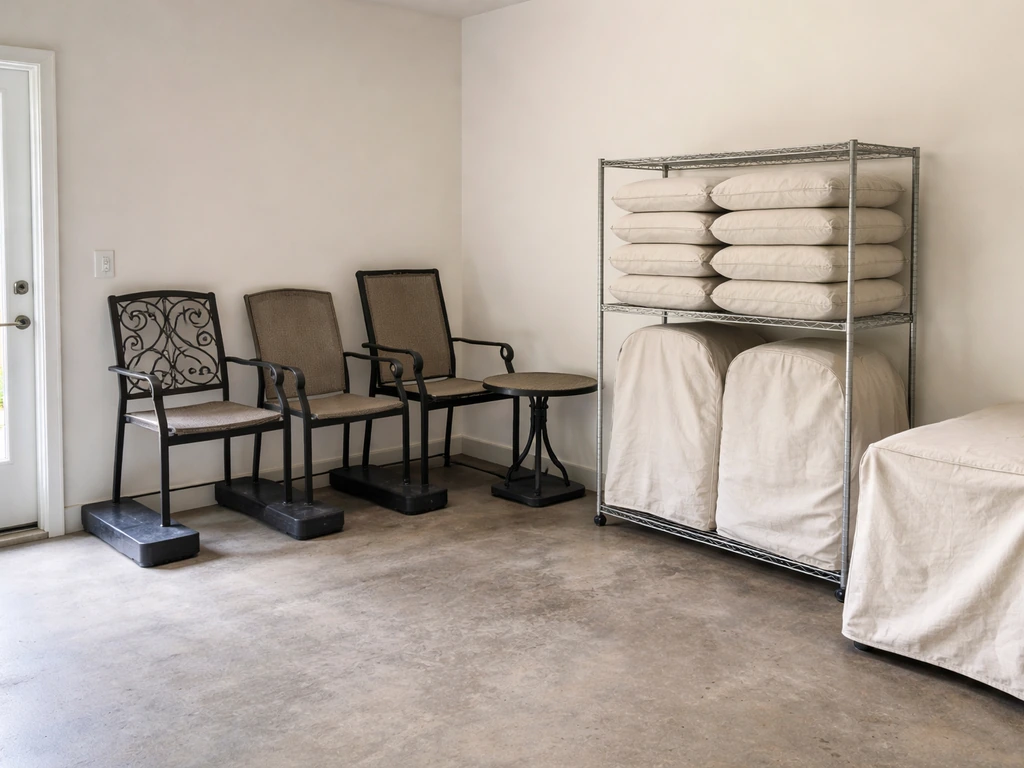
When to Store and How to Prep Before Anything Goes in the Garage
The right time to store patio furniture is before the first hard freeze hits in your area, but also ideally before a stretch of wet, rainy weather that makes proper drying almost impossible. If you're wondering how to store outdoor patio furniture in winter, start before the first hard freeze hits so you can prep and dry everything properly. If you're storing for winter, late October into early November works for most of the US. If you're storing mid-season because you're not using the furniture for a while, the same prep rules apply.
Here's where most people go wrong: they wipe things down quickly, stack them in the garage while still damp, and wonder why everything smells musty by February. Moisture trapped under covers or between stacked pieces is the number one cause of mildew, rust, and warping in storage. The prep work is the whole ballgame.
Clean Everything First
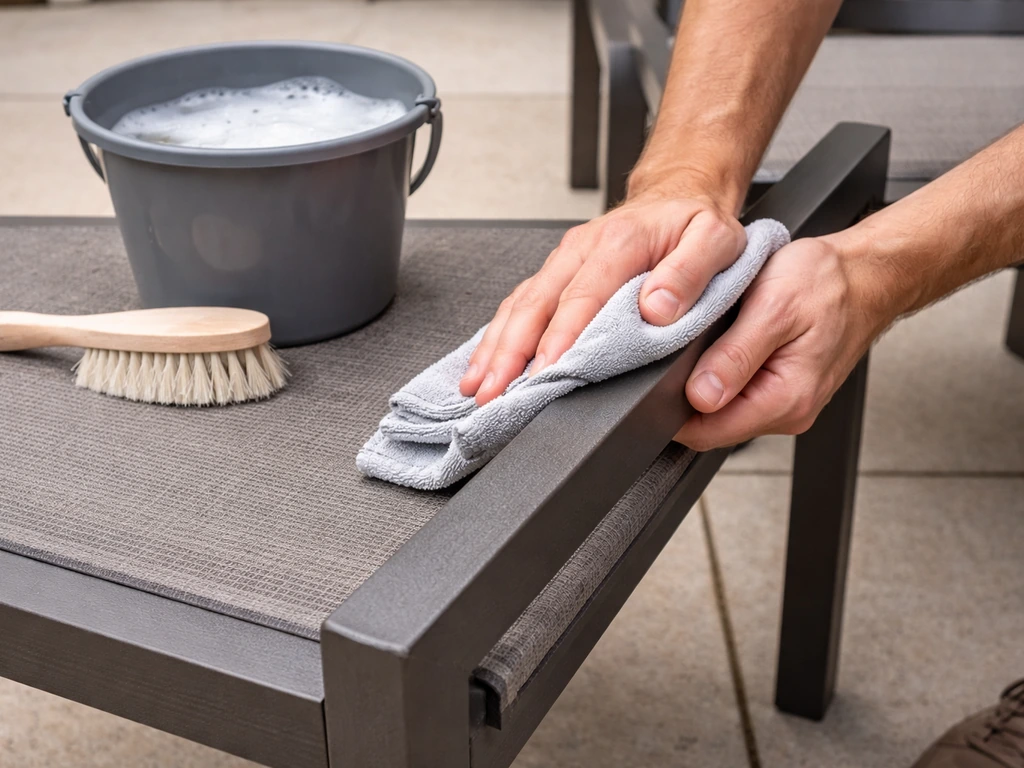
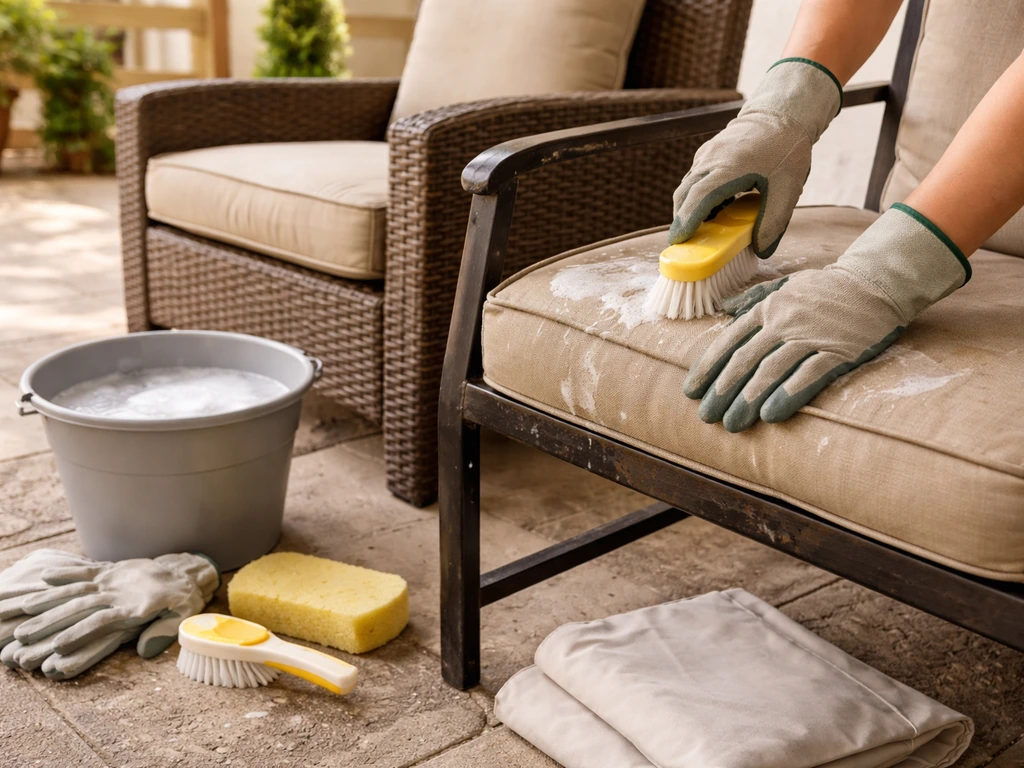
Mix a bucket of warm water with a small squirt of mild dish soap. Wipe down all frames, tabletops, chair backs, and legs. For heavier grime, a soft-bristle brush works well on textured surfaces like wicker or cast iron. Rinse with a garden hose or a bucket of clean water. Don't skip this step even if the furniture looks clean. Dirt, bird droppings, and pollen left on the surface hold moisture and can cause staining or corrosion during the months it sits in storage.
Dry Completely Before Storing
This is the step people rush and it causes all the problems. After washing, let the furniture air dry in the sun for at least a full day, and two days is better. Flip chairs upside down and lean cushions on edge so water drains out of joints and corners rather than pooling. Pay particular attention to tubular metal frames where water can collect inside hollow sections, and to wooden joints where moisture hides. Feel inside crevices and underneath cushion ties before declaring something dry. If the weather is overcast or humid and you can't get a full sun dry, bring pieces into a heated room or garage with a fan running on them.
Do a Quick Damage Inspection
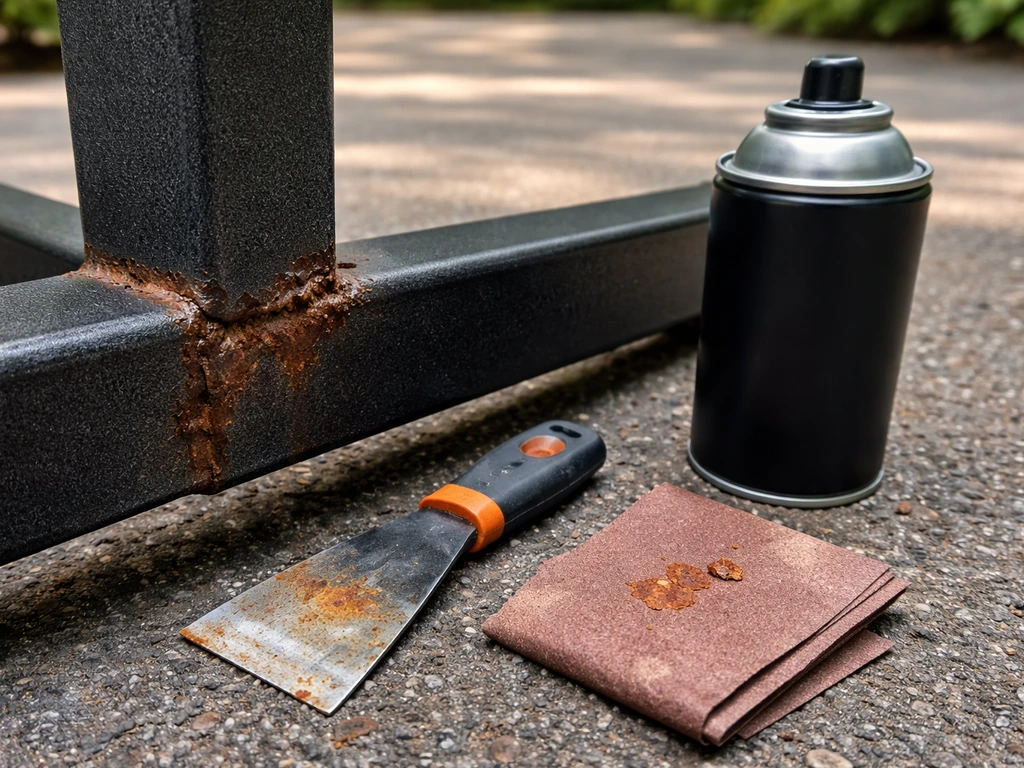
Before storage is the best time to catch small problems before they become big ones. Run through this checklist quickly on each piece:
- Check metal frames for rust spots, especially at welds and joints. Sand and touch up with rust-inhibiting spray paint now so rust doesn't spread over winter.
- Look at wooden frames for cracks, peeling finish, or soft spots that could mean rot is starting.
- Check wicker and rattan for broken strands or loose weave sections.
- Inspect plastic and resin for existing cracks, which will get worse in cold temperatures.
- Look over cushion fabric for tears, stains, or mildew spots that need treatment before storage.
- Note any hardware (bolts, screws, hinges) that are loose or corroded and flag them for repair in spring.
Quick repairs done now take ten minutes. The same repair done in spring after a winter of worsening damage can take an hour or more. I learned this the hard way after ignoring a small rust spot on a wrought iron chair leg. By the following spring it had spread to a two-inch patch that needed grinding, priming, and two coats of paint.
Choosing Your Storage Method Based on Material
Patio furniture is not one thing. Metal, wood, wicker, plastic, and upholstered pieces all have different vulnerabilities and need slightly different treatment. Here's what each material actually needs in garage storage.
Metal: Wrought Iron, Steel, and Aluminum
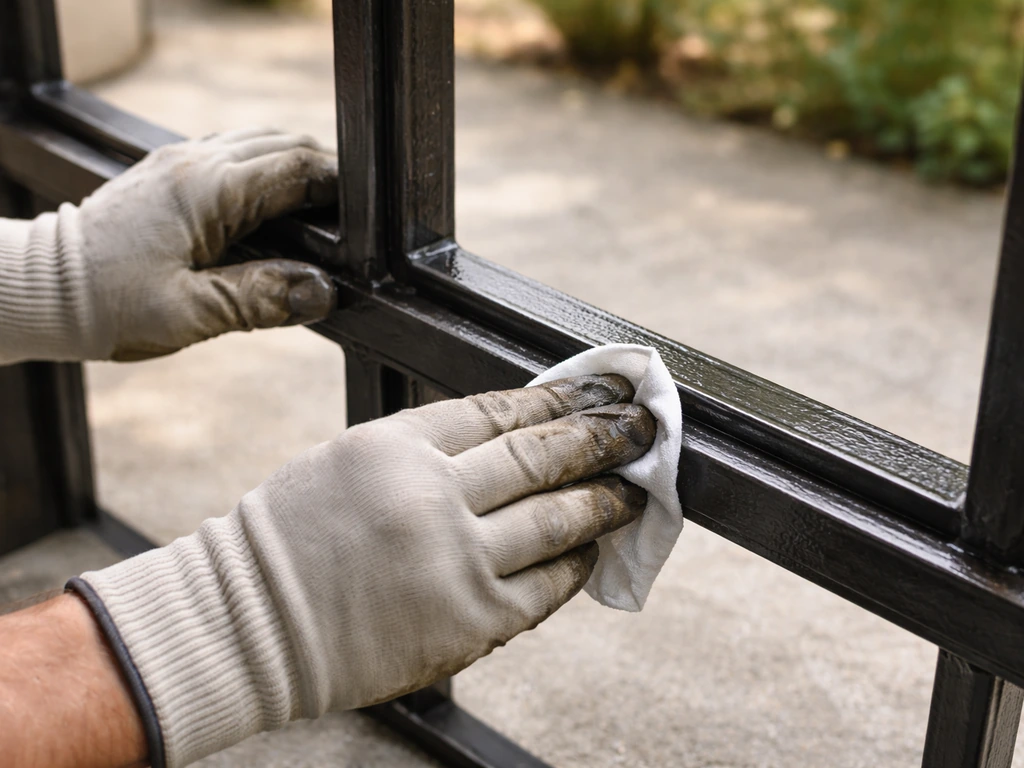
Wrought iron and steel are the most rust-prone materials you'll deal with. After cleaning and drying, apply a thin coat of car wax, paste wax, or a light machine oil (like WD-40 applied and then wiped off) to all metal surfaces. This creates a barrier against moisture. Store iron and steel pieces with some airflow around them. Here's the counterintuitive thing: tightly wrapping wrought iron in a plastic cover or tarp can actually trap condensation against the metal and cause more rust, not less. If you want to cover the pieces, use a breathable furniture cover rather than plastic sheeting. Aluminum is much more forgiving since it doesn't rust, but it can still oxidize and develop a chalky film if left damp. If you're still deciding, the best way to store patio furniture outside is usually to match the method to the material, like the garage prep steps above for moisture control.
Wood: Teak, Cedar, Eucalyptus, and Painted Wood
Wood's enemy in storage is moisture fluctuation. A garage that swings between humid and dry all winter is rough on wood joints and finishes. Before storing, apply a fresh coat of teak oil (for teak and eucalyptus) or a sealant appropriate for your wood type. This isn't just about looks, it actually seals out the moisture that causes warping and cracking. Store wooden pieces flat or in their normal upright position, never stacked on their sides in ways they weren't designed to hold. If possible, keep wooden furniture slightly elevated off a concrete garage floor, which pulls moisture upward through direct contact.
Wicker and Rattan
Natural rattan is significantly more fragile in storage than synthetic (resin) wicker. Both need a dry, well-ventilated spot. Natural rattan can dry out and become brittle if air is too dry, or it can mold if air is too damp. Aim for that 45 to 55 percent humidity range. For either type, store upright in its normal position and use a breathable cover if you cover it at all. Wrapping wicker tightly in plastic is one of the fastest ways to create the perfect mold environment. Do not stack heavy items on top of wicker pieces. The woven structure isn't designed to handle compression loads and the weave will distort.
Plastic and Resin
Plastic and resin furniture is the most storage-forgiving material, but it has one specific vulnerability that catches people off guard: freezing temperatures. Plastic and plastic-rattan composite pieces can crack when they freeze, especially if they have any existing stress cracks. Store them inside where temps stay above freezing rather than leaving them in an uninsulated garage in a very cold climate. Stack plastic chairs only if they're designed to nest (most basic resin chairs are). Don't force non-nesting designs into stacks because you'll crack them or bend the legs. UV-related fading can still happen if the garage has windows that let in direct sun, so position pieces away from direct sunlight even in storage.
Upholstered and Fabric Pieces
Upholstered outdoor furniture needs the most careful storage approach. Cushions and fabric are vulnerable to mildew, insects (particularly carpet beetles and clothes moths), and compression damage if stored improperly. Always remove cushions from frames and store them separately. The frame and cushion have different storage needs and keeping them together just means one problem becomes two.
Protecting Cushions, Fabrics, and Covers From Moisture and Pests
Cushion storage is its own subject worth getting right. I've ruined a set of expensive Sunbrella cushions by stuffing them in a plastic tote with just a hint of remaining dampness. By spring they had a mildew smell baked into the foam that took three washings to fully get rid of. Here's how to do it correctly.
Wash and Fully Dry Before Storage
Wash cushion covers according to the fabric type. Sunbrella and similar solution-dyed acrylic fabrics can handle a gentle machine wash or a hand wash with mild soap and water. Rinse thoroughly and then air dry completely before storage. And I do mean completely. Foam cores hold moisture long after the fabric surface feels dry. Stand cushions on their edges in sunlight and give them a full day minimum, two days if the foam is thick. Squeeze the foam to check for any residual dampness near the center. If you feel any moisture at all, keep drying.
Breathable Storage vs. Sealed Plastic Bags
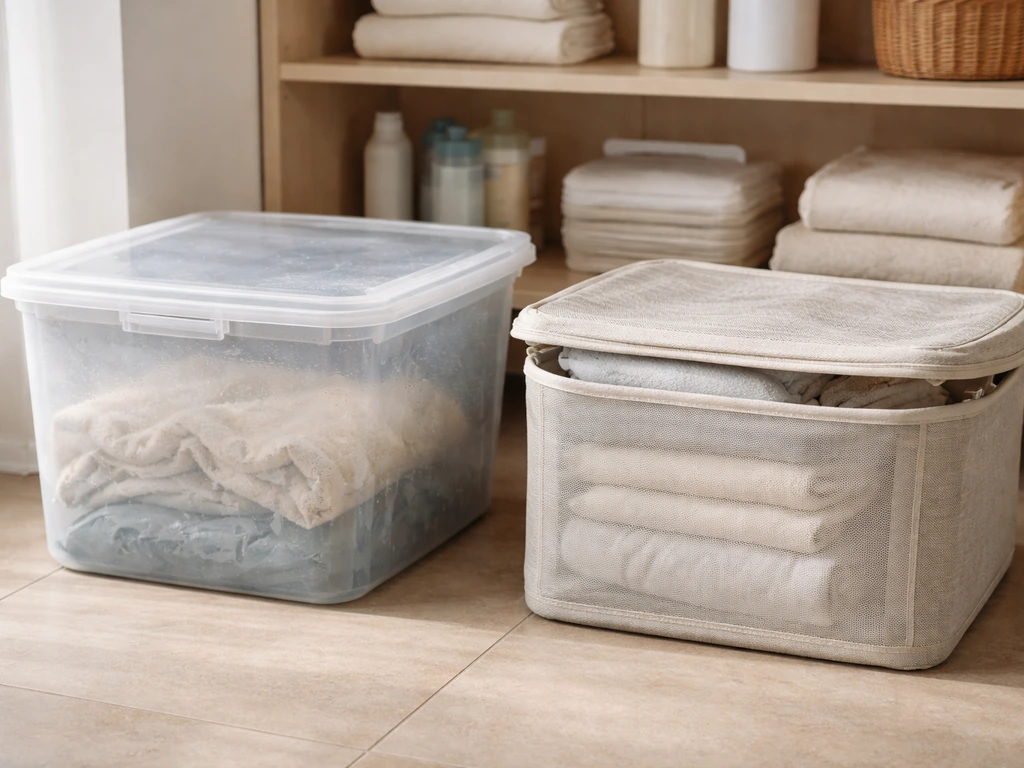
This is where most people make a mistake. Sealed plastic bags and airtight totes seem like good protection but they trap any remaining moisture and create exactly the dark, damp environment that mold and mildew need. The better approach: use breathable canvas storage bags, cotton pillowcases for smaller cushions, or a ventilated storage bin. If you use a plastic tote, leave the lid slightly ajar or drill a few small ventilation holes near the top. You can also add a desiccant packet or two (the silica gel kind you can buy in bulk cheaply) to absorb any ambient moisture inside the container.
Dealing With Pests
Upholstered cushions can attract insects including carpet beetles and clothes moths, which damage fabric and foam over a full winter in storage. The most effective prevention approach is physical: clean fabric before storage (dirty fabric is more attractive to insects), use tightly woven breathable bags that seal out bugs, and keep the garage as dry as possible since pests prefer humid environments. You can also place cedar blocks or lavender sachets near (not directly on) cushions, which have some deterrent effect. Note that mothballs are not a good solution here. They're not approved for outdoor or garage use, they create a smell that transfers into fabric, and they carry environmental and health concerns.
Furniture Covers in Storage
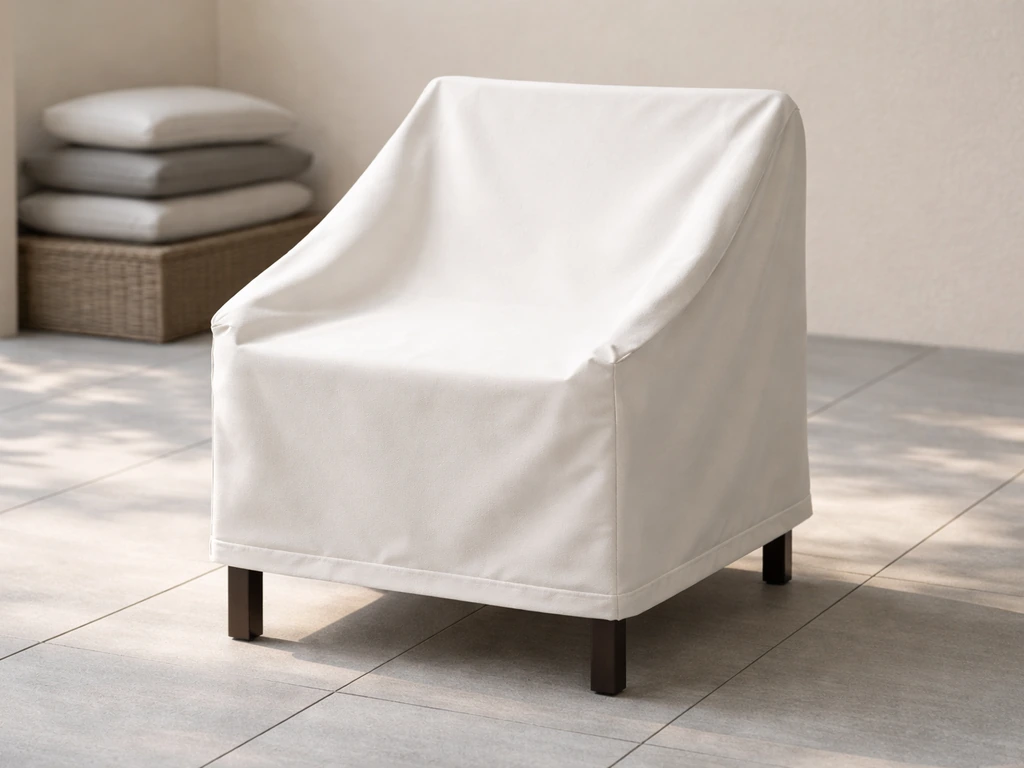
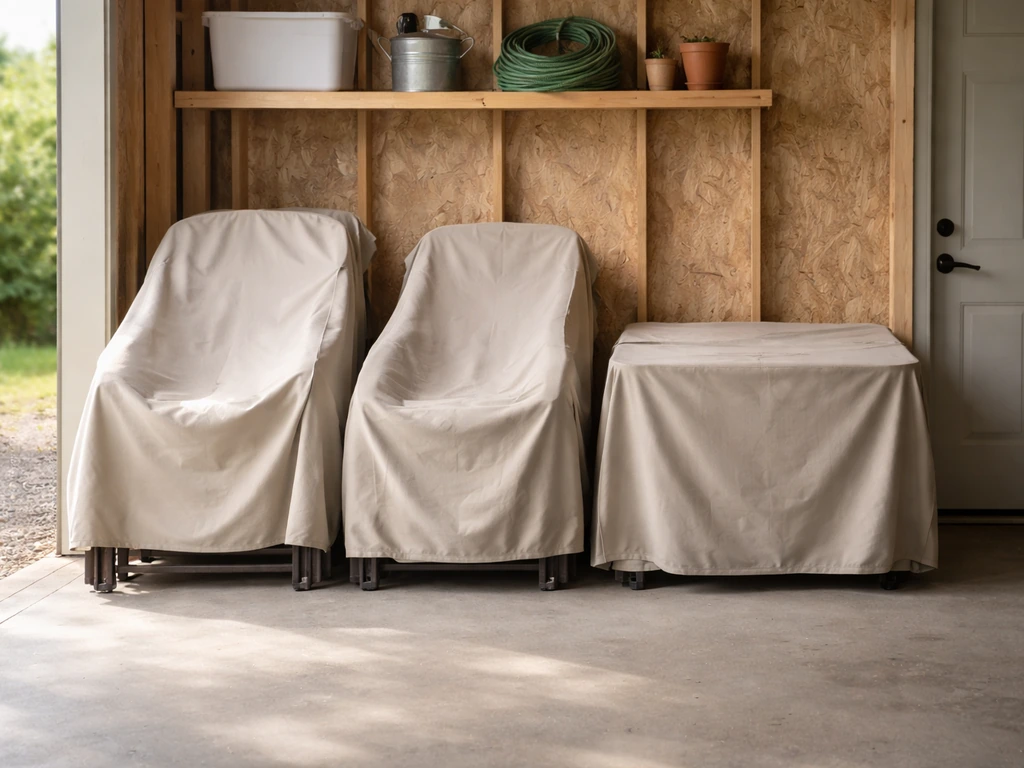
If you use furniture covers on your frames while they're stored in the garage, always choose breathable covers rather than plastic tarps. Breathable covers protect against dust and debris while still allowing air circulation. A plastic tarp draped over metal furniture in a garage that changes temperature day to night creates condensation trapped against the metal surface, which accelerates rust. If you already own plastic covers and want to use them, leave the bottom open rather than tucking it under the furniture, so air can circulate from underneath.
Preventing Rust, Warping, and Fading by Material
Here's a quick reference for the main failure points by material type so you know exactly what to watch for.
| Material | Main Failure Risk | Prevention in Storage |
|---|---|---|
| Wrought Iron / Steel | Rust from trapped moisture | Wax or oil the surface; use breathable cover; keep humidity below 55% |
| Aluminum | Oxidation, chalky film | Clean and dry thoroughly; light wax coat optional |
| Teak / Hardwood | Warping, cracking, joint separation | Apply oil or sealant before storing; elevate off concrete; stable humidity |
| Painted Wood | Paint peeling, rot in cracks | Touch up any chips before storing; avoid stacking weight on painted surfaces |
| Natural Rattan | Mold, mildew, brittleness | Ventilated dry space at 45–55% RH; breathable cover only; no compression |
| Synthetic Wicker / Resin Wicker | Mold in tight weave, cracking in hard freeze | Store above freezing; breathable cover; allow airflow around pieces |
| Plastic / Resin | Cracking in freezing temps, UV fading from sunlit windows | Keep above freezing; position away from direct window light |
| Sunbrella / Fabric Cushions | Mildew, insect damage | Fully dry before storing; breathable container; desiccant packets |
The common thread across all materials is moisture control and airflow. Every single material on that list gets worse when damp air has nowhere to go. The garage setup section below addresses that directly.
Setting Up Your Garage for Proper Storage
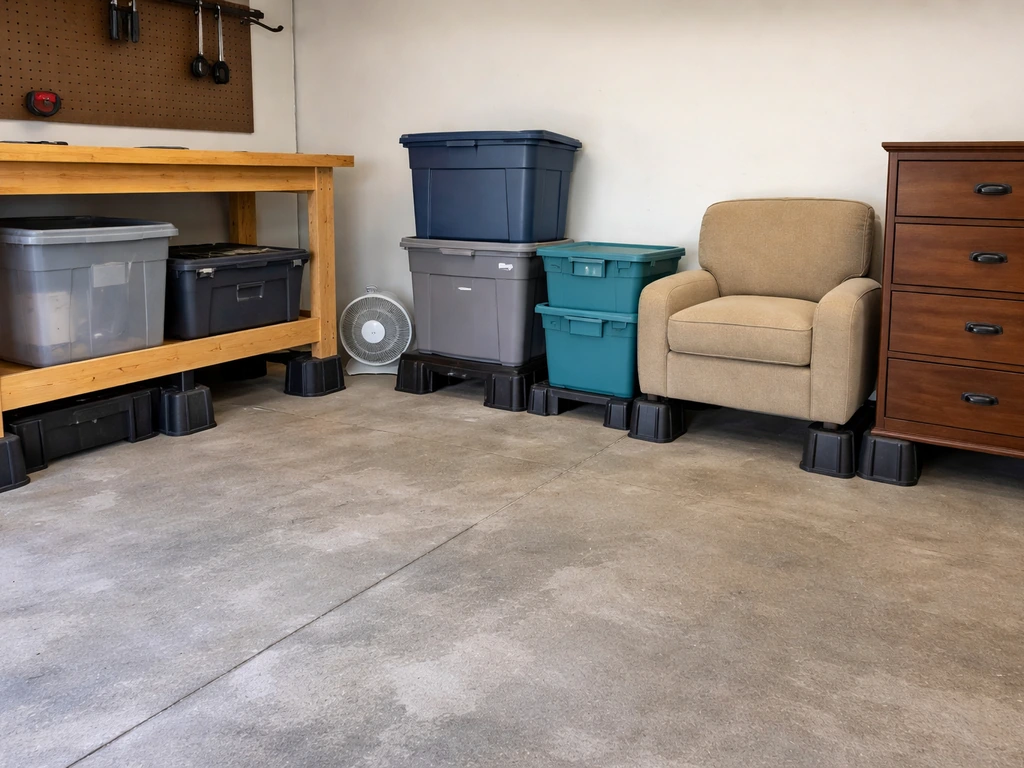
How you set up the garage itself matters almost as much as how you prep the furniture. A garage with poor airflow, a damp concrete floor, and no humidity control will undo all the prep work you did outside.
Get Furniture Off the Concrete Floor
Concrete floors are porous and draw moisture up from the ground, especially in spring and fall when soil temps and air temps diverge. To understand the best ways to store patio furniture in a garage, focus on how to prep it, manage moisture, and choose the right storage spot for each material elevate everything. Direct contact between furniture legs (especially wood and metal) and a concrete floor is an invitation for rust, rot, and staining. Elevate everything. Options include: furniture dollies or rolling casters (budget-friendly and also make rearranging easy), wooden pallets (free from hardware stores or home improvement centers, though make sure they're heat-treated, not chemically treated), rubber floor mats, or even simple wooden boards laid across the floor. You don't need much elevation, just breaking that direct concrete contact makes a real difference.
Leave Spacing Between Pieces
Don't pack furniture pieces tightly together. Air needs to circulate around and between pieces to prevent moisture from accumulating in the spaces between them. A few inches of gap between chairs or tables is all you need. If you're stacking stackable chairs, keep the stack to a reasonable height (four to six chairs maximum) and don't stack non-stackable designs. Leaning pieces against a wall is fine but try to avoid having fabric or foam compressed against the wall surface.
Control Humidity in the Garage
Target a humidity level of 45 to 55 percent in your garage during the storage period. This range is comfortable for wood, fabric, metal, and rattan. Below 40 percent and natural materials (rattan, wood) can dry out and crack. Above 60 percent and you're in mold and rust territory. A basic hygrometer (often under $15) lets you monitor the humidity easily. If your garage runs damp, a dehumidifier is the fix. For a typical two-car garage, a 30 to 50 pint dehumidifier handles the job. If your humidity consistently runs above 60 percent, get one with a continuous drain hose so you're not emptying a bucket every day. If your garage has a door that seals poorly or ground-level gaps, sealing those improves your humidity control significantly without any equipment.
Airflow and Temperature Considerations
Even a small fan running occasionally in the garage helps prevent the stagnant damp air that encourages mildew. You don't need it running constantly, just a few hours on warmer days when you notice condensation on garage surfaces or when you've brought in pieces that weren't totally dry. Keep the storage area away from large temperature swings if possible. An uninsulated garage in a cold climate will see big temperature swings that stress wood and wicker joints repeatedly over the winter. If you have an attached garage that shares a wall with the heated house, that's the ideal storage zone.
Your Seasonal Routine: Start-of-Season and End-of-Season Checklist
A simple routine done twice a year is what separates furniture that lasts ten-plus years from furniture that needs replacing every three. It doesn't take long once you've done it a couple of times.
End of Season (Putting It Away)
- Clean all frames and cushions with mild soap and water.
- Rinse thoroughly and let everything dry fully in the sun, at least one full day for frames and two days for thick cushions.
- Inspect each piece for rust, cracks, loose hardware, broken weave, or torn fabric and make a repair list.
- Touch up any rust spots on metal with rust-inhibiting primer and paint. Oil or wax metal surfaces.
- Apply fresh teak oil or sealant to wooden pieces.
- Disassemble any sectionals or modular pieces and bag small hardware (screws, bolts, clips) in labeled zip-lock bags. Tape the bag to the piece or store it somewhere you'll actually find it.
- Store cushions separately in breathable bags or containers with a desiccant packet inside.
- Elevate all furniture off the concrete floor.
- Leave spacing between pieces for airflow.
- Check garage humidity with a hygrometer. Deploy a dehumidifier if needed.
- Note the date you stored everything and any repairs needed for spring.
Start of Season (Bringing It Back Out)
- Pull out all pieces and inspect them in daylight. Look for any rust, mildew, cracking, or damage that developed over winter.
- Wipe down frames with a damp cloth to remove any dust or condensation residue.
- Check your hardware bags and reassemble any sectional pieces.
- Look over cushions for mildew smell or spots. If they smell musty, wash and air dry before use.
- Address any repair list items from last fall before using the furniture.
- Apply a fresh coat of teak oil to wood pieces if needed.
- Check plastic and resin pieces carefully for any cold-weather cracks that appeared over winter.
- Let everything air out in sunlight for a few hours before setting up the patio.
The labeling step for hardware is one I wish someone had told me earlier. The first time I stored a modular sectional I threw all the connection hardware in a single bag with no label. Come spring I had four identical-looking bags from four different things and spent 45 minutes sorting out which screws went where. Label the bag with the piece name and quantity. Thirty seconds of effort saves you a real headache.
A Few More Things Worth Knowing
If your garage doesn't have room for everything, prioritize getting cushions and wood pieces inside first. Metal frames and plastic pieces are more resilient, and a quality breathable outdoor cover can protect them reasonably well if they have to stay outside. If you plan to store patio furniture covers too, wash and fully dry them before packing in a breathable bag or bin breathable outdoor cover. That's worth reading more about if you're dealing with limited storage space.
Also, the principles here apply whether you're storing for a full winter or just putting things away for a month or two mid-season. The main difference is that shorter storage periods have more margin for error. But the habits of cleaning, drying, and covering properly are worth building regardless of storage length because they extend the life of your furniture more than anything else you can do. If you want the full step-by-step approach, follow this guide for how to care for patio furniture before and after storage cleaning, drying, and covering properly.
Cushions in particular deserve their own focused attention if you have a nice set. How you handle cleaning, drying, and container choice for outdoor cushions specifically makes a bigger difference than most people expect, and going deeper on that topic is worthwhile if you've got quality cushions you want to last. Before you tuck them away, make sure you’re following the best practices for how to store patio cushions so they stay dry and stay protected.
FAQ
Can I store patio furniture in the garage if it’s still a little damp from washing or rain?
You should not. Even if surfaces feel dry, moisture can remain in seams, hollow metal sections, and foam cores. If you are unsure, keep drying longer (use a fan and, if possible, a warmer room for the last day) and only store once you can confirm dry inside crevices and near any cushion ties.
What humidity level should I aim for if my garage has no room for a dehumidifier?
Keep it in the 45 to 55 percent range if you can, but if you cannot use a dehumidifier you’ll need more ventilation and better sealing of the garage door and gaps. Run a small fan during warmer, drier stretches, monitor with a hygrometer, and avoid storing right before a prolonged rainy period.
Is a plastic tarp ever okay to cover patio furniture in a garage?
In most garage setups, tarp coverage should be avoided for moisture-sensitive materials like wrought iron, wood, and upholstered cushions. If you must use plastic sheeting you need airflow, leave the bottom open instead of tucking it under, and never fully seal it against the furniture where condensation can form.
How do I prevent rust on metal furniture without wax or oil?
Wax or a light machine-oil barrier helps, but you can also reduce rust risk by eliminating the two biggest triggers, direct contact with concrete and trapped damp air. Elevate the pieces off the floor, keep gaps between items, and ensure your garage humidity stays under 60 percent.
My wrought iron furniture has hollow tubing, how do I dry it completely?
After rinsing, flip or position the piece so water can drain out of the lowest points, and run an airflow source around the tubes. Check inside joints and crevices, then confirm no lingering dampness before storage, since trapped water inside tubing is a common cause of spring rust blooms.
Should I store wood patio furniture flat, upright, or stacked?
Store wood flat or in its normal upright orientation, never stacked in a way that stresses it differently from how it was designed to hold weight. If possible, elevate it slightly off the garage floor to reduce moisture wicking through direct contact with concrete.
Is it safe to store rattan or wicker right up against a wall?
It’s better to give it a little breathing room. Keep wicker upright, avoid compressing it against wall surfaces where fabric and foam can press, and do not wrap it tightly in plastic. A small gap helps circulation and reduces the chance of localized damp pockets.
Can I store plastic or resin furniture in an uninsulated garage in winter?
Only if the temperatures stay above freezing. Resin and plastic can crack when they freeze, especially if there are existing stress cracks. If you live in a cold climate, store those pieces inside the garage where temperatures are more stable, and keep them away from direct sun if your garage has windows.
What’s the best way to store patio cushions if I don’t have breathable storage bags?
Breathable options are ideal, but you can substitute cotton pillowcases or a ventilated bin. Avoid sealed plastic totes with fully closed lids, if you must use one leave the lid slightly ajar or add ventilation holes and include silica gel desiccant so any residual ambient moisture does not accumulate.
Do carpet beetles and clothes moths only affect fabric, or can they damage the foam too?
They can damage both fabric and foam. The prevention that works best is physical and cleanliness-based: clean the cushions thoroughly before storage, use tightly woven breathable bags that block pests, and keep the garage dry, since humid conditions encourage insect activity.
How often should I check stored furniture during winter?
Do a quick spot check once or twice during the storage period, especially after storms or temperature swings. Look for signs like musty odor, condensation on surfaces, or dampness in cushion seams and under coverings, then adjust airflow or humidity control if you notice changes.
What should I do if I find mildew smell during winter storage?
Act immediately. Remove the affected cushion or piece from storage, let it air out and dry fully with a fan, and reassess your container or cover choice. If it was in an airtight tote or fully sealed bag, switch to breathable storage and consider adding a desiccant packet next time to absorb ambient moisture.
How should I store the hardware for tables or modular seating so it doesn’t disappear?
Labeling matters more than people expect. Bag the connection hardware per furniture piece, include the piece name and quantity, and keep those bags in the same storage zone as the corresponding item so you do not end up with mismatched hardware in spring.
If my garage is crowded, what order should I store items in?
Prioritize cushions and wood inside first, since they are the most sensitive to trapped moisture and compression damage. Metal and plastic are more forgiving, but even they benefit from breathable covers and elevation, especially if your garage humidity tends to run high.