The best way to store patio cushions is to clean them thoroughly, let them dry completely (and I mean bone dry, not just surface dry), apply a fabric protector if you have one, and then pack them in breathable bags or bins in a cool, dry location out of direct sunlight. That's the whole formula. Where things go wrong is almost always one of two places: cushions go into storage damp, or they get sealed in airtight plastic with no airflow. Either one leads to mildew, and mildew on foam cushion cores is very hard to reverse.
How to Store Patio Cushions: Year-Round and Winter Tips

Maren Grady
3 May 2026
The basics of storing patio cushions correctly
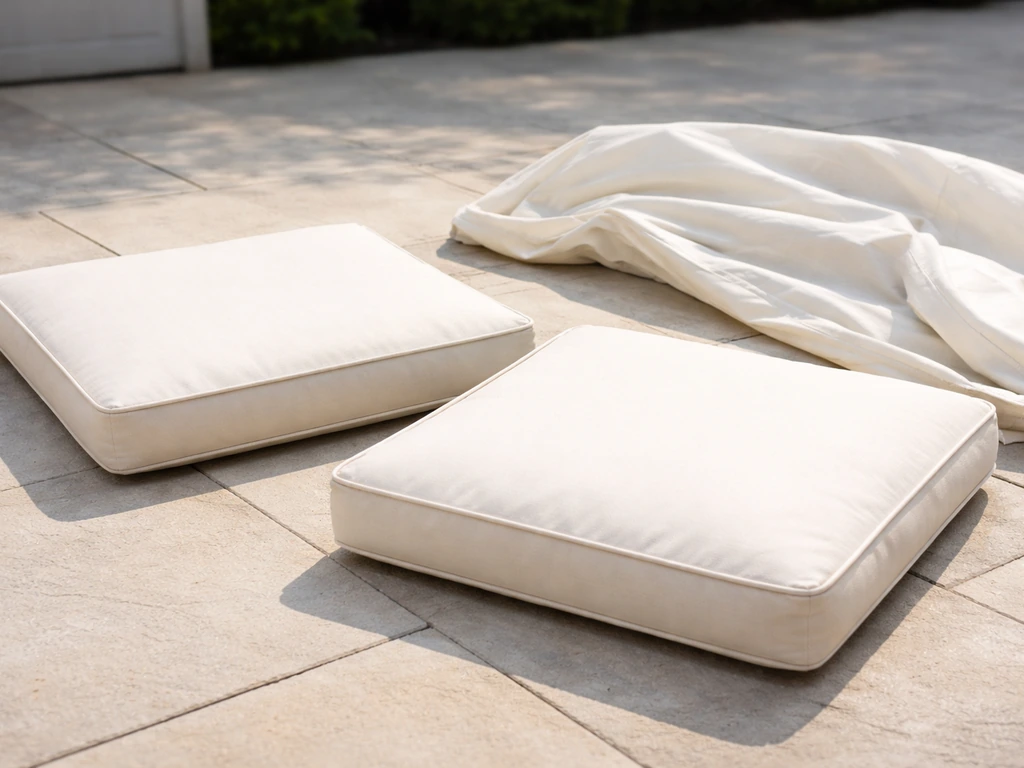
Patio cushions fail in storage for a handful of predictable reasons. They go in wet. They get stacked in ways that crush the foam permanently. They're stored near a pest entry point and end up as mouse bedding by spring. Or they sit in a non-breathable plastic bag for six months and come out smelling like a gym locker. None of that has to happen to you.
The fundamentals are simple: dry before you store, protect the fabric, allow some airflow during storage, and keep them off damp concrete or soil. Everything else in this guide is just applying those four rules to your specific storage situation, whether that's a garage, a spare bedroom, a deck box outside, or a corner of your basement.
Where to store patio cushions
Your best options, ranked from ideal to acceptable, are: indoors in a climate-controlled space, in a garage, in a shed, or in a weatherproof outdoor storage box. Here's how each one plays out in practice.
| Storage Location | Moisture Risk | Pest Risk | Best For | What You Need |
|---|---|---|---|---|
| Climate-controlled indoors (basement, spare room) | Low | Low | Long-term winter storage | Breathable bags or bins, shelf or rack |
| Garage (unheated) | Medium | Medium | Year-round or seasonal storage | Waterproof bins, pest deterrents, pallets or shelving |
| Shed | Medium | Medium-High | Seasonal storage with prep | Sealed bins, rodent traps, airflow gaps |
| Outdoor deck box or storage bench | Medium-High | Medium | Between-use storage, mild climates | Breathable cover, silica gel packs, waterproof box |
| Under a covered patio | High | High | Short-term only, summer use | Waterproof covers, elevated off ground |
Storing cushions in the garage
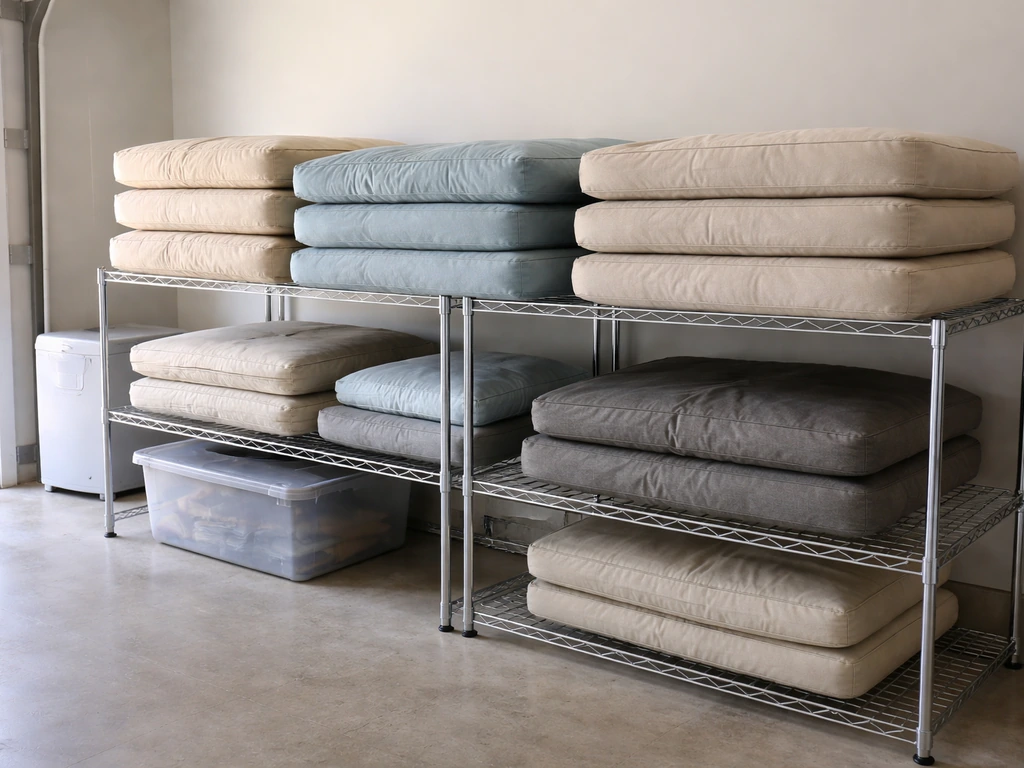
A garage is the most common storage spot for patio cushions, and it works well with a little setup. The two things working against you in a garage are temperature swings (which create condensation) and rodents. In particular, those same garage storage considerations are what you should use when you need to store patio furniture in a garage. To handle the moisture issue, get your cushions off the concrete floor.
Concrete wicks moisture upward, and anything sitting directly on it will feel damp within a few weeks. A simple wooden pallet costs next to nothing, or you can grab a wire shelving unit at a thrift store for under $20. For pests, keep cushions in hard-sided plastic storage bins with lids rather than open bags. Fabric storage bags are fine indoors but are basically an invitation for mice in a garage.
Storing cushions indoors
A spare bedroom, a basement corner, or even a large closet works great. Climate-controlled space means no condensation cycles and almost zero pest risk. Pack cushions in breathable cotton storage bags (often sold as furniture storage bags) or zippered canvas bags. These let any residual humidity escape instead of trapping it. If you're stacking them in a basement, still get them off the floor and away from any exterior walls, which can be cold and damp in winter.
How to store patio cushions outside when you have no indoor space
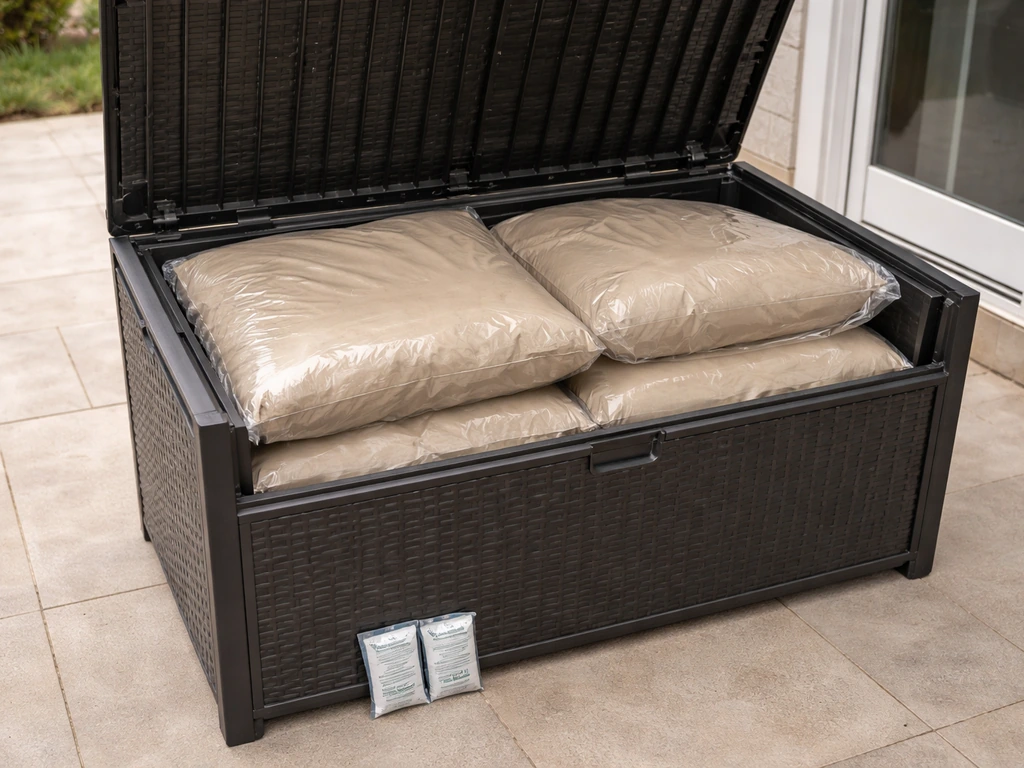
Outdoor storage is a last resort, but it's manageable if you do it right. If you’re trying to store outdoor cushions specifically, the best way to store patio furniture outside is to use a deck box or waterproof storage bench plus airflow and moisture control. The key tool here is a quality outdoor storage box, sometimes called a deck box or patio storage bench.
Look for one rated as waterproof (not just water-resistant), with a lid that seals well and ideally has some ventilation built in or small gaps that prevent a fully airtight seal. IKEA’s TOSTERÖ outdoor storage box product page notes the box is designed to help protect outdoor cushions/pads from rain, sun, dirt, dust, and pollen rated as waterproof.
Resin and heavy-duty polyethylene boxes handle weather far better than wood.
Inside the box, toss in a few silica gel desiccant packs (the kind you find in shoe boxes, or you can buy large bags cheaply online). These absorb excess humidity and are genuinely worth using. Replace them every season. Wrap each cushion in a breathable fabric bag before packing them in, rather than layering loose cushions directly into the box. This adds a buffer against any moisture that does sneak in.
One thing I'll be honest about: outdoor storage in winter climates is really short-term storage. Freeze-thaw cycles are hard on foam over multiple months, and no deck box keeps out 100% of moisture over a full winter. If you live somewhere that gets real winter (below freezing regularly), try to get at least the seat cushions inside, even if back cushions have to live in the deck box.
Winter storage for patio cushions
Winter is when most cushion damage happens, so it deserves its own plan. The cold itself isn't the biggest threat to cushion fabric, moisture is. Freezing temperatures combined with trapped moisture can break down foam cores and cause fabric to stiffen, crack, or grow mildew that you won't notice until you pull the cushions out in May.
Here's the winter storage setup that works: clean the cushions, dry them completely over at least 24 to 48 hours in a warm spot, apply a fabric protector spray (more on that in the prep section below), then pack each cushion or pair of cushions into a breathable bag.
For tips on the full winter setup for all your outdoor patio furniture, including where to store the cushions and other pieces, see this guide on how to store outdoor patio furniture in winter winter storage. Store them vertically if possible, which prevents long-term compression of the foam. Keep them in your garage on shelving or, better yet, somewhere climate-controlled. If the garage is your only option, a dehumidifier running periodically through winter makes a real difference.
Resist the urge to wrap everything tightly in plastic sheeting or airtight plastic bags for winter. I know it feels like you're protecting them, but sealed plastic traps any moisture that's still in the foam or fabric, and six cold months later you have a mildew problem. If you want to use plastic for added water protection in a garage or shed, use it loosely, more like a drape than a seal, and pair it with a breathable inner layer.
For general furniture storage strategy through the colder months, the same principles that apply to cushions apply to the furniture itself. If you need to store patio furniture, follow the same dry-first approach and prioritize breathable, off-the-floor storage to prevent moisture damage. The good news is that the same storage habits you use for cushions also apply when you care for patio furniture during the off-season. If you want a complete winter plan for the whole patio setup, you'll find it covered in more depth in the guide on how to store outdoor patio furniture in winter.
Storing large patio cushions without ruining the shape
Large cushions, like deep-seat back cushions, chaise lounge pads, or sectional pieces, need more thought than small throw pillows. The main risk is permanent foam compression from being stacked flat for months. Foam has memory, and extended pressure in one direction can leave it deformed and uncomfortable by the time you pull it out.
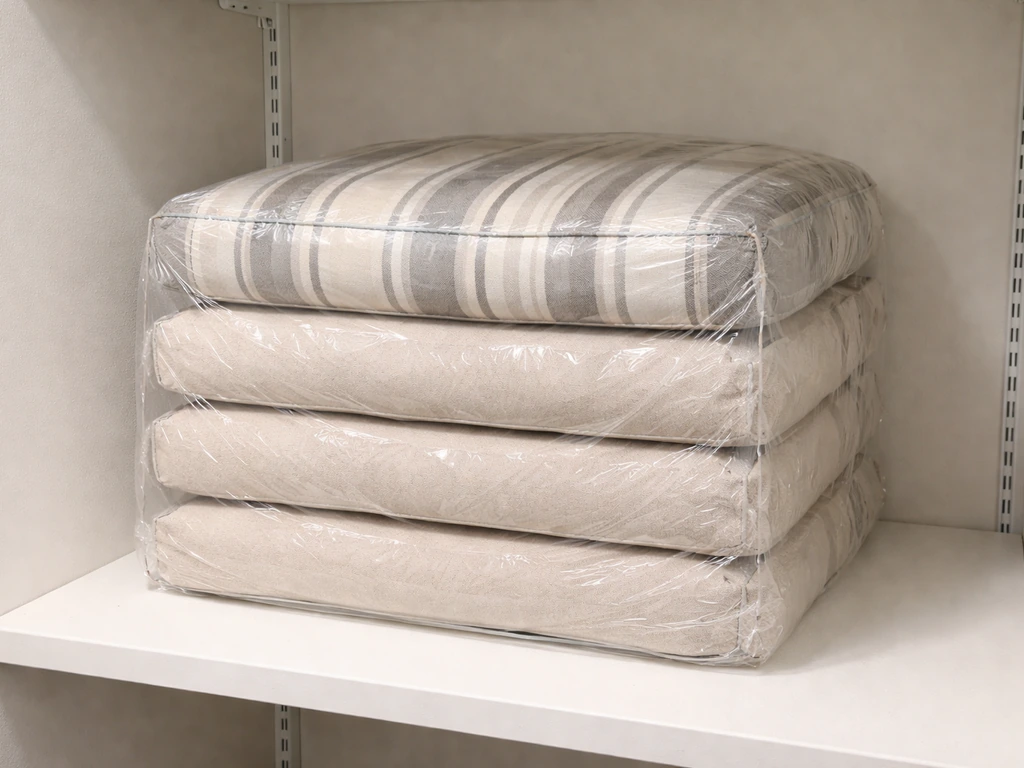
The best approach for large cushions is to store them vertically, standing on edge rather than lying flat. This means no long-term weight pressing down on the foam, and it actually saves a lot of floor space too. Lean them against a wall or the side of a garage shelf. If you're storing more than a few, a simple vertical storage rack made from two pieces of lumber and some dowels costs almost nothing to build and keeps them organized and separated.
If you have to stack large cushions flat, keep it to no more than two or three high, and alternate which end faces up each month (more on periodic checks later). Never stack anything heavy on top of them. Even a bin of tools or a bag of fertilizer sitting on cushions for a season will leave impressions.
- Store large cushions vertically on edge whenever possible to prevent foam compression
- If stacking flat, limit to 2 to 3 cushions high and nothing heavy on top
- Keep cushions separated from each other with a breathable layer between each one
- Give chaise pads extra space: they're too long to stack easily and usually do best stored flat on a shelf dedicated to them
- Label each cushion with painter's tape if you have multiple sets, so reassembly is easy in spring
Step-by-step prep before you put anything into storage
This is the part people skip, and it's why they end up with ruined cushions. Taking an extra hour or two to prep properly is genuinely the highest-value thing you can do. Here's exactly what to do.
- Remove cushion covers if they're zip-off, and wash them according to the fabric care tag. For Sunbrella and most solution-dyed acrylic fabrics, hand-washing with mild soap and cool water works well. For cushions without removable covers, spot-clean the fabric directly.
- Mix a cleaning solution for any mildew or heavy soiling: 1 cup of bleach and 1/4 cup of mild soap per gallon of water works well for Sunbrella-type fabrics. Apply with a soft brush, let it sit for 15 minutes, rinse thoroughly.
- Blot up any excess water with clean towels, then allow the cushions to air dry completely. Set them in a sunny, breezy spot. 'Completely dry' means the foam core feels dry, not just the fabric surface. On a warm day this can take 24 hours. On a cool or humid day, plan for 48 hours minimum. Do not rush this step.
- Check the foam cores. Press each cushion firmly in the middle and feel for any remaining dampness. If it feels cool or spongy, it's not ready. A damp core going into storage will almost always mildew.
- Apply a fabric protector spray once everything is fully dry. For Sunbrella, Jensen Outdoor specifically recommends Sunbrella Fabric Protector applied to all dry and clean surfaces, then allowed to dry completely before packing. This improves water and dirt repellency and adds a layer of mold and mildew inhibition for the storage period.
- Inspect for pest entry: check foam cores and seam areas for any existing damage, eggs, or debris. If you've had pest problems before, tuck a few cedar blocks or sachets into the storage area (not directly touching fabric, as cedar oil can stain).
- Pack into breathable storage bags or bins. Do not use sealed plastic bags. Fabric bags, cotton pillowcases for small cushions, or bins with ventilation are all good options.
One mistake I made early on: I thought my cushions were dry because the outside fabric felt dry to the touch after a sunny afternoon. Packed them up, came back in spring to foam that smelled musty all the way through. The lesson is that the foam core takes much longer to dry than the cover fabric. If you're in any doubt, give it another day.
Covering and maintaining cushions while they're in storage
Once your cushions are packed and stored, you're not quite done. A quick maintenance check every four to six weeks during long storage periods catches problems early and saves you from a nasty surprise in spring.
When you check on them, open the bags or lift the bin lids and let fresh air circulate for 30 minutes. Feel for any dampness. Smell for any musty odor, which is your early warning sign for mildew before it becomes visible. If you catch a musty smell early, pull the cushions out, dry them again in a warm spot, and re-treat with fabric protector before re-storing. Caught early, mildew is a setback. Caught in spring after six months, it's often a replacement.
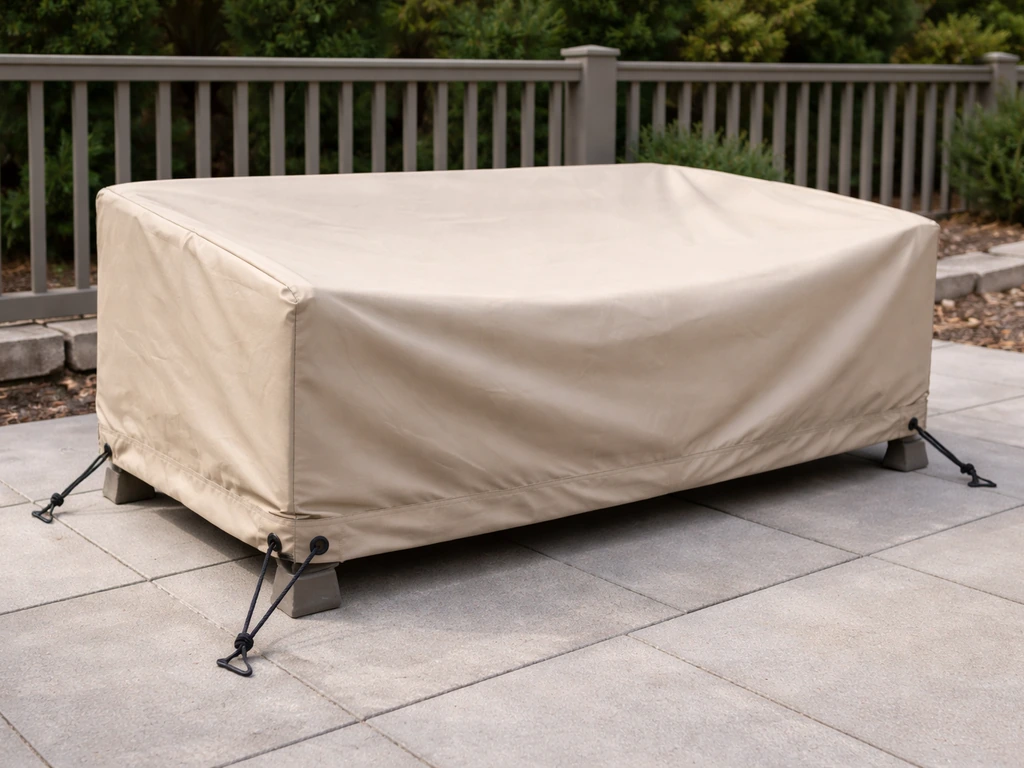
For covers: a dedicated patio cushion storage bag made of a breathable material like canvas or non-woven polypropylene is ideal. These are widely available online for $15 to $40 depending on size, and they're worth having. Avoid plastic zipper bags for anything going into long-term storage. If you're storing cushions in a deck box outside, a loose waterproof cover draped over the entire box adds an extra rain barrier without sealing in moisture.
If you're storing cushions alongside patio furniture covers, keep those stored separately (ideally hung or folded loosely), since damp covers in close contact with cushions can transfer moisture. If you also need to store patio furniture covers, the same dry, breathable approach helps prevent mildew and odors during long storage. That's a common and avoidable problem.
Finally, when spring arrives and you're ready to bring everything back out, pull the cushions out a few days before you need them, let them air out fully in a shaded outdoor spot, and check the fabric for any stiffness or spots. A quick brush-down and a re-application of fabric protector at the start of the season sets you up well and makes end-of-season cleanup much easier next time around. That seasonal care habit, not just storage, is what actually extends the life of your cushions year over year.
FAQ
How dry do patio cushions need to be before storage, and how can I tell the foam is fully dry?
Aim for bone-dry throughout, not just dry to the touch. A practical test is to squeeze the foam core through the cover or press a folded corner and hold it for 10 to 15 seconds, if it feels cooler or slightly damp when released, it is not ready. If you have time, dry in a warm room with airflow for 24 to 48 hours, since foam cores often take longer than the fabric.
Can I store patio cushions right after rain or washing if I can’t get them completely dry?
It is better to wait until they are fully dry, but if you are stuck, prioritize getting them into breathable conditions immediately rather than sealing them. Stand them on edge, use a fan to move air through the stack, and avoid putting them on concrete or soil. If any musty smell starts forming during storage, take them out and re-dry before the problem spreads to the foam.
What’s the best way to keep outdoor cushions from getting crushed or permanently deformed?
Store large cushions vertically on edge whenever possible, leaning against a wall or a shelf. If you must lay them flat, limit stacking to two or three layers, avoid heavy items on top, and switch which end faces up monthly. This reduces long-term pressure on the foam, which is what causes memory and uneven firmness.
Is it okay to use silica gel desiccant packs in a garage, or will they make moisture worse?
Yes, silica gel helps, but use it correctly. Put a few packs in the storage bin or bag area without sealing everything airtight, and keep packs from directly touching fabric if they contain sharp edges or packaging. Replace them each season, and if the packs are consistently “spent” quickly, you likely need better airflow or a dehumidifier strategy.
Should I store cushions in breathable fabric bags even if I use a waterproof deck box outdoors?
Yes, as long as the outer storage is not airtight. Use breathable bags or wrap each cushion individually to add a moisture buffer, then place them inside the deck box. Avoid layering loose cushions directly together if you are in a humid area, since trapped micro-moisture can transfer odors and mildew from one piece to another.
What’s the safest way to use plastic in storage without causing mildew?
Use plastic only as a loose rain shield, not as an airtight seal. In a garage or shed, if you add plastic for water protection, drape it loosely and keep an inner breathable layer such as canvas or non-woven fabric. Airtight plastic is risky because it traps any residual moisture in the foam.
How do I protect cushions from rodents, especially in a garage?
Use hard-sided, lidded storage bins for garage storage, and keep bags minimal or avoided in rodent-prone spaces. Don’t store near obvious entry points like gaps under doors, and keep the bins elevated off the concrete. If you see droppings or nesting material during checks, clean the area and restart with fully dry, re-bagged cushions.
How often should I check stored patio cushions in winter, and what should I do if I find a problem?
Check every four to six weeks during long storage. Open lids or bags briefly for about 30 minutes, then feel for dampness and smell for musty odor. If you catch mildew early (musty smell before visible spots), re-dry in a warm place, reapply fabric protector, and re-store with better airflow. If mildew is already established by spring, replacement is often more practical than trying to fully reverse it.
Can I store patio cushions directly on the floor of my garage or shed?
Avoid it. Concrete and damp floors wick moisture upward, causing cushions to feel damp within weeks. Instead, store them on a wooden pallet, wire shelving, or a raised rack so air can circulate underneath and the cushions stay off cold surfaces.
When I bring cushions back out in spring, should I wash them again before first use?
Not always, but air-out first. Pull cushions a few days early, let them breathe in a shaded outdoor spot, then inspect for stiffness or spots. Brush off debris, and if you notice lingering stiffness or early mildew signs, re-clean and reapply fabric protector before regular use.