Clean it, dry it completely, and get it indoors if you can. That's the core of winter patio furniture storage. But there's a lot of nuance depending on your climate, your furniture material, and how much storage space you actually have. This guide walks you through every step: deciding whether you even need to store it, prepping it properly, choosing the right spot, protecting cushions, and avoiding the mistakes that cause rust, mildew, and cracked frames over a single winter.
How to Store Outdoor Patio Furniture in Winter Safely

Maren Grady
17 May 2026
Do You Actually Need to Store It?
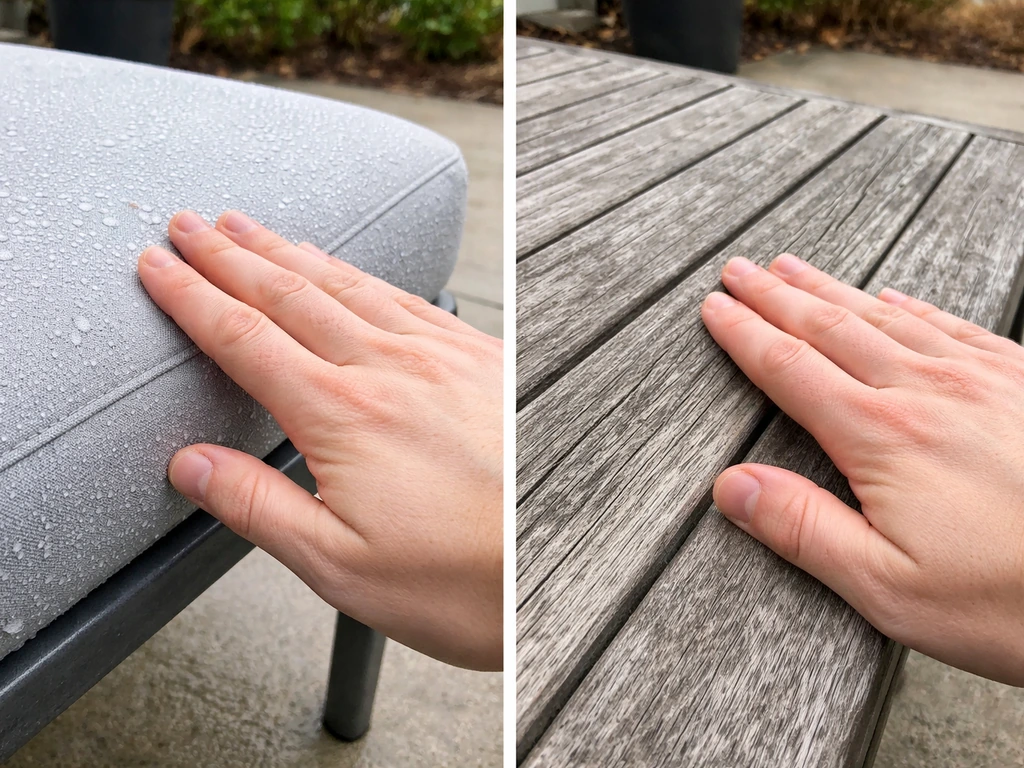
Not every climate demands full winter storage, and not every furniture material needs the same level of protection. Before you drag everything into the garage, it's worth figuring out what your furniture actually needs versus what's just overkill.
If you live somewhere with mild winters (think Zone 9 or 10, where temps rarely drop below freezing and rain is your main concern), many materials can stay outside with a good cover. Powder-coated aluminum, quality teak, and HDPE poly lumber like POLYWOOD are all reasonably tough against moderate cold and moisture. In that case, outdoor storage with proper covers and elevation off the ground is a completely reasonable approach.
If you get hard freezes, heavy snow, or prolonged wet seasons, the calculation changes fast. Cast iron will rust if left outdoors unattended through a wet winter. Wicker and rattan absorb moisture and develop mildew or crack. Wood frames can split when water gets in and freezes. Cushions stored outside almost always end up damp, mildewy, or worse. In those climates, indoor storage isn't just a nice idea, it's the only way to actually protect your investment.
A simple rule: if you're getting consistent overnight freezing temps or more than a couple of inches of snow per season, plan to store everything you can indoors, and cover everything else carefully. If your winter is more 'rainy and cool' than 'frozen,' outdoor storage with the right setup is workable for most hard furniture.
| Furniture Material | Mild Winter (Cool/Rainy) | Harsh Winter (Freezing/Snow) |
|---|---|---|
| Powder-coated aluminum | Cover outdoors, OK | Bring indoors or covered storage |
| Cast iron | Cover outdoors, risky | Must store indoors, dry room |
| Teak / hardwood | Cover outdoors, OK | Indoors preferred; oil before storage |
| HDPE poly lumber | Can stay outside | Can stay outside with cover |
| Wicker / rattan | Covered outdoor storage, risky | Must store indoors, dry space |
| Outdoor cushions | Indoors always preferred | Indoors always, no exceptions |
Prep First: Clean, Dry, and Fix Before You Store Anything
Here's where I've made the classic mistake: rushing to get furniture stored before a storm and skipping the prep. You pull it out in spring and find rust spots, mildew stains, and fabric that smells like a wet basement. Proper prep takes a few hours but saves you a whole season of repairs.
Cleaning Each Material
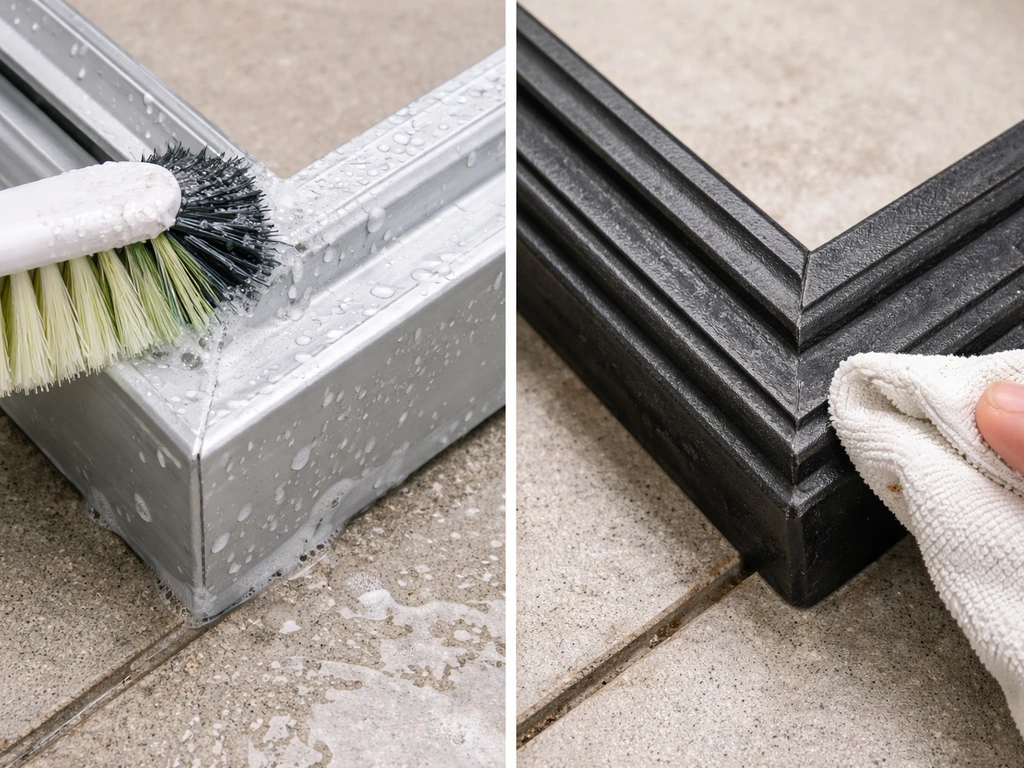
For aluminum (powder-coated or otherwise), rinse the frame with clean water, scrub off any grime or bird droppings with a mild soap solution, then rinse again and towel-dry immediately. HOUE also advises cleaning and drying powder-coated aluminum furniture before storing it in a covered, dry location to avoid storing it while wet blank" rel="noopener noreferrer">rins e again and towel-dry immediately. Don't let it air-dry and call it done. Water sitting in joints or crevices is how you get corrosion.
For cast iron, wipe it down and check for any rust spots before storing. Treat existing rust with a rust-resistant paint or sealant before it goes into storage. A spot of rust left untreated through a cold, damp winter becomes a much bigger problem by spring.
For wicker and rattan, brush out any debris caught in the weave, wipe down with a damp cloth, and let it dry completely in a warm, ventilated space. Never store wicker while damp. Moisture trapped in the weave is exactly how mildew starts.
For cushions and fabric, more detail in a section below, but the short version: clean them, rinse them fully, and make absolutely sure they are bone-dry before storage. Even slightly damp fabric stored in a bag will mildew within weeks.
Handle Repairs Before Storage, Not After
Winter is not kind to existing damage. A small crack in a wicker weave becomes a broken section. A tiny rust spot on a steel frame spreads under the surface. A loose joint on a wood chair gets worse as it expands and contracts through freezing temps. Before you store anything, do a quick inspection: tighten loose bolts, touch up any rust with a rust-resistant primer or paint, and fix or replace any damaged wicker or fabric panels. It's far easier to deal with small repairs now than to dig out damaged furniture in March.
Detachable Parts: Umbrellas, Hardware, and Accessories
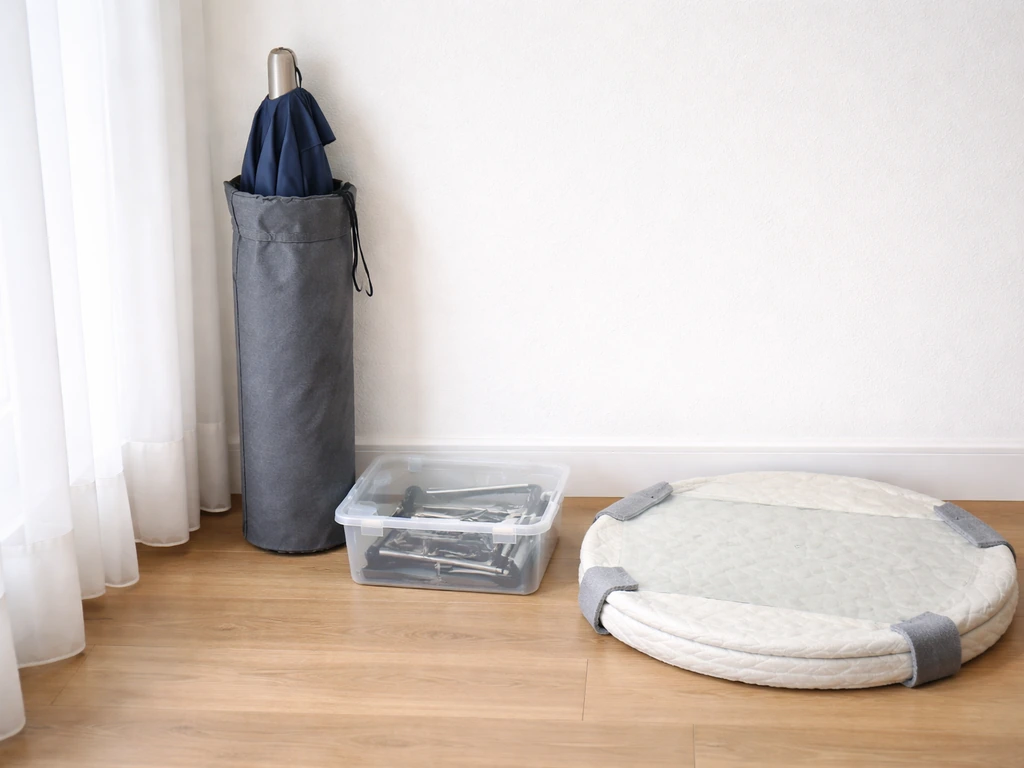
Take umbrellas down completely, wipe them clean, and store them separately (laid flat or upright in a dry space). Remove any removable hardware like cushion clips, glass tabletops, or decorative accessories. Glass tabletops should be stored upright against a wall (never flat-stacked where they can crack under their own weight) and wrapped in moving blankets or cardboard. Store small hardware in labeled zip-lock bags taped to the frame or piece they belong to, so you're not hunting for screws in April.
Where to Store It: Indoors, Garage, or Shed
Indoor storage is the gold standard for most furniture types. A dry, ventilated space protects against moisture, temperature swings, pests, and UV damage all at once. The challenge is usually space, so let's talk about how to make it work.
Garage Storage
A garage is the most common solution and works well if it stays reasonably dry. If you are trying to store patio furniture in a garage, focus on keeping items dry, ventilated, and raised off cold concrete A garage is the most common solution. Stack chairs seat-to-seat to cut the footprint in half. Fold tables flat and lean them against the wall.
Use ceiling-mounted hooks or a pulley system for lightweight pieces like folding chairs to get them completely off the floor. If your garage gets moisture (condensation on the walls in winter is a bad sign), add a dehumidifier or at least get furniture up on wooden pallets so it's not sitting on a cold concrete floor that wicks moisture upward.
Shed Storage
A shed works fine as long as it's weathertight and ventilated. Check the roof and walls for any gaps before storing furniture there. Poor shed ventilation creates a damp microclimate that's almost as bad as leaving furniture outside. A purpose-built outdoor storage box with built-in ventilation and a lockable lid (like what Keter makes) is a solid option for cushions, small accessories, and lighter furniture pieces when you're short on shed space.
Basement or Interior Storage
A cool, dry basement or even a spare room works great for the most delicate pieces: wicker, rattan, and anything with fabric or cushioning. IKEA's outdoor furniture guidance specifically recommends 'a cool, dry place indoors' for off-season storage, and that's solid advice. Avoid damp basements without dehumidification though; those can be worse than a well-ventilated garage.
Staging Tips for Tight Spaces
- Nest chairs together and stack them 3-4 high using furniture dollies for easy movement
- Store tabletops vertically, leaning against a wall with padding between them
- Use vertical wall space with hooks for lighter items like folding chairs and small accessories
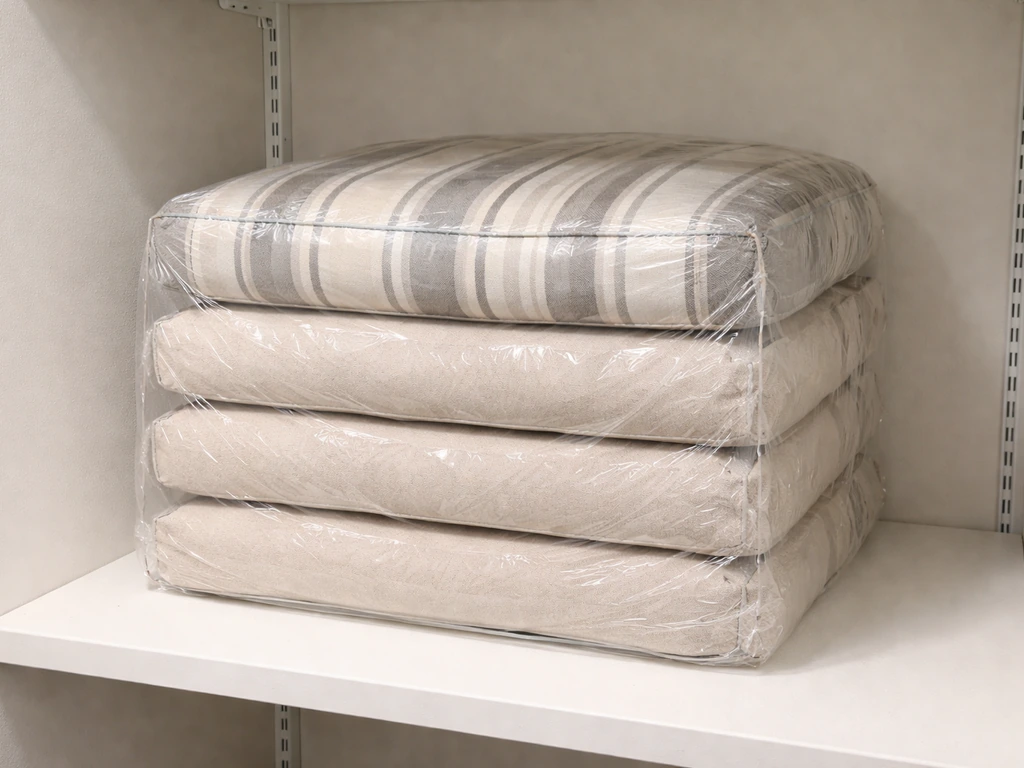
- Put cushions in labeled storage bags and stack them on shelves rather than on the floor
- Disassemble modular sectional pieces and stack them flat to cut the storage footprint dramatically
When You Have to Leave It Outside
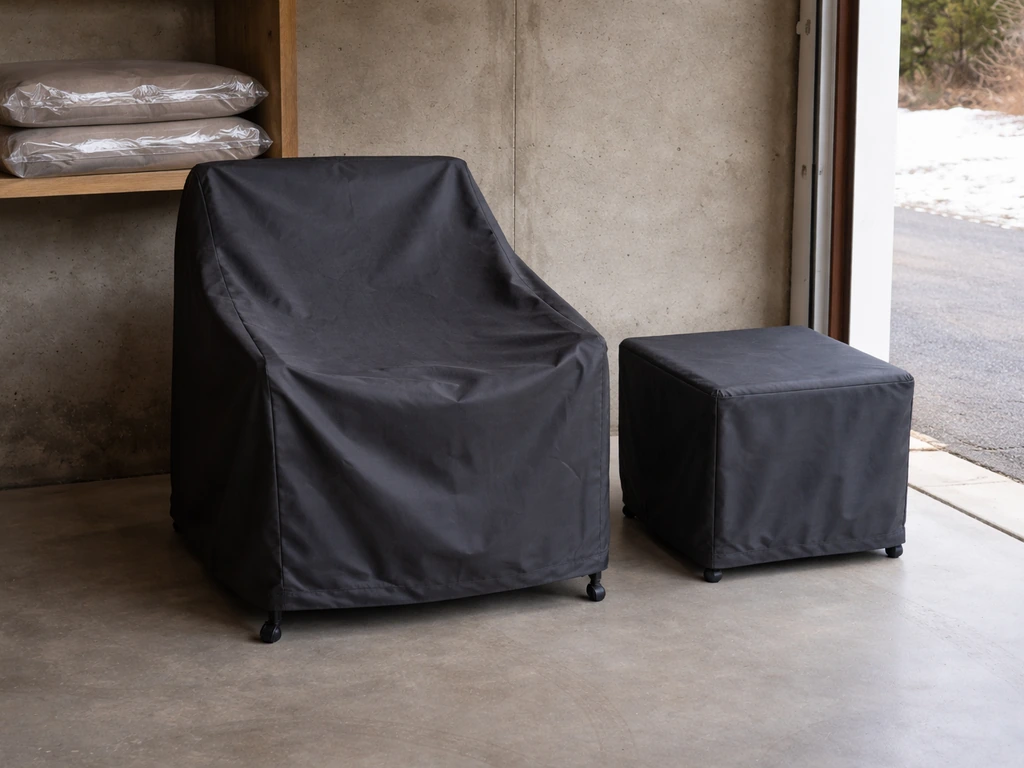
Sometimes indoor storage just isn't possible, whether it's a large sectional, a heavy dining set, or just a lack of covered space. Outdoor winter storage can work, but only if you do it right. If you need the best way to store patio furniture outside, focus on using the right cover, keeping cushions protected, and elevating everything off the ground. Throwing a vinyl tarp over your furniture and calling it done is one of the most common ways people damage their pieces without realizing it.
Choose the Right Cover
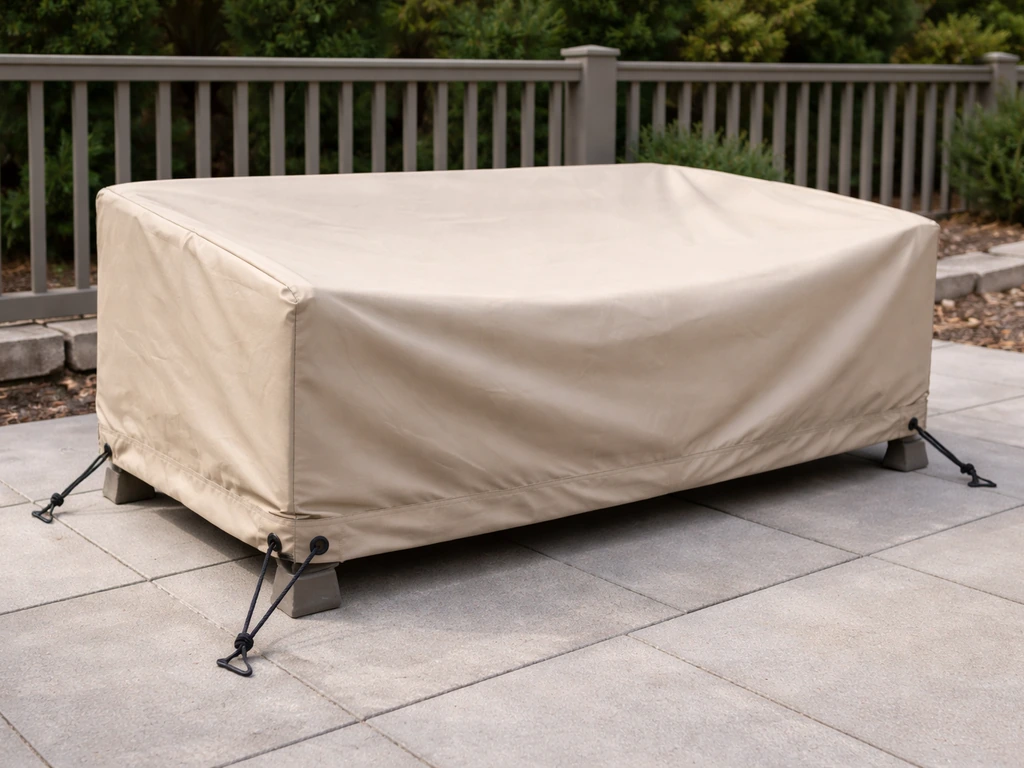
Vinyl covers are completely waterproof, which sounds ideal until you realize they trap moisture underneath. Condensation builds up inside a sealed vinyl cover, and your furniture sits in that humid microenvironment all winter. Breathable covers, made from polyester or solution-dyed fabrics, allow moisture vapor to escape while still blocking rain and snow from soaking in. That's the balance you're looking for. If you are leaving furniture outside, the key to how to store patio furniture covers is to choose breathable options and set them up with airflow. If you already own a vinyl cover, at minimum leave the bottom partially open for airflow rather than cinching it tight to the ground.
Elevate Everything Off the Ground
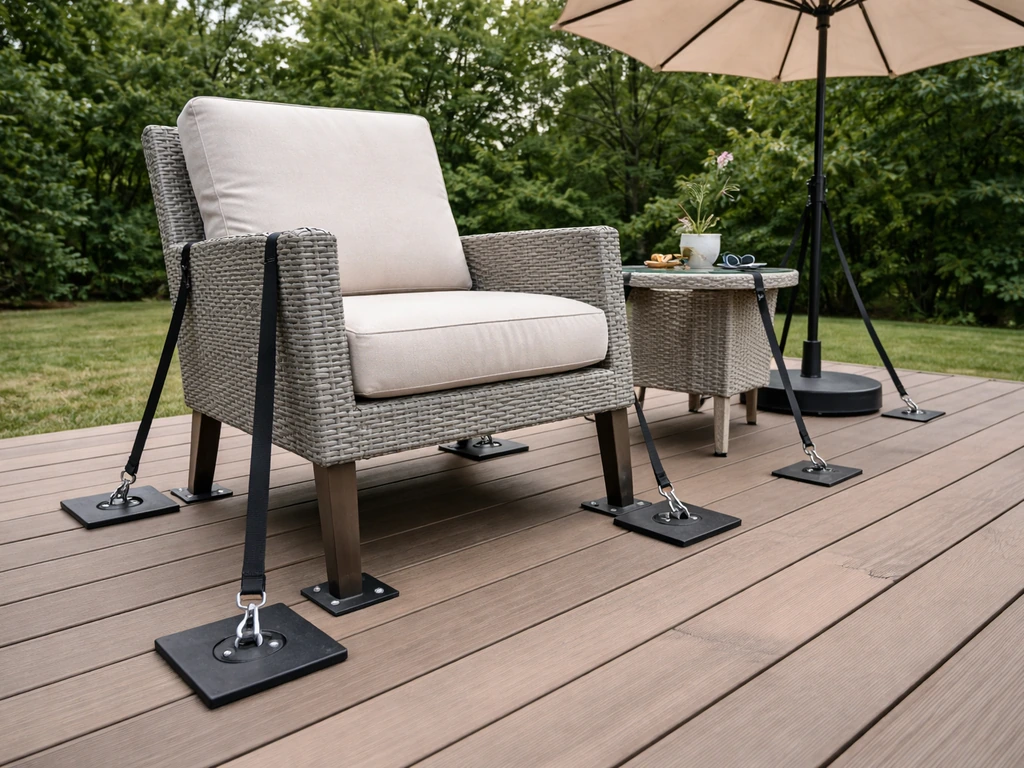
Ground contact is where moisture damage starts. Even on a patio or deck, furniture sitting directly on a surface wicks up moisture, especially during freeze-thaw cycles. Use wooden blocks, furniture feet, or plastic risers to get legs at least an inch or two off the surface. This small step makes a real difference in how dry the undersides of frames and legs stay through winter.
Position for Airflow and Wind
If you're stacking chairs or grouping pieces together under a cover, don't seal everything so tightly that there's zero airflow inside. Leave a little gap at the bottom of covers for circulation. Also think about wind: in exposed locations, use tie-down straps or bungee cords to secure covers so they don't blow off mid-January. And where possible, move furniture to a sheltered spot like a covered patio, carport, or against a fence or wall that blocks prevailing winds.
Protecting Cushions, Covers, and Fabric
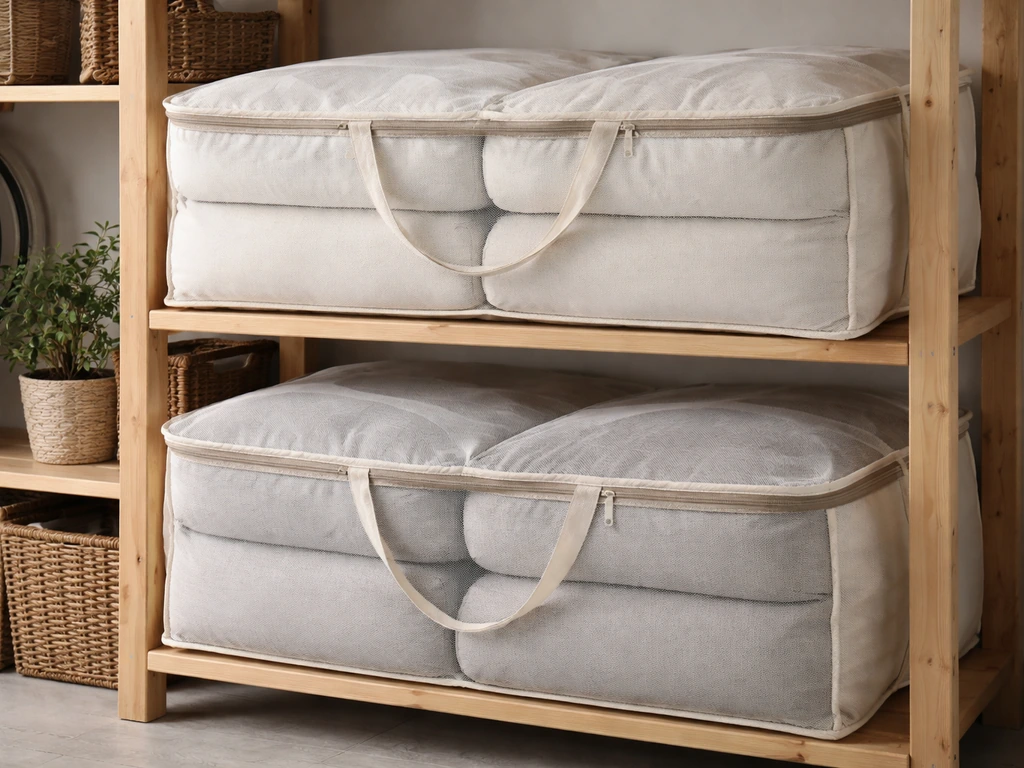
Cushions need to come inside. Keter advises storing cushions when temperatures drop and rain or snow becomes likely Cushions need to come inside.. Full stop. Even if your frames are staying outside, make the trip to bring cushions indoors. This is the single most impactful thing you can do to extend the life of your outdoor furniture set, and it's easy. Here's how to do it right.
Cleaning and Drying Cushions Before Storage
Even Sunbrella and other mildew-resistant performance fabrics will develop mildew if stored dirty. Mildew doesn't grow on the fabric itself, it grows on the dirt and organic material sitting on top of the fabric. So clean your cushions before storing them. For most outdoor fabrics, that means a mild soap and water scrub, a thorough rinse, and then air-drying completely. 'Completely' means not just surface-dry but dry through the foam fill, which can take a full day or more in a warm, ventilated spot. Storing even slightly damp cushion foam is how you get that musty smell that never fully goes away.
Bagging and Storing Cushions
Once dry, store cushions in breathable storage bags, not sealed plastic garbage bags. Breathable bags let any remaining trace moisture escape rather than trapping it against the fabric. Stack them on a shelf rather than stacking heavy pieces on top of cushions, which can permanently compress the foam. Keter's storage chests with built-in ventilation work well for this if you need an outdoor cushion storage option. For cushion covers that come off, wash them separately, let them dry flat, and fold them inside the bag with the cushion.
When You Absolutely Cannot Bring Cushions Inside
If storing cushions indoors truly isn't an option, lay seat cushions flat on the seat surface and lay back cushions down flat on top before covering the whole piece with a breathable furniture cover. This keeps them off the ground and in as protected a position as possible. It's not ideal, but it's better than standing them upright where water can pool or leaving them exposed entirely.
Guarding Against Pests
Mice and other small pests love stored cushions for nesting. A few simple precautions help a lot: store cushions off the floor on shelving, use hard-sided storage bins with lids when possible, and avoid storing near food sources or garbage areas. Cedar blocks placed inside storage bags can also help deter insects. Check on your stored cushions mid-winter if you're in a region with active rodent populations.
Your Winter Storage Checklist (and What Not to Do)
Use this as your actual to-do list when winter prep time comes. Work through it in order and you'll have everything covered.
- Assess your climate: decide whether full indoor storage or outdoor-with-covers is the right approach for your furniture materials
- Inspect all pieces for damage: tighten loose hardware, touch up rust spots with rust-resistant primer or paint, and repair any broken weaves or cracked joints before storing
- Clean all hard furniture frames with mild soap and water, rinse thoroughly, and towel-dry completely before moving to storage
- Clean cushions and outdoor fabrics, rinse fully, and allow to air-dry completely (including through the foam fill) before bagging
- Bag cushions in breathable storage bags and store them indoors on shelving, off the floor
- Disassemble what you can: take down umbrellas, remove glass tabletops, separate modular sections, and bag small hardware in labeled zip-lock bags
- Stage furniture in your storage space efficiently: stack chairs, store tabletops vertically, use wall hooks for lightweight pieces
- If leaving furniture outside: elevate it off the ground with wooden blocks or risers, use a breathable (not sealed vinyl) cover, and secure the cover against wind
- Do a final check: make sure nothing is wet, covers are secure, and any removed hardware is stored with the piece it belongs to
Mistakes That Will Haunt You in Spring
| Mistake | What Goes Wrong | What to Do Instead |
|---|---|---|
| Storing anything wet or damp | Mildew, rust, and mold develop inside storage | Towel-dry frames; fully air-dry cushions before storage |
| Using a sealed vinyl cover outdoors | Moisture condenses inside and sits on furniture all winter | Use a breathable cover or leave the bottom open for airflow |
| Leaving cushions outside or in a shed | Moisture, mildew, and pests destroy foam and fabric | Bring cushions inside, stored in breathable bags on shelving |
| Skipping rust treatment on metal | Small rust spots spread significantly under cold, damp conditions | Treat all rust spots with rust-resistant primer before storage |
| Storing wicker or rattan without drying fully | Mildew grows in the weave; structure weakens or cracks | Dry in a warm ventilated space before moving to storage |
| Stacking heavy items on cushions | Foam gets permanently compressed and loses its shape | Store cushions flat on shelves, not under heavy pieces |
| Leaving furniture directly on concrete or ground | Moisture wicks up through legs; frost can crack feet | Elevate on wooden blocks or plastic risers |
If you're working through this and realizing your cushion game needs a bigger overhaul, the topic of how to store patio cushions specifically goes much deeper into bag types, foam protection, and mildew recovery. And if space is your real constraint, figuring out how to store patio furniture in the garage with a smart layout system makes a big difference in how much you can actually fit. The prep work you put in now is directly proportional to how good your furniture looks when you pull it back out in spring, and that's always worth the few hours it takes.
FAQ
Do I need to store furniture if the forecast only shows a few freezing nights?
If freezes are brief and you can keep items dry and ventilated, you may leave hard pieces outside temporarily with a breathable cover and raised legs. Still clean and dry first, and bring cushions inside. If you expect a multi-week stretch below freezing, plan full storage to prevent freeze-thaw damage.
What’s the safest way to dry furniture before storage?
After rinsing or washing, towel-dry accessible areas and then let the pieces sit in warm, ventilated air until water is gone from joints, corners, and fabric seams. For furniture with frames plus mesh or slats, tilt or stand it so water can drain out, then wait an extra day if you can smell dampness or see fogging inside covered areas.
Can I store patio furniture outdoors if I use a waterproof tarp?
A fully waterproof tarp often traps moisture, which increases mildew and corrosion risk. If you must cover outdoors, use a breathable cover designed for outdoor storage and keep an airflow gap near the bottom. Never cinch a cover airtight to the ground, and tie it down so it stays secure during wind.
How do I store furniture that has cushions attached and can’t be easily disassembled?
For sets where cushions stay clipped on, remove cushions if at all possible, even if it’s awkward. If you truly cannot remove them, at minimum keep the set elevated, choose a breathable cover, and position it so rainwater cannot pool. In cold climates, however, attached cushions still tend to trap moisture and will likely mildew.
Should I store cast iron outdoors if it’s been cleaned and oiled?
Cleaning helps, but cast iron is still vulnerable to winter damp. If you oil it, apply a thin protective layer and recheck after a major wet period, not just in spring. In hard-freeze regions, indoor storage is still the safest choice because rust can start under the oil when moisture cycles.
What’s the best way to prevent rust on metal furniture during winter storage?
Remove all visible grime first, dry thoroughly, then inspect for tiny chips in paint or powder coating. Touch up bare spots with rust-resistant primer or paint before storage. For long winters in garages, consider placing a moisture-absorbing desiccant or using a dehumidifier, especially if you notice condensation on walls.
Is it okay to stack chairs under a cover to save space?
Stacking reduces footprint, but don’t pack too tightly that air cannot move. Leave circulation space under the cover, and avoid putting heavy tables directly on cushions or delicate wicker. If possible, stack seat-to-seat for chairs and keep covers secured so they do not shift and rub.
How often should I check stored outdoor furniture in winter?
A quick mid-winter check is ideal, especially in wet or rodent-prone areas. Look for condensation under covers, musty odors, new rust spots, and any sagging that could trap water. If you see dampness, re-dry and adjust airflow immediately rather than waiting until spring.
What’s the correct way to store glass tabletops?
Store them upright, not flat-stacked, and wrap to prevent edge-to-edge pressure and chipping. Keep them away from places where they could be knocked over, like high-traffic garage corners. If you have multiple panels, separate them with padding so they do not grind against each other.
Can I use furniture polish or sprays before winter storage?
You can use protective products, but only after the furniture is fully clean and dry. Avoid spraying products on fabric cushions, and be cautious with products that leave residue on breathable surfaces, since residue can trap dirt that later becomes mildew. For metal, a proper touch-up on bare spots matters more than a glossy coat.
Do I need to store umbrella canopies completely dry and open?
Dry fully before storage, and close the umbrella only once water has stopped collecting in seams. For canopies, leaving them open in a sheltered, ventilated area briefly can help any trapped moisture evaporate. Then store separately from furniture to avoid mildew transfer and reduce condensation risk.
How do I store patio cushions if I only have sealed plastic bins?
Sealed bins can work only if cushions are truly bone-dry for several hours or more after cleaning. If there is any risk of residual moisture, the bin can trap it and lead to mildew. If you use plastic bins, place a moisture-absorbing desiccant inside and avoid overpacking to prevent foam compression and trapped damp pockets.