To set up patio furniture the right way, start by measuring your space and sketching a basic layout, then clean and level the surface before assembling each piece with hardware fully tightened. Position everything with at least 36 inches of clear walkway, create distinct zones for dining and lounging, and finish by covering or treating every piece to protect it from weather damage. The Access Board Outdoor Guide also specifies accessibility clearance requirements around certain picnic-table seating areas, including a 36-inch clear ground space measured from the back edge of seats or benches. It sounds like a lot, but you can realistically go from bare patio to a fully functional, protected outdoor setup in a single afternoon.
How to Set Up Patio Furniture: Step-by-Step Guide
Maren Grady
27 May 2026
Quick planning: measure your space and pick a layout
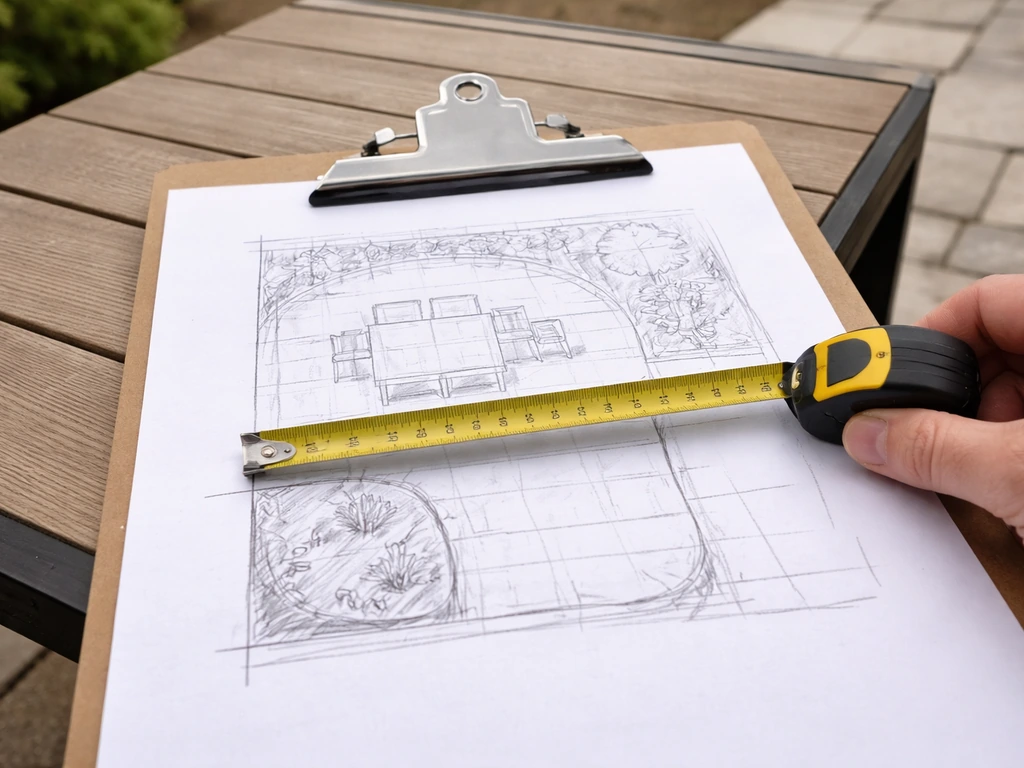
Before you drag a single chair outside, grab a tape measure and spend ten minutes writing down your patio's dimensions. I skipped this step the first time I set up an outdoor space and ended up with a dining table that blocked the back door. Don't do that. Measure the full length and width, then note where doors, steps, and any fixed structures like built-in grills or planters sit. These are your hard boundaries.
Once you have your measurements, sketch a rough overhead view on paper or use a free app like Planner 5D. You don't need anything fancy. The goal is to make sure you're leaving enough room for people to actually move around. A good rule of thumb: plan for at least 36 inches of clear walkway on any path people will regularly use. For a dining setup, you need 36 to 48 inches around the table so chairs can pull out and someone can still walk behind a seated guest. For a lounge zone with sofas and chairs, 30 to 36 inches of access around the seating is usually enough since nobody is scooting a chair out to sit down.
If you're working with a smaller patio, prioritize one primary use rather than cramming in both a dining set and a full lounge. A 10 x 10-foot patio can comfortably hold a 4-person bistro set with walkway clearance. Going bigger than that in a small space usually just creates a crowded obstacle course. Deciding on your main layout early (dining, lounge, or a split zone) shapes every decision after this point, so it's worth a few minutes of thought now.
Surface prep: level, clean, and protect your patio before anything goes on it
A dirty or uneven surface causes more furniture problems than most people expect. Grime and grit act like sandpaper under furniture legs, slowly grinding through protective coatings and leaving rust-prone scratches on metal frames. And even a slight surface slope means chairs and tables will wobble or slowly creep across the patio over time. Fixing this before you set up is a lot easier than troubleshooting it after.
Cleaning the surface
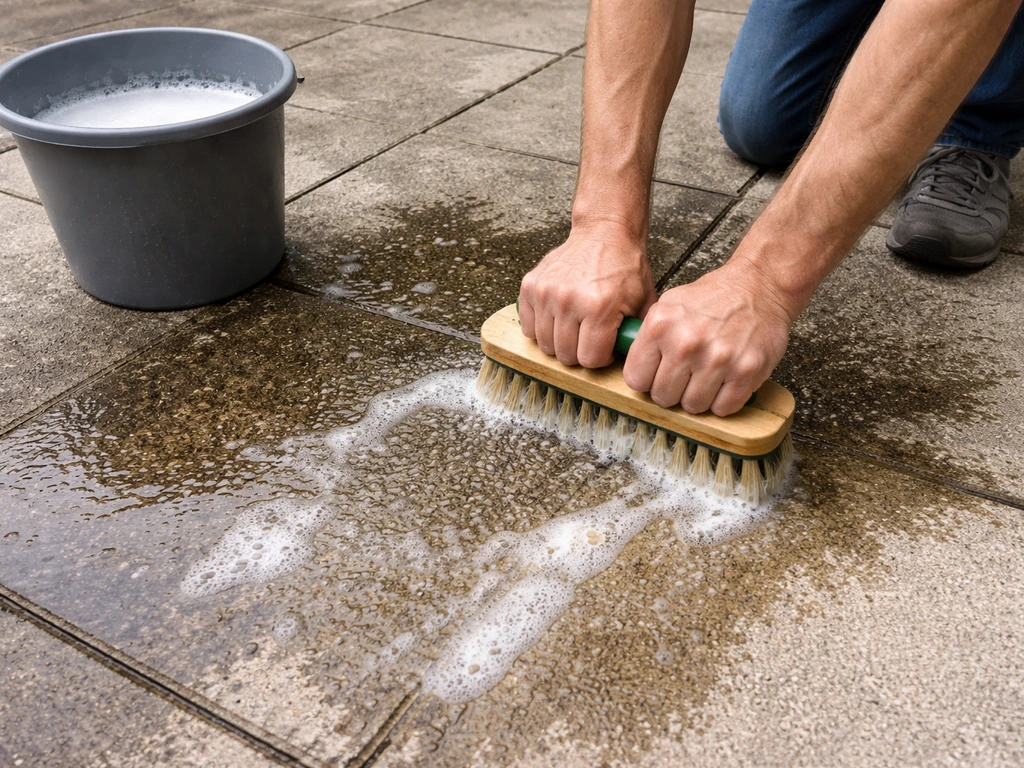
Sweep the entire patio first to clear loose debris, then scrub it down with a stiff deck brush and a mix of dish soap and water. For concrete or pavers, a pressure washer set to around 1500 PSI will clear out mildew and embedded dirt in about 20 minutes. If you don't own one, most hardware stores rent them for $40 to $60 a day. Let the surface dry completely before placing any furniture, especially if you're setting down a rug or any pieces with fabric elements.
Leveling and preventing wobble
Check your patio for level with a basic bubble level (under $10 at any hardware store). Slight drainage slopes are normal and fine, but if you notice a significant dip or tilt, flag those spots. For furniture placed on uneven pavers, adjustable rubber leg caps or felt furniture pads under individual legs can compensate for small gaps without shimming the whole patio. For wood decks with warped boards, consider whether a board needs securing before you load weight onto it. Wobbly furniture on an uneven surface is one of the fastest ways to loosen frame joints and crack welds, so this step genuinely extends the life of your pieces.
Protecting the surface and furniture contact points
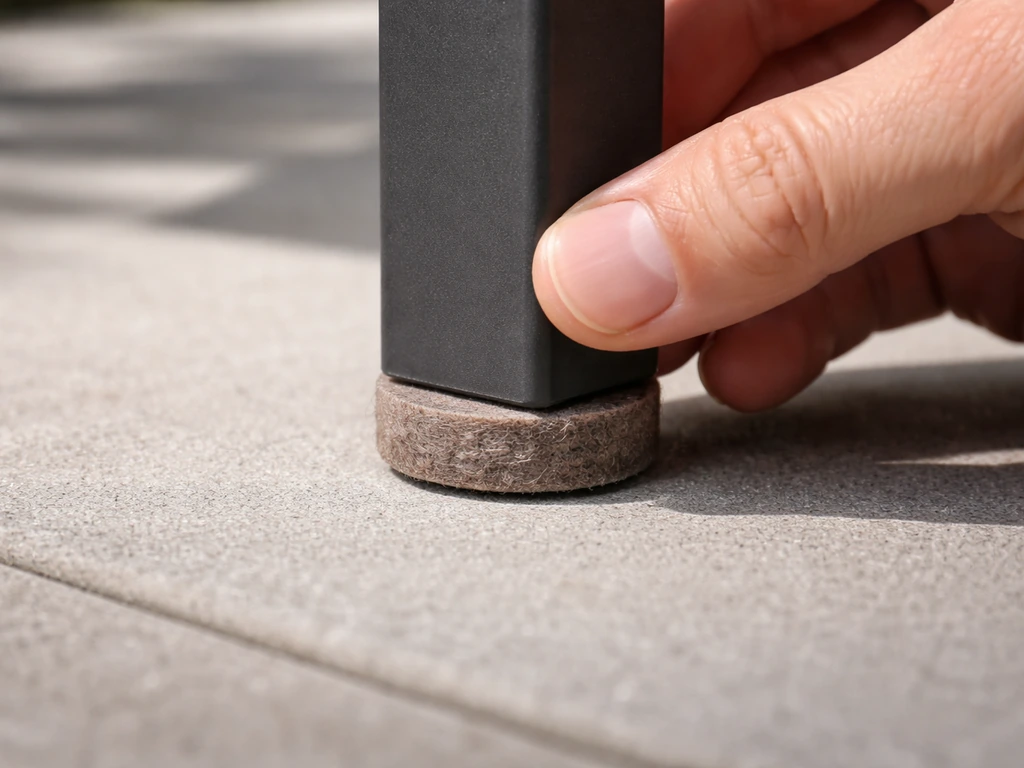
Rubber leg caps or felt pads under every furniture leg serve two purposes: they protect the patio surface from scratches, and they keep furniture from sliding around when someone sits down hard or shifts their weight. Pick rubber caps over felt for any patio that gets wet regularly, since felt absorbs moisture and eventually holds it against the metal or wood leg, encouraging rust and rot. A pack of rubber caps for a four-chair dining set costs about $8 to $12 and is one of the best cheap investments you can make here.
Assemble and position: safety checks and stable placement
Most new patio furniture ships partially disassembled. Even pieces that are mostly pre-assembled usually need some final tightening once you unbox them. Here's where a lot of people make the same mistake I did: they assemble the furniture, sit down immediately, and assume it's fine. Then three weeks later, a chair joint has worked itself loose because the hardware wasn't fully torqued at setup.
Assembling new pieces
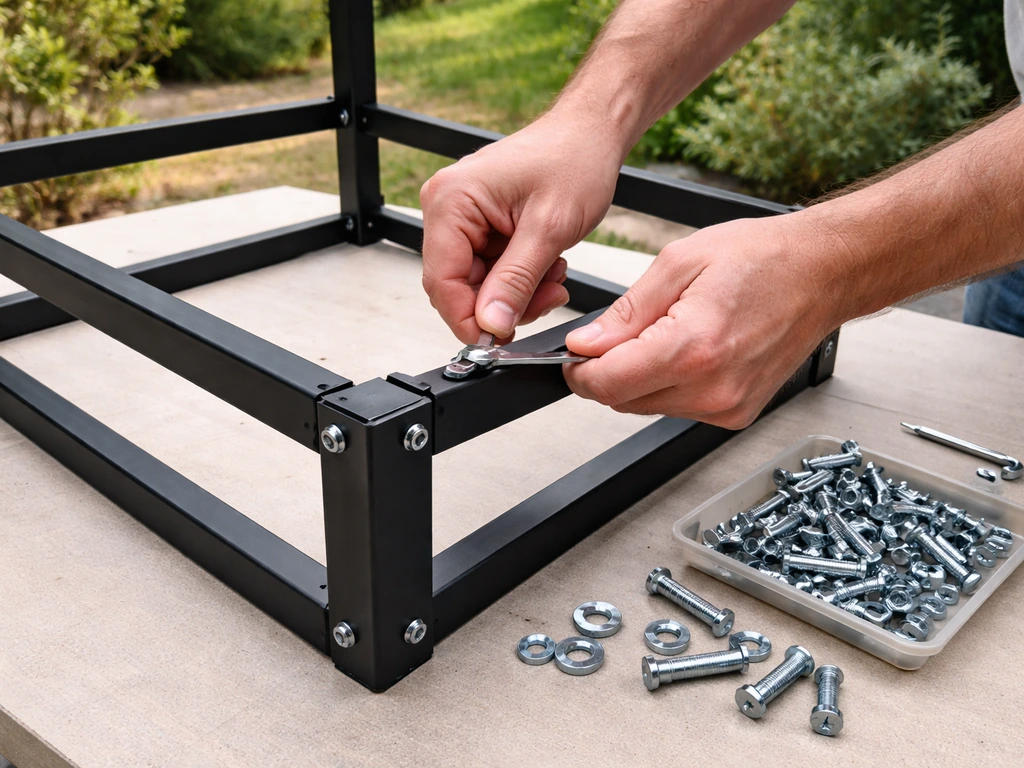
- Lay out all parts and hardware before you start. Match them against the parts list in the instructions so you know immediately if something is missing.
- Hand-tighten all bolts and screws first without fully locking anything down. This lets you adjust alignment before you commit.
- Once the frame looks square and aligned, go back and tighten every fastener firmly with the included Allen key or a ratchet wrench. Snug is not enough. You want firm resistance.
- Wiggle-test each connection point by hand after tightening. If anything flexes or shifts at a joint, re-tighten it.
- For folding chairs or chairs with adjustable legs, open and close or extend them a few times to confirm the locking mechanism catches cleanly every time.
Positioning pieces safely
Once assembled, place each piece in its intended spot and do a final stability check. Sit in each chair and lean side to side. Push the table from different angles. Any rocking means either the floor is uneven (fix with leg caps) or a joint needs re-tightening. For heavier pieces like dining tables or sectional sofas, get a second person to help with positioning so you're not dragging frames across the surface and bending legs.
For pieces on a wood deck, keep them away from the edges of boards where wood is most likely to be soft from weathering. And if you have a gas or charcoal grill on the patio, leave at least 3 feet of clearance between the grill and any fabric or resin furniture. This is a fire safety issue, not just a comfort one.
Arrange by use: dining zones, lounge areas, and clear traffic flow
The difference between a patio that feels good to use and one that feels awkward almost always comes down to zone planning. If you want to get the best results, use the same zoning approach to learn how to organize patio furniture around clear walkways and comfortable seating areas. When everything just gets pushed out there without a plan, you end up with a space where guests aren't sure where to sit, conversations feel disconnected, and someone always has to squeeze past the table to get to the door. Intentional zoning fixes all of that.
Dining zones
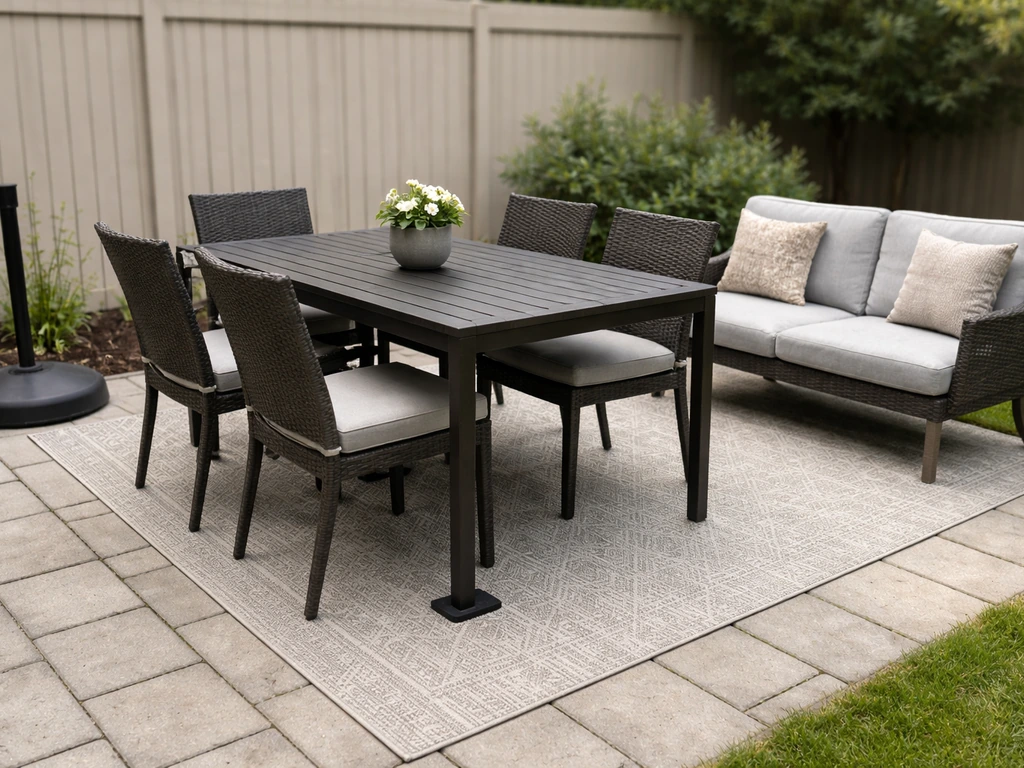
Position the dining table close to your home's entry point so carrying food in and out is easy. Allow 24 to 30 inches from the table edge to the back of each chair when it's pulled out, plus another 30 to 36 inches behind that for a walkway if people need to pass behind seated guests. In practice, this means a standard 36-inch round bistro table needs a roughly 9 to 10-foot diameter zone to work comfortably. A rectangular 6-person dining table (typically 72 inches long) works best in a space at least 12 feet long and 10 feet wide when walkway clearance is included.
Lounge zones
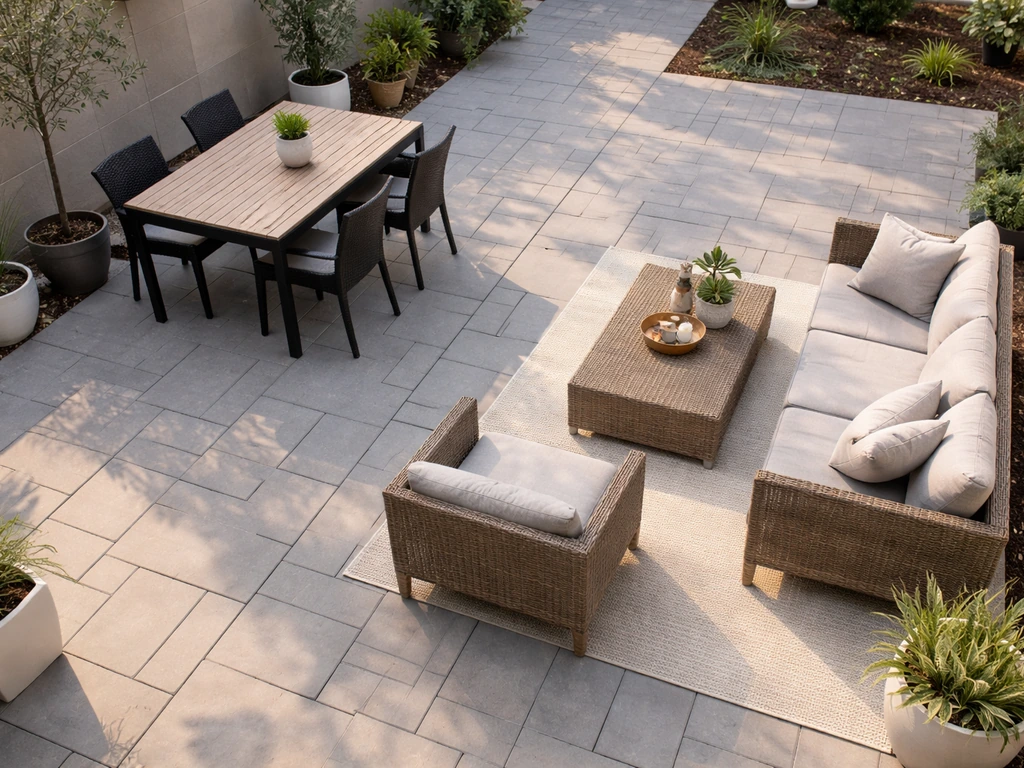
Lounge seating works best arranged in a U or L shape around a central low table. This creates a natural conversation circle where everyone can see each other without having to turn their chair. Keep 30 to 36 inches between the sofa or chairs and the coffee table, which gives just enough room to sit comfortably, lean forward, and set down a drink without the table feeling too far away. Anchor the lounge zone with an outdoor rug, which visually defines the space, keeps chair legs from splaying out on slippery pavers, and makes the whole setup feel more intentional.
Traffic flow and split zones
If your patio is large enough for both a dining and a lounge zone, keep the main walkway between them clear. The path from the house to the yard or gate should never run through the middle of a seating arrangement. In tighter spaces, a side table or small planter can act as a visual divider between zones without physically blocking movement. Think about how you actually use the space: if you entertain often, prioritize the dining zone and put the lounge secondary. If the patio is more of a personal retreat, flip those priorities.
Weather-proofing and protection: covers, storage, and ongoing care
Setting up the furniture is only half the job. What actually determines how long your pieces last is what you do to protect them afterward. I've seen $800 teak sets look terrible after two summers because the owner never applied any sealant. And I've seen $200 aluminum sets still looking sharp after five years because someone covered them consistently and wiped them down each spring. The material matters less than the maintenance.
Keeping cushions and fabric dry
Outdoor cushions labeled "weather-resistant" are not the same as waterproof. They'll handle a light shower, but if they stay wet for hours or days, the foam core stays damp, which grows mold fast. The fix is simple: bring cushions inside or store them in a deck box when rain is expected or when you're done using the patio for the day. If you don't want to haul cushions in and out constantly, look for cushions with a Sunbrella or solution-dyed acrylic cover, which genuinely resist moisture and UV much better than standard polyester.
Choosing and using furniture covers
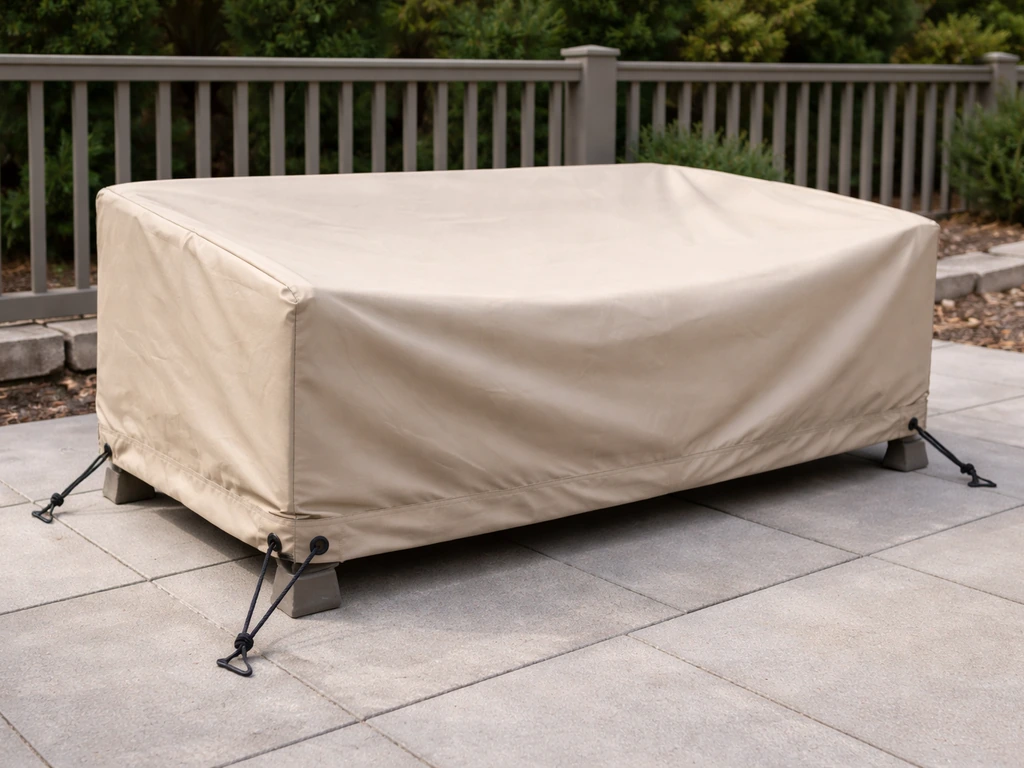
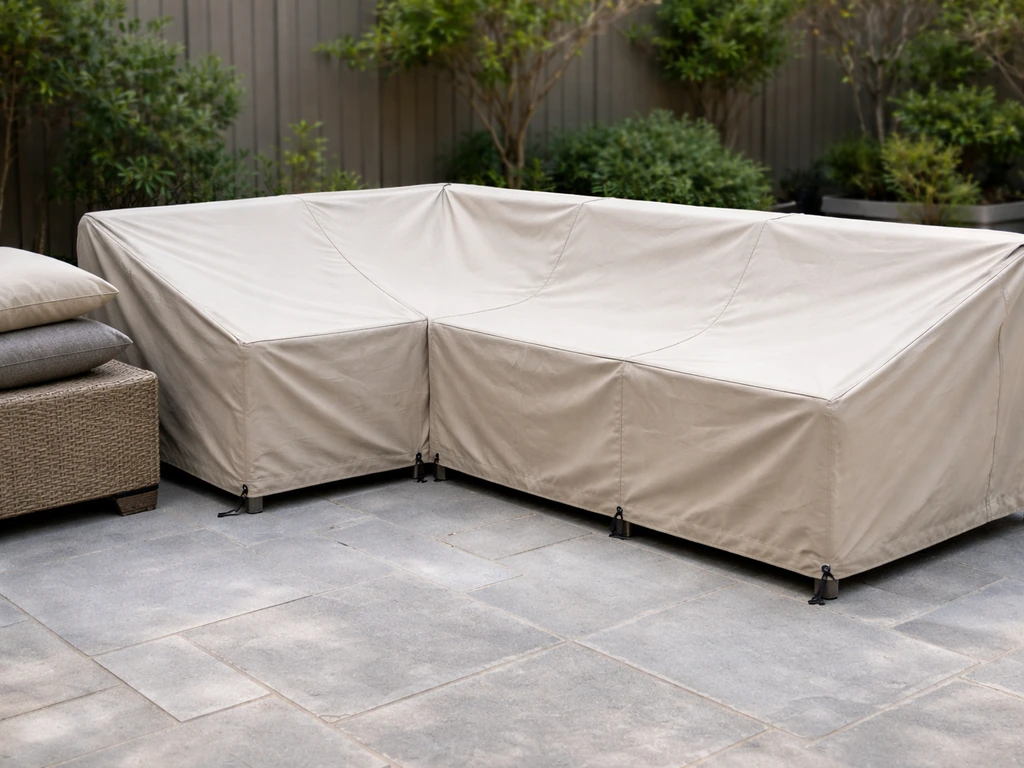
A furniture cover is only useful if it fits properly and is made from a breathable material. A cover that's too loose traps wind and acts like a sail, eventually blowing off or tearing. A cover made from non-breathable material traps condensation underneath, which is just as damaging as leaving the furniture uncovered in rain. Look for covers with vented panels and adjustable straps or drawcords at the base. Measure your furniture before buying: covers labeled "large sofa" vary significantly by brand, and a cover that gaps at the bottom lets in wind-driven rain.
Seasonal storage vs. leaving furniture out
Whether you store furniture seasonally or leave it out depends on your climate and your materials. In climates with hard freezes or heavy snow, leaving resin, wicker, or cushioned furniture outside through winter almost always causes cracking, frame distortion, or mold. Wrought iron and powder-coated aluminum handle cold better but still benefit from being covered or stored. In mild climates, covering your furniture during the off-season is usually enough. If you're storing pieces, a dry garage or shed is ideal. Stack chairs to save space, and store cushions in a sealed plastic bin with a cedar block to deter pests.
Quick care habits that prevent the most common problems
- Wipe down frames with a damp cloth every few weeks to remove pollen, bird droppings, and surface grime before they bond to the finish.
- Check and re-tighten all hardware once a season. Outdoor temperature swings cause metal to expand and contract, which gradually loosens bolts.
- Apply a UV-protectant spray to plastic and resin pieces each spring to slow fading and surface cracking.
- Treat metal frames showing early rust spots immediately with a rust converter product. Small spots are a 10-minute fix; ignored rust is a replacement.
- Oil teak or untreated wood furniture once or twice a year with teak oil or a similar penetrating wood oil to keep it from drying out and cracking.
- Keep the area under the furniture clean and dry. Debris trapped under leg caps holds moisture and accelerates corrosion at contact points.
Your next steps right now
Here's what to actually do today. Grab a tape measure and spend 10 minutes measuring your patio and sketching a layout with your zone plan marked out. Then clean and level the surface, even if that's just a quick sweep and a wipe-down today with a full power wash planned for the weekend. Assemble each piece with hardware fully tightened before sitting on it, add rubber leg caps if you don't have them, and position everything according to your layout with walkways clear. Then order or dig out your furniture covers before the next rain, and get your cushions on a bring-in routine. If you still need to pick what to buy, focus on the size, materials, and weather protection that match your patio and climate order or dig out your furniture covers. That's it. The whole setup process is genuinely doable in one afternoon, and the protection habits take about five minutes each time once they're routine.
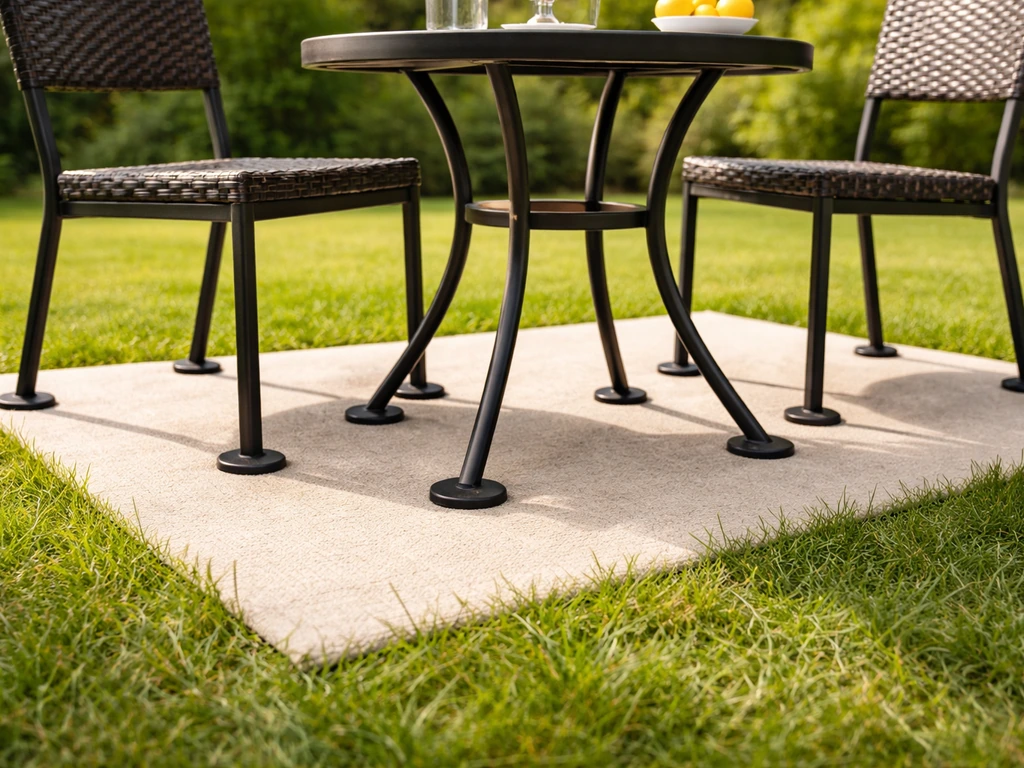
If you're still deciding what furniture to buy before setting up, thinking through layout preferences early will help you choose the right size and configuration. And if you're working with a grass area rather than a hard patio surface, that changes a few of the leveling and protection considerations worth looking into separately. If you’re wondering whether you can put patio furniture on grass, the key is choosing stable bases and protecting the turf from crushing and moisture grass area.
FAQ
What should I do about an outdoor rug when setting up patio furniture?
For a patio rug, choose outdoor-rated material that won’t rot, then use a rug pad made for outdoor use (or non-slip grippers) so it doesn’t bunch up on wet pavers. Check that the rug edges are trimmed so chairs can slide without catching, and keep the rug just inside your zone so it doesn’t interfere with the 36-inch walkway clearance.
If my furniture wobbles after setup, what’s the best way to troubleshoot it?
Even if your patio is level, set your first furniture pieces using a “dry run” placement, then re-check stability after tightening hardware. If a chair rocks, fix the source first (uneven pavers, wrong leg length, or a missing pad), rather than adding shims under only one corner, which can loosen over time.
Can I set up patio furniture on grass, and what changes do I need to make?
Yes, but only if you create a stable base that prevents sinking and moisture pooling. Use paver pads or patio base panels under the furniture legs, and consider placing the dining area on a firm base surface (like stepping stones) instead of spreading legs directly over grass. Without a stable base, leg caps can’t stop wobble and the grass will compress and stay damp.
How should I arrange patio furniture around a door so chairs don’t block it?
If you have limited space near doors, keep the door swing path fully clear and avoid placing dining chairs where they could be bumped while pulled out. A practical approach is to anchor the dining table on the side that gives the chair draw-out room away from the door, and then use narrower chairs or shorter benches if the required clearance is tight.
How can I prevent rust and corrosion on metal patio furniture?
For metal frames, clean off any residual cleaner and let everything dry before covering, because trapped moisture can accelerate rust. If the patio has frequent rain, prioritize rubber leg caps and a breathable cover, then wipe down the furniture monthly during the season.
What’s the best way to manage cushions if rain happens often?
If your cushions get wet often, use a routine: bring cushions in during forecasts, or move them to a covered storage box and keep air circulation around the box. If you notice musty smell, remove cushions and let them fully dry before reusing, since “weather-resistant” covers can still trap moisture for hours.
How do I choose the right patio furniture cover size and fit?
When buying covers, measure the footprint and height of the tallest point, then choose a model that includes vented panels and straps or a drawcord at the base. A cover should sit snugly enough that it won’t flap in wind, but it should still breathe to avoid condensation buildup.
Should I re-tighten patio furniture hardware after setup, and how often?
Do a seasonal re-tightening check, especially for dining chairs and any pieces used daily. Look for hardware that feels looser by hand, confirm leg caps are still seated, and re-check stability after the first major temperature change of the season.
What safety spacing should I keep between a grill and patio furniture?
Plan clearance from heat sources based on your fuel type and airflow needs, not just the grill lid. Keep fabric and resin furniture well away, place flammables like umbrella fabric or paper lanterns in a separate zone, and use a grill mat or dedicated landing area so hot tools aren’t set on nearby seating tables.
How can I set up lighting without messing up the walkway zones?
If you’re adding lighting, keep cords and extension lines out of walkway areas and route them toward a power source along the outside edge of zones. Use clamps or cord covers to prevent trips, and position table and floor lights so they don’t block conversation or create glare into seating.