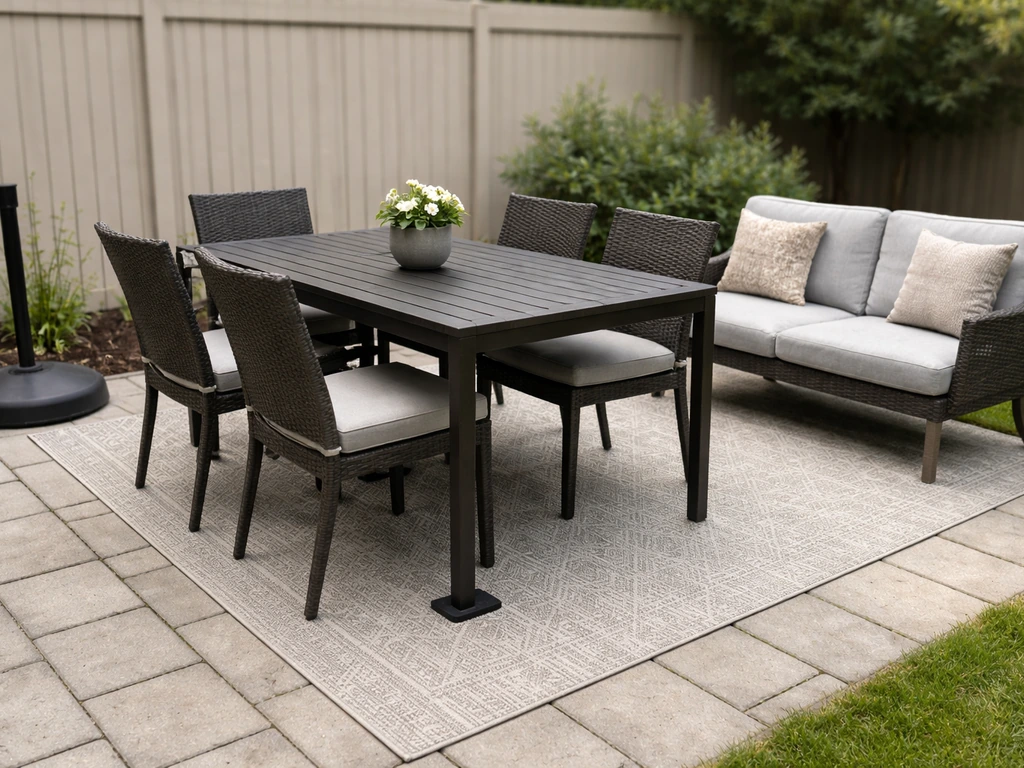
Buying patio furniture comes down to four things you need to nail before you spend a dollar: your space dimensions, your local climate, the materials that hold up to that climate, and how easy the pieces are to repair when (not if) something wears out. Get those four right and you'll end up with furniture you actually use for a decade or more. Rush past them and you'll be replacing cushions in year two and frames in year five.
How to Buy Patio Furniture: Step-by-Step Guide
Maren Grady
9 Jun 2026
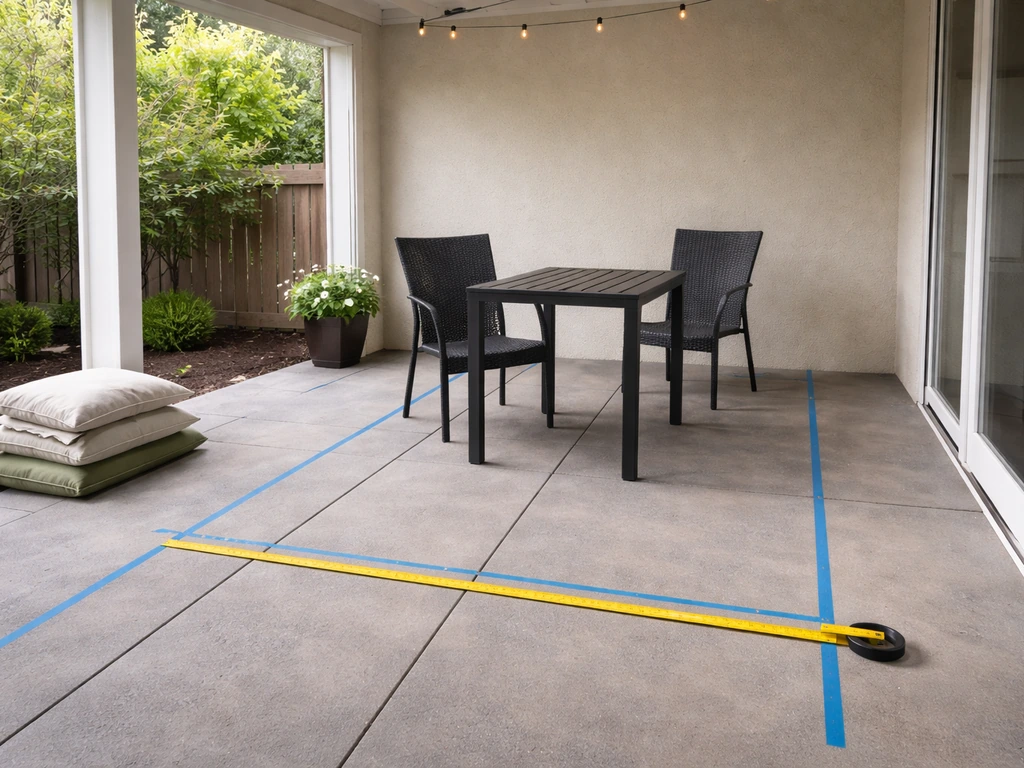
Start with your space: measuring and layout planning
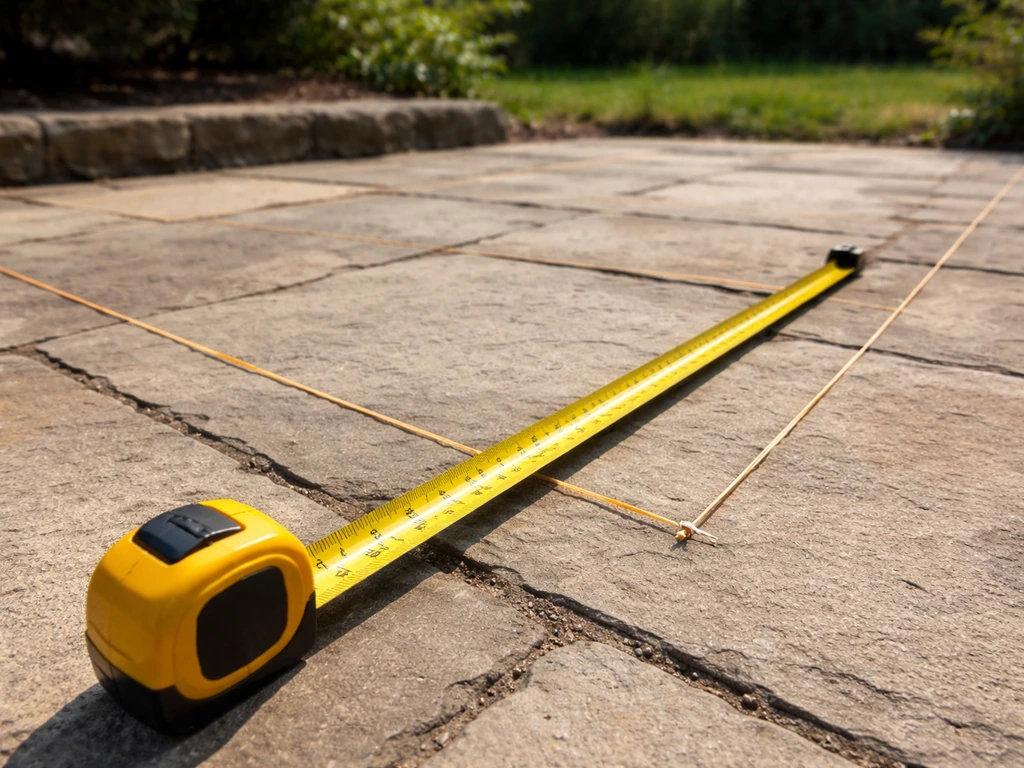
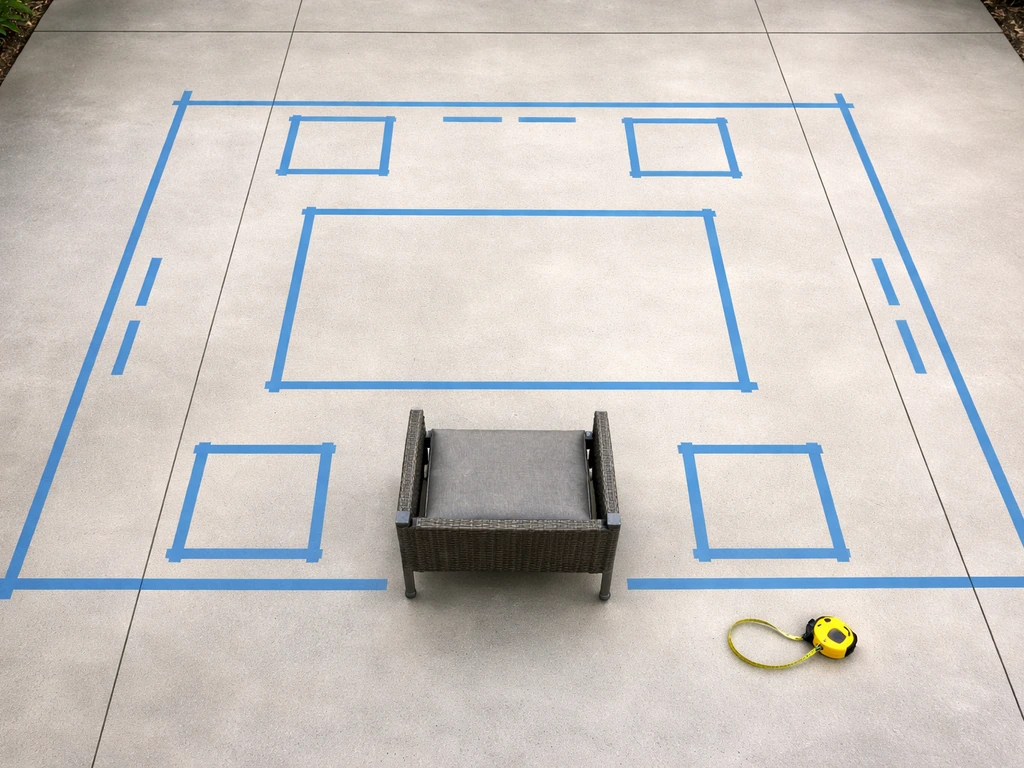
Before you look at a single product, go outside with a tape measure. The most common mistake I see is people buying furniture based on how it looks in a showroom, then dragging it home only to find chairs can't pull out without scraping the wall or blocking the door. Measure your patio's full length and width, and then subtract for clearance.
For a dining setup, plan for at least 36 inches of clearance behind every chair so people can pull out and stand without bumping into anything. A common guideline is to allow about 24 to 30 inches behind each chair, and around 36 inches where people need to walk behind seated guests for dining sets plan for at least 36 inches of clearance behind every chair.
If there's a walking path behind the chairs (say, between the table and the back door), bump that up to 44–48 inches so guests can pass behind someone who's seated. For a seating group with a sofa and coffee table, leave 14–18 inches between them so there's room to set drinks down without reaching. Main walkways through any seating area should stay at 30–36 inches minimum.
Here's the practical math: take your table dimensions, add the chair depth front to back, then add 36–48 inches of clearance on both sides where people sit. That total footprint is what needs to fit inside your patio. A 36x72 inch dining table with chairs that are 20 inches deep needs roughly 9–10 feet of depth just for the dining zone alone. A lot of standard patios are 10–12 feet deep, which means you're leaving very little room for anything else.
Also think about sun and wind exposure while you're out there. Note which direction your patio faces, where shade falls in the afternoon, and whether you're in a wind tunnel between buildings or fences. That information directly affects both where you place furniture and what material will hold up. If you're planning a full arrangement from scratch, that layout thinking ties into how you set up and organize the space once everything arrives.
Choose the right furniture type and configuration
There are four main categories of patio furniture: dining sets, seating/lounge groups, deep-seating sectionals, and sun loungers. Most people need either a dining set, a seating group, or both. The right choice depends on how you actually use your outdoor space, not what looks best in an ad.
- Dining sets (table plus chairs): best if you eat outside regularly or host. A 4-person set fits a small patio; a 6-person set needs a patio at least 12x14 feet after clearance is factored in.
- Deep-seat lounge groups (sofa, chairs, coffee table): best for relaxing and entertaining without a meal. These take up more floor space than they look like they will, so measure carefully.
- Sectionals: great for large patios or L-shaped spaces, but hard to rearrange and some configurations don't work well on smaller or awkwardly shaped slabs.
- Sun loungers: only practical if you have space beyond the main seating zone. A pair of loungers needs at least 6 feet of clear length each, plus room to walk between them.
- Bistro sets (small 2-person table and chairs): underrated for tight spaces like balconies or small side patios. They max out at 2 people comfortably.
When it comes to sets vs. mixing and matching individual pieces, sets are almost always the better starting point. Prices are lower per piece, everything coordinates visually, and replacement parts like cushions are easier to source since they come from one manufacturer. Mix-and-match makes more sense once you already have a base set and want to add accent chairs or a side table. Just be sure anything you add is close in seat height (typically 17–19 inches for dining, 15–17 inches for lounge seating) so things feel intentional rather than cobbled together.
Pick materials and finish for your weather exposure
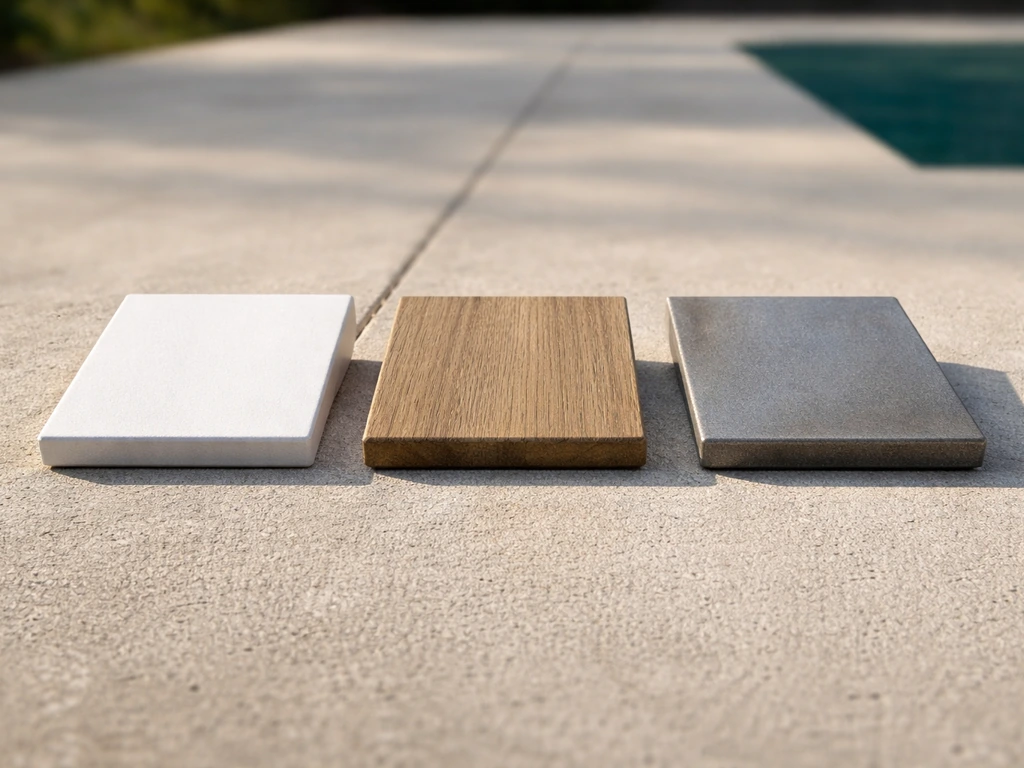
This is where most people under-research. The material that looks great in a dry, shaded showroom may warp, rust, or crack within two seasons on your actual patio. Here's a plain-language breakdown of what each material can and can't handle.
| Material | Best For | Watch Out For | Expected Lifespan |
|---|---|---|---|
| Powder-coated aluminum | Most climates, including coastal and humid | Scratches can expose bare metal; avoid sanding to fix (use rubbing compound instead) | 10–15+ years; powder coat can last 15–25 years before refinishing |
| Steel (powder-coated) | Dry climates, covered patios | Rust at chips or welds; heavier than aluminum; avoid coastal salt air | 7–15 years with maintenance |
| Teak/hardwood | Most climates; great for humid or rainy areas | Needs annual oiling or will silver-gray; expensive upfront | 20+ years if maintained |
| Synthetic resin wicker | Humid, sunny, and coastal climates | Cheaper versions become brittle with UV exposure; check weave tightness | 8–15 years depending on quality |
| Real rattan wicker | Covered patios only; not rain-proof | Swells, rots, and weakens outdoors; often mislabeled as 'wicker' | 2–5 years outdoors (covered only) |
| Stainless steel | Covered patios, mostly dry climates | Can rust with prolonged moisture exposure despite reputation; heavy | 10–20+ years covered |
One thing that trips people up is the word 'wicker.' It describes a weaving style, not a material. Real rattan wicker is a natural fiber that belongs indoors or in covered spaces only. Synthetic resin wicker (also called all-weather wicker) is plastic, designed to handle rain and UV, and is what you want for any uncovered outdoor spot. Always check the product spec sheet before buying anything labeled just 'wicker.'
If you live somewhere with freezing winters, material choice gets even more important. Some materials can crack in freezing temperatures, especially certain plastics and ceramic-glazed finishes. Powder-coated aluminum and quality teak handle freeze-thaw cycles well. Cheaper resin and wood composites often don't. If you're in a freeze zone and leaving furniture outside year-round, aluminum or teak with fitted covers is the safest combination.
For coastal homes with salt air, prioritize powder-coated aluminum or marine-grade stainless. Regular steel will surface-rust surprisingly fast in salt air even with protective coatings. Galvanized or powder-coated frames offer better resistance here, but inspect any chips or scratches promptly and touch them up, because exposed metal in salty, humid air corrodes quickly.
Cushions, fabrics, and comfort: what to check in-store or online
Cushions are both the most comfortable part of outdoor furniture and the part that fails first. If you buy the wrong fabric or the wrong foam, you'll be replacing them within two or three seasons. The good news: if you pick the right frame, replacing or recovering cushions costs roughly 50–70% less than buying a whole new set, which is exactly why it's worth picking a frame that can outlast multiple rounds of cushion replacement.
Fabric: what actually holds up outdoors
Solution-dyed acrylic is the gold standard for outdoor cushion fabric. Sunbrella is the most recognized brand name, but there are others. Solution-dyed means the color runs all the way through the fiber rather than sitting on the surface, so fading is dramatically slower. These fabrics are also mold- and mildew-resistant, which matters enormously for any cover that stays wet after rain. If mildew does appear, a diluted bleach solution handles it without damaging the fabric. Avoid polyester outdoor fabric for uncovered, high-sun patios; it fades noticeably within one to two seasons.
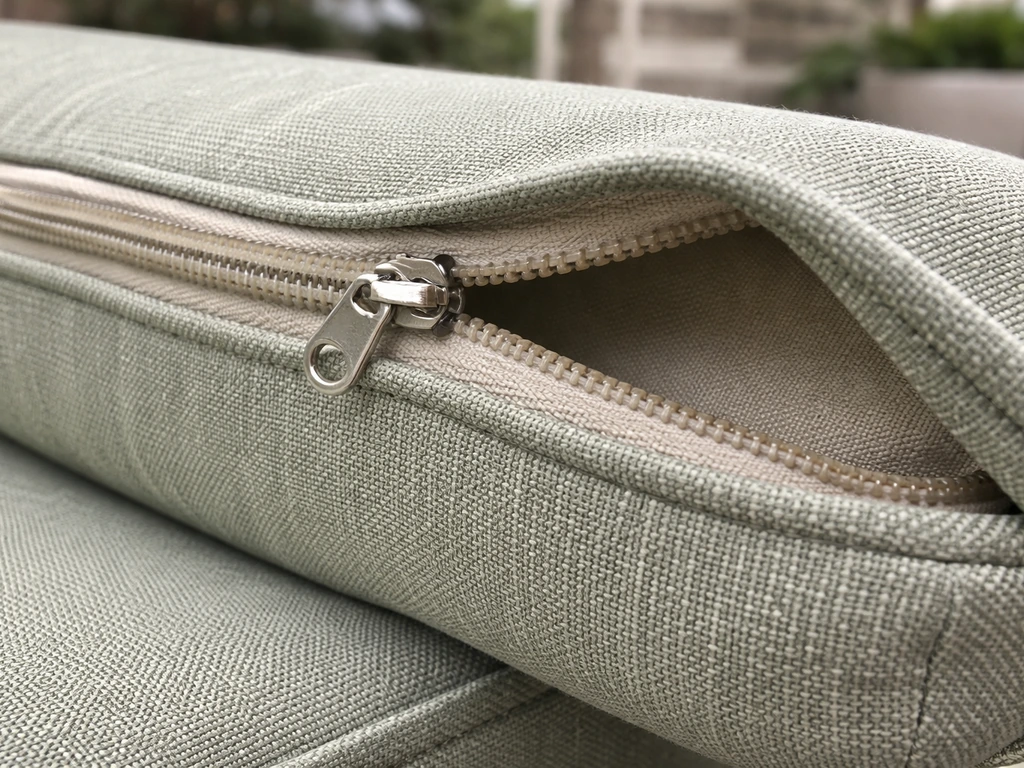
When shopping, check for removable, zippered covers. This is a practical must-have, not a luxury. Covers you can pull off and wash extend cushion life dramatically and make spot-treating spills and mildew much easier. Sewn-shut covers that aren't removable are a warning sign that the manufacturer didn't design for real outdoor use.
Foam: density matters more than thickness
For cushion foam, look for density ratings of 1.8–2.0 lb/ft³ or higher. Lower-density foam (around 1.5 lb/ft³) compresses faster and will feel flat within a season or two of regular use. Even better for outdoor use is open-cell reticulated foam (sometimes called 'dry fast' foam), which is engineered to drain water quickly rather than holding moisture inside the cushion. If you ever DIY-recover cushions down the road, this is the foam type worth upgrading to.
Comfort dimensions to check before buying
- Seat depth: deep-seat lounge chairs typically have 24–28 inch seat depths, which require a back cushion to feel supported; standard chairs run 18–22 inches
- Seat height: 17–19 inches works for most people at a dining table; lounge seating closer to 15–17 inches feels more relaxed but harder to get out of
- Armrest height: should let your shoulders relax down, not hunch up; test this by actually sitting in it
- Back angle: more reclined feels great the first hour and tiring after a long dinner; look for slight recline (100–105 degrees) for dining, more (110–115) for lounging
Quality and durability checks before you commit
Whether you're in a showroom or relying on product photos online, there are specific things to look at that tell you whether a piece is built to last or built to sell. Here's what I check on every frame before buying.
- Welds and joints: smooth, clean welds with no visible gaps, pitting, or rough blobs indicate quality metalwork. Rough or uneven welds are stress points where rust and cracking start first.
- Wall thickness on aluminum tubing: thicker tube walls resist denting and bending. Pick up the piece; premium aluminum furniture still has real weight to it despite being 'lightweight.' Flimsy, hollow-feeling tubes are a durability warning.
- Wobble test: grab the frame and gently twist and rock it. Zero wobble is the standard. Any play in the joints under light pressure means it will only get worse with outdoor use.
- Rust protection on steel: look for powder coating over galvanized steel, not just powder coating alone. Check weld points specifically, since coatings are often thinner there and rust starts at welds.
- Hardware quality: stainless or zinc-coated hardware resists rust. Standard zinc-plated bolts show rust within a season in humid climates. Look at bolt heads, screws, and any brackets for signs of cheap hardware.
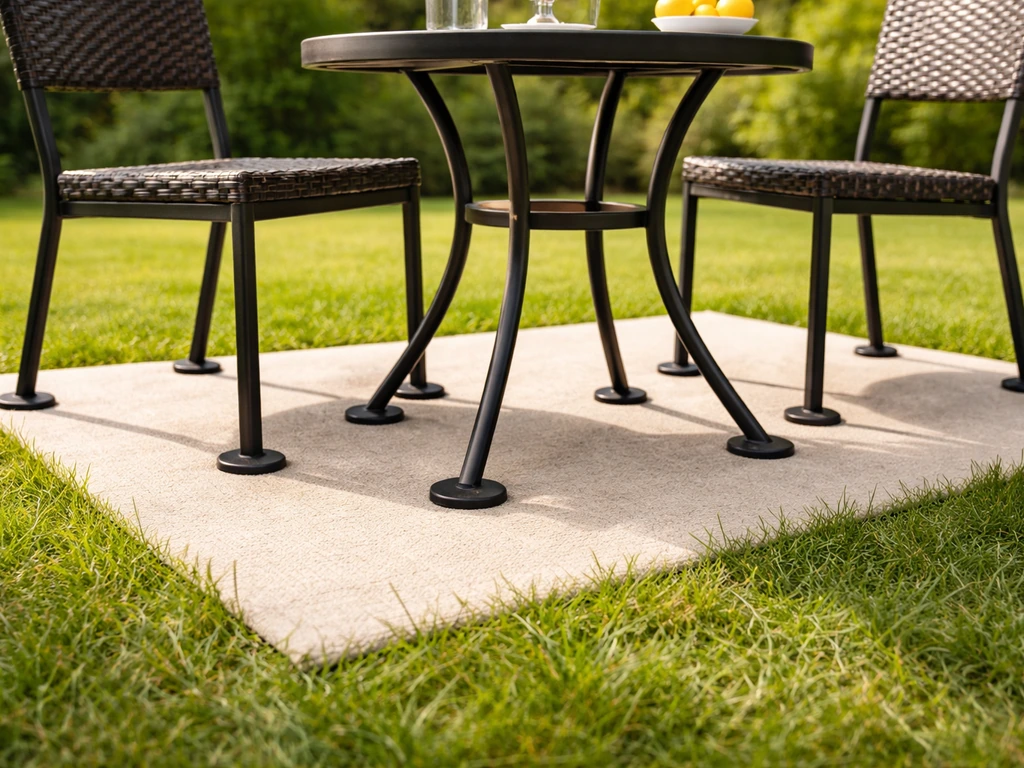
- Feet and levelers: rubber or plastic foot caps protect both the patio surface and the furniture legs from moisture wicking. Furniture without them sits in standing water and rusts or rots from the bottom up.
- Weight relative to size: heavier-gauge frames are more wind-resistant. If you're on a windy patio or deck, lighter pieces will need weight bags or tie-downs. Check the product weight in the spec sheet.
For sling chairs (the kind with stretched fabric instead of cushions), check the fabric tension and the way it's attached at the frame. Quality sling chairs use a fabric rolled around a spline that locks into a channel in the frame, making it replaceable without replacing the whole chair. That repairability is a major long-term value factor; sling fabric replacement runs a fraction of new chair cost.
Budgeting and shopping strategy
Patio furniture pricing spans an enormous range, and more expensive doesn't always mean better for your specific use case. The goal is to spend smart, not spend more. Here's how I think about it.
What to prioritize with your budget
Spend the most on the frame. Frames are the hardest and most expensive thing to replace, and a good frame can outlast multiple sets of cushions. If your budget is tight, buy a mid-range frame with basic cushions and upgrade the cushions later with better foam and solution-dyed covers. That swap costs less and delivers a much better result than a cheap frame you'll replace in five years. The 50–70% savings on cushion replacement versus full set replacement makes this strategy genuinely worth it.
When to buy: timing the best deals
The best time to buy patio furniture is Memorial Day weekend, Labor Day, or end-of-summer clearance. Memorial Day has historically been one of the deepest discount periods of the year, with major retailers like Home Depot, Lowe's, and Amazon all running competitive discounts simultaneously. If you can wait until late August or September, end-of-season clearance moves remaining inventory hard and discounts run even deeper, though selection narrows significantly. Black Friday occasionally surfaces deals on patio furniture too, but selection is thinner. Buying in spring at full price is the least efficient approach unless you need something immediately.
Sets vs. individual pieces: the numbers
A complete set (table plus 4–6 chairs, or sofa plus chairs plus coffee table) almost always costs less per piece than buying the same items individually. Sets also guarantee matching finish and cushion fabric across all pieces. The trade-off is less flexibility in customization. My advice: start with a set for the core pieces, then add individual accent chairs or side tables later if you want variety. Mix pieces only when you're confident about finish compatibility and have actually compared seat heights in person or via spec sheets.
| Budget Tier | What to Expect | Best Strategy |
|---|---|---|
| Under $500 | Basic resin, entry-level powder-coated steel, limited cushion quality | Buy a bistro set or simple 4-piece lounge set; upgrade cushions immediately with better foam and covers |
| $500–$1,500 | Decent powder-coated aluminum, synthetic resin wicker, better cushion fabrics | Buy a full set, inspect joints and welds carefully, prioritize removable cushion covers |
| $1,500–$3,500 | Quality aluminum or teak, better solution-dyed fabrics, stronger construction | Buy a complete set with warranty; plan for decades of use with proper maintenance |
| $3,500+ | Premium teak, cast aluminum, designer brands, marine-grade materials | Invest in the frame and plan to recover cushions yourself every 5–7 years to save significantly |
Plan for longevity: covers, storage, cleaning, and DIY repairability
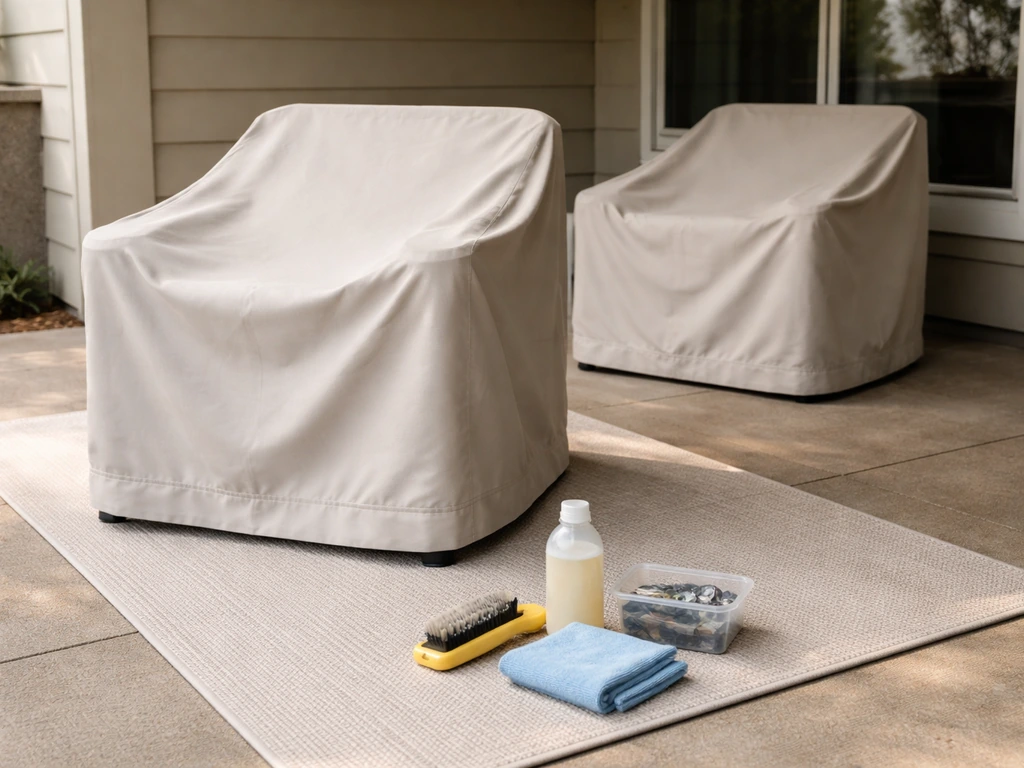
This is the part most buyers skip, and it's the difference between furniture that lasts 5 years and furniture that lasts 15. When you're buying, you should already be thinking about how you'll protect, clean, and eventually repair what you're bringing home.
Covers and storage
Get fitted covers for anything staying outside year-round. Covers extend finish life, protect fabric from UV, and keep frames drier through wet seasons. The one rule that matters most: furniture must be completely dry before you cover it or put it in storage. Trapping moisture under a cover is a reliable way to grow mold on cushions and accelerate rust on metal finishes. Clean everything, let it dry fully in the sun, then cover it. This applies whether you're covering for a rainy week or putting things away for the whole winter.
Seasonal cleaning and maintenance
Most frames need nothing more than a wash with mild soap and water twice a season. For powder-coated aluminum, inspect for chips and scratches each spring. Light scratches respond well to rubbing compound applied gently. Avoid sanding powder coat on aluminum; sanding cuts through the coating faster than it removes the scratch and leaves you with a larger exposed area to rust. For teak, apply teak oil or sealer once a year if you want to maintain the warm honey color, or leave it to weather naturally to a silver-gray if you don't mind the look. Both are fine; it's purely cosmetic.
Thinking about DIY repairability before you buy
The most repairable patio furniture shares a few characteristics: removable cushion covers with zippers, standard hardware you can find at any hardware store, sling fabric attached with a removable spline, and frames made of aluminum or teak rather than welded steel (which is harder to touch up after rust sets in). Before you buy, ask yourself: can I replace the cushions without replacing the whole set? Can I source replacement fabric for sling chairs if needed? Is the hardware standard or proprietary? These questions sound overly cautious when everything looks new in a showroom, but they matter enormously three or four seasons in.
Also think about the placement of your furniture relative to how you'll use it long-term. If you want better comfort and easier movement, apply the same layout principles to how to lay out patio furniture long-term placement of your furniture. Whether you're setting pieces on a deck, concrete slab, pavers, or grass affects both stability and wear on the feet and lower frame. Some of those placement considerations are worth thinking through before your first season with new furniture, since they affect how quickly the frames and feet show wear.
The best patio furniture purchase isn't the prettiest one or the most expensive one. It's the one sized correctly for your space, matched to your actual climate, built with a repairable frame, and covered in fabric you can clean or replace. Get those fundamentals right and the furniture takes care of itself for years, with just a little seasonal attention from you.
FAQ
How do I size patio furniture correctly if it includes sections that expand, recline, or move?
Start by writing down your available patio footprint, then shortlist only pieces whose listed dimensions include the fully extended state (reclined legs, ottomans, chair swing arcs, and umbrella bases if applicable). If a product page omits “extended size” for a sectional or lounger, assume it will run larger than the showroom look, and confirm with the manufacturer before ordering.
What should I check to make sure my patio furniture will fit through doors and into storage?
Measure your doorway, gate, and the narrowest turning point from curb to patio, then compare those clearances to the packed box dimensions (not just the assembled size). If you cannot fit the largest box through, plan on either a split-shipment model or professional delivery, otherwise you may end up forcing a frame through a tight bend and damaging powder coating.
Do I need removable cushion covers if I live in a dry climate?
For cushions you will store indoors seasonally, you can prioritize fade resistance and drying speed, but for year-round outdoor coverage you need both mildew resistance and removable covers. Even “all-weather” fabrics benefit from keeping covers off during a sunny dry stretch, then re-cover only after cushions are fully dry.
How can I tell whether my cushion foam will stay comfortable for years?
Yes. All cushion foam will eventually lose loft, but open-cell reticulated (dry-fast) foam usually bounces back longer because it sheds water instead of holding it. Still, plan to rotate cushions and brush off pooled debris, because trapped dirt accelerates odor and fabric breakdown.
What warranties matter most when I’m learning how to buy patio furniture?
Look for the “frame warranty” and whether replacement cushions or fabrics are sold separately. A long cushion-only warranty is less helpful if the frame fails, so prioritize warranties that explicitly cover rust, frame corrosion, or structural defects, and check if the warranty requires using covers.
Is wicker patio furniture always okay for uncovered outdoor spaces?
If you can’t confirm whether the “wicker” is resin (synthetic) versus true natural fiber, treat it as a covered-only product until proven otherwise. Ask the seller for the exact material description from the spec sheet, because furniture marketed as “wicker-look” is often decorative and not truly rainproof.
What’s the best way to buy patio furniture if I leave it outside year-round in freezing weather?
For freezing climates, avoid leaving cushions exposed and reduce freeze stress by using fitted covers plus a method to keep moisture from trapping against the cushions. If you leave furniture out all winter, aluminum or teak plus covers is the safest combination, and you should still check metal joints for chips right after the coldest months.
How do I choose patio furniture that won’t rust quickly near the ocean?
In coastal areas, choose powder-coated aluminum or marine-grade stainless for the frame and avoid “regular” steel, even if it is advertised as rust-resistant. Also inspect how the cushions drain, because constantly wet cushion bottoms can promote mildew and degrade fabric faster than typical inland conditions.
How do I pick the right fitted cover so it doesn’t cause mold?
Choose a cover size that overlaps the fabric completely and includes vents or a design that helps airflow. Too-tight covers can trap humidity against cushions, while oversized covers can collect water and debris, so aim for a snug fit without stretching the fabric.
When should I replace cushions versus the whole patio set?
Replace cushions based on how they look and feel, but decide using foam density and fabric type first. If the fabric is solution-dyed and covers are removable, you can often swap only the cushion set and keep the frame, but if hardware is proprietary you may regret trying to recover later.
What should I look for in sling chairs to make future repairs easier?
For sling chairs, confirm that the sling fabric attaches with a removable spline or similar serviceable method. If the fabric is glued or permanently fastened, replacement later may require replacing the entire chair or waiting on custom parts.
How do I prioritize spending when trying to buy patio furniture on a budget?
Set your budget around frame quality, then allocate a smaller portion for cushions you can upgrade. If you must choose between a cheaper frame and better cushions, the frame usually wins, because it is expensive and hard to replace, while cushion replacement is comparatively straightforward.
How do I avoid buying a dining set that feels cramped even if the dimensions seem right?
If possible, compare seat height and “reach height” in person, because a table that looks fine can force awkward posture. Use the seating clearance rules as your baseline, then confirm that chair arms do not collide with walls or the table when you pull out.
How should sun and wind exposure change what I buy and where I place it?
Use the material list as a filter, then choose placement to match exposure. For example, in windy corners expect faster fabric wear and check for corrosion at joints, while heavy afternoon sun usually shortens uncovered polyester life, so plan shade or higher-grade solution-dyed fabric for those zones.
How do I make sure I can find replacement parts later?
Before ordering, confirm that replacement cushions and fabric are available for the exact model and that hardware is standard (or at least commonly stocked). If the manufacturer does not specify replacement parts, prioritize a frame system that uses widely available fasteners so maintenance does not become a seasonal problem.