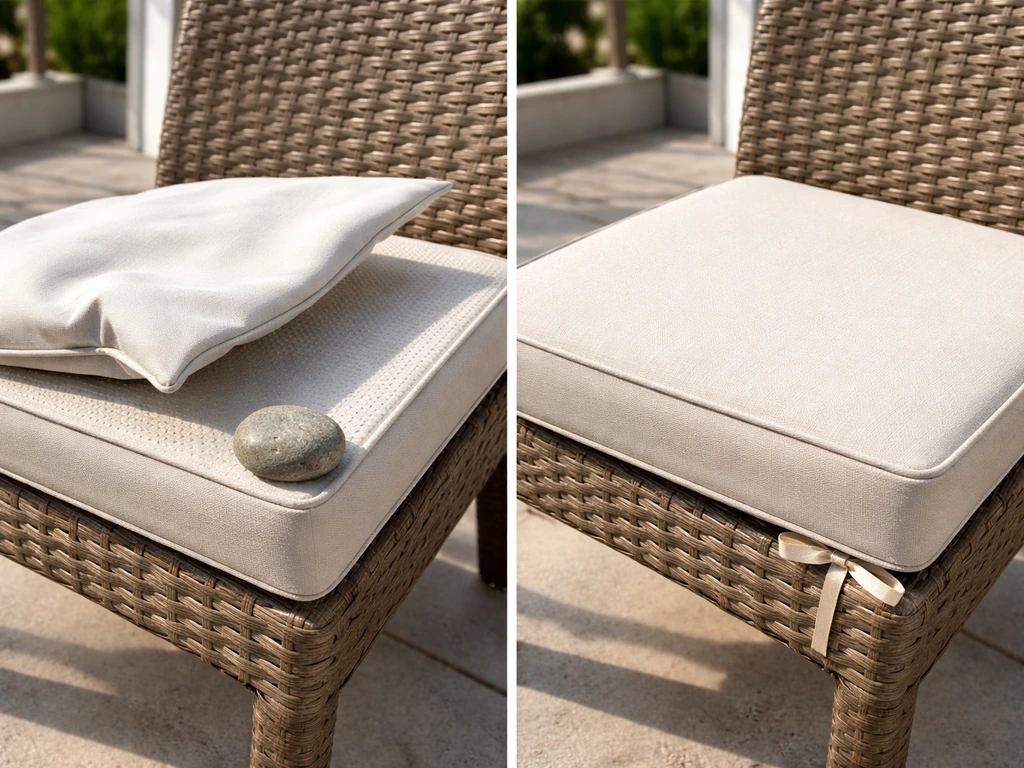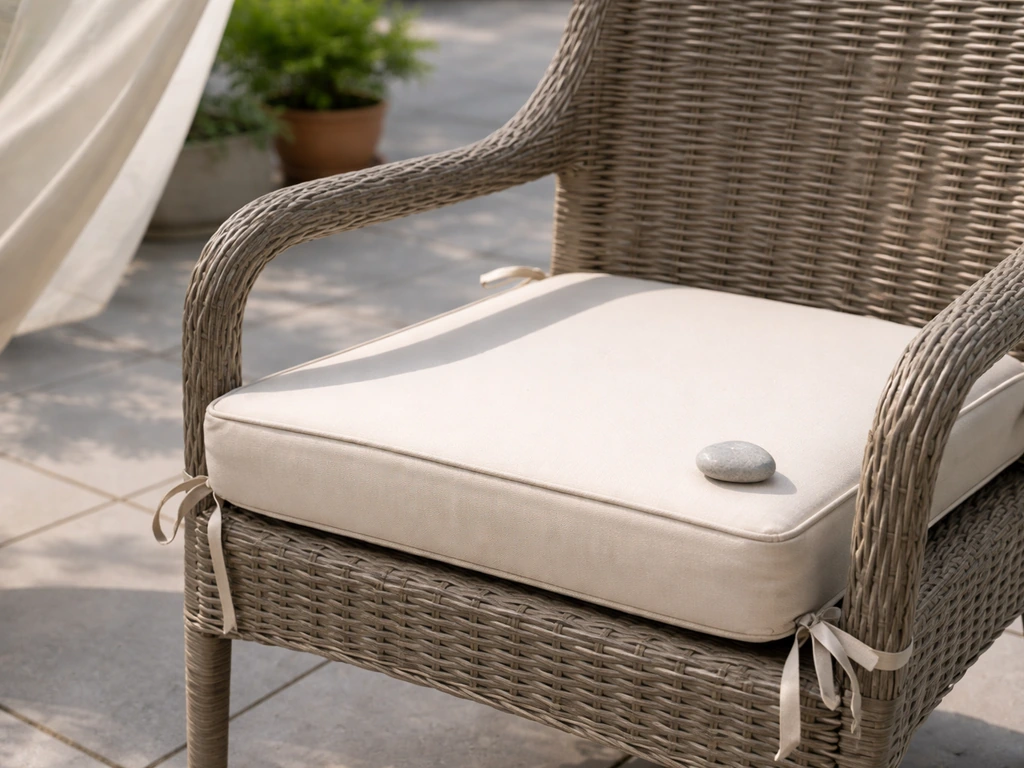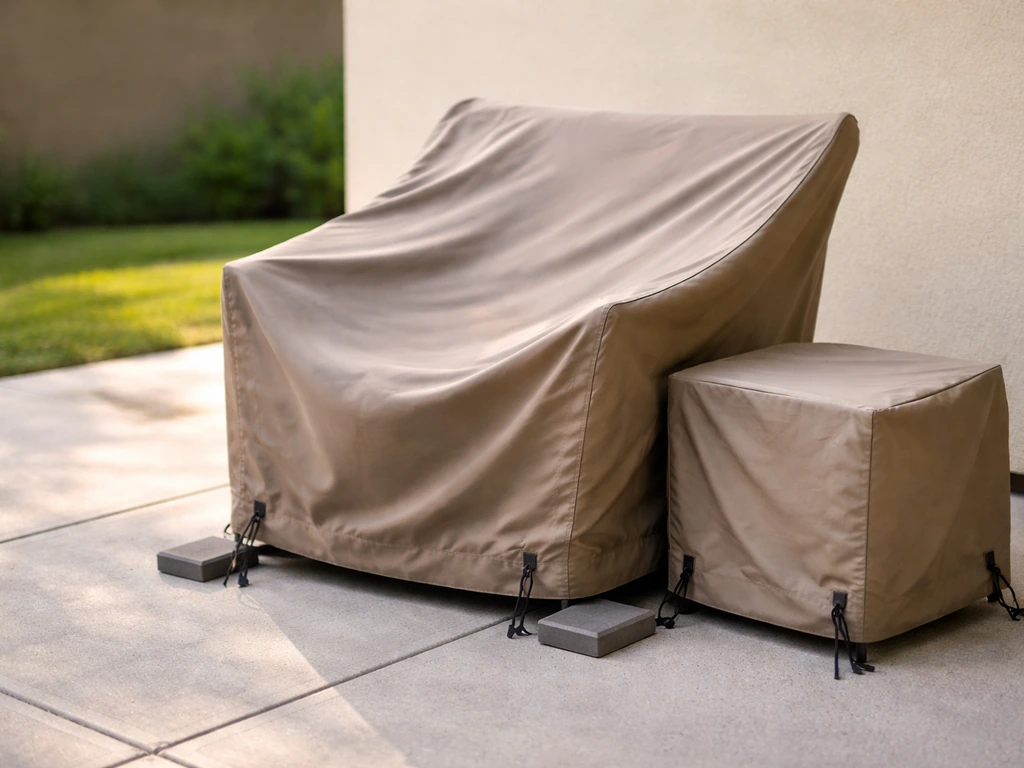
The fastest way to stop a patio rug from blowing away is to combine two things: an outdoor-rated non-slip rug pad underneath and something heavy on top, usually your patio furniture. If your patio furniture is the thing that keeps getting lifted, the same rug-wind logic applies: add weight and anchor points so it can’t blow away how to keep patio furniture from flying away. That combination handles 90% of situations. For edges and corners that still lift, rug corner tape or small anchor weights fill the gap. If you want a longer-term fix that actually stays reliable through gusty weather, keep reading, because the surface you're working with and the size of your rug both matter a lot.
How to Keep Patio Rugs From Blowing Away DIY Steps
Maren Grady
4 Jun 2026
Quick fixes you can do right now
If wind is picking up your rug today and you need a solution in the next ten minutes, here are your fastest options. None of these require ordering anything special or owning tools.
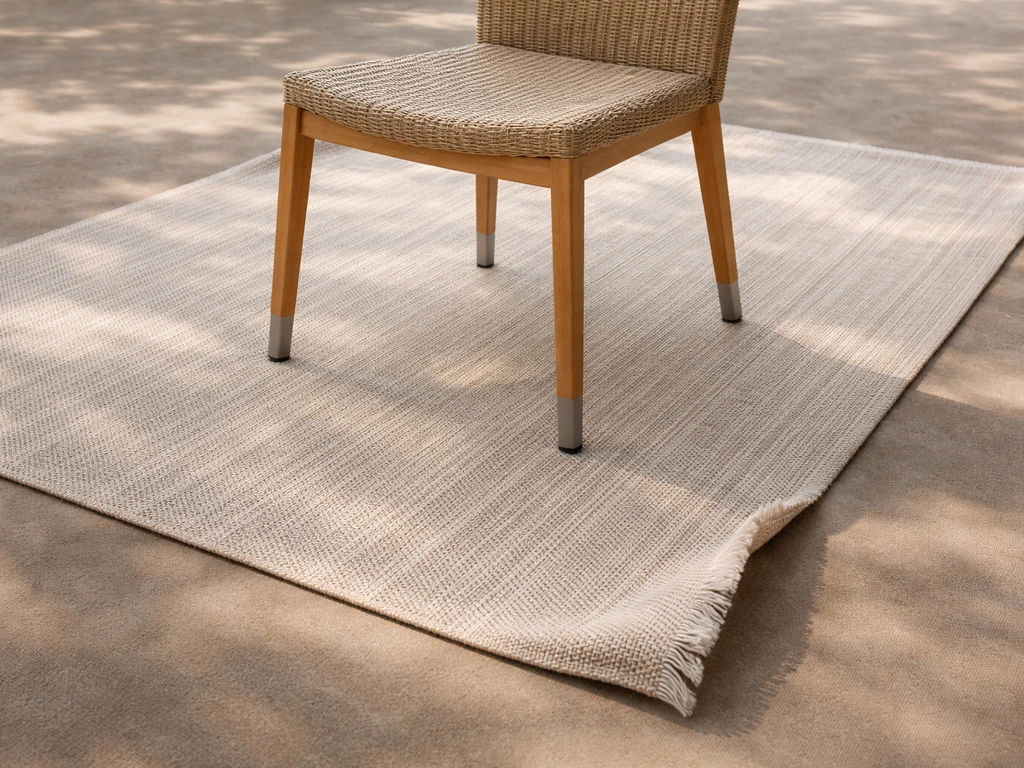
- Move your patio furniture onto the rug. This is the single most effective quick fix. Chairs, a table, a planter, even a cooler — anything heavy placed directly on the rug surface stops it from lifting. The more of the rug's area you can cover with furniture weight, the less surface area is exposed to wind getting underneath.
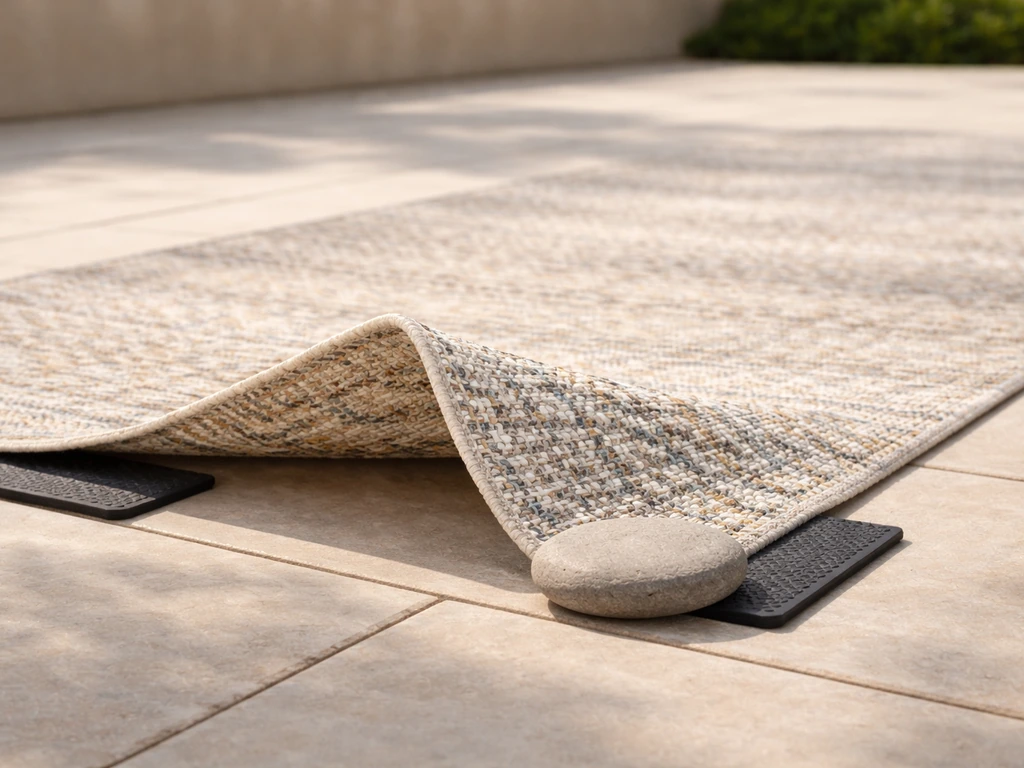
- Press rug corner tape under each corner. Rug corner tape (also called anti-curl or anti-lift tape) is a double-sided adhesive tape designed for outdoor use. Peel, press it under the corner, and stick the corner down. It takes about two minutes per corner and you can find it at most hardware stores for a few dollars.
- Add corner weights or heavy decorative objects. If you don't have tape on hand, set a heavy stone, brick, or a weighted planter on each corner of the rug. Not elegant, but it works while you sort out a better permanent solution.
- Roll the leading edge under if corners are curling. If the wind is consistently coming from one direction and curling the same edge, fold that edge under itself by an inch or two. This removes the exposed edge that wind catches and uses the rug's own weight to hold it flat.
These fixes buy you time. They work fine for occasional windy days, but if your patio gets consistent wind, you'll want to move on to the anchoring and pad solutions below.
The best ways to anchor a patio rug against wind
Anchoring comes down to three main approaches: corner weights, edge tape or straps, and hardware anchors. The right one depends on your surface and how much wind you're dealing with.
Corner weights
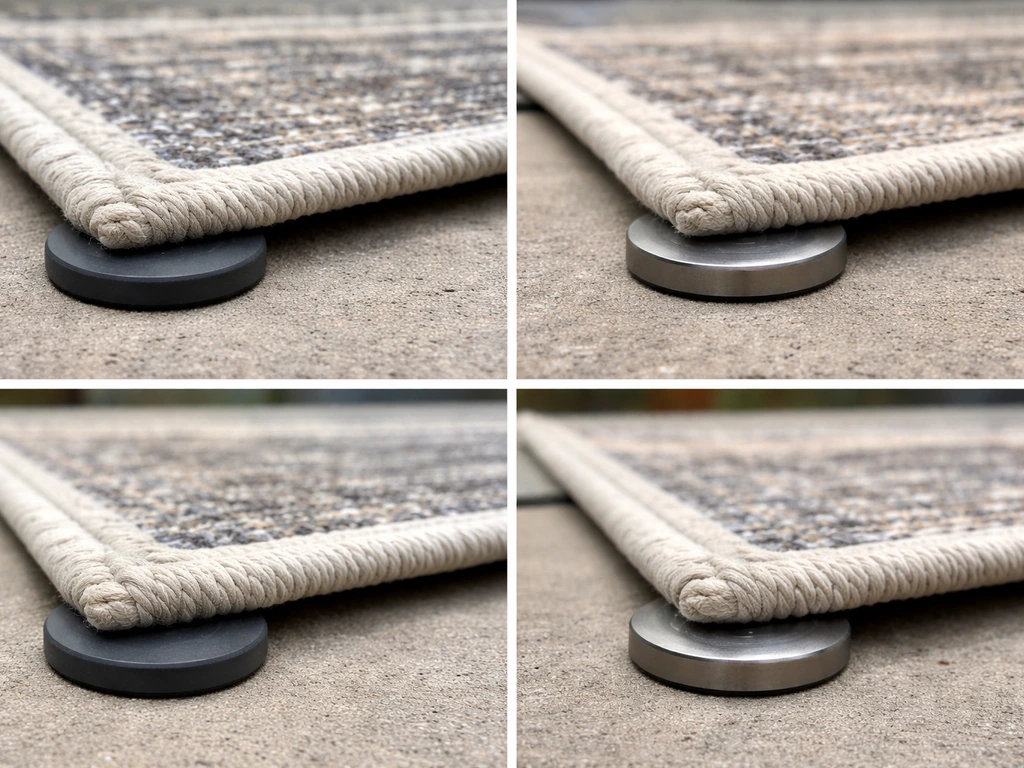
Dedicated rug corner weights are small, often rubberized or metal discs that sit under each corner of the rug. They add low-profile ballast exactly where wind-lift starts. You can buy purpose-made ones or improvise with large flat washers from a hardware store, which cost almost nothing. Slide one under each corner and add a small bead of outdoor-safe adhesive to keep the washer from migrating if you want a more permanent setup. For very large rugs, add weights along the midpoints of each edge too, not just the corners.
Rug tape and edge straps
Double-sided outdoor rug tape applied to the perimeter of the rug is one of the most budget-friendly anchoring methods out there, often costing under ten dollars for a full roll. Apply it around the entire border of the rug, pressing firmly to both the rug underside and the patio surface. The key word here is outdoor-rated: regular carpet tape loses its grip in moisture and heat, which means it fails fast.
Look for tapes marketed specifically for outdoor or tile/concrete surfaces. Rug grippers, which are thin rubber or PVC strips with adhesive on both sides, work on the same principle but cover more edge area and tend to hold longer. For decking, some people use small hooks and bungee-style straps to tie rug corners to deck railing posts or anchored furniture legs, which is especially useful if you're not willing to put adhesive directly on your deck surface.
Hardware anchors (for decks and composite surfaces)
If you have a wood or composite deck and the rug still moves after trying everything else, small eyelet screws driven into the deck boards near the rug's corners, combined with zip ties or thin cable loops threaded through the rug's weave at the border, create a surprisingly secure hold. This is the most permanent option and the most work, but it essentially eliminates wind-lift entirely. Be aware that driving screws into a deck does create small penetrations that should be sealed with outdoor wood sealant to prevent moisture damage. This approach obviously doesn't work on concrete or tile.
Using rug pads, grippers, and non-slip underlays
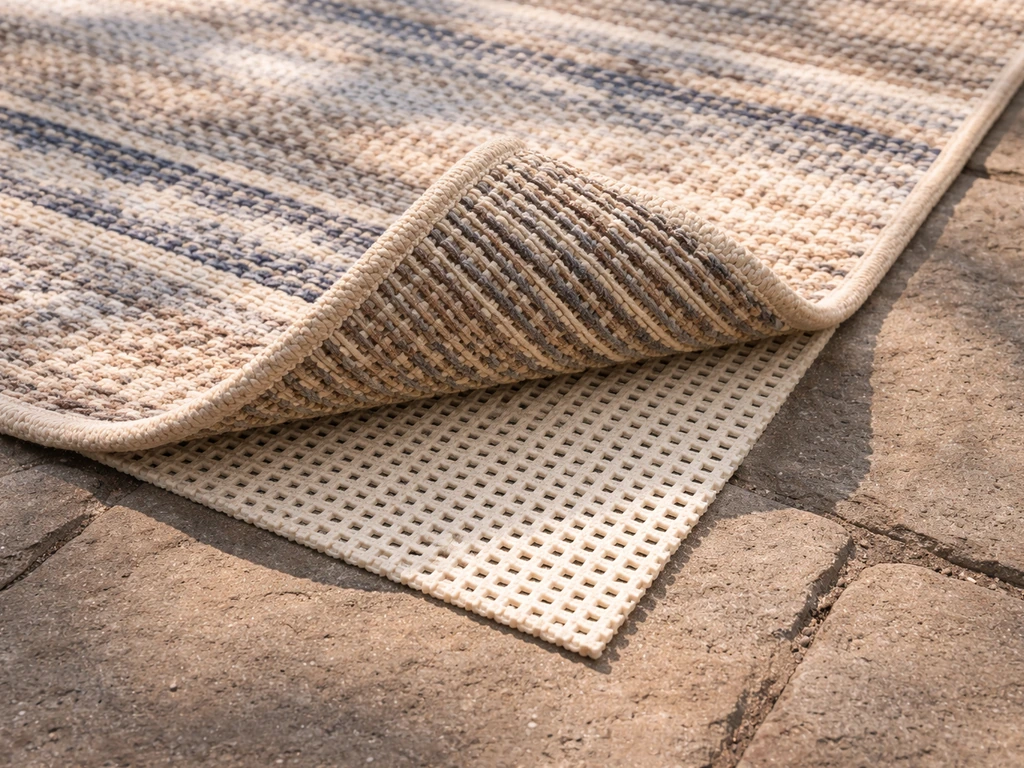
A good outdoor rug pad does double duty: it prevents the rug from sliding around and it adds friction between the rug and the patio surface that makes wind-lift harder. This is genuinely the most underrated solution, and it's the one I'd recommend to anyone starting from scratch.
Not all rug pads are made for outdoors though. Standard indoor rug pads are made from felt or foam that breaks down fast in UV light, rain, and temperature swings. You need pads specifically rated for outdoor use. Two types stand out:
- Rubber gripper pads: These are open-weave rubber mats that grip both the rug above and the hard floor below. They work well on smooth, hard surfaces like concrete, tile, linoleum, and Pergo. The open weave lets water drain through so they don't trap moisture, which is important for preventing mildew under the rug.
- Solid outdoor-rated non-slip pads: Products like the Slip-Stop Outdoor Rug Pad and StayPut Outdoor are engineered specifically for outdoor hard surfaces. StayPut Outdoor is compatible with wood, tile, concrete, and composite decking. These tend to have more surface coverage than open-weave options, meaning more grip area across the rug's full footprint.
For concrete patios specifically, the Slip-Stop Outdoor Rug Pad is a strong choice because it's designed for exactly that surface. For decks, StayPut Outdoor's compatibility with composite and wood makes it a better fit. StayPut Outdoor is described as engineered for life outdoors and designed to work on hard surfaces like wood, tile, concrete, and composite decking StayPut Outdoor's compatibility with composite and wood. The size of the pad matters too: get a pad that's roughly one to two inches smaller than the rug on all sides so the pad doesn't show around the edges, but covers as much of the underside as possible.
Installation is straightforward: clean the patio surface thoroughly first (debris and grit dramatically reduce grip), let it dry completely, lay the pad flat, then center the rug on top. A manufacturer maintenance guide for outdoor rugs also stresses making sure the rug is clean and completely dry before you start long-absence or storage care steps to help reduce mildew and mold risk blank" rel="noopener noreferrer">clean the patio surface thoroughly first and let it dry completely before placing the pad and rug. Press down firmly across the entire surface to seat the grip between layers. That's it.
Setup and maintenance habits that reduce wind lift over time
How you set up and maintain your rug makes a real difference in how well any anchoring method holds. To keep patio pillows from blowing away, use the same anchoring mindset: add weight, choose outdoor-rated grip, and clean the surface so anything adhesive holds longer. Here's what I've found actually matters:
Choose the right rug size for your space
Larger rugs are heavier and harder for wind to lift than small ones. A rug that fits snugly under your patio table and chairs, with the furniture legs sitting on the rug itself, is dramatically more stable than a small accent rug with nothing holding it down. If you're shopping for a new rug and wind is a concern, size up rather than down, and choose a heavier woven construction over lightweight synthetic weaves that act almost like a sail in wind.
Keep the underside clean and dry
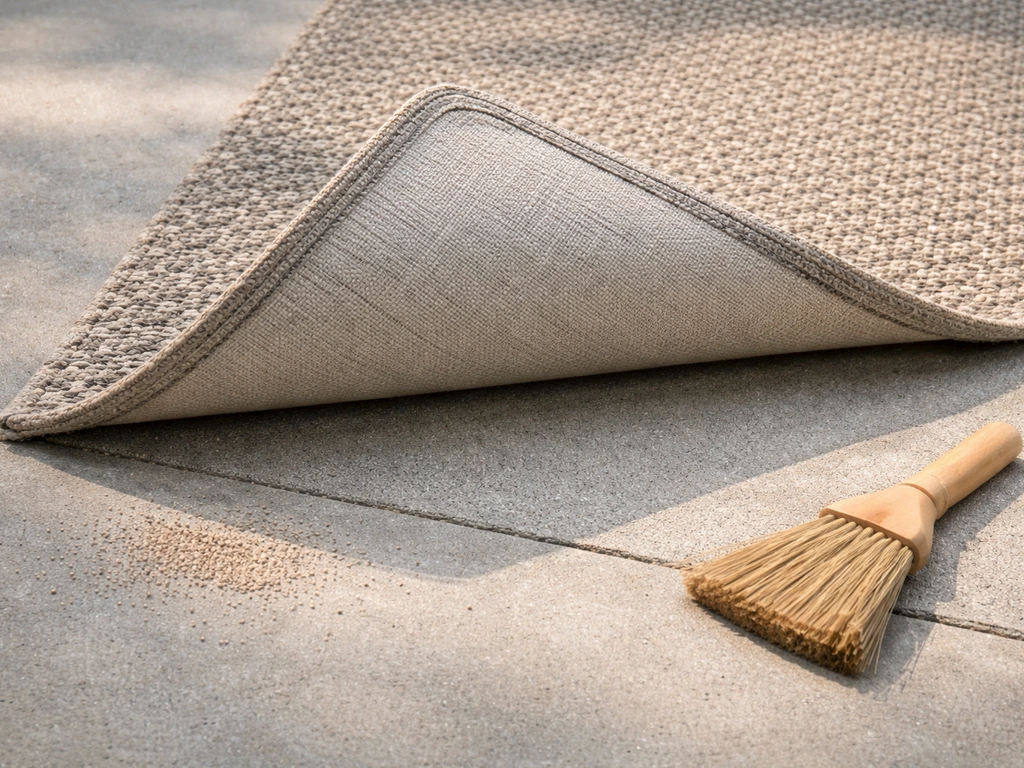
Traction is the whole game with rug pads and grippers. Dirt, sand, and moisture under the rug act like ball bearings and destroy grip. Every few weeks, flip the rug back, sweep the patio surface underneath, and let everything air out. If you're using a rubber gripper pad, spot-clean it with a damp sponge and let it fully air dry before putting the rug back on top. A wet pad on a wet surface has almost no grip. This is the step most people skip, and it's usually why their pad stops working after a month.
Position the rug to minimize exposed edges
Wind gets under rugs from the edges and corners. If you can position your rug so that furniture sits on all four edges or at least the windward edge, you take away the wind's entry point. Think about the prevailing wind direction on your patio and make sure the most exposed edge has something heavy on it.
The same wind-lift principles apply to chairs and tables, so use the right anchoring or weights to keep patio furniture from blowing away too. Even a single chair leg on the upwind edge makes a noticeable difference. If patio chairs are also shifting or lifting, use the same anchoring and pad logic on your chairs so the wind can’t get leverage under them how to keep patio chairs from blowing away.
Weatherproofing and storage for windy seasons
If you live somewhere with seasonal wind storms, a serious storm season, or winters that make leaving the rug out a bad idea, a little weatherproofing and smart storage goes a long way.
- Before storing, clean the rug thoroughly and make sure it is completely dry. Even a slightly damp rug rolled up and stored in a bag or shed will develop mildew within days. Lay it flat in the sun for several hours to be sure.
- Roll the rug (don't fold it) and store it in a cool, dry place away from direct sunlight and moisture. A storage bag or old duvet cover works well to keep dust and pests out. Folding causes permanent crease lines that lift edges when you unroll the rug again, creating wind-lift problems the following season.
- If a storm is coming and you're not ready to fully store the rug, at minimum roll it up and lean it against a wall or lay it under a covered area. A rolled rug can't blow away.
- Stow the rug before it rains if possible. Letting a soaked rug sit on a concrete or paver surface for extended periods encourages mold and mildew to grow on the underside, which also degrades rubber rug pads and reduces their grip.
- For your rug pad, air it out separately before storage. Rubber degrades faster when stored wet or compressed under a heavy rolled rug.
If you're also dealing with patio cushions, pillows, or chairs blowing around in the same storms, the storage logic is similar across the board: clean, dry, and get them out of the wind. The same windy conditions that affect your rug will affect everything else on the patio.
Still blowing away? Here's how to troubleshoot it
If you've tried a pad or tape and the rug is still lifting, something specific is wrong. Here's how to figure out what. Here's how to figure out what, including when wind is affecting other outdoor items like how to keep patio swing from blowing over.
| Symptom | Likely Cause | Fix |
|---|---|---|
| Corners keep lifting even with tape | Tape isn't rated for outdoor use or the surface was dirty when applied | Remove tape, clean and dry the surface fully, apply outdoor-specific rug tape or corner weights instead |
| Whole rug slides or shifts | Using an indoor rug pad outdoors, or pad material is wrong for the surface type | Replace with an outdoor-rated rubber gripper pad or a product like Slip-Stop or StayPut Outdoor matched to your surface |
| Rug lifts even with a pad under it | Pad is too small or doesn't cover enough area, or edges are unanchored | Add corner tape or weights along the perimeter on top of the pad, or move furniture onto the rug edges |
| Pad loses grip after a few weeks | Dirt or moisture has built up between the pad and the patio surface | Lift the rug, sweep and dry the surface, clean the pad, and reinstall on a fully clean, dry floor |
| Rug blows away despite furniture on top | Furniture legs are too narrow or only sitting on the center, leaving edges free | Reposition furniture so legs are closer to the rug's perimeter, or add tape/weights to the exposed edges |
| Grip works on dry days but fails when wet | Rubber pad type isn't waterproof or the surface becomes slick when wet | Switch to an open-weave rubber pad that allows water to drain rather than pooling under the rug |
The most common mistake I see is people buying an indoor rug pad and putting it outside. It looks the same, it feels the same, but it breaks down in UV and moisture within weeks and stops gripping entirely. Always check that the pad packaging specifically says outdoor-rated before you buy.
The second most common issue is surface incompatibility. A rubber gripper pad designed for smooth tile and linoleum behaves very differently on rough textured concrete or uneven pavers. If your surface is rough or uneven, you need a pad with more surface area contact, like a full-coverage solid outdoor pad rather than an open-weave mesh. When in doubt, match the pad type to your specific surface material and check the manufacturer's compatibility list before purchasing.
One last thing worth checking: the size of the rug relative to your patio. A rug that's too small for the space has more exposed perimeter and less furniture sitting on it, which makes every wind-lift problem worse. If troubleshooting other solutions isn't working, going up one size in your rug can sometimes solve the problem more effectively than any amount of tape or anchoring hardware.
FAQ
My outdoor rug pad isn’t stopping the rug from lifting. What’s the most likely reason?
If you installed a rug pad and the rug still lifts, the usual culprit is a dirty or damp interface. Sweep the patio first, let it fully dry, then press down firmly across the entire rug footprint so the pad makes full contact. If the pad gets moisture, its grip drops, so avoid putting the rug back on a wet pad or in rain.
Can I use the same rug tape on pavers, brick, or textured concrete?
Yes, but only if the adhesive is meant for outdoor and that specific surface. Many tapes fail on rough pavers or textured surfaces because contact is inconsistent. For uneven patios, consider full-coverage outdoor gripper pads or a perimeter tape plus corner weights, rather than relying on tape alone.
What are the best non-drilling ways to anchor a patio rug permanently enough for storms?
If you rent or don’t want to drill, start with non-penetrating options: outdoor rug pad, then corner weights or perimeter rug corner tape. Use zip ties or cable loops only if you can route them without snagging and without stressing the rug edges, because repeated pulling can fray border binding over time.
How can I tell whether a rug pad is truly outdoor-rated?
Avoid buying an indoor felt or foam pad for outdoor use, even if it feels grippy. Indoor pads often break down in UV and moisture quickly. Outdoor-rated pads should specify durability for rain, temperature swings, and outdoor surfaces, and they should match your patio type (smooth slab, decking, or rough concrete).
What can I do today if wind is strong and I can’t wait to install a pad or anchors?
For a quick emergency fix, you can add immediate ballast by placing flat, heavy items on top near the corners and along the windward edge. Then for the real fix, use corner weights or an outdoor perimeter tape on a clean, dry surface, since grip that works today can still fail if the patio is dusty or damp.
Will a bigger rug really help, or should I just add more weights?
If your rug is smaller than the patio area, wind has more exposed perimeter to grab. A practical test is to see whether at least one furniture set sits on the rug across all four edges, or at minimum covers the windward edge. If not, going up one size often reduces lift more than adding more tape.
Where should I anchor first if only some parts of my rug are lifting?
Wind often attacks corners first, so start your anchoring there. Use weights at each corner, then address the midpoints if the rug is large, because larger rugs have more lift points along each edge.
How often should I clean underneath the rug to keep it from blowing away again?
Yes, but only when the surface is dry and debris-free. Dirt and sand act like ball bearings under pads and grippers. Every few weeks, flip the rug, sweep the area thoroughly, and allow both the patio and the pad to air out before re-laying, especially after rain.
My outdoor tape is coming up. How do I fix it without wasting more tape?
If you used tape and it’s peeling, stop reapplying until you correct the surface issue. Clean the patio with a suitable degreaser or cleaner for outdoor surfaces, let it dry completely, then use outdoor-rated tape made for that material. On rough or uneven surfaces, tape may need help from corner weights or a pad with more full-surface contact.
What’s the best way to store patio rugs so they stay usable after windy seasons?
If you store the rug seasonally, keep it dry and flat. Shake off sand, hose briefly if needed then fully air dry, and store in a ventilated area so mold and mildew don’t form on the underside. For long storage, avoid leaving it under persistent moisture because pads and rug backings can degrade even indoors.