The fastest way to stop patio chairs from blowing away right now is to cluster them together, rotate them so the smallest face points into the wind, and run a ratchet strap or rope through the legs to tie them to each other or to something fixed nearby.
How to Keep Patio Chairs From Blowing Away in Wind
Maren Grady
9 Jun 2026
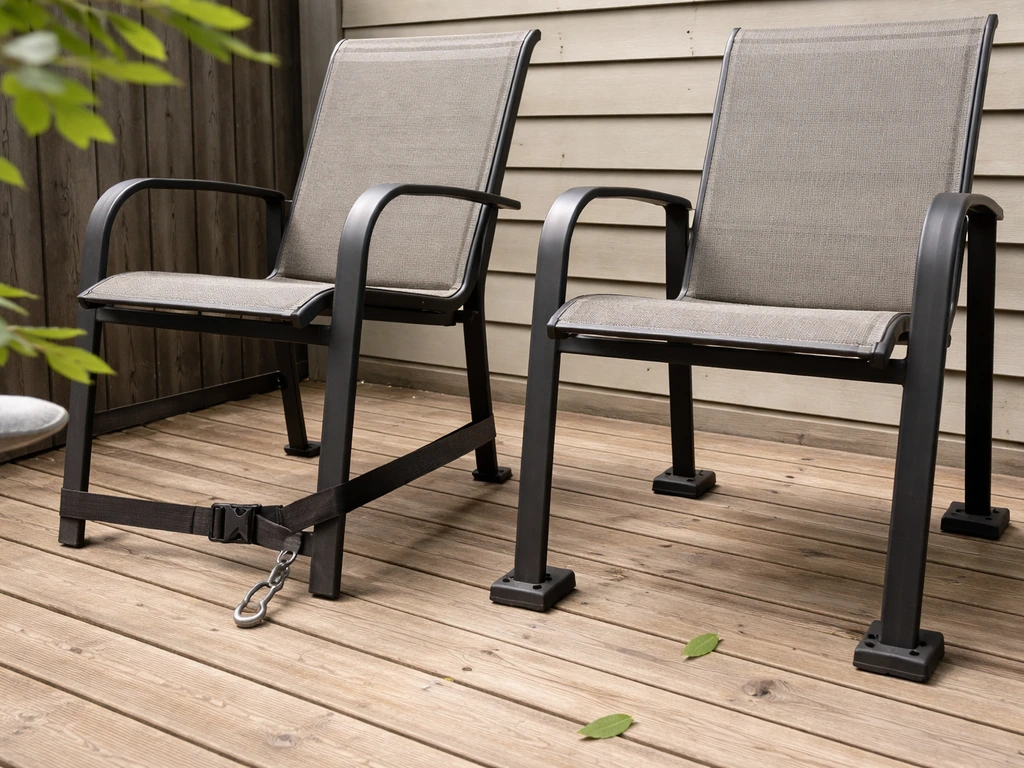
One fast "right now" approach is to reposition seating so fewer surfaces catch wind, such as rotating chairs to reduce the exposed face to gusts and moving lighter items closer together so each chair’s mass helps resist lift or shift rotate chairs to reduce the exposed face to gusts.
This temporary stability approach is commonly paired with added weight or clustering in outdoor furniture tie-down methods run a ratchet strap or rope through the legs to tie them to each other or to something fixed nearby. That buys you time. For a longer-term fix, you're looking at a combination of anti-slip foot pads, ground anchors or deck tie-downs, and smarter storage habits when the chairs aren't in use.
Which method works best depends on your chair material, your surface type, and how often strong winds hit your space.
Quick fixes for chairs that keep blowing (do these today)
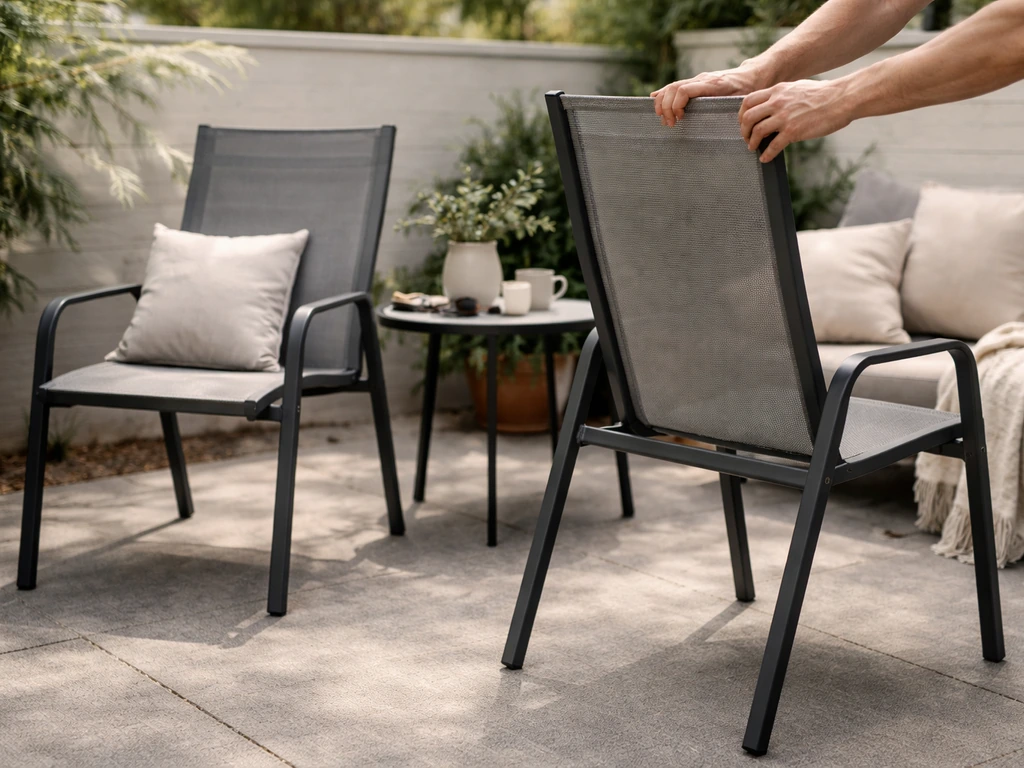
If a storm is coming or chairs are already scooting around your patio, you don't have time for hardware store runs. Here's what you can do in the next 15 minutes with stuff you probably already own.
- Rotate the chairs so the thinnest profile faces the prevailing wind direction. A chair turned sideways catches dramatically less wind than one facing it head-on. This alone can cut down on shifting in moderate gusts.
- Cluster chairs together and push them against a wall, railing, or heavy table. Grouped weight resists tipping and scooting far better than chairs spread out across an open patio.
- Thread a ratchet strap or a length of rope through the legs of multiple chairs and cinch them together into one heavier unit. A single 15-pound chair blows easily; four chairs strapped together at 60 pounds is a very different problem for the wind.
- If you have access to a fixed point like a deck post, fence post, or heavy planter, tie the cluster off to it using a bungee cord, rope, or ratchet strap. Route the strap around a leg, not over a painted or powder-coated edge, since rubbing will scratch the finish.
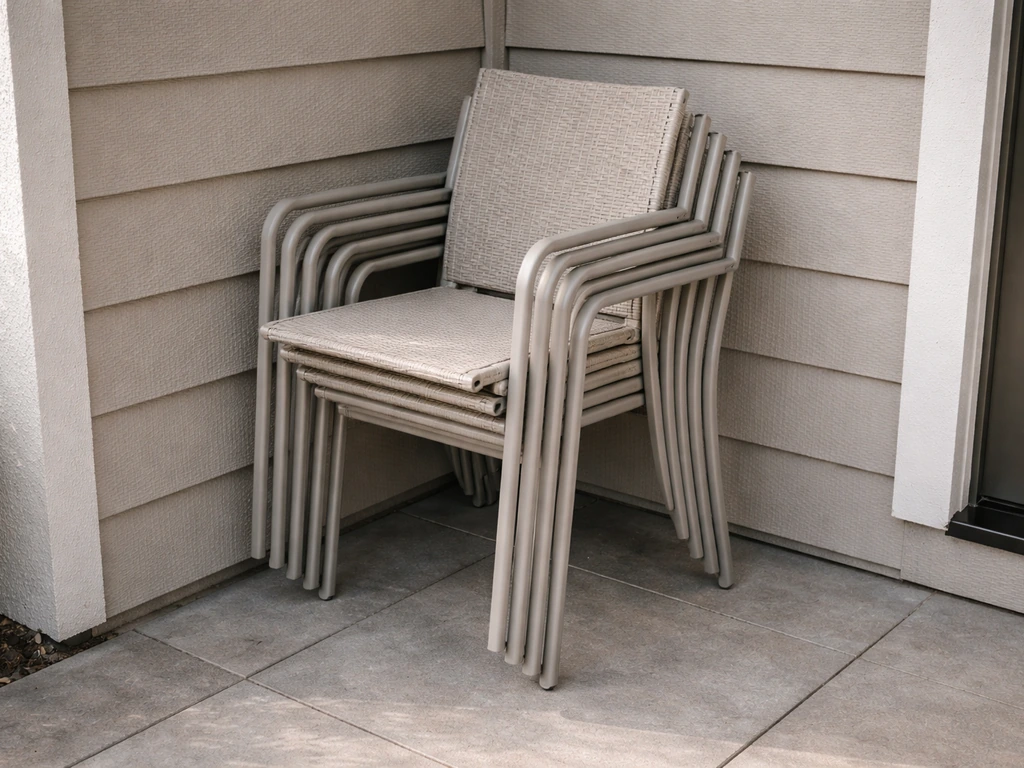
- Stack lightweight chairs if the design allows it. A stack of four chairs has a lower center of gravity and a fraction of the wind surface of four separate chairs.
One mistake I've made: threading rope over sharp metal chair arms. It sounds fine until the rope saws through the finish or, worse, snaps mid-storm. Always route straps through legs or frame rungs, not over decorative or thin-profile edges.
Assess why your patio chairs blow away
Before you throw money at anchors and straps, spend five minutes diagnosing your actual problem. Chairs blow away for a handful of specific reasons, and different reasons call for different fixes.
Chair weight and material
Lightweight resin, plastic, and aluminum chairs are the biggest offenders. A typical plastic Adirondack chair weighs about 15 to 20 pounds. A resin stacking chair can be as light as 8 to 10 pounds. Those will move in winds as low as 20 to 25 mph. Cast iron and heavy teak chairs (50 to 100-plus pounds) rarely blow away on their own, but they can still tip if the wind catches a flat back or a seat cushion. If your chair is under 25 pounds, weight is your primary problem.
Base design and foot contact
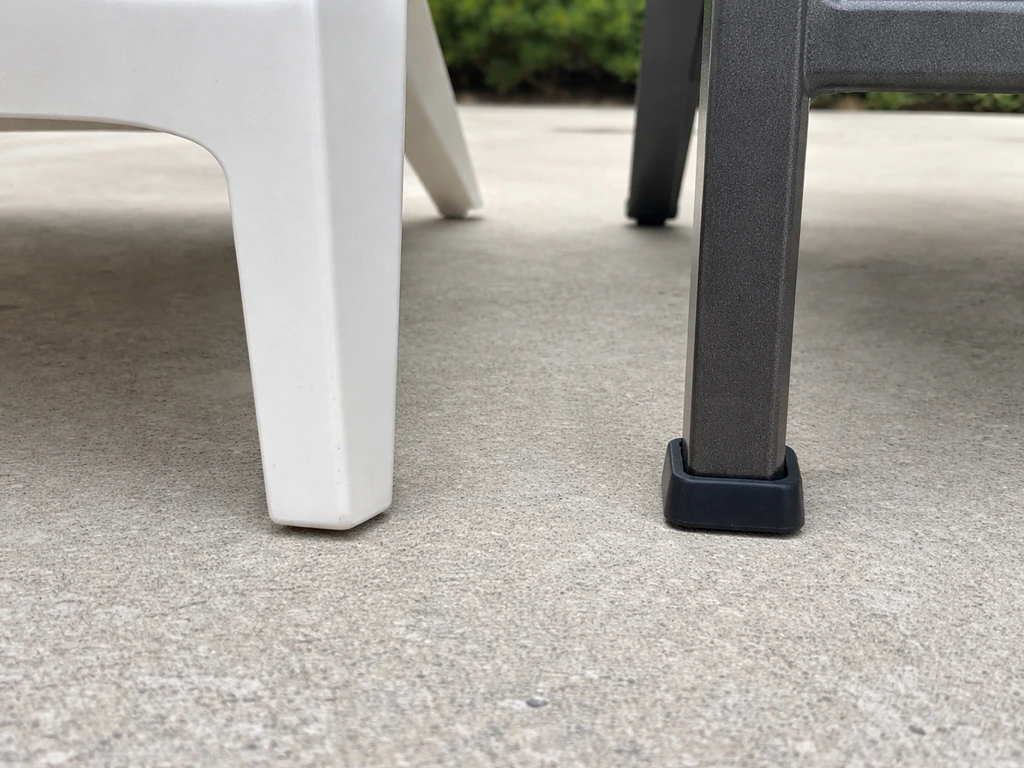
Look at how the chair's feet touch the ground. Thin metal legs with small contact points on a smooth concrete or tile surface offer almost no friction. Wide, flat sled bases do better, but if the rubber foot caps are worn or missing, even a heavy chair will slide. Check each foot right now. If you see bare metal or plastic on concrete, that's a major contributor to your problem.
Your patio's wind setup
Think about where your patio sits in relation to wind channels. A gap between your house and a fence creates a wind tunnel that can double or triple actual wind speed. An exposed corner of a deck with no railing or windbreak on two sides is another common culprit. If chairs only blow away in one spot on your patio, the problem is likely a channeling effect rather than the chairs themselves. Repositioning furniture out of that zone, or adding a privacy screen or windbreak planting, may solve the issue permanently without any hardware at all.
Surface type matters more than people think
| Surface | Friction Level | Best Anchoring Options |
|---|---|---|
| Concrete (smooth) | Low | Ground anchors, adhesive anchor plates, anti-slip pads |
| Concrete (brushed/textured) | Moderate | Anti-slip pads, tie-down straps to fixed points |
| Pavers | Moderate | Furniture feet inserts into gaps, anti-slip pads, weights |
| Wood deck | Moderate-High | Deck anchor hooks, screw-in eye bolts, anti-slip pads |
| Composite deck | Low-Moderate | Deck anchor hooks, strap tie-downs, non-marring pads |
| Grass/dirt | High (but uneven) | Ground stakes, umbrella-style anchors, cable ties to stakes |
Secure chairs to the ground or structure
If your chairs are in a fixed spot most of the season, actual anchoring is the most reliable solution. The right method depends on your surface and how permanent you want to go.
On concrete or pavers: anchor plates and ground anchors
Concrete anchor bolts (also called wedge anchors or sleeve anchors) let you bolt a small eye or ring into the slab, then run a cable or strap from the chair leg to the ring. This is the most secure method available for concrete patios. A 3/8-inch wedge anchor into a concrete slab will hold hundreds of pounds of pull force, which is far more than any wind is going to generate on a patio chair.
The downside is that this is a permanent hole in your concrete. If you rent, or if you want flexibility, look at adhesive anchor plates instead. These use a two-part epoxy to bond a flat plate with an attachment ring to the concrete surface. They're not quite as strong as drilled anchors, but they're more than adequate for chairs.
On pavers, you have a sneaky easy option: push a ground stake or a tent-style peg down into the joint between pavers and clip or tie a chair leg to it with a carabiner and a short piece of chain or cable. No drilling required. The stake drops straight into the sand or gravel base beneath the paver gap. This works surprisingly well and costs almost nothing.
On a wood or composite deck: screw-in hooks and deck cleats
The cleanest solution on a deck is a screw-in eye bolt threaded into a joist or a deck board (into solid wood, not just the surface). Attach a short bungee, cable, or clip to the eye bolt and loop it around or through a chair leg. For a neater look, you can find low-profile deck anchor cleats that sit nearly flush with the decking. Many are designed to tie down deck furniture covers, but they work just as well for chairs. The key on composite decking is to use the right screw type so you don't crack or delaminate the board.
On grass or dirt: ground stakes
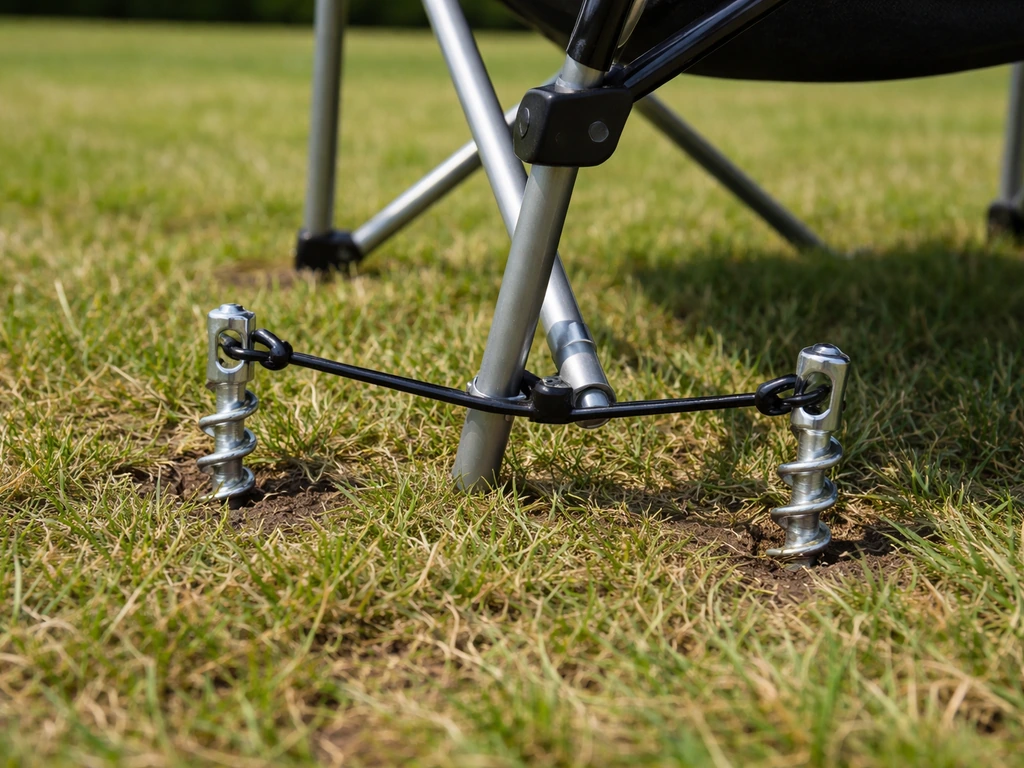
Auger-style ground stakes (spiral anchors) are your best friend here. Screw them into the ground next to each chair leg and run a short bungee or wire clip to the leg. You can find four-pack auger anchor sets for under $15. They pull out easily when you want to move the furniture and leave almost no trace in the lawn. For lightweight plastic chairs on grass, this is genuinely one of the cheapest and most effective options available.
Tie-down straps: the universal backup plan
A set of small cam buckle straps or ratchet straps is a useful thing to keep in your patio storage bin regardless of your other anchoring setup. Using cam buckle straps or ratchet straps is also one of the quickest ways to keep patio furniture from blowing away in moderate wind patio storage bin. In a pinch, you can run a strap from a chair leg to a fence post, deck railing, or even a buried corkscrew stake in the grass. Keep the strap low to the frame so it doesn't rub on painted or anodized finishes, and check that any anchor point you use is actually solid. A fence post that wobbles won't help much.
Add grip and stability without anchoring
If anchoring feels like too much commitment, or you just need a simpler solution for moderate wind conditions, adding grip and weight to the chairs themselves goes a long way.
Anti-slip foot pads and caps
This is the easiest and cheapest upgrade you can make to almost any patio chair. Rubber foot caps (also called furniture leg caps or glides) slip over the bottom of chair legs and create real friction against hard surfaces. A set of four caps for a standard round-leg chair runs $5 to $10. For flat-bottomed sled bases or flat skids, adhesive anti-slip pads or rubber furniture grippers do the same job. The improvement in stability on concrete and composite decking is noticeable immediately. These also protect your deck surface from scratching, which is a bonus.
Check the caps on your existing chairs right now. Rubber hardens and loses grip over time, and a cap that's more than two or three seasons old is probably contributing to your problem. Replacement sets are cheap enough that it's worth just replacing them at the start of each season rather than diagnosing worn ones each time.
Adding weight directly to chairs
For chairs that can't be anchored and are just too light, adding weight is an option. Some stackable patio chairs have hollow legs that you can fill with sand (cap the end with a rubber plug or tape) to add several pounds per leg without changing the chair's appearance. Another approach is attaching a small dive weight or lead fishing weight inside a fabric pouch and zipping or velcroing it under the seat frame. This is DIY, but it works. The goal is to keep the weight low on the chair to lower the center of gravity and make tipping less likely.
I'll be honest: weighting chairs is a workaround, not an ideal solution. It helps in moderate wind but won't stop a truly light chair in a serious storm. Think of it as a complement to other methods, not a replacement.
Wind-resistant storage and covers when chairs aren't in use
A lot of chair damage and displacement actually happens when no one is sitting on them, either overnight, during a stretch of rainy weather, or in the off-season. Getting your storage and covering strategy right is almost as important as anchoring. Getting your storage and covering strategy right is also a key part of how to keep patio furniture from flying away when the wind picks up. The same storage, stacking, and cover strategies can help you keep a patio swing from blowing over when it is not in use.
Stack and store whenever possible
If your chairs are stackable, stack them and move the stack against the house wall or into a corner when you're done for the day. This is the single most effective thing you can do. A stack of six chairs pushed into a corner has almost no wind exposure and is stable enough to weather most storms without any strapping.
For chairs that don't stack, fold them if they fold, or lean them face-down against the wall. A chair lying face-down on the patio floor cannot tip or blow away. This is especially relevant for lightweight aluminum folding chairs that are prone to cartwheeling across the lawn in a strong gust.
Using furniture covers that actually stay put
A loose furniture cover that catches the wind can actually make the problem worse by acting like a sail and flipping the chair it's covering. If you use covers, they need to fit properly and have a way to stay tensioned. Look for covers with drawcords, buckle straps, or corner ties that cinch under the chair frame. Route any straps through or under the legs, not over sharp edges or corners, to avoid abrasion. A cover held firmly at the hem with cinched buckles stays put in strong wind and also protects the chair from UV damage and moisture when it's stored in place.
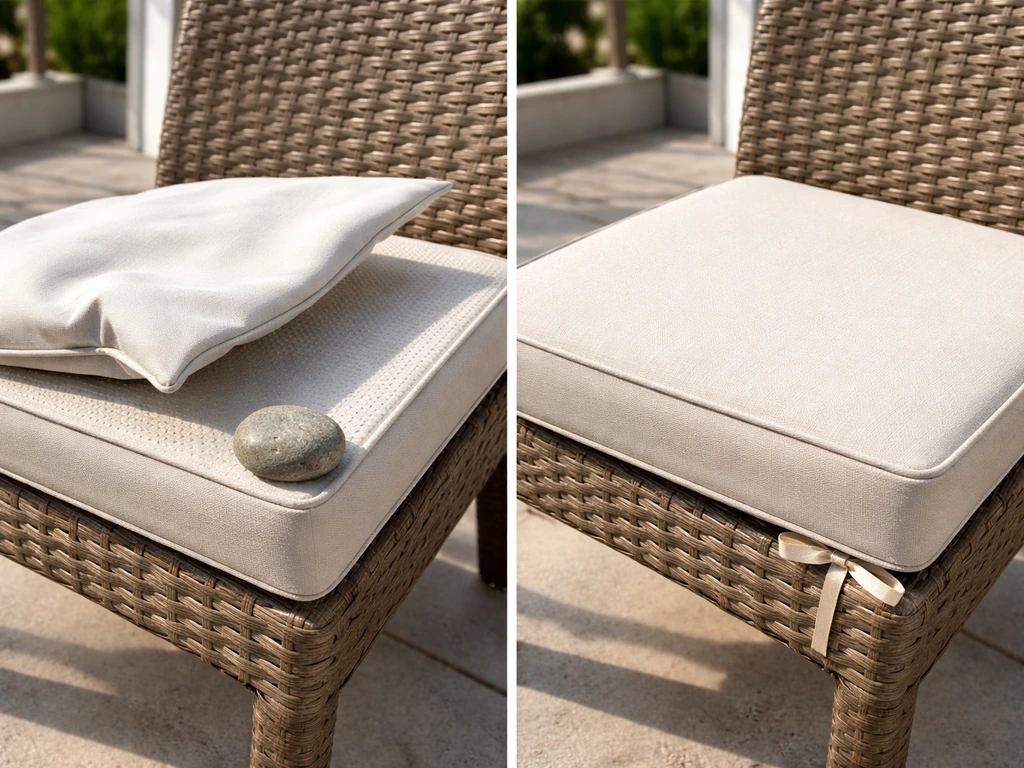
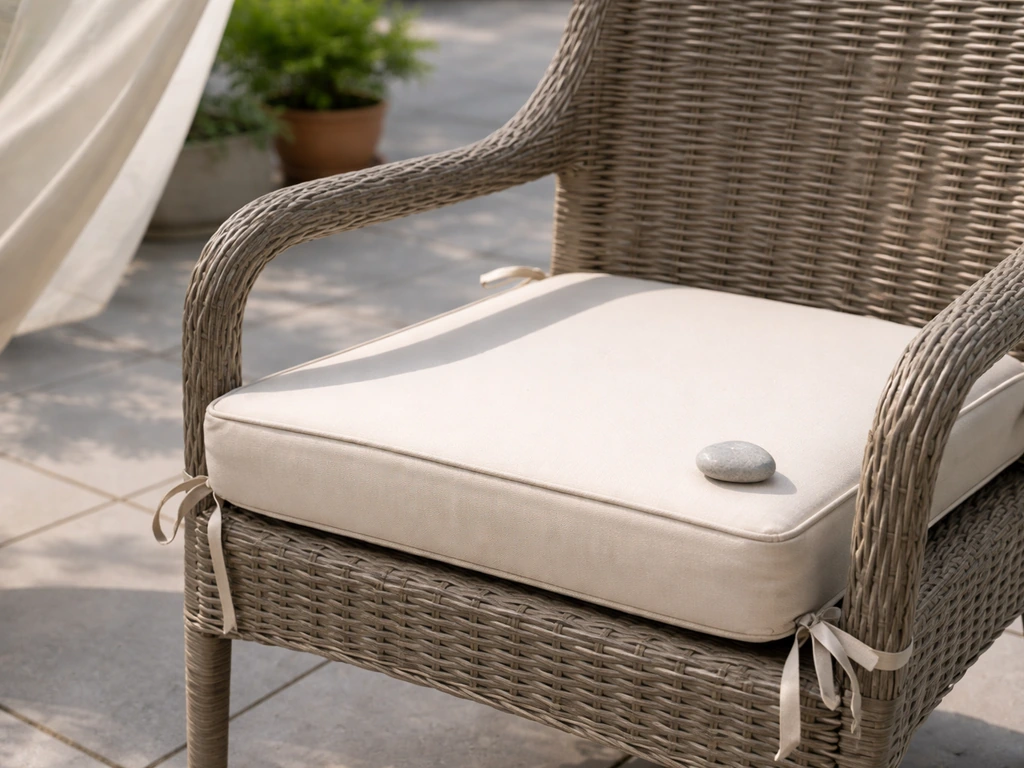
This same principle applies to cushions and pillows on chairs that are left in place. This same principle applies to cushions and pillows on chairs that are left in place keeping those secure. If you're interested in keeping those secure too, that's its own topic worth exploring alongside this one, since the strategies for keeping patio cushions from blowing away are slightly different from securing the chair frame itself. If you want the cushions to stay put too, the same windproof storage mindset applies, but you will need cushion-specific securing tricks strategies for keeping patio cushions from blowing away.
Off-season and extended storage
For any period longer than a few days, bring chairs inside a garage, shed, or covered storage area if at all possible. Even the best outdoor materials degrade faster when exposed to repeated wind and UV cycles, and storage is the best long-term protection for your investment. If indoor storage isn't practical, stacking and covering tightly with secured covers is the next best option.
DIY improvements and ongoing maintenance to make solutions last
The fixes above will work, but they'll work a lot longer if you build a simple maintenance habit. Here's what to check at the start of each season and after any major storm.
Inspect and replace rubber feet and glides
Flip each chair upside down and look at the feet. Rubber that's cracked, flat, or shrunken has lost most of its grip. Replacement caps cost almost nothing. While you're at it, check that all leg tips are present. Missing foot caps on one or two legs throws the chair off-level, which makes tipping in wind far more likely.
Check hardware and joints
Loose bolts and wobbly joints destabilize a chair structure and make it easier to tip. Go around each connection point with the appropriate screwdriver or wrench and snug anything that's worked loose over the previous season. On chairs with nylon or plastic connectors, inspect for cracking. A cracked connector might hold a person's weight but can fail under lateral wind load. Replacement hardware sets for most major chair designs are available online for under $10.
Reassess your layout for wind exposure
At the start of each season, spend a few minutes thinking about where your chairs sit in relation to your home's wind patterns. If you know storms typically come from the west, position chairs so they're sheltered by the house, a fence, or a screen. Moving a chair two feet to the left might completely remove it from a wind tunnel effect. This is free, takes two minutes, and often works better than any hardware.
Simple DIY windbreak options
If your patio is genuinely exposed with no natural shelter, a DIY windbreak can change everything. Privacy screen panels attached to deck posts, a trellis with dense plantings, or even a simple bamboo fence panel on the windward side all reduce wind speed at chair level significantly. These projects are more involved than swapping foot caps, but if wind is a chronic problem on your patio, addressing the source is far more effective than fighting the symptoms every season.
Choosing the right method for your situation
Here's a simple way to decide which approach to prioritize based on your setup:
| Your Situation | Best Primary Fix | Good Backup |
|---|---|---|
| Lightweight plastic/resin chairs on concrete | Ground anchors or adhesive anchor plates + anti-slip pads | Cluster and strap together before storms |
| Aluminum or lightweight metal chairs on a deck | Screw-in deck eye bolts + rubber foot caps | Fold or stack and store inside overnight |
| Any chair on grass or dirt | Auger ground stakes + carabiner clips | Lay face-down or stack against a wall when not in use |
| Heavy resin or cast chairs on pavers | Anti-slip pads + paver-gap stakes | Tightly fitted covers with cinched straps |
| All chair types, storm incoming | Stack, rotate, cluster, and strap to a fixed point | Bring indoors if possible |
The main thing I'd tell you is to not wait for the next storm warning to do this. Spend 20 to 30 minutes now checking foot caps, snugging loose hardware, and picking up a pack of auger stakes or a ratchet strap set. Those small tasks are what separate a patio that survives gusty summers from one where you're chasing chairs down the yard every other week.
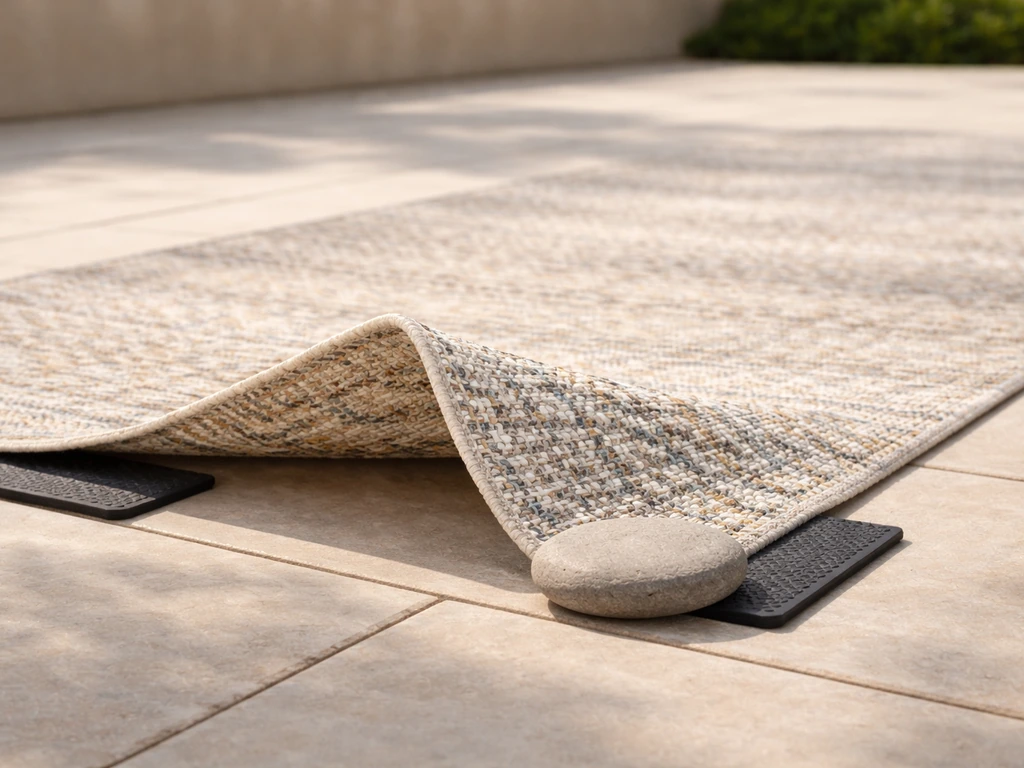
And if the wind problem on your patio goes beyond chairs, the same thinking applies to rugs, cushions, pillows, and larger furniture pieces, each of which has its own quirks worth addressing. For rugs, use rug grippers or non-slip pad backing, and secure the corners with outdoor tie-downs so they stay put in strong gusts the same thinking applies to rugs.
FAQ
How do I stop patio chairs from blowing away if I cannot find solid anchor points (like a fence post or deck joist)?
Use a two-step approach: first add high-friction grip (new rubber foot caps or adhesive anti-slip pads), then use temporary tie-downs that do not rely on wobbly anchors. Tie the chair to something rigid (a braced gate frame or a firmly set planter) or use auger-style ground stakes next to each leg, so the anchor is in the ground rather than on a possibly loose structure.
What’s the safest way to strap chairs during a storm without damaging them?
Route straps through structural parts (legs, frame rungs, or anchor rings) and keep strap contact points low on the chair frame to reduce rubbing. Avoid decorative arms, thin metal edges, and any area where the strap can slide and saw through paint or finish, and check that the strap is not loose enough to “snap taut” when gusts change direction.
Can I just add weight to lightweight chairs instead of anchoring them?
It can help in moderate wind, especially with tipping-prone designs, but it usually does not prevent displacement in strong gusts. If you fill hollow legs with sand, cap the ends securely so sand cannot leak, and add weight only to the chair (not the ground) since weighted chairs still slide if foot caps are worn.
My patio is on tile, what should I do if friction pads don’t seem to work?
Inspect the leg tips for worn or missing caps, then clean the contact surface (dust, polish, or residue can reduce grip). If your chairs have wide bases but the bottoms are uneven, adhesive pads can help more than rubber caps alone, and you may still need straps to break free in persistent wind channels.
How do I know whether wind is coming from a single direction versus random gusts?
Mark where chairs end up after a windy night (for example, consistently drifting toward the same side). If the direction is consistent, treat it like a channeling or exposure issue, then reposition chairs out of the gust path and test by placing one chair in the new spot with fresh foot caps before buying hardware.
Are cam buckle straps or ratchet straps better for securing patio chairs?
Both work, but ratchet straps tend to stay tighter under vibration because they lock under load changes. Cam buckle straps are faster to apply and are great for quick moderate-wind setups, just make sure the strap lies flat on the frame and the anchor point does not move.
What should I use on pavers if I’m worried about chipping or drilling?
Use joint stakes or tent-style pegs placed between pavers, then clip or tie the chair leg to the stake with a short line of cable or chain. This avoids drilling and spreads the load into the sand or gravel base under the paver gap instead of into the paver surface.
How often should I replace rubber foot caps and what are the signs to look for?
Replace them at least every few seasons, sooner if you see cracking, flattening, missing caps, or hardening that reduces grip. Missing caps on even one leg can throw the chair slightly out of level, which increases tipping risk in wind even if the chair is otherwise stable.
Can a cover make the chair blow away more easily?
Yes. A loose cover can act like a sail and flip or drag the chair. If you use covers, choose ones with drawcords, buckle straps, or corner ties that cinch under the frame, and ensure straps route through or under legs rather than across sharp edges that can lift in gusts.
What’s the best quick “before bed” routine when strong winds are expected?
Stack chairs if possible and push the stack into a sheltered corner, otherwise fold and place face-down. If chairs must stay out, apply at least a temporary strap low on the frame to an existing rigid point or install auger stakes next to each chair leg during the calm window before the worst gusts.