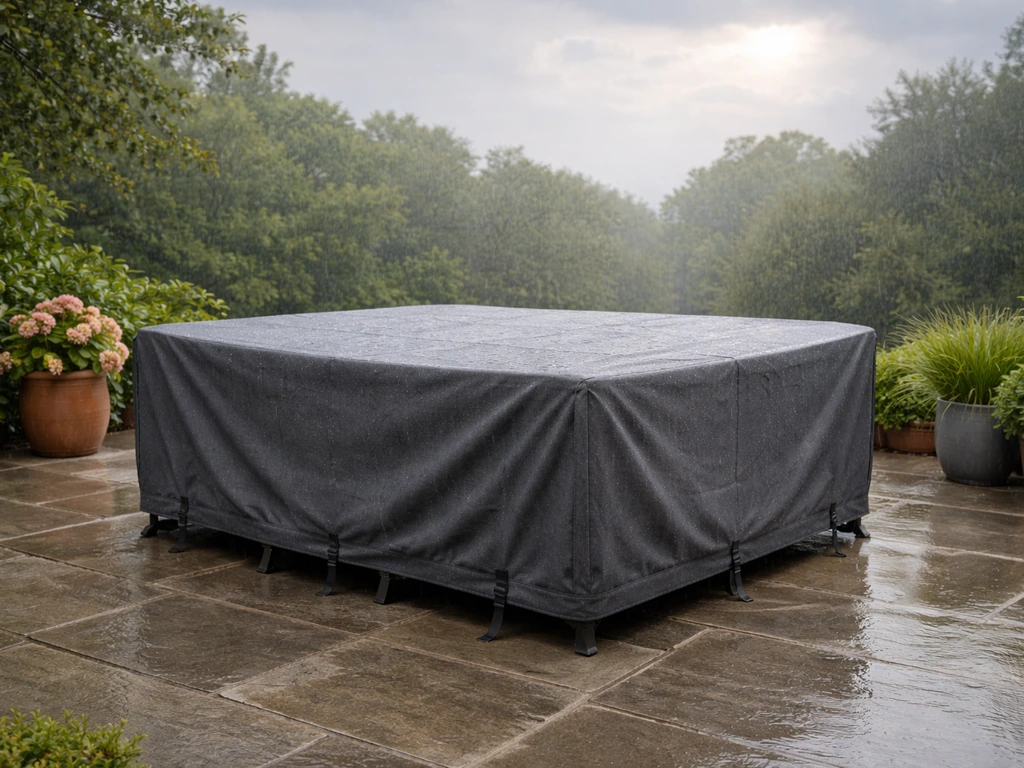
Yes, patio furniture should be covered when it's not in use, but not all day, every day. The smart move is covering it during rain, storms, overnight dew, and extended periods of direct sun, then removing the cover on bright, dry days so the furniture can breathe. Leaving a cover on 24/7 is actually one of the most common mistakes homeowners make, and it can cause just as much damage as leaving furniture completely exposed.
Does Patio Furniture Need to Be Covered? Simple Rules
Maren Grady
18 May 2026
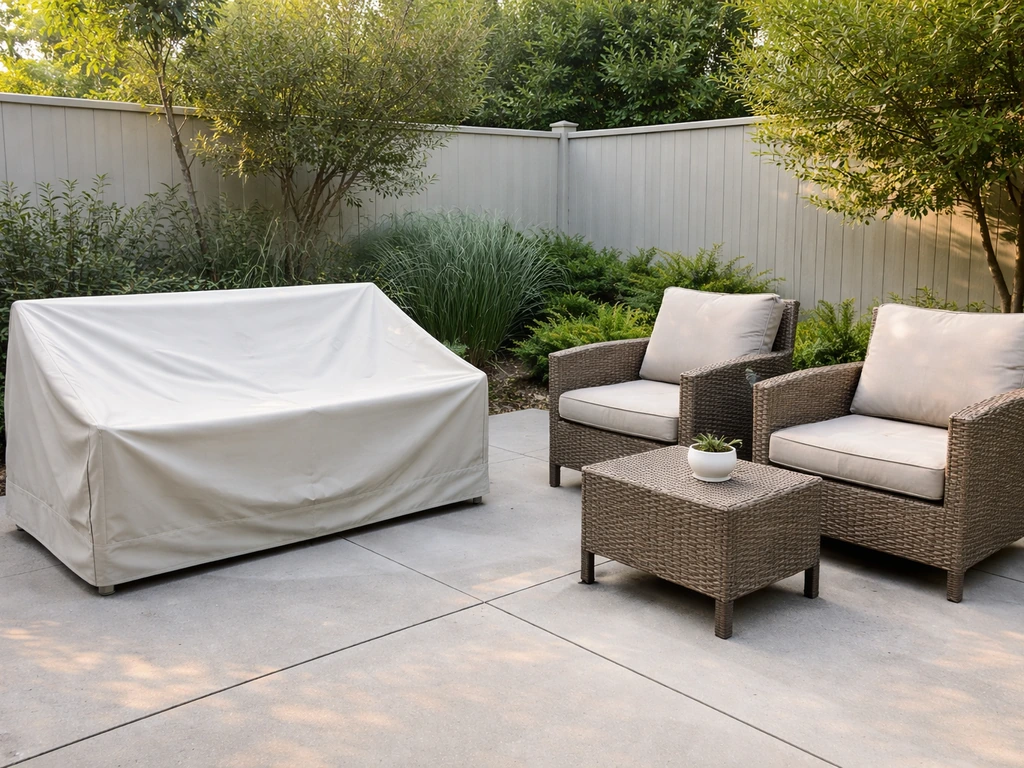
Should you cover patio furniture in summer?
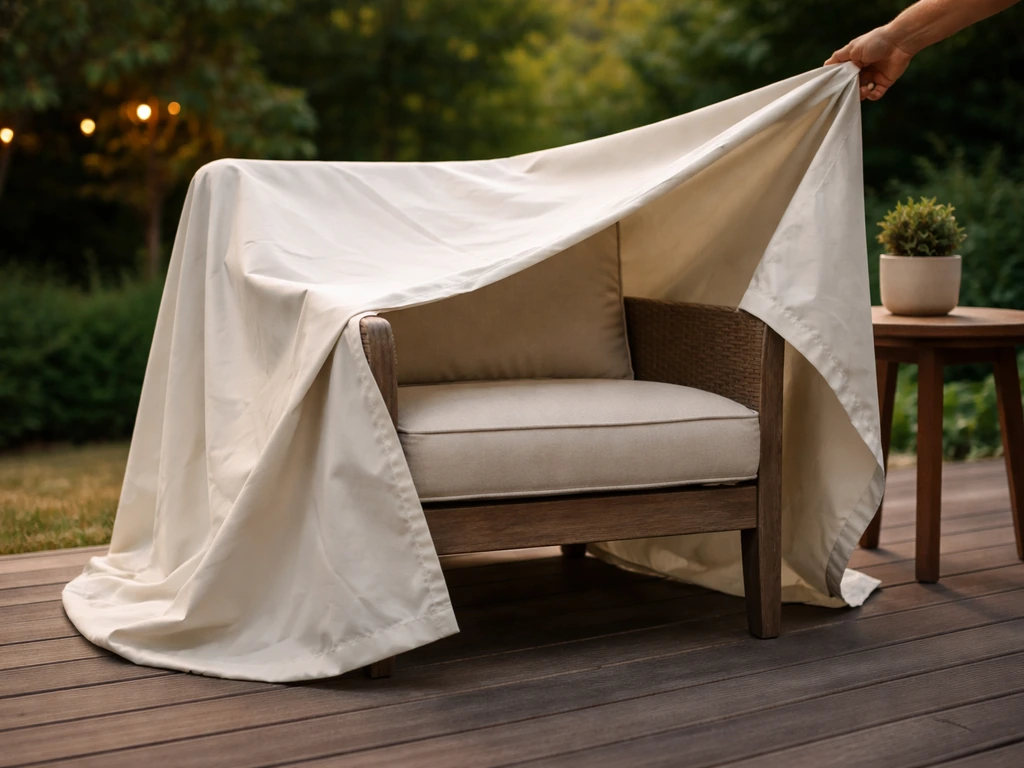
Summer is the season where most people get this wrong. It feels like you should protect your furniture constantly, so you leave the cover on all week. The problem is that warm, humid air gets trapped underneath and creates what experts call a mini greenhouse effect. Metal frames sweat and start to corrode. Upholstery and cushions develop mold or mildew. Even wood and wicker can suffer when sealed away from air circulation on humid days.
The better summer approach is selective covering. Put the cover on overnight, before a rainstorm, or when you're heading away for a week. On sunny, dry days when it's not raining, pull the cover off and let the furniture breathe. This balance protects your pieces from UV damage, rain, and dew without trapping the heat and moisture that cause rot and mold.
When exactly should you cover your furniture?
Timing matters more than most people realize. Here's a simple breakdown of when to cover and when to leave things open:
- Before rain or storms: Always cover up. Even furniture marketed as weather-resistant takes a beating from prolonged wet exposure, especially at joints, cushion seams, and any painted or finished surfaces.
- Overnight in summer: Cover if dew is likely. Morning dew soaks fabric and sits in metal joints. Covering overnight costs you nothing and prevents that slow, cumulative moisture damage.
- On bright, dry days: Leave it uncovered. Sun and airflow are your allies here. They dry out any lingering moisture and prevent mold from taking hold.
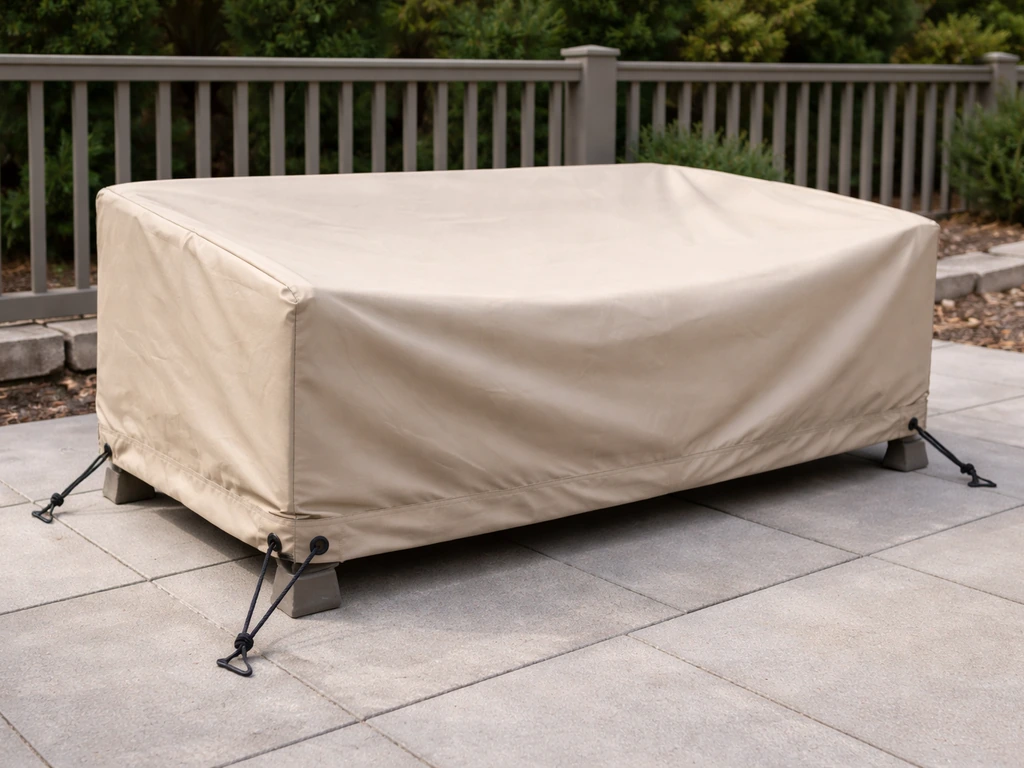
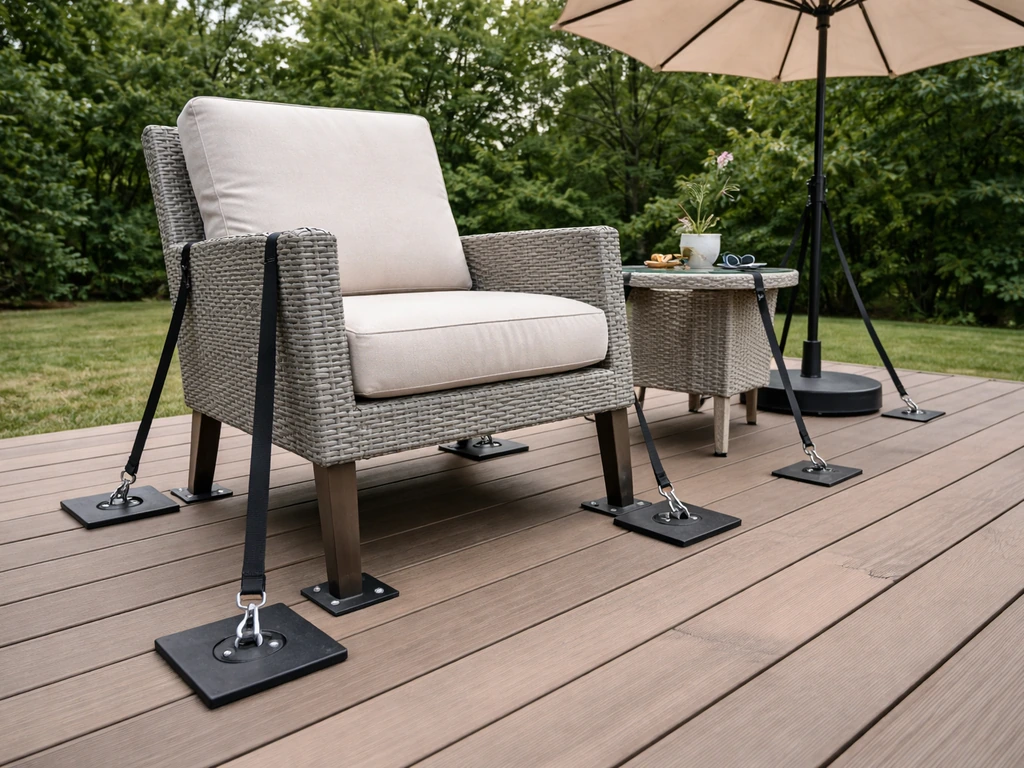
- During extended absence (vacation, long weekends): Cover everything. Tie it down securely so wind doesn't turn the cover into a sail.
- In winter or the off-season: Cover for short-term protection, but seriously consider bringing cushions and fabric pieces indoors. For harder furniture, covers are a reasonable option if you live somewhere mild, but colder and wetter climates usually call for full indoor storage.
One thing that catches people off guard is dew. You get a beautiful clear night, no rain in the forecast, and by morning everything is soaked. If you're in a climate where overnight temps drop significantly from daytime highs, covering before you go to bed becomes a real habit worth building.
What about your specific furniture material?
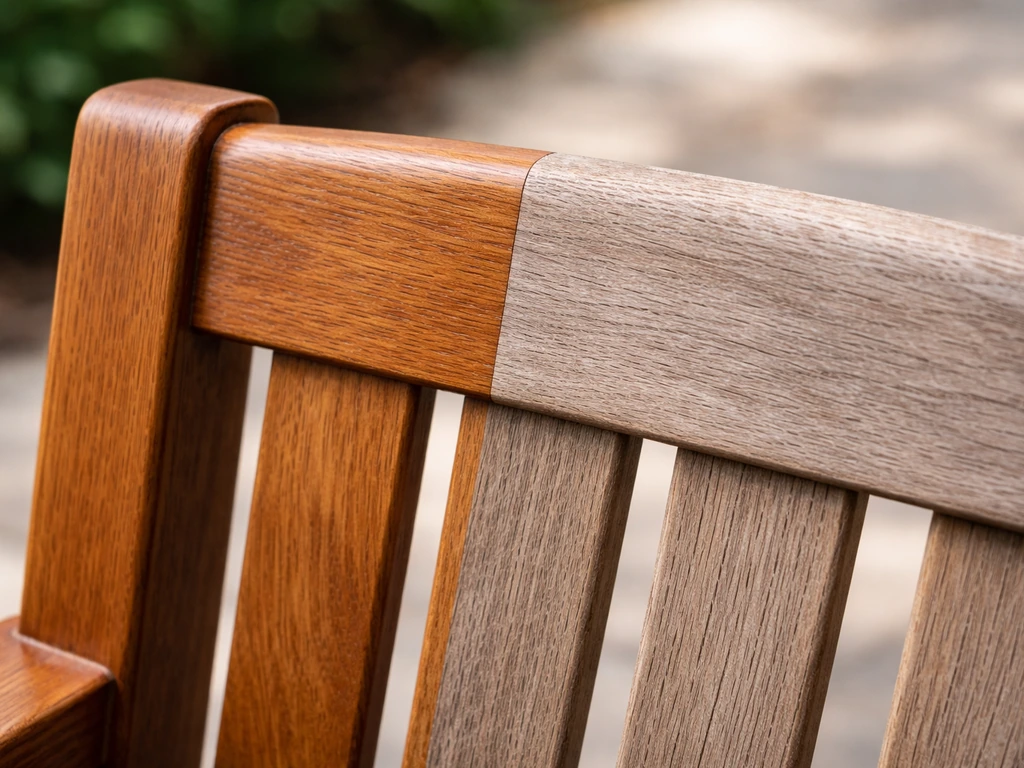
Not all patio furniture reacts to moisture and sun the same way, so your covering strategy should shift based on what you actually own.
Wood (including teak)
Wood is the most sensitive material to improper covering. Teak is naturally dense and oily enough that many manufacturers say you can leave it outdoors uncovered through mild winters without serious damage. Some brands like Terra Outdoor Living actually recommend against covering teak at all, arguing that a cover traps moisture against the wood and does more harm than good.
If you do cover wood furniture, only do it when the wood is completely clean and dry. Covering damp or dirty wood is a fast track to mold. If you have untreated teak and you're heading into a harsh winter, the best move is storing it in an unheated shelter rather than relying on a cover.
If you’re dealing with winter weather, you’ll want to think about your specific material and whether storing indoors might be safer than relying on a cover should i cover my patio furniture in winter.
Metal (steel, aluminum, iron)
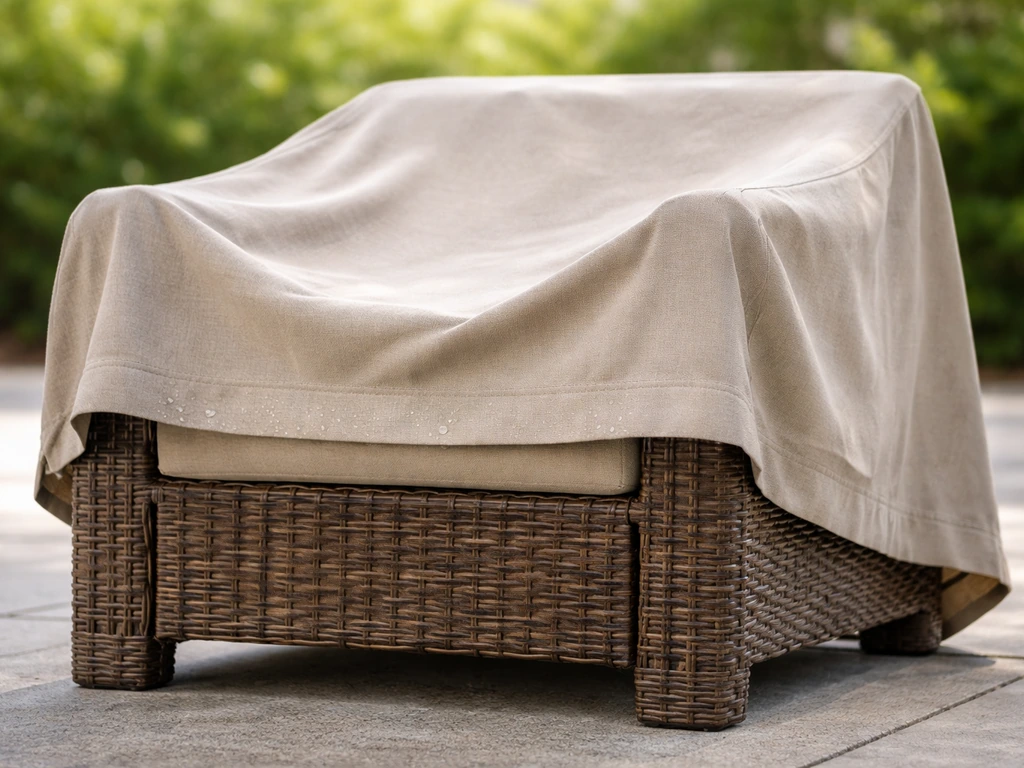
Metal frames benefit from covers because they're vulnerable to rust and corrosion, especially at welds and joints. But here's the catch: a poorly breathable cover on a metal frame in warm weather causes condensation on the inside of the cover, which drips right onto the metal and makes things worse. Aluminum is more rust-resistant than steel or wrought iron, but it still benefits from UV protection and coverage during heavy rain. For metal, a breathable cover is non-negotiable. Avoid vinyl-only covers without a lining, which seal moisture in rather than letting it escape.
Wicker and resin rattan
All-weather resin wicker is more durable than natural rattan, but both benefit from being covered during rain and extended absence. The weave pattern means moisture and debris collect easily in the gaps. Cover these pieces overnight and before storms, but let them air out on dry days. Natural rattan should never be left outside without a cover in wet conditions, and honestly it's not ideal for outdoor use without a covered patio to begin with.
Cushions and upholstery
Cushions deserve their own strategy because they're the most vulnerable part of any outdoor set. High-performance fabrics like Sunbrella or Trex resist mildew growth themselves, but mildew can still grow on dirt and residue that collects on the surface, so cleanliness matters just as much as material quality. The ideal approach is to pull cushions inside whenever rain is coming and whenever you're covering the furniture frame.
If they get wet, stand them on their sides with the zipper facing out and let them air-dry completely before putting them back or storing them.
Cushions can take one to three days in the sun to dry fully after a soaking, so plan ahead. Covering cushions that are even slightly damp is one of the fastest ways to end up with a mildew problem.
Choosing the right cover: what actually matters
Walk into any home improvement store and you'll find covers ranging from $15 to over $100. The price difference mostly comes down to material quality, fit, and features. Here's what to actually look for:
| Feature | Why it matters | What to look for |
|---|---|---|
| Breathability | Prevents condensation and moisture buildup underneath | Labeled as 'breathable' or with built-in vent panels; avoid unlined vinyl |
| Waterproofing | Keeps rain and dew off surfaces | Polyester with waterproof coating or solution-dyed acrylic; not plastic/vinyl alone |
| UV resistance | Prevents fading and fabric degradation from sun exposure | UV-treated or UV-stabilized materials |
| Fit and sizing | Loose covers flap in wind, exposing seams to rain | Measure before buying; covers should fit snugly without being stretched tight |
| Tie-downs and straps | Keeps cover secure in wind | Reinforced ties, drawcords, buckle straps, or Velcro closures around the base |
| Seam reinforcement | Prevents water from entering at stress points | Double-stitched or taped seams on quality covers |
The waterproof-versus-breathable question trips people up. You want both, and they aren't mutually exclusive. A cover that's fully waterproof but zero breathability will trap condensation underneath, especially on warm nights. Look for covers described as waterproof and breathable, or ones with vented panels built into the sides. Avoid plain vinyl or plastic covers unless they have a fabric lining and venting, because without that combination they function like a plastic bag over your furniture.
Sizing is more important than most people think. A cover that's too big will balloon and flap in the wind, which lets rain funnel right in at the edges. Measure the width, depth, and height of your furniture (including any cushions if you leave them on) before ordering. If your set has an odd shape, look for covers with 360-degree drawcords or adjustable Velcro closures that can conform to the outline.
How to cover your furniture correctly
Here's where I see people go wrong most often: they grab the cover, throw it on, and call it done. But how you cover matters almost as much as whether you cover. Follow this routine and you'll avoid the mold, mildew, and trapped-moisture problems that plague a lot of covered patio sets.
- Clean and dry first. Never cover dirty or wet furniture. Wipe down surfaces, brush off any debris, and let everything air-dry fully before putting the cover on. If cushions are damp, bring them inside to dry before covering the frames.
- Remove cushions if possible. Storing cushions separately, even just inside a porch or garage, keeps them out of the humid microclimate a cover creates. If you have to leave them on, make sure they are bone dry.
- Position the cover so it drapes evenly. It should reach close to the ground on all sides without pooling on the ground, which can wick moisture back up.
- Secure the tie-downs. Fasten all straps, buckles, or drawcords. A loose cover in a storm is worse than no cover at all because it can trap debris and push water into joints.
- Create ventilation if your cover is not breathable. One trick is to place a foam block or spacer underneath the cover at a corner to create a small air gap. This reduces the sealed-pocket effect that leads to condensation.
- Check it periodically. After a storm or a few days of coverage, lift the cover and check underneath for moisture pooling, condensation on metal, or any signs of mildew smell. Catching it early saves the furniture.
A quick note on mildew troubleshooting: if you lift your cover and find condensation dripping from the inside, or you smell that musty odor, remove the cover immediately, let everything air out in the sun, clean any affected surfaces with a mild soap solution, and switch to a more breathable cover. Mildew on cushion fabric often looks like small dark spots, and while Sunbrella and similar performance fabrics can be cleaned with a diluted bleach solution, prevention is always easier than cleanup.
Your action checklist: what to do today
If you've just landed on this article because you're staring at your uncovered patio furniture wondering what to do, here's your practical next-step plan:
- Check the weather forecast right now. If rain or a storm is coming in the next 24 hours, covering your furniture today is the priority.
- Measure your furniture. Write down the width, depth, and height of each piece so you can shop for covers that actually fit.
- Audit your cushions. Are they damp, dirty, or showing any dark spots? Clean them, let them dry completely (1 to 3 days in sun if needed), and then store them inside or in a dry, dark, well-aired space.
- Buy a breathable, waterproof cover with tie-downs if you don't already have one. Skip the cheap plastic covers. A mid-range polyester cover with vents and straps will pay for itself in extended furniture life.
- Establish a covering routine. Cover overnight and before rain; uncover on clear, dry days. That single habit prevents most of the moisture and mold damage that shortens outdoor furniture life.
- Think about winter storage now. If you're heading toward fall, start planning where cushions will go for the off-season. A dry, ventilated indoor space is always better than an outdoor cover through a cold, wet winter.
- For wood furniture owners: decide whether you'll cover or shelter it. If your wood is teak and relatively dry, a good shelter is better than a tight cover. For treated or painted wood, a breathable cover that goes on only when the wood is fully dry is a reasonable option.
Whether you decide to cover every night or only during storms, the core principle stays the same: protect from moisture and UV, but never seal moisture in. Get that balance right and your patio furniture will last years longer than it would without any protection at all.
FAQ
If my patio furniture is covered most of the time, will it still be okay?
Yes, but only if it stays vented and you remove it on dry, bright days. A cover that seals air leaks in humid weather will still create condensation, so prioritize breathable fabric or vent panels, not just a “waterproof” rating.
What’s the right way to fit a cover, tight or loose?
A tight cover is better, but not airtight. If you see the cover ballooning, sagging, or gaps around legs and arms, rain and dew can funnel in, and trapped moisture can rot cushions from the inside out. Use drawcords or adjustable straps to get snug coverage.
Can I cover patio cushions immediately after they get wet?
For cushions, covering over damp material is the fastest route to mildew. If they get wet, place them upright or on their sides with the zipper facing outward, air-dry fully (often 1 to 3 days after heavy soaking), then cover once dry.
Does a thicker cover always protect better?
Not always. If the cover traps condensation, “thicker” can make it worse. Choose breathable covers for humid climates, and use waterproof plus breathable or vented side panels so moisture can escape.
How do I know my cover is causing condensation problems?
Check the underside for condensation, dampness, or a musty smell after humid nights. Those are signs you should remove the cover sooner on dry mornings and switch to a more breathable model if you keep seeing moisture return under the cover.
Should I clean furniture before covering it for the season?
Clean first. Covering over dirt, sunscreen, or plant residue can feed mildew growth on fabrics even if they are mildew-resistant, because residue stays wet underneath. Wipe down, then let the furniture dry before covering.
What’s the best approach for covering wood furniture in cold, wet weather?
To avoid “covering damp wood,” only cover wood when it is fully clean and dry. If your wood furniture is untreated or heading into harsh winter conditions, storing it in an unheated shelter is often safer than relying on a cover during freezes and wet spells.
Will covering metal patio furniture prevent rust or can it make rust worse?
If your metal furniture sits under a non-breathable cover during warm weather, condensation can drip from the inside and accelerate rust at joints and welds. Use breathable covers, and avoid vinyl-only covers without lining and venting.
What should I do if I lift the cover and notice mildew or a musty smell?
Yes. Vinegar-like odors are usually not enough to decide, but a musty smell, dark spots on fabric, or visible dampness inside the cover are strong triggers. Remove the cover right away, air everything out in sun, then reassess the cover breathability.
How often should I check or remove the cover during summer?
Sometimes. If you use a cover only during rain or short absences, you typically need to dry and air out less often. If you leave it on longer, add a weekly quick check (underside moisture, edge gaps, cushion dryness) and remove on any dry, breezy day.