Yes, you can leave most patio furniture outside in the rain, but the honest answer is: it depends almost entirely on what your furniture is made of. Metal frames and synthetic wicker can handle rain reasonably well. Wood, natural rattan, and cushions are a different story. A single afternoon shower is usually not a disaster, but repeated soaking without drying time leads to rust, mold, warping, and coating breakdown that gets expensive fast. Here's what you actually need to know by material, what to do right now if it already got wet, and how to set up a simple routine that keeps everything in good shape long-term.
Can You Leave Patio Furniture Outside in the Rain? What to Do
Maren Grady
29 May 2026
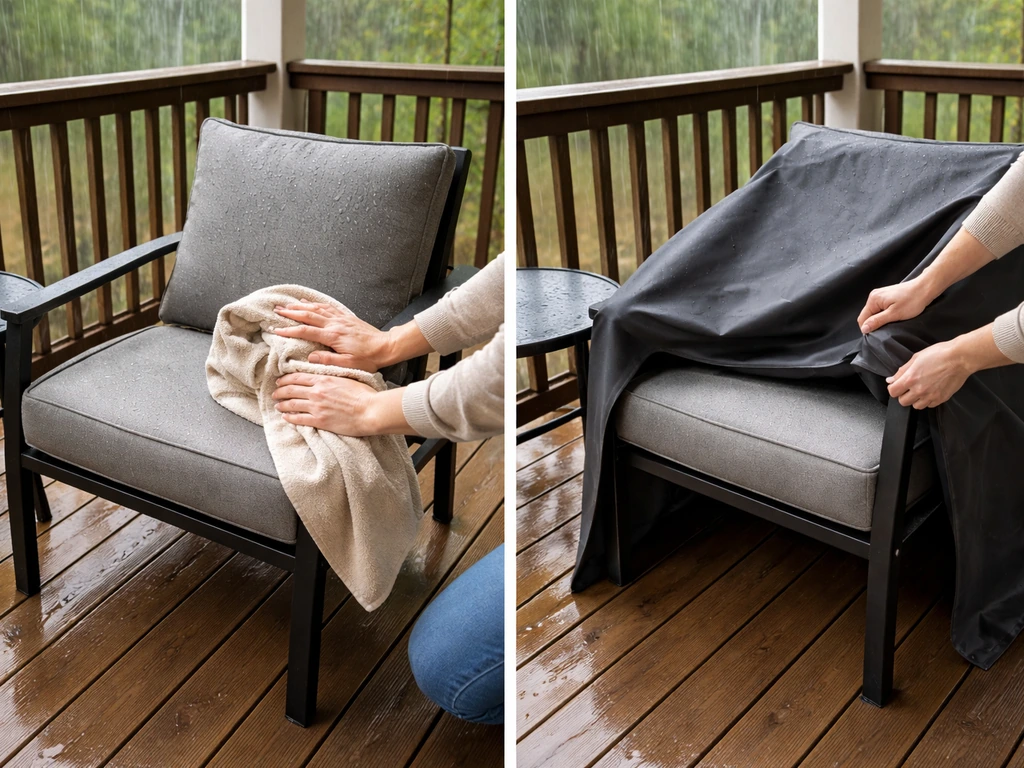
Can your furniture handle rain? Here's the answer by material
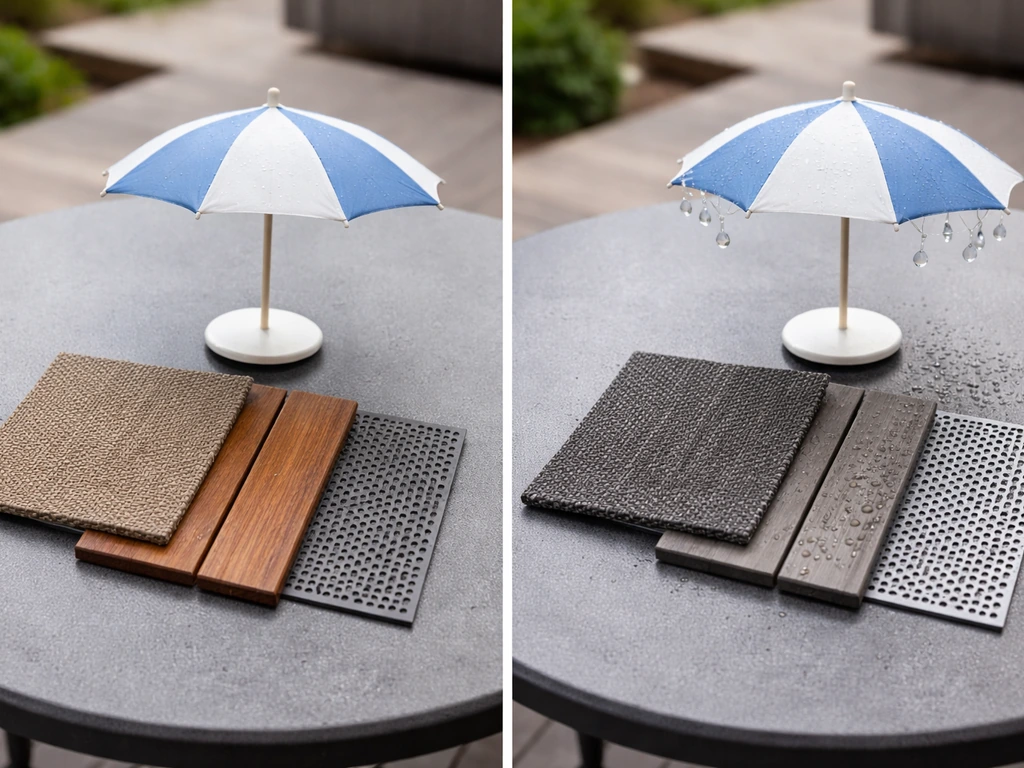
Not all patio furniture is built the same, and manufacturers are pretty clear about what can stay out and what can't. Before you stress about last night's rainstorm, check which category your pieces fall into.
| Material | Rain Tolerance | Biggest Risk | Safe to Leave Out? |
|---|---|---|---|
| Synthetic wicker (HDPE) | High | Cushions trap moisture | Yes, frames only — bring cushions in |
| Teak wood | High | Surface finish fades; mildew in joints | Yes, with periodic maintenance |
| Aluminum (powder-coated) | High | Oxidation if coating is chipped | Yes, check coating regularly |
| Wrought iron / steel | Low–Medium | Rust when finish breaks down | Short term only — needs cover or storage |
| Plastic / resin | High | UV fading over time | Yes |
| Natural wicker / rattan | Very Low | Warping, rot, fiber breakdown | No — bring indoors |
| Cushions (any fabric) | Low | Mold, mildew, foam waterlogging | No — store or cover after rain |
Synthetic wicker and HDPE resin wicker
Furniture made from HDPE (high-density polyethylene) synthetic wicker is genuinely weatherproof and can stay outside year-round, which is one reason it's become so popular. The frames themselves are not going to rot or rust. The catch is cushions, those are always excluded from the "leave it out" rule. Rain soaking into cushion foam creates the exact warm, moist, dark environment that mold loves.
Natural wicker and rattan
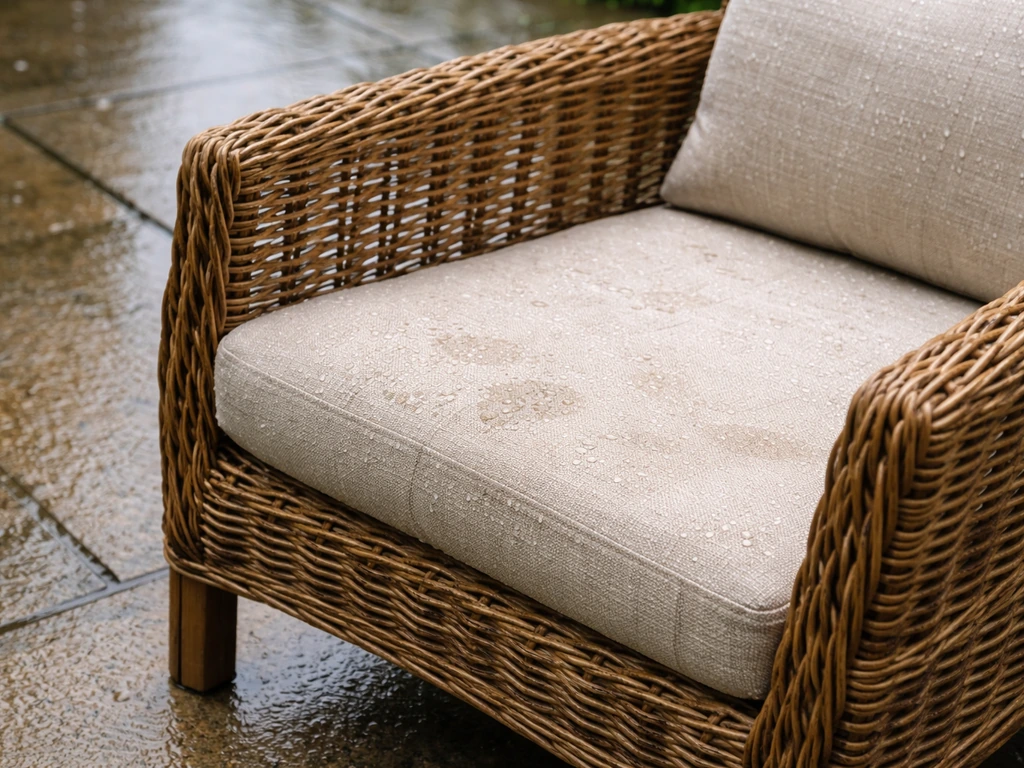
This is where people get burned most often, especially if they inherited or thrifted older furniture without knowing what it's made of. Natural wicker, paper-fiber rush wicker, and antique rattan should never be soaked or left in rain. Water breaks down the fibers, causes warping, and can rot the frame from the inside out in a single wet season. If you're not sure whether your wicker is natural or synthetic, check the underside of a piece: HDPE wicker has a uniform texture and feels almost plastic-smooth, while natural rattan feels rougher and shows fiber variation.
Teak and hardwood
Teak is the gold standard for rain-tolerant wood furniture because its natural oil content keeps it from warping, splitting, or cracking even in humid or wet conditions. You can expect it to expand and contract slightly after heavy rain, and you might notice a small amount of liquid weeping from the wood during humid periods, that's normal teak behavior, not damage. What does change is the surface finish: rain combined with sun will gradually fade a polished teak finish as the surface oils evaporate. One important note, skip teak oil as a fix. Contrary to popular advice, teak oil can actually increase mildew growth and cause uneven coloring. Other hardwoods are less forgiving than teak, and painted or stained softwood furniture should be covered or stored during extended wet weather.
Aluminum
Powder-coated aluminum does not rust, which makes it one of the most low-maintenance choices for rainy climates. The vulnerability is the coating itself: if it gets chipped, scratched, or scuffed, the exposed aluminum will start to oxidize. Coastal areas have an extra challenge because salt air accelerates that process, so if you're near the ocean, rinse your aluminum furniture frequently. Also be aware that when "dirty rain" dries on aluminum in direct sunlight, it can leave staining or spotting on the powder coat. Wipe it down after heavy rain and you'll avoid that problem entirely.
Wrought iron and steel
Iron looks tough, and it is, but it's the most vulnerable common patio material when it comes to rain. Wrought iron and steel will rust once their protective finish breaks down, and that process accelerates with repeated wetting and drying cycles. If you've got iron furniture, look for pieces with weather-resistant finishes and plan to inspect and touch up any chips or scratches before the wet season. It's not a high-maintenance material if you stay on top of it, but ignoring it for a season will cost you.
Plastic and resin
Plain plastic and molded resin furniture handles rain about as well as anything you can buy. Water just runs off. The only real long-term threat is UV fading from sun, not rain itself. Leave it out as much as you want.
How rain actually damages patio furniture (and what to watch for)
Rain doesn't usually destroy furniture in one storm. It's the cumulative effect of water sitting in places it can't drain or dry out, combined with heat, humidity, and repeat exposure. Understanding exactly how the damage happens helps you catch it early.
- Rust on iron and steel: Starts at chips, scratches, or joints where water collects and doesn't drain. Looks like orange-brown spots or bubbling paint. Spreads fast once it starts.
- Mold and mildew on cushions and fabric: Foam soaks up rain like a sponge, and once moisture is trapped inside the cover, mildew can develop within 24 to 48 hours in warm weather. Smells musty and shows as dark or greenish spots.
- Warping and swelling in wood: Happens when wood absorbs water unevenly, especially at joints and ends. You'll notice drawers or slats that suddenly stick, or frames that wobble.
- Coating breakdown on metal: Powder coat and paint start to bubble, peel, or chalk after repeated wet-dry cycles, especially if the surface wasn't clean when moisture got under the finish.
- Finish fading on teak and hardwoods: Rain washes away surface treatments over time, leaving a silvery-gray patina on teak (harmless) or exposed, unprotected wood on other species (not harmless).
- Fiber breakdown in natural wicker: Water weakens the fibers structurally. You'll see cracking, unraveling, or the weave pulling apart at stress points.
- Staining and spotting on aluminum: Mineral deposits from dirty rainwater dry as white or brownish spots, especially when the sun bakes them on immediately after rain.
Your furniture got rained on, here's what to do right now
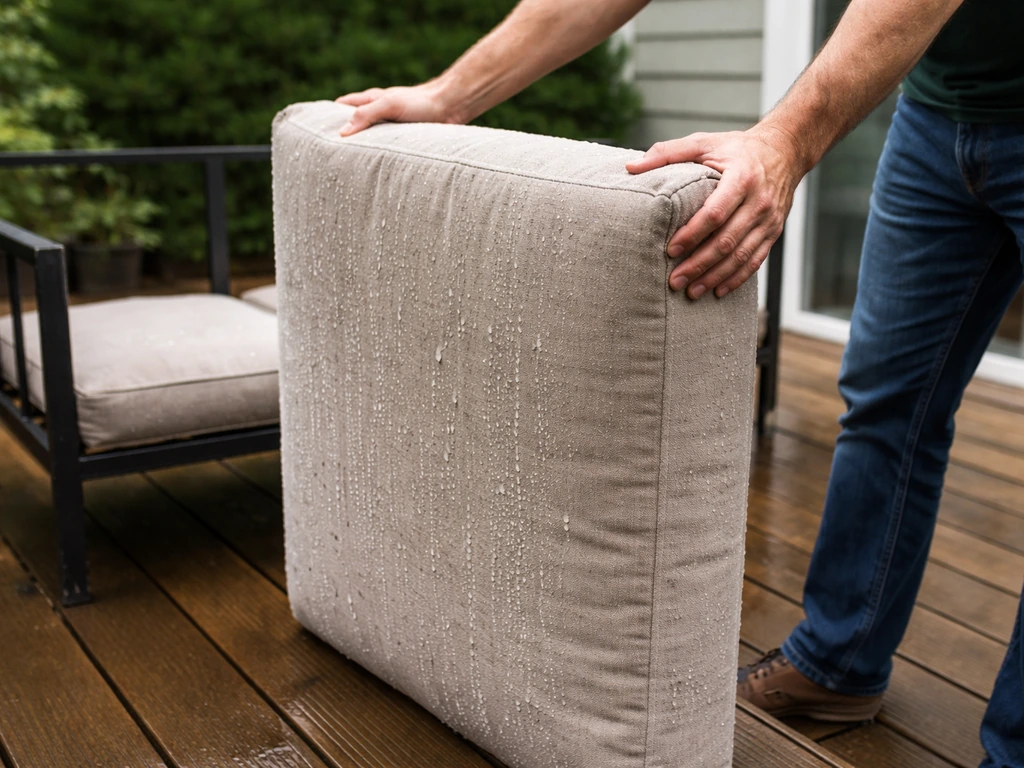
If your furniture just got soaked and you're reading this trying to figure out what to do, here's the quick action plan. Speed matters mostly for cushions and iron, the frame materials that handle rain fine can wait, but anything that traps moisture needs attention soon.
- Get cushions off the furniture first. Stand them on edge or tilt them against a wall in a sunny, well-ventilated spot. Laying them flat keeps water trapped in the foam. Give them at least 30 to 60 minutes to start draining and air-drying before you think about putting them back.
- Check metal frames for water pooling. Aluminum furniture often has drainage holes built in — make sure they're not clogged with debris. Wipe down iron or steel pieces with a soft dry cloth rather than letting them air-dry slowly, which prolongs rust risk.
- Tip or tilt any hollow frames. If your furniture has tubular legs or structural channels, tipping it to drain water out prevents frost damage later in the season (and stops algae from building up inside).
- Inspect natural wicker and rattan immediately. If it got wet, dry it as quickly as possible — move it into the sun or a dry garage and wipe off surface moisture with a clean dry cloth. Don't leave it sitting on wet concrete.
- Wipe down teak or hardwood frames. A quick wipe with a dry cloth prevents water from sitting in joints and speeds drying. Don't panic about the wood itself, but get the water moving.
- Don't bag or cover wet cushions. Putting a plastic cover or bag over wet foam and fabric is the single fastest way to grow mold. Only cover once everything is completely dry.
Drying, cleaning, and checking for mildew, rust, and warping
Once the immediate crisis is handled, take a few minutes to assess the damage and clean things properly. This is also the best time to catch problems early, before a little surface rust or a faint musty smell turns into a full replacement.
Drying cushions the right way
Air drying is the only safe method for outdoor cushions. No tumble dryer, the heat can shrink covers and deform foam. Stand cushions on their edge in a sunny, well-ventilated spot and let them dry completely before putting them back or storing them. "Mostly dry" is not good enough. If you store a cushion that's even slightly damp inside a plastic bag or sealed storage box, you're basically creating a terrarium for mold. Foam can feel dry on the outside while still holding moisture in the center, so when in doubt, give it another hour or two.
Cleaning up after rain
For most frame materials, a rinse with clean water followed by a complete air dry is the baseline. For aluminum, rinse off any dirty residue left by rain and wipe dry to avoid mineral spotting. For iron, dry immediately and check for any new rust spots. For wicker (synthetic only), wipe off loose dirt with a clean damp cloth, don't soak it even though it can technically handle rain, since controlled cleaning is still better for longevity.
Spotting and treating mildew on cushions
Mildew on outdoor fabric shows up as dark spots, often gray, green, or black, and smells musty. For Sunbrella and similar performance fabrics, the good news is the fabric itself doesn't promote mildew growth, the problem is usually dirt or debris that wasn't cleaned off before moisture got trapped. To treat it, mix a solution of bleach and water (roughly 1 cup of bleach per gallon of water for severe cases), apply it to the affected area, let it sit for a few minutes, scrub gently, and rinse thoroughly. Make sure all soap and bleach residue is fully rinsed out, then air dry completely. Don't dry clean performance fabrics.
Checking metal for rust and coatings for damage
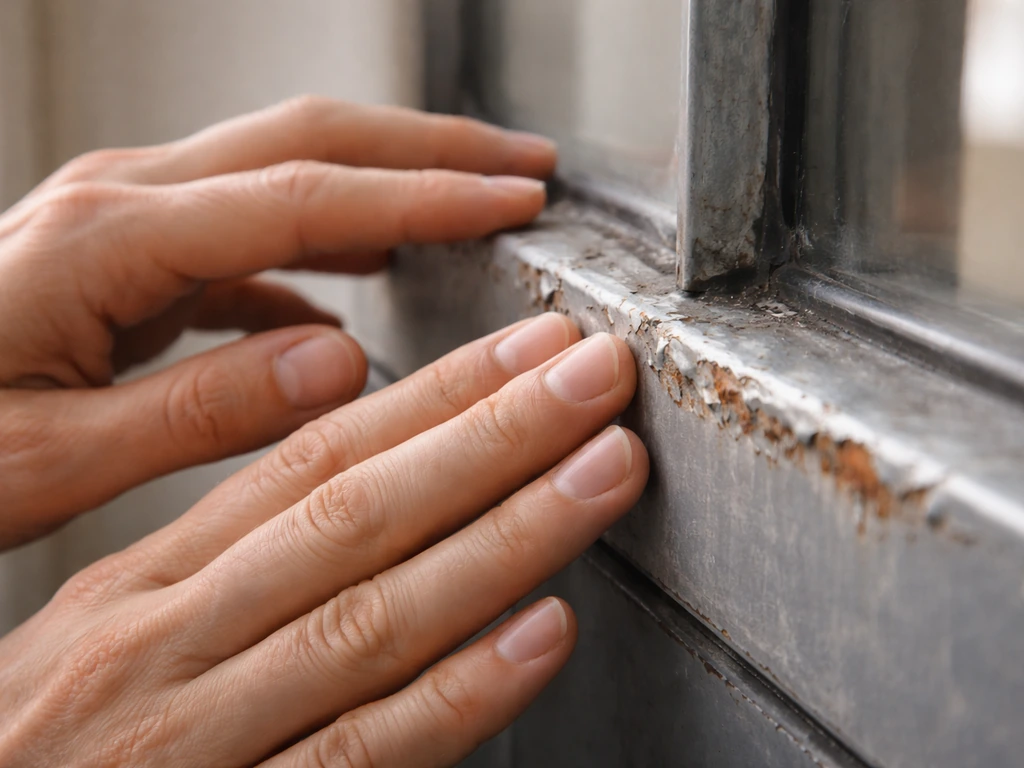
After drying, run your hand along iron and steel frames and look for any bubbling, rough texture, or orange discoloration, those are early rust signs. Catch it now and you can address it with a rust-inhibitive primer and touch-up paint before it spreads. On powder-coated aluminum, look for any chips or scratches where the bare metal is showing. Those spots are where oxidation will start, so touch them up with matching powder coat paint (available cheaply at most hardware stores) before the next rain. This small repair takes about 10 minutes and can add years to the furniture's life.
Checking wood for early warping or rot
Run your hand along joints and end-grain areas on wooden furniture, these absorb water fastest and show damage first. Soft spots, discoloration, or a spongy feel indicates early rot. Warping usually shows up as gaps between slats that weren't there before, or a tabletop that rocks unevenly. Catching warping early sometimes means you can clamp and re-glue joints before the problem worsens. Rot is harder to reverse, but small areas can be treated with wood hardener and epoxy filler if you catch them before they spread.
The best ways to protect patio furniture from future rain
Prevention is almost always easier and cheaper than repair. There are four practical tools in your arsenal: covers, storage, elevation, and waterproofing treatments.
Using covers correctly
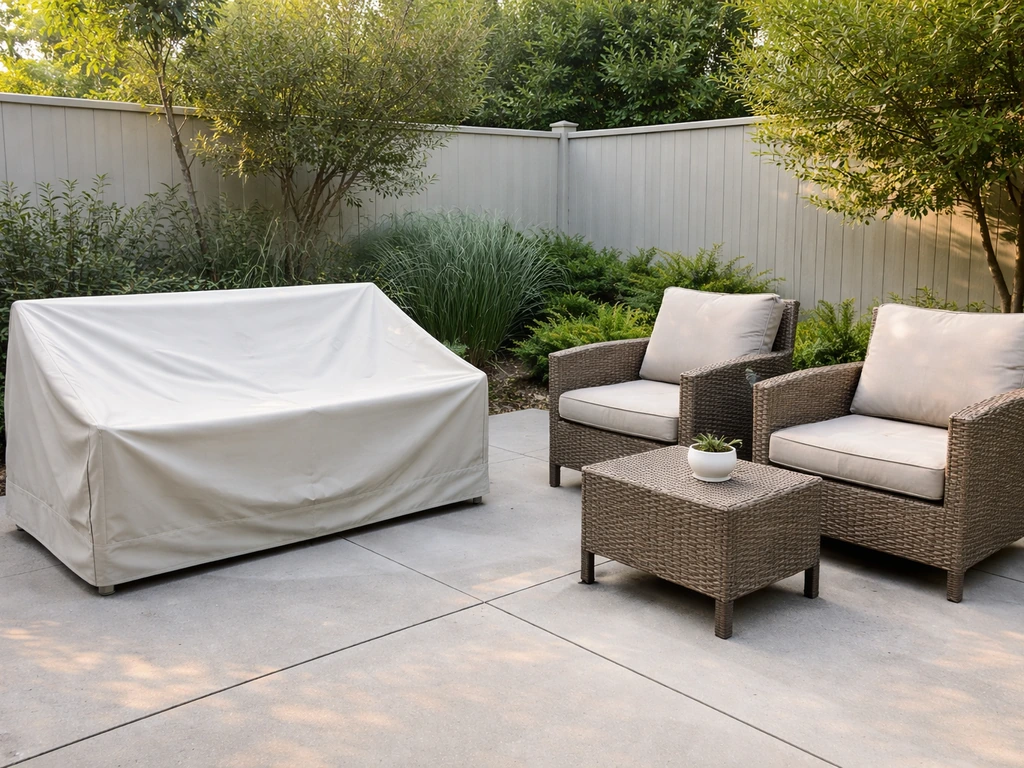
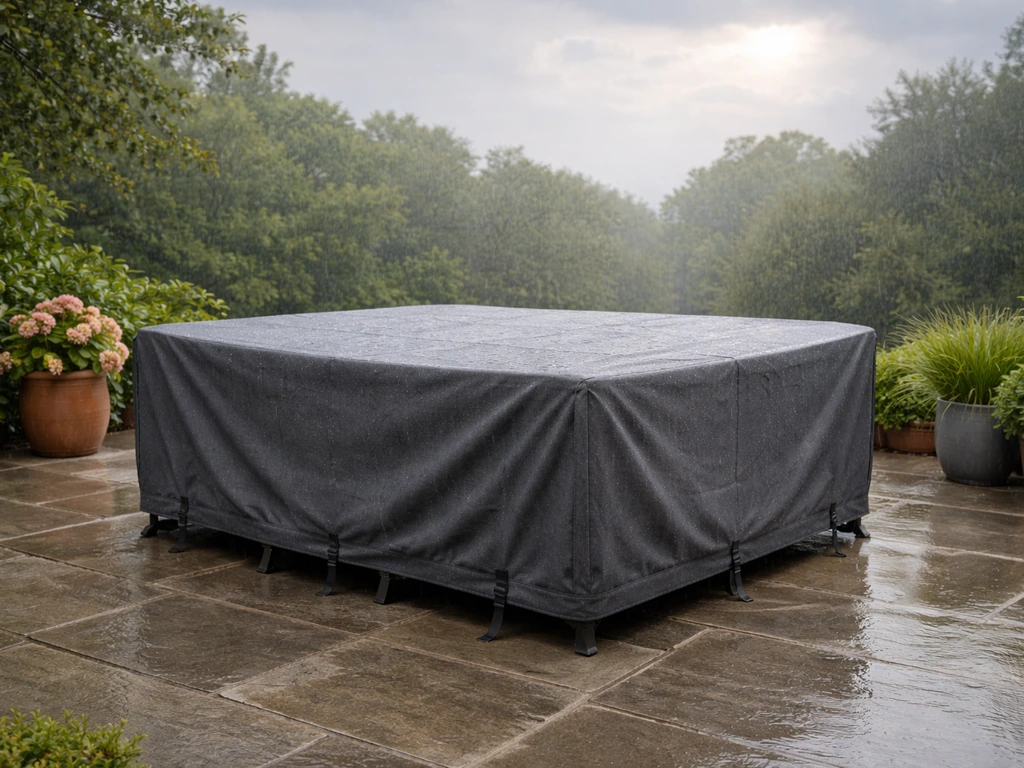
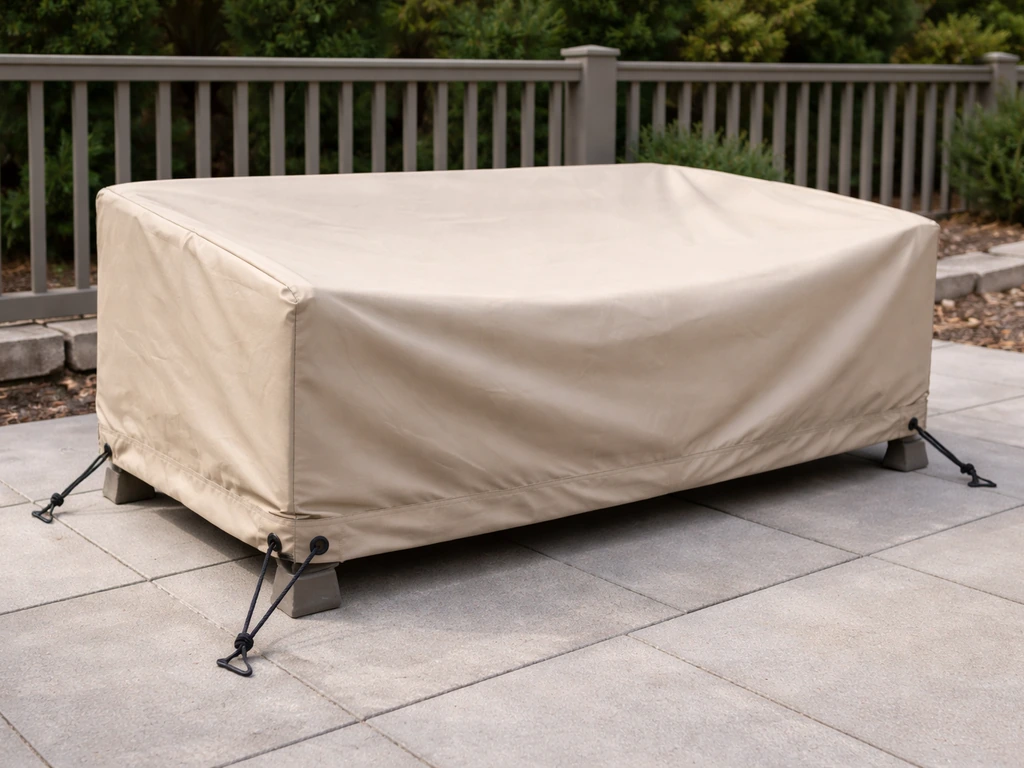
Covers are the most common protection strategy, but a lot of people use them wrong. The biggest mistake is covering wet furniture or damp cushions, the cover traps the moisture in and you end up with worse mold than if you'd left everything uncovered. Peak Home Furnishings warns that blank" rel="noopener noreferrer">covers can block airflow and keep moisture in foam, so you should fully air-dry cushions after rain before storage. The second mistake is using non-breathable plastic covers long-term. Breathable furniture covers allow air circulation and let any residual moisture escape, which is why they're a much better choice than cheap plastic tarps for regular use. If you want the cleanest results, follow the right covering method for your furniture type and climate. If you're covering for a short-term storm, any cover will do. For daily or weekly coverage, invest in a breathable cover sized to fit your pieces properly. Loose covers that flap in the wind can scratch frames, so look for ones with tie-downs or straps. Whether you should cover your furniture every night or only during storms is its own decision that depends on your climate and setup.
Elevating furniture off wet ground
Legs sitting directly on wet concrete or soil stay wet much longer than legs elevated slightly above the surface. Furniture feet, leg caps, or even simple rubber pads create an air gap that lets water drain away and frames dry faster. This is especially important for wood and iron, where prolonged contact with standing water is a major damage accelerator. Check that your furniture feet are intact and not cracked, and replace them cheaply at any hardware store if they're missing.
Smart storage during heavy rain
For lighter or more vulnerable pieces, the most effective protection is just moving them under cover during extended rainy periods. A covered patio, garage, or shed solves almost every rain damage problem instantly. If you are not using a covered storage option, you still need to cover furniture the right way to avoid trapping moisture A covered patio, garage, or shed. If full storage isn't possible, at minimum bring in cushions and any natural wicker pieces. Synthetic frames and teak can handle the weather, but everything else benefits from getting out of sustained rain.
Waterproofing treatments
For wood furniture other than teak, a good quality exterior sealant or waterproofing treatment gives you a real barrier against rain damage. Apply it to clean, dry wood and reapply every season or according to the product's recommendation. For fabrics and cushion covers, there are spray-on fabric waterproofing products (like those made for outdoor gear) that can restore water repellency to cushion covers that have started absorbing water instead of shedding it. These cost under $15 and make a noticeable difference. For teak specifically, skip oil-based treatments and stick with a quality teak protector or sealer that's designed not to promote mildew.
Building a seasonal routine that keeps your furniture in great shape
The difference between furniture that lasts 10 years and furniture that's trashed in 3 is almost always a basic maintenance routine. None of this needs to be complicated or expensive, it's mostly about doing a few small things at the right times.
Spring startup (before the outdoor season begins)
- Inspect all frames for rust spots, chipped paint, cracked powder coat, soft spots in wood, or damaged weave in wicker. Fix small issues now before they become big ones in the middle of summer.
- Touch up any chips or scratches on metal with matching primer and paint or powder coat touch-up.
- Apply a wood sealant or protector to wooden furniture (except teak, which may just need a clean and a specific teak protector if you want to maintain its color).
- Wash cushion covers and inspect foam inserts for any mildew from storage. Air-dry everything completely before reassembling.
- Spray cushion covers with a fabric waterproofing treatment if they've lost their water-repellent finish.
- Check that furniture feet and leg caps are intact and replace any that are missing or cracked.
- Clear drainage holes in aluminum frames of any debris.
During the active season
- Tilt or tilt-stand cushions after each rain to drain and air-dry before putting them flat or back in use.
- Wipe down metal frames after heavy rain, especially iron and steel, to prevent water sitting on the surface.
- Rinse aluminum furniture periodically (especially if you're near the coast) to remove salt and dirty rain deposits before they dry and stain.
- Wash teak furniture twice a year with mild soap and water to keep it clean and prevent mold from building up in the grain.
- For synthetic wicker, wipe off surface dirt with a damp cloth — don't use pressure washers, which can force water into the weave and frame.
- Before a multi-day rainstorm, bring cushions inside or into a storage bench. Even 10 minutes of effort prevents days of drying and potential mildew removal.
End-of-season shutdown (before winter or extended wet weather)
- Clean all cushions before storage — mold spores love dirty fabric. Wash covers, spot-clean foam, and air-dry everything completely for at least a full day before storing.
- Store cushions in a breathable storage bag or a vented storage box, not sealed plastic bags. Even slight residual moisture in a sealed bag creates perfect mold conditions.
- Move synthetic wicker and aluminum furniture under cover during winter if possible, and store upright (not upside down) so any trapped water can drain rather than pool inside hollow sections.
- Apply a fresh coat of sealant or waterproofing to wood furniture before it sits through the off-season.
- Touch up any rust or coating damage on metal frames before storage — rust spreads faster when furniture sits unused.
- For natural wicker, rattan, or any truly rain-sensitive pieces, bring them fully indoors. A garage, basement, or storage shed keeps them in usable condition year after year.
Cushion care is where most people lose the battle
If there's one thing to take from this entire article, it's that cushions are the highest-maintenance part of any patio furniture setup. Even "outdoor" cushions made from performance fabrics like Sunbrella are not truly waterproof, they're water-resistant, and the fabric won't promote mildew on its own, but the foam inside will still hold moisture and mildew will grow on any trapped dirt or debris. Tilt them after rain, dry them fully before storage, and store them in breathable containers rather than plastic bags. That one habit alone will save you from replacing cushions every two or three years.
Whether you decide to cover your furniture nightly, only during storms, or mainly for winter storage, the underlying principle is the same: the frame materials can usually handle rain, but moisture that gets trapped and can't escape is what actually causes damage. If you plan to cover your patio furniture in winter, make sure the cover is breathable and the pieces are fully dry first to prevent trapped moisture. Keep things draining, drying, and clean, and most patio furniture will last much longer than you'd expect.
FAQ
If my patio furniture got caught in a storm overnight, should I throw it out or can it be saved?
If a piece was left out through heavy rain once, focus on cushions and any material that traps water. For cushions, stand them on edge and ensure the center foam is fully dry before bringing them in. For frames like iron or wood, dry promptly and do a quick inspection after 24 hours, because rust and warping can show up later as water creeps into seams and joints.
Can I store rain-damp cushions in a garage or plastic bin so they dry later?
For cushions and any fabrics, avoid sealed storage. Even if the fabric surface feels dry, foam can retain moisture inside, which leads to mildew after a day or two. Use breathable storage (vented bin or dry area) and give cushions extra drying time when humidity is high or airflow is poor.
Is it okay to cover furniture during rain if I don’t have time to dry it?
Not necessarily. Breathable covers help, but they still need dry starting conditions. Covering when cushions are damp or when frames are wet will trap moisture and slow evaporation, which is when mold, rust, and odor problems start. If you must cover immediately, uncover as soon as rain stops so everything can air out.
What’s the best kind of cover to use for rainy weeks, breathable or plastic?
Yes for short-term storms, but choose the right cover type and fit. Covers that are too tight can trap moisture and can scratch finishes as they flap, loose covers can rub powder coat and expose metal, and long-term use of non-breathable tarps is more likely to cause trapped condensation. If you are covering weekly or seasonally, prioritize breathable, properly sized covers with tie-downs.
Do I need to rinse powder-coated aluminum after every rain, even if it looks clean?
Powder-coated aluminum is usually fine in rain, but maintenance still matters. After dirty rain, wipe and rinse off residue, then dry, especially if you live near the ocean. Also check for chips and scratches at the start of the wet season so you can touch them up before oxidation accelerates.
How do I tell whether rust on iron is minor or whether I should do something immediately?
If the rust looks like tiny orange freckles or bubbling, address it early. Clean off loose corrosion, let it dry fully, then use a rust-inhibitive primer and matching touch-up paint on the bare spot. Waiting until the finish flakes widely makes the repair harder and often requires sanding beyond the visible area.
My wood patio table is not teak. How often should I reseal it in rainy climates?
For wood, the main risk is not just rain exposure but repeated wetting without enough drying. Check for early signs at water-prone areas, like end grain, joints, and around hardware, then dry and ventilate. Teak is more forgiving, but you still want to protect other wood types with an appropriate exterior sealer and reapply on schedule.
What should I do if I accidentally left natural wicker out in the rain?
For natural wicker, paper-fiber wicker, and antique rattan, avoid soaking and extended rain exposure. Rain can weaken the fibers and create permanent distortion, even if the piece seems okay after drying. If your wicker got wet, dry it thoroughly with airflow and avoid aggressive cleaning that drives water deeper.
Can I speed up cushion drying with a fan or heat lamp instead of air drying?
Yes, heat can make mildew worse if you trap moisture first. Never use a tumble dryer on outdoor cushion covers, and if cushions smell musty, you should clean and rinse thoroughly before full drying. If you have limited sun or airflow, dry longer indoors with fans, then confirm the foam is dry in the center.
What are common setup mistakes that cause damage even when furniture is “rain tolerant”?
Stacking and enclosing materials can prevent drainage and airflow. Don’t put cushions or natural-wicker pieces under other items where water can pool. Keep feet off damp ground, use elevation pads or leg caps, and ensure joints and slats can dry on both sides after rain.