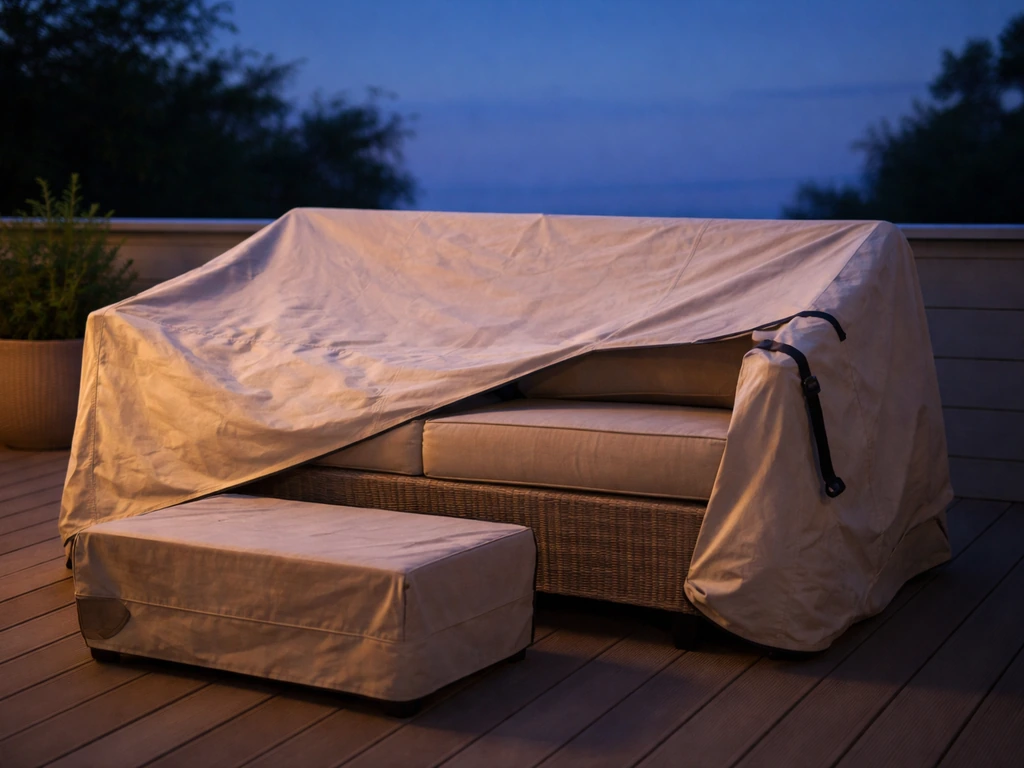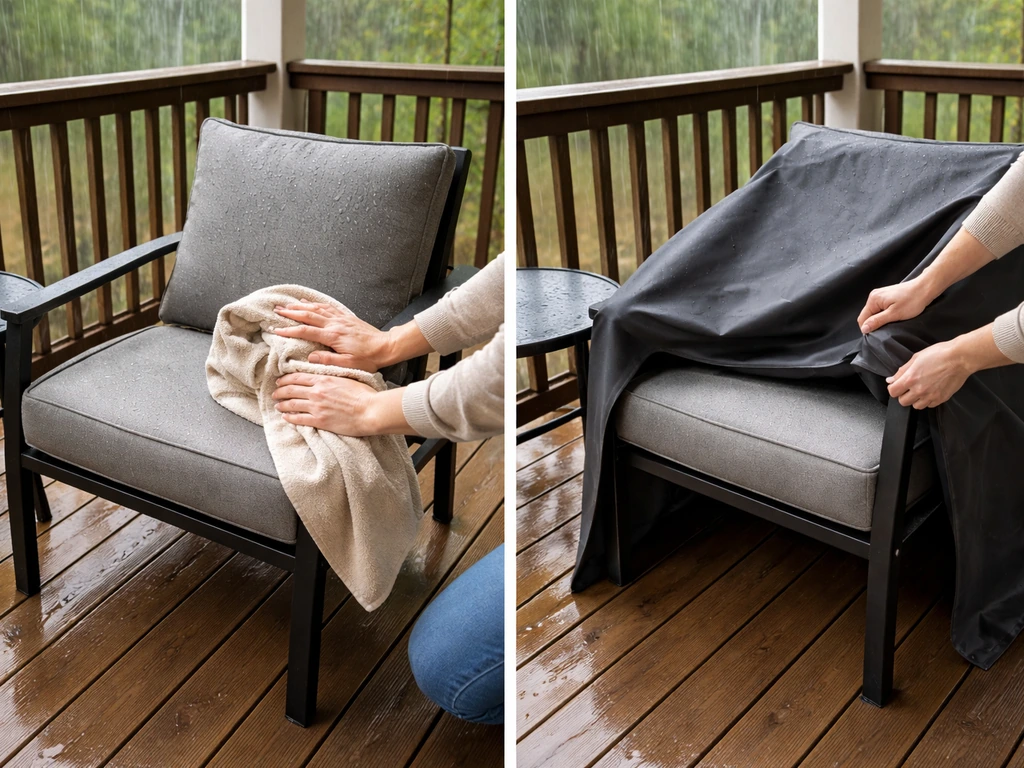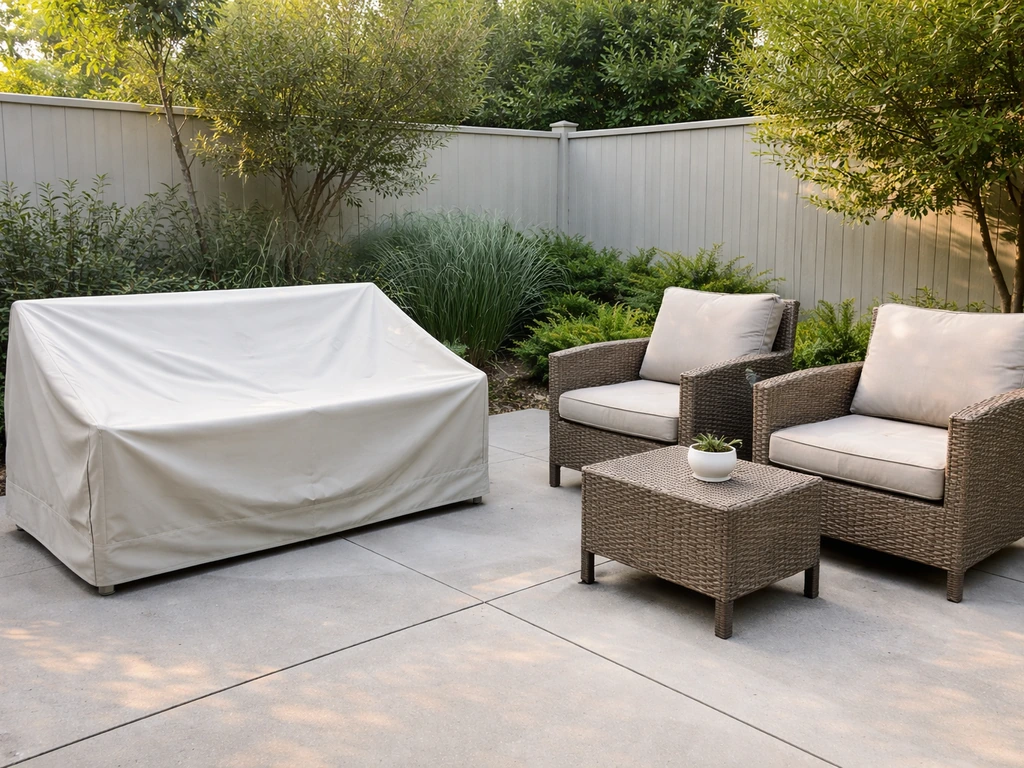
Yes, you should cover most patio furniture for winter, but with one big condition: the furniture has to be clean and completely dry first, and the cover itself needs to breathe. A cover slapped over damp metal or wet cushions will do more damage than no cover at all. If you're in a mild climate with a covered patio and your furniture is made from something tough like POLYWOOD or teak, you might not need a cover at all. If you’re thinking, “can you leave patio furniture outside in the rain,” the short answer is that you can, but only if it stays dry and the cover breathes. But for most homeowners dealing with snow, hard freezes, or driving rain, covering your patio furniture is the single easiest way to add years to its life.
Should I Cover My Patio Furniture in Winter? What to Do
Maren Grady
7 Jun 2026
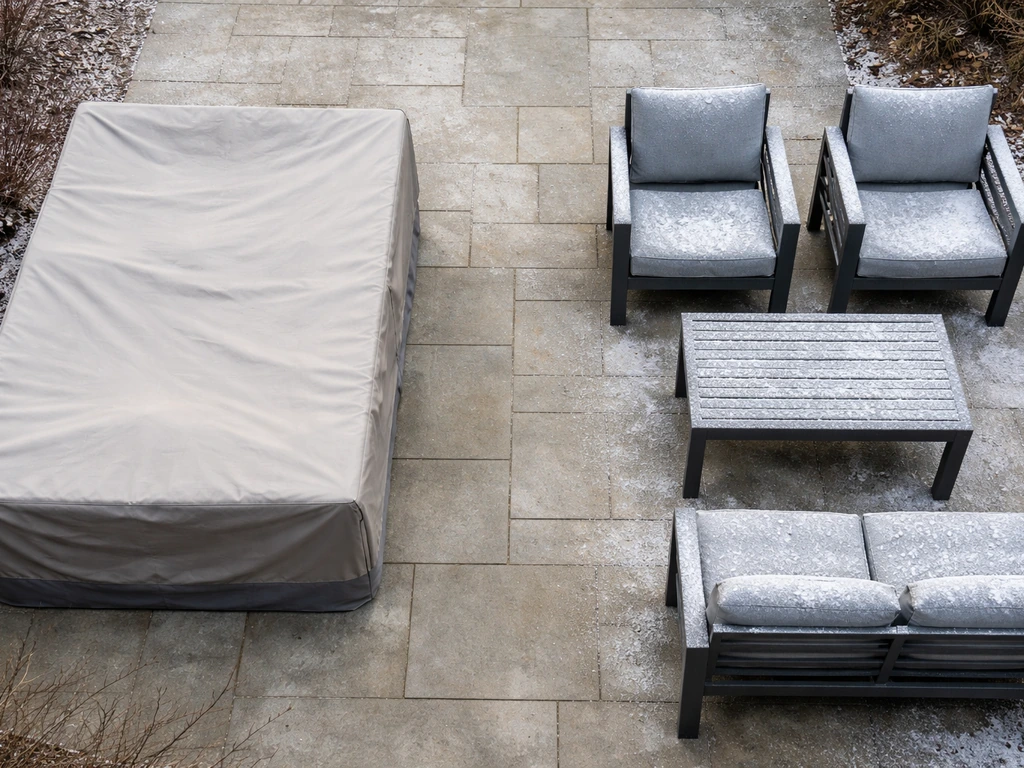
Cover or skip this winter? Here's the quick answer
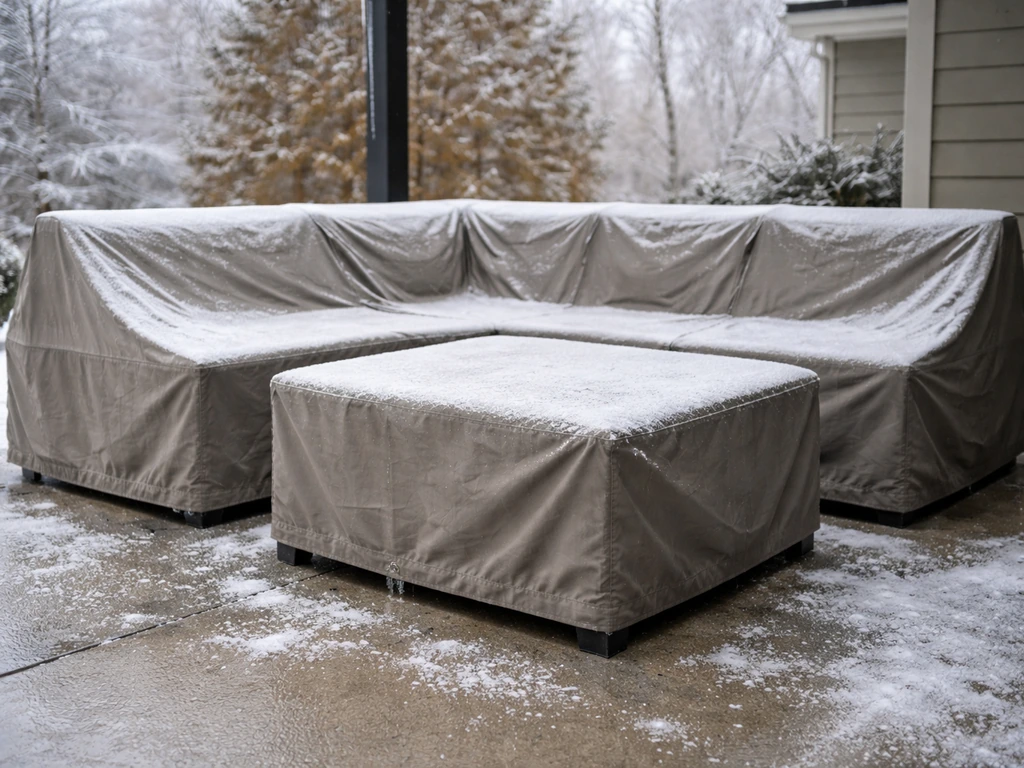
Cover your furniture if it's exposed to snow, ice, or repeated freeze-thaw cycles. Cover it if your cushions can't come inside. Cover it if you have metal frames (especially steel or iron) that are prone to rust after just a season or two of winter exposure. Skip the cover if your furniture lives under a fully enclosed patio roof, if it's made from genuinely weather-proof material like POLYWOOD, or if you'd rather bring pieces inside a garage or shed, which is always a better option than a cover when you have the space. If you're on the fence, covering is almost always the safer bet, as long as you do it correctly.
How your climate and patio setup changes the math
Where you live matters more than almost anything else here. If you're in a wet, freezing climate, winter moisture is your enemy. Snow packs into joints, freeze-thaw cycles crack finishes, and standing water rusts metal frames from the inside out. Covering is close to mandatory. If you're in a mild, wet climate like the Pacific Northwest, you still get months of rain and dampness, but hard freezes are less common. A breathable cover keeps debris and water off without trapping condensation. If you're in a dry, cold climate (think high desert), your furniture actually survives winter reasonably well uncovered, since there's little moisture to do damage. In hot, sunny climates with mild winters, covering can sometimes cause more problems than it solves because the sun heats up the inside of a cover and traps humid air, which can warp wood and promote mildew.
Your patio setup is the other big variable. Furniture that's fully exposed in an open yard needs more protection than pieces tucked under a pergola or roof overhang. If your furniture is already partially sheltered, a lighter breathable cover (or no cover at all) may be all you need. Fully enclosed patios with solid roofs are the closest thing to indoor storage you can get outside, and furniture there often survives winter just fine with no cover.
What your furniture material actually needs in winter
Different materials have completely different tolerances for cold and moisture. Using the wrong cover strategy for your specific furniture type is one of the most common mistakes I see. Here's how to think about each one.
Steel and iron
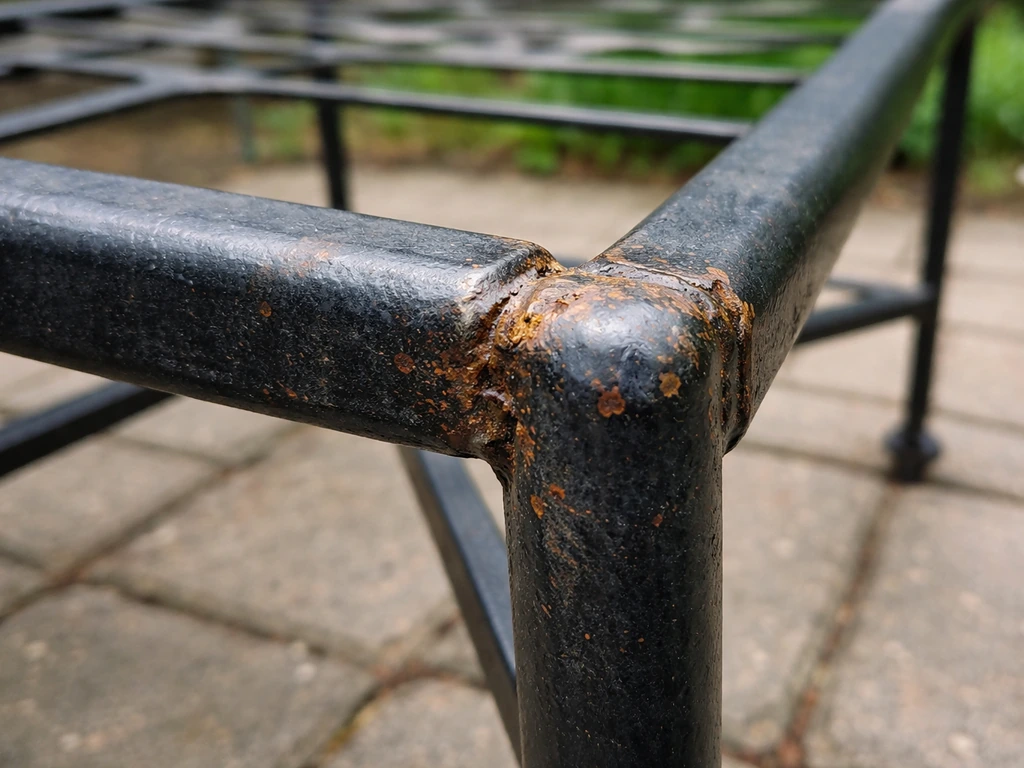
Metal furniture, especially steel and wrought iron, is the most urgent case for covering. Even powder-coated frames can develop rust and corrosion after just one or two winters of heavy moisture exposure. A good waterproof cover with ventilation grommets is worth every dollar here. The goal is to keep rain and snow off the frame while still letting air move so condensation doesn't pool underneath.
Aluminum
Aluminum is much more forgiving than steel. It won't rust, though it can oxidize and develop a chalky surface finish over time with unprotected exposure. A cover is still a good idea in snowy climates just to keep the furniture clean and protect any paint or powder coating, but aluminum won't deteriorate as quickly if you skip the cover for a season.
Teak and hardwood
Teak is famously tough and can handle winter without a cover in most climates. In heavy snow regions, a light cover helps keep the wood from sitting in moisture for months at a time. The catch with wood is that you absolutely cannot use a non-breathable, fully airtight cover. A cover that traps moisture against wood creates a dark, damp environment that breeds mold and mildew faster than leaving the furniture uncovered. If you cover teak or any hardwood, use a breathable cover only, or store pieces in an unheated but dry area like a shed or garage.
Wicker and all-weather woven
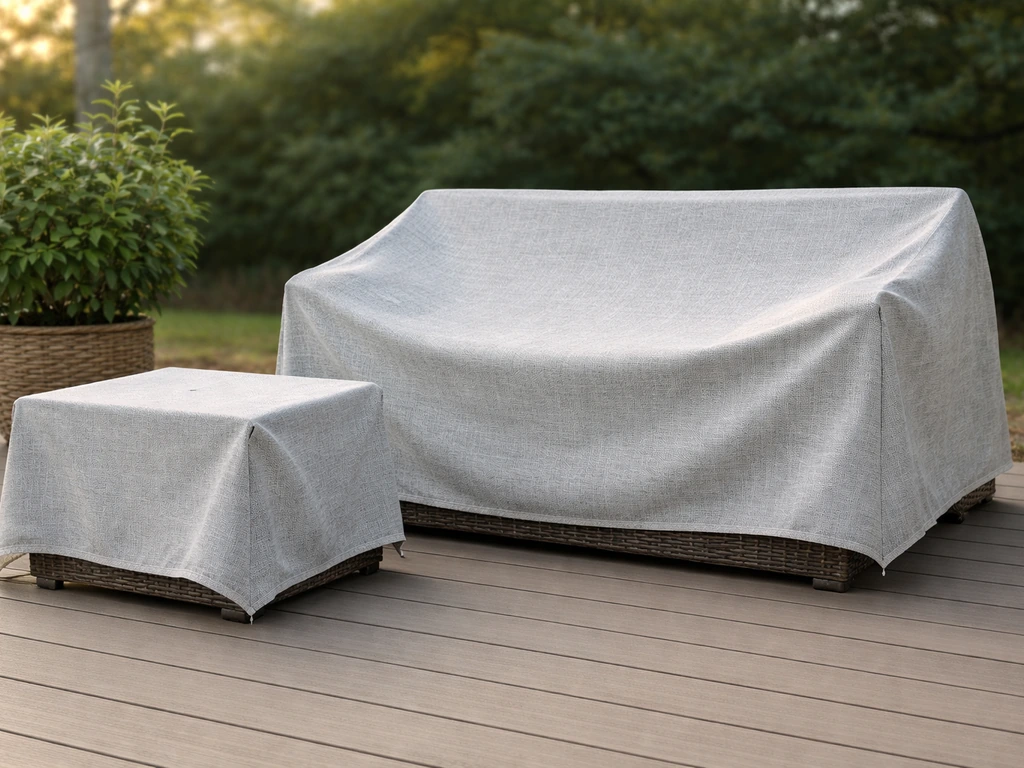
Natural wicker is not outdoor furniture. If you have it, it needs to come inside for winter, full stop. All-weather resin wicker (the synthetic version most outdoor furniture is made from today) is much more durable but still benefits from a cover in wet climates, mainly to prevent debris buildup in the weave and to protect the frame underneath. Keep the cushions separate from the frame when covering and store them indoors if at all possible.
Plastic and POLYWOOD
Standard plastic furniture can stay outside year-round in most climates, though UV exposure causes fading and brittleness over time. POLYWOOD and similar high-density polyethylene furniture is specifically designed to handle year-round outdoor conditions, including freezing temperatures. It does not need a cover to survive winter. That said, covering it keeps it clean and looking better season to season, so a cover is still worth using if you want to skip the spring scrub-down.
Cushions and upholstery
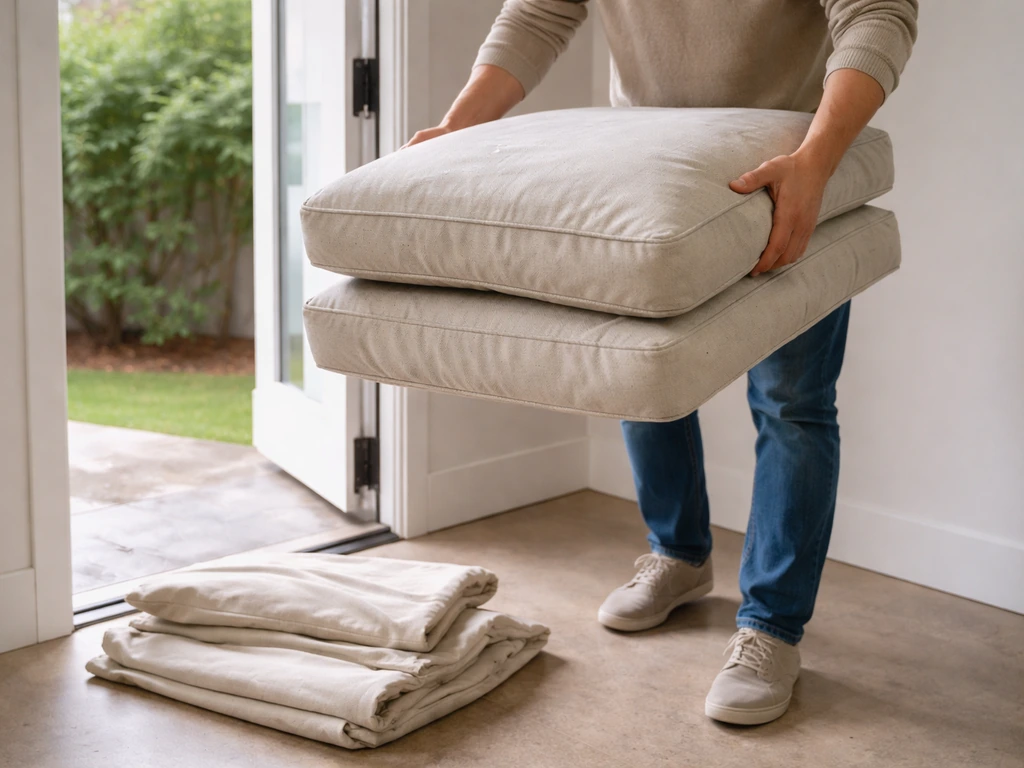
Cushions are the most vulnerable part of any patio set and the one thing I'd never leave exposed to winter without serious protection. The ideal situation is bringing them inside a garage, closet, or storage bench where they stay dry and out of the freeze-thaw cycle. If that's not an option, clean and dry them completely before covering, and only use a breathable cover over them. If you store cushions separately and keep them protected from damp weather, you can skip the cover for the rest of the patio set more often does patio furniture need to be covered. Sunbrella and similar performance fabrics are designed to air-dry quickly and resist mildew, but even those can develop problems if they sit wet under a sealed cover for months. For extra protection before storing, apply a fabric protector to clean, dry Sunbrella fabric and let it soak in and dry fully before covering or stowing.
How to prep your furniture before covering it
This is the step most people skip, and it's the one that causes the most winter damage. Covering dirty or wet furniture locks in everything you don't want there. Here's the process I follow every fall before the first hard frost:
- Clean every surface thoroughly. Use mild dish soap and cool water for most materials. For cushion covers, remove them and wash them separately if they have zippers. Rinse everything completely so no soap residue is left behind.
- Let everything dry completely, not just surface-dry. Cushion foam especially holds moisture deep inside even when the fabric feels dry to the touch. Stand cushions on their edges in the sun for several hours or prop them so air can circulate on all sides. This is not optional: covering wet cushions is how you get a moldy mess by spring.
- Check metal frames for any chips in paint or powder coating and touch them up with matching outdoor metal paint. Exposed metal rusts fast under a cover in winter.
- For wood furniture, check if the surface is due for a fresh coat of teak oil or sealant before covering. A well-sealed surface going into winter comes out in much better shape in spring.
- Fold or remove cushions from frames. If cushions are staying with the furniture, lay them flat on the seat surface, which helps the cover sit properly and keeps the cushions from catching pooled water.
- Bring chairs and small tables close together or stack them where the design allows, which reduces the number of covers you need and keeps everything tighter and more secure.
- Make sure frames are drained of any water sitting in hollow legs or joints. Tilt chairs and tables briefly to let trapped water run out before covering.
Choosing the right winter cover
Not all covers are the same, and the wrong one can actively damage your furniture. Here's what actually matters when picking one.
Breathable vs. fully waterproof
The best winter covers are water-resistant but not completely airtight. A fully sealed waterproof cover keeps rain out but also traps condensation inside, and that trapped moisture is exactly what causes rust on metal and mold on wood and cushions. Look for covers with built-in venting grommets or breathable panels, especially along the bottom hem. GatherCraft also emphasizes using breathable venting to help prevent mold and mildew when covering patio furniture built-in venting grommets. Some covers also have a soft backing fabric that protects the furniture's finish from scratching, which matters on painted metal and lacquered wood.
Sizing and fit
A cover that's too large pools water and acts like a sail in the wind. A cover that's too tight can trap moisture even more effectively than a loose one. Measure your furniture (height, width, and depth with cushions removed) before buying. Most cover manufacturers list exact dimensions, so match them as closely as possible. For grouped furniture like a dining set, a single fitted set cover is often better than individual covers because it reduces the number of gaps where wind and moisture can sneak in.
Securing the cover
Wind is the main enemy of patio covers in winter. Look for covers with drawstrings, elastic hems, click-close buckle straps, or all three. A cover that blows off in December defeats the entire purpose. For large or heavy pieces, use bungee cord loops through the cover's grommets and anchor them to the furniture legs. Always place covered furniture on a hard, flat surface with good drainage underneath so water doesn't pool at the base of the cover.
| Cover Type | Best For | Ventilation | Watch Out For |
|---|---|---|---|
| Water-resistant with vents | Metal, wicker, most sets | Good (grommets/panels) | Still needs dry furniture underneath |
| Fully waterproof/sealed | Short-term rain protection only | Poor | Condensation, mold, rust buildup |
| Breathable fabric cover | Wood (teak, hardwood) | Excellent | Won't stop heavy snow/rain alone |
| Fitted set cover | Dining sets, grouped pieces | Depends on design | Must measure carefully for proper fit |
| Generic oversized tarp | Budget option, temporary | None | Wind, pooling water, scratching finishes |
When covers make things worse (and how to prevent it)
I'd rather cover this now than have you lift your cover in April and find a rust-spotted, mildew-coated set. Covers cause problems when: the furniture or cushions are even slightly damp going in, the cover has no ventilation, or the cover sits directly on the ground and wicks moisture up from below. Condensation is the sneaky villain here. Warm air trapped under a cover hits the cold furniture surface and turns to water droplets, which then sit against metal, fabric, and wood for months. That's how you get rust after one winter on a frame that looked fine in October.
The prevention strategy is straightforward. Dry everything completely before covering. Use a cover with ventilation. Elevate the furniture slightly or make sure there's drainage under the cover, not a flat tarp that pools water. If you live somewhere that gets genuinely warm sunny days even in winter, periodically remove the cover on those days to let any built-up moisture escape. Experts specifically warn that leaving covers on during sunny periods can trap heat that warps wood and promotes mildew even in winter months. Also, make sure the cover's inner lining won't scratch your furniture's finish: a soft backing on the inside of the cover is worth looking for, especially on painted or lacquered frames.
If you pull back a cover mid-season and notice a musty smell, act on it immediately. Remove cushion covers from the foam cores and air both separately. Clean the fabric covers with a mild soap solution, rinse well, and let them fully air-dry before re-covering. The longer mildew sits on fabric or foam, the harder it is to get out fully.
Your winter check routine (don't just set it and forget it)
Putting covers on in November and not touching anything until April is a gamble. A simple monthly check takes about five minutes and can save you from finding a disaster in spring. Here's what that routine looks like:
- Once a month, do a quick visual check of each cover. Look for pooling water on top, covers that have blown partially off, or obvious damage to the cover material itself (tears, broken straps).
- After any major snow event, brush snow off the top of covers before it melts. Heavy wet snow pooling on a cover stresses the seams and can collapse a cover down onto delicate furniture.
- On warm winter days above 50°F, briefly lift a corner of each cover and check for condensation or moisture buildup underneath. If you feel dampness, prop the cover open for a few hours to air out.
- Check that straps and drawstrings are still secured and haven't loosened from wind stress.
- In late winter or early spring, once you're past the hardest freeze risk for your area, consider removing covers on dry days to let furniture breathe and fully air out before the season starts.
- When you finally remove covers for spring, don't rush to stack them back in the box. Wipe them down, let them dry, then fold and store so they're ready and mold-free for next fall.
One more thing worth thinking about: covering your patio furniture every winter is different from covering it every single night, which has its own trade-offs worth considering. Covering every single night can be overkill if your furniture is already under a sheltered roof and you can keep moisture from building up covering it every single night. The winter situation is a long-term storage scenario, and the rules around moisture and ventilation matter a lot more when the cover is going to sit there for three to five months straight. Getting the prep and the cover choice right upfront is the work that pays off every spring when you pull everything off and your furniture looks almost exactly like it did when you put it away.
FAQ
How do I know if my cover is too airtight or trapping condensation?
Check the inside of the cover after a cold snap or a couple rainy days. If you see water droplets, darkened fabric, or a musty smell developing under the cover, it is likely too sealed. Switch to a model with venting panels or grommets and avoid covers that fully clamp to the frame.
Should I cover patio furniture if I plan to clean and dry it in the spring instead of the fall?
It is much better to do the clean, dry, and cover step before the first hard frost. Dirt and moisture get sealed in and can create staining, mold growth on cushions, and accelerated corrosion on steel. Spring-only cleaning often cannot fully remove set-in mildew.
Can I use a tarp instead of a purpose-made patio cover in winter?
Usually no. Tarps tend to be too airtight and can pool water, plus they can wick moisture up from the ground. If you must improvise, prioritize breathability and elevation, but replacing with a vented outdoor cover is the safer long-term fix.
Where should I place covered furniture so it does not rust from below?
Use a hard, flat surface with drainage, for example a concrete pad or dry pavers, and avoid bare soil or areas that stay damp. Even if the cover is waterproof, water can collect at the base and create the rust and mildew cycle the cover is meant to prevent.
Is it better to cover metal furniture with cushions on or off?
Take cushions off and store them separately when possible. Leaving cushion layers in place can trap moisture against the frame, especially after melting snow. If the set is covered, keep the cushion stack dry and separate, then cover the frame alone.
Do I need to remove covers during warm spells in winter?
If your area has periodic sunny or above-freezing days, it helps to briefly open or remove the cover to let trapped humidity escape. If the cover remains on, check for any dampness or odor afterward and re-cover only when everything is dry.
My teak or wood furniture looks fine at first, should I still be worried about mold under a cover?
Yes, because wood can stay damp longer under winter covers even when it looks unchanged. For teak, use only breathable covers, avoid any plastic sheeting or airtight wraps, and periodically inspect for dark spots or a musty odor, especially after wet storms.
Can I cover wicker or resin wicker without bringing it inside?
Resin wicker can usually stay outside, but in wet, freeze-thaw climates a breathable cover is still helpful. For natural wicker, bring it inside, because it can absorb moisture and lose structural integrity when it freezes.
What if I do not have space to store cushions indoors?
Store them in a dry, ventilated garage, shed, or storage bench if you can. If cushions must stay outside, clean and fully dry them first, keep them off the ground, and cover them with a breathable cover that does not press wet fabric against foam cores.
How often should I inspect covered furniture during winter?
A quick check about monthly is a good baseline, plus an extra check after heavy rain, snow, or a windy event that could shift the cover. Look for pooled water, lifted edges, dampness on the inside, and any smell change before letting it sit for another cycle.
Should I cover furniture in a fully enclosed patio year-round?
Often you can skip winter covering if the patio is truly enclosed and stays dry most of the season. If humidity still builds, a cover can still trap moisture even under a roof, so prefer ventilation and periodic airing rather than leaving a sealed cover in place.
What is the best way to anchor a cover so wind does not blow it off?
Use drawstrings, elastic hems, or buckle straps that match the cover design. For larger pieces, use bungee loops through grommets and anchor them to stable points like furniture legs, and make sure the cover is the correct size so it does not balloon or shift.