You don't need to cover your patio furniture every single night, but covering it most nights is genuinely worth doing if you want it to last. The real answer depends on your climate, your furniture material, and whether you're willing to spend two minutes before bed versus an hour scrubbing off mildew next spring. For most homeowners, a simple weather-based routine (cover when rain or heavy dew is expected, skip on dry breezy nights) hits the sweet spot between protection and convenience without trapping moisture or burning yourself out. If you want the step-by-step on covering patio furniture without trapping moisture, the next sections walk through when to cover, how to pick a breathable cover, and how to prep cushions before you put anything on.
Should I Cover My Patio Furniture Every Night?
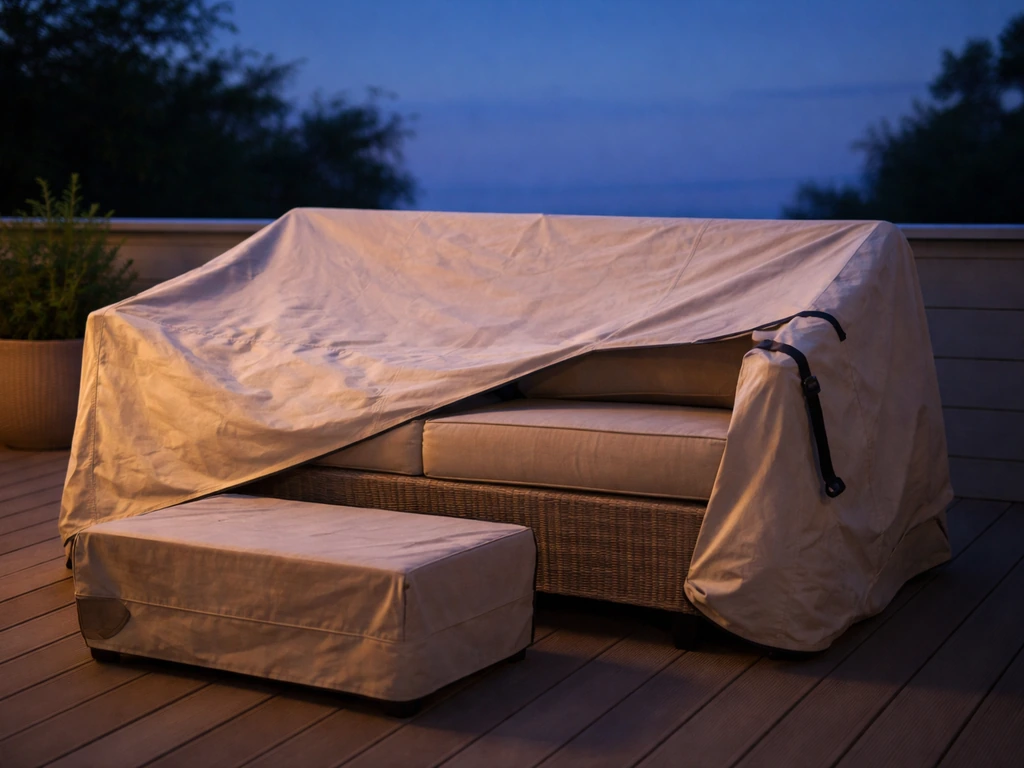
When to cover and when to skip it
Here's the honest truth: covering every single night without thinking about it can actually cause problems. A waterproof cover thrown over damp furniture on a humid night traps that moisture inside, and that's exactly how you get mildew on cushions and rust on metal frames. So instead of a blanket 'cover it every night' rule, use these weather triggers to decide.
Cover it when...
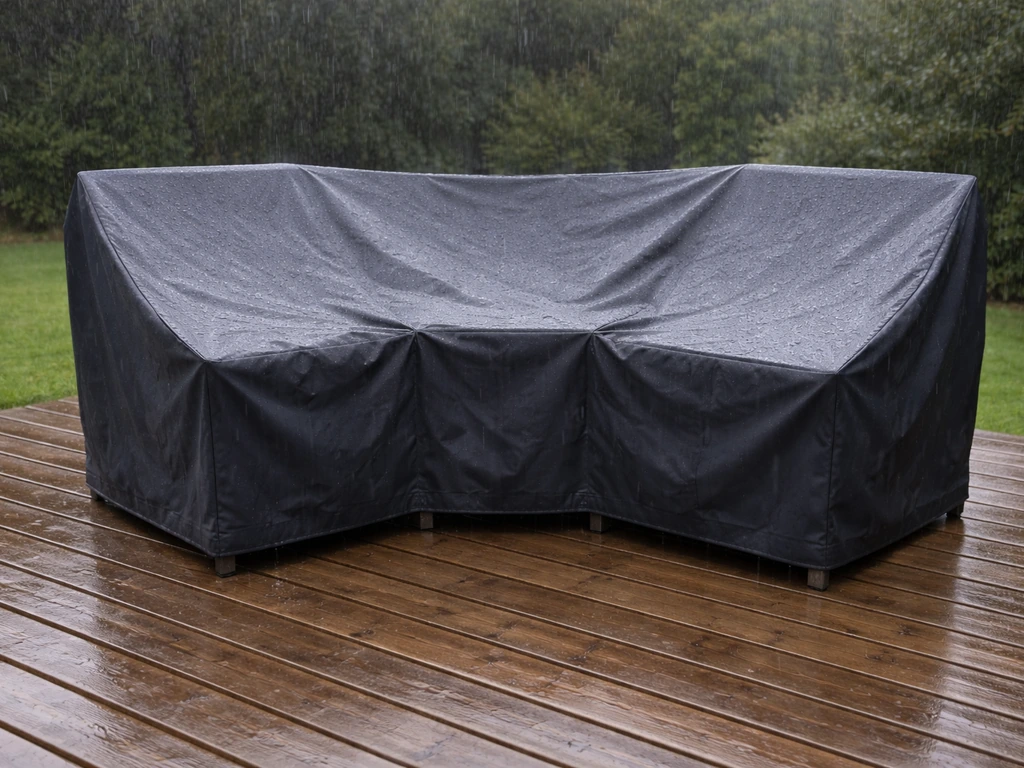
- Rain is in the forecast, even light drizzle. Water sitting on metal joints, in wood grain, or pooling on cushion fabric is the number one cause of rust and rot.
- Heavy overnight dew is expected. In humid climates or near water, dew can be almost as wet as light rain and soaks cushion fabric thoroughly by morning.
- Strong wind is coming. Wind-driven debris scratches finishes and can blow furniture over, causing dents, broken welds, or shattered glass tabletops.
- Temperatures are going to swing dramatically overnight. Repeated expansion and contraction from big temp changes weakens sealants, loosens joints, and cracks paint on metal and wood frames.
- You're leaving for a few days or more. Even a few mild nights add up when you're not around to dry things off.
Skip the cover when...
- It's a dry, low-humidity night with a light breeze. Airflow is actually your furniture's friend on nights like this.
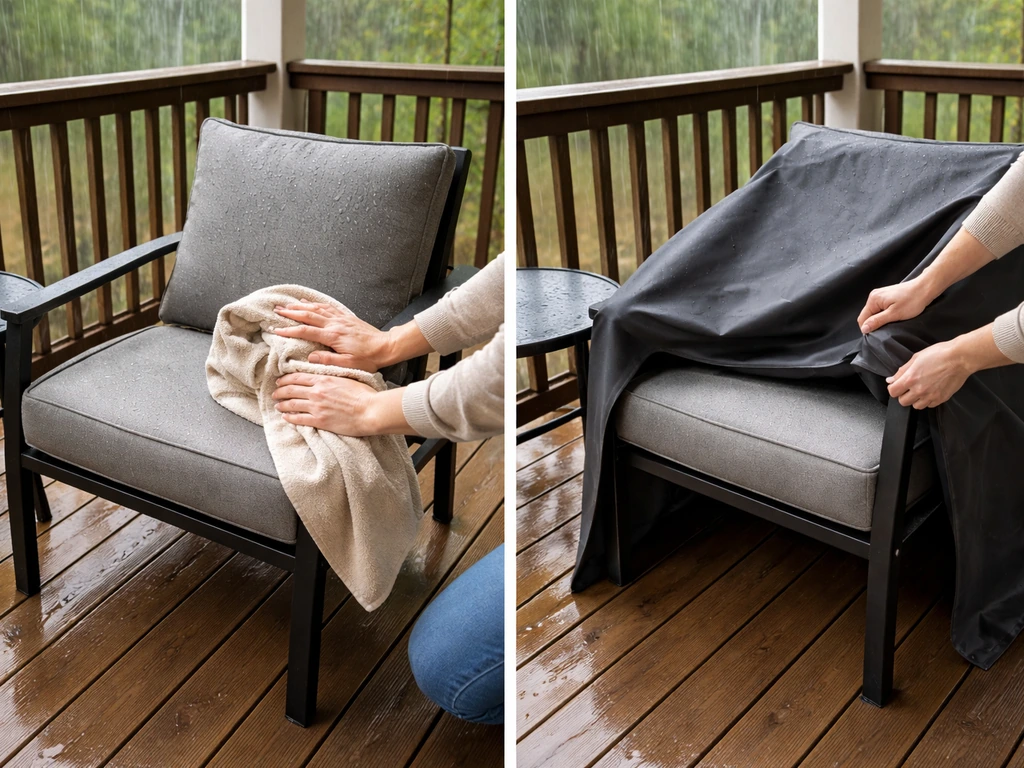
- The furniture is already slightly damp. Pulling a tight waterproof cover over wet furniture seals in moisture. Either dry it first or leave it uncovered to air out.
- You have all-weather resin or powder-coated aluminum that's specifically rated for year-round outdoor exposure. These materials handle dew and light moisture well without a cover.
- Your cover is damaged, torn, or doesn't fit properly. A loose cover that traps pooling water is worse than no cover at all.
How to adjust your routine by season
Covering habits should shift with the seasons because the threats to your furniture change completely depending on the time of year. Here's how I break it down.
Spring and summer
This is active-use season, so you're pulling covers on and off frequently. In spring, dew and rain are your main enemies. Cover on nights where rain or heavy dew is forecasted, and leave furniture uncovered on clear dry nights so it can breathe. Covering patio sets when rain or heavy dew is expected is a preventive approach Home Depot recommends to help reduce rust-related issues on outdoor metal furniture cover on nights where rain or heavy dew is forecasted. In summer, afternoon thunderstorms are common in many regions, so get into the habit of covering before you go to bed if storms rolled through and things got soaked. Bring cushions inside or stack them in a storage bin on rainy weeks. UV exposure is also a major issue in summer: a cover during the hottest midday hours protects fabric and finishes from fading, so don't think of covers as just a nighttime thing.
Fall and winter
Fall is when I start taking furniture protection seriously. Leaves trap moisture against frames and accelerate rust and wood rot faster than rain does. As temperatures drop below freezing, any water that's gotten into joints, cracks, or unsealed wood expands and physically splits the material. By the time hard frost is coming regularly, you should move cushions indoors for good and seriously consider whether you want to move the frames inside too. If you are wondering does patio furniture need to be covered, this is the season to treat it as a conditional yes, since freezing temps make trapped water riskier than light rain. If outdoor storage is your only option, use fitted covers with tie-down straps and make sure the cover has some breathability so condensation doesn't build up underneath. The winter care question is a whole separate topic worth digging into on its own. If you're wondering should i cover my patio furniture in winter, the short answer is yes for added protection, but only with breathable covers and correct prep so moisture does not get trapped.
Pick the right cover (this part actually matters)
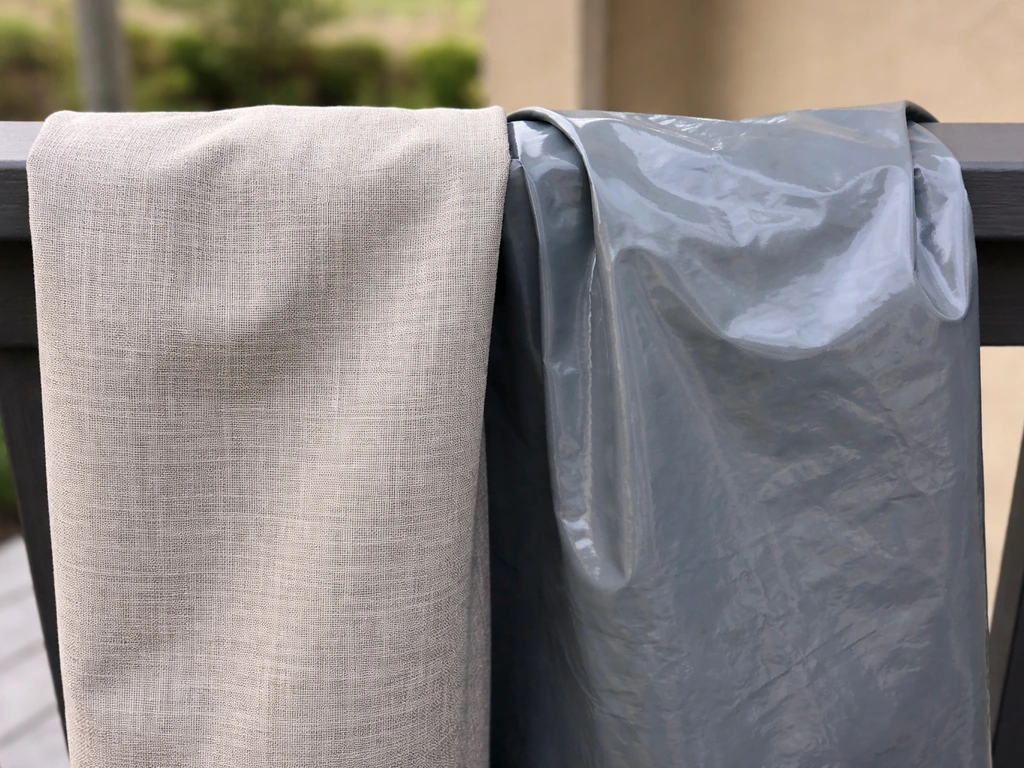
Not all patio covers are equal, and buying the wrong type is the most common mistake I see. A cheap plastic tarp might seem like a good deal, but it creates a sealed environment that builds condensation and cooks your furniture in heat. Here's what to actually look for.
| Cover Type | Best For | Weakness | Approximate Cost |
|---|---|---|---|
| Breathable polyester (vented) | Most climates, regular use, metal and wood furniture | Less waterproof in heavy sustained rain | $30–$80 |
| Waterproof Oxford fabric with vents | Rainy climates, coastal areas, heavy storms | Can trap heat in summer if no vents | $50–$120 |
| Heavy-duty vinyl or PVC tarp | Short-term storm protection only | No breathability, causes condensation, damages finishes | $15–$40 |
| Custom-fitted covers | Furniture with unusual shapes, high-end pieces | Expensive, slow to order | $100–$250+ |
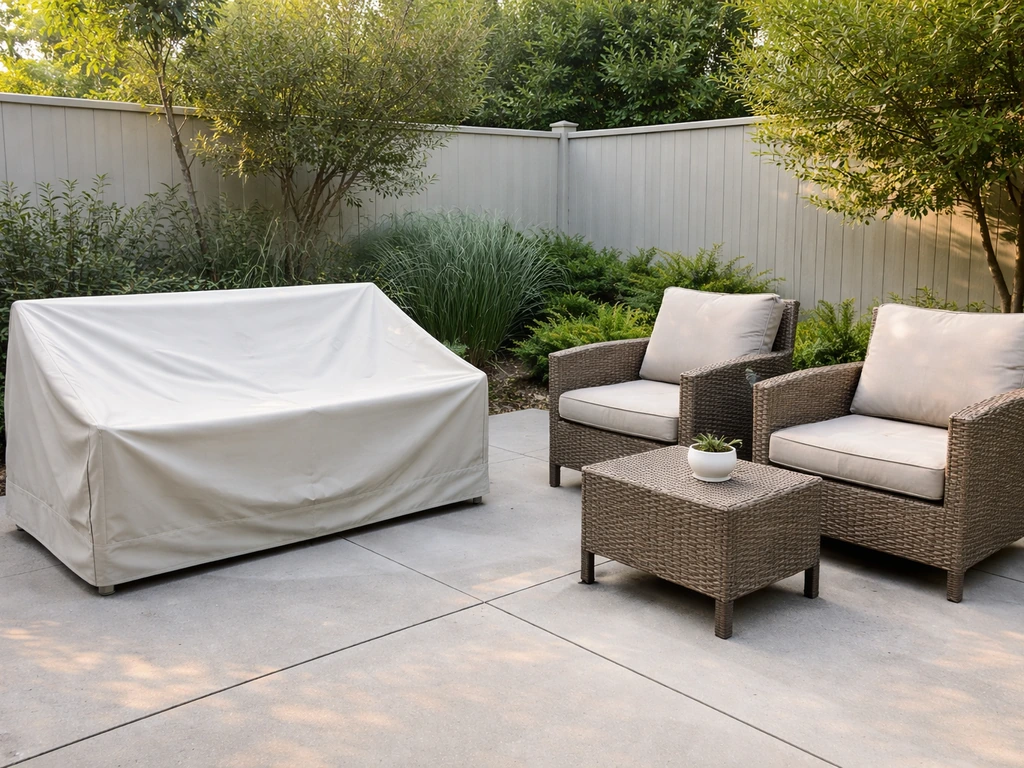
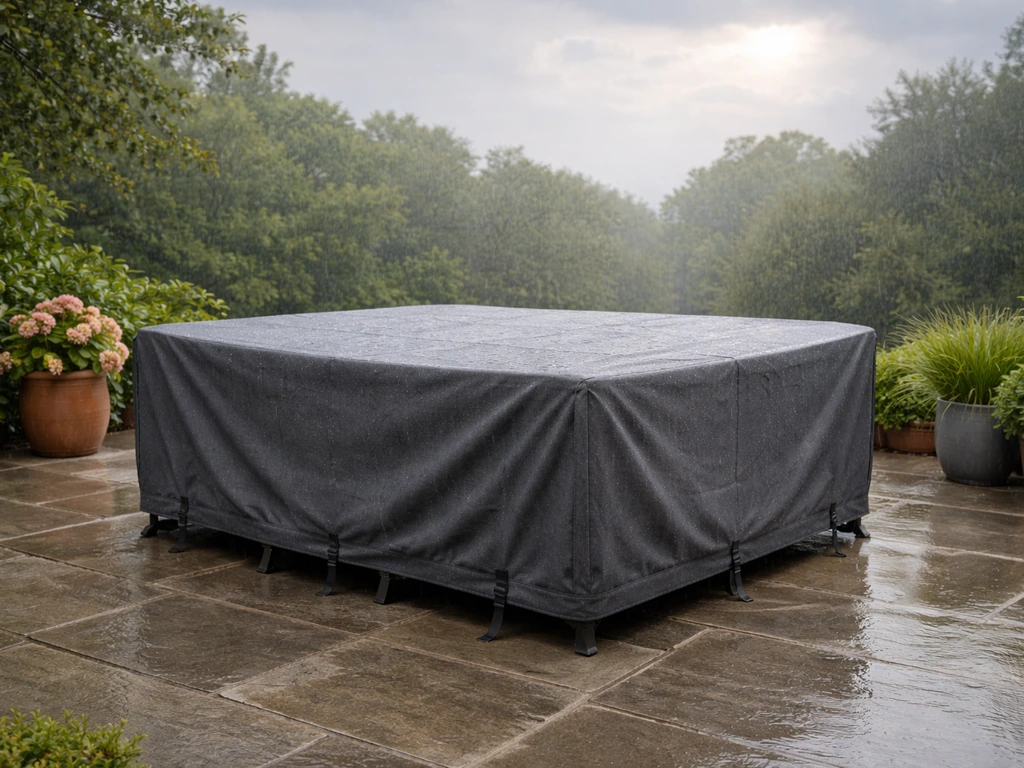
For most people, a mid-range breathable polyester cover with at least one air vent is the right call. Look for covers rated 300D (denier) or higher for durability. Fitted covers with elastic hems or drawstring bottoms are far better than loose covers because they don't balloon and flap in the wind or allow pooling on top. Always check that the cover's dimensions match your furniture closely, meaning within a few inches. A cover that's too large pools water on top and that standing water eventually seeps underneath.
Tie-down straps or buckle closures are worth paying extra for if you live anywhere with regular wind. A cover that blows off during a storm offers exactly zero protection. I've had covers end up three yards away in the neighbor's yard after a 30 mph gust, which is both embarrassing and useless.
Prep your furniture before you cover it
This is the step most people skip, and it's the reason they end up with moldy cushions or rust stains by mid-summer. Here's what to do before pulling the cover on, especially for longer coverage periods.
Quick nightly prep (2 minutes)
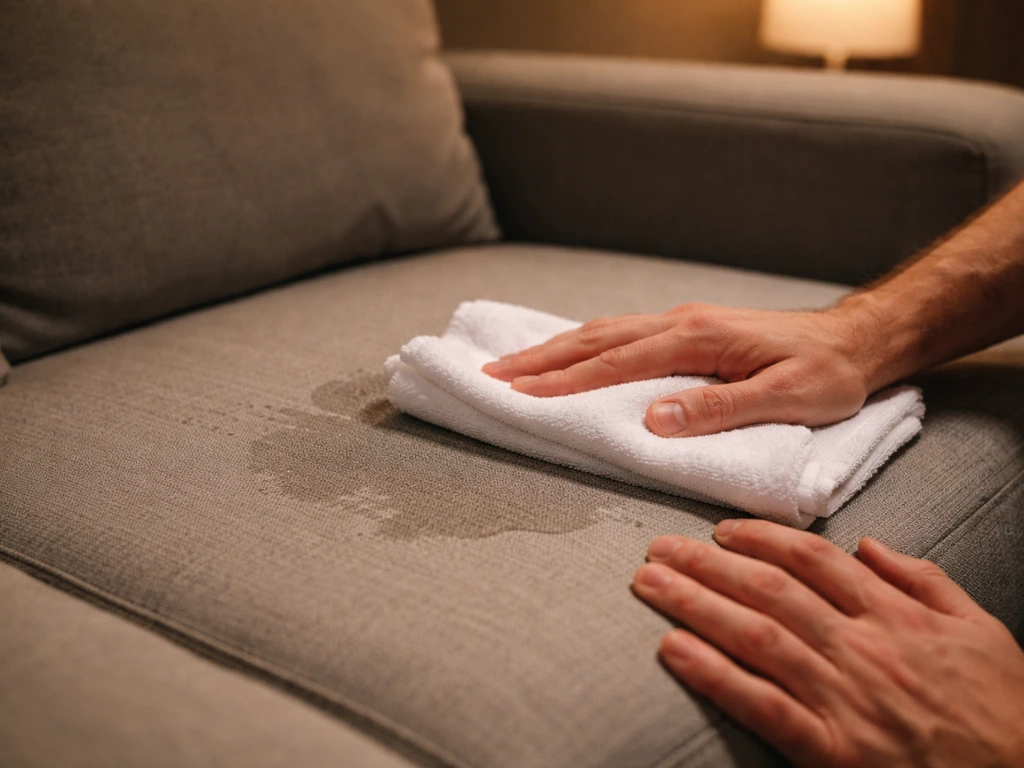
- Run your hand over seat surfaces. If cushions or frames feel damp, either dry them with a towel or leave them uncovered to air out instead of sealing in the moisture.
- Stack or stand cushions on edge rather than laying them flat. This lets any trapped moisture drain and air out even under a cover.
- Clear off any standing water from glass or flat surfaces with a quick wipe. A pool of water under a cover turns into a humid microclimate.
- Pull the cover down snugly and clip or tie any straps.
Deeper prep for extended coverage (weekly or seasonal)
- Wipe down frames with a dry or barely damp cloth. For metal furniture, check welds and joints for early rust spots and treat them with a rust-inhibiting primer before covering long-term.
- Remove all cushions and store them indoors or in a sealed storage bin if you're covering furniture for more than a few days.
- Check wood surfaces for cracks or peeling sealant. Raw, unsealed wood left under a cover in humid conditions will absorb moisture and swell, warp, or crack.
- Wipe the inside of your cover with a dry cloth to remove any debris, dirt, or moisture from the last use. A dirty wet cover re-introduces the problems you're trying to prevent.
Problems covers create and how to avoid them
Covers are protective tools, not magic shields. Used incorrectly, they create their own set of headaches. Here are the most common problems and exactly how to fix them.
Trapped moisture and mildew
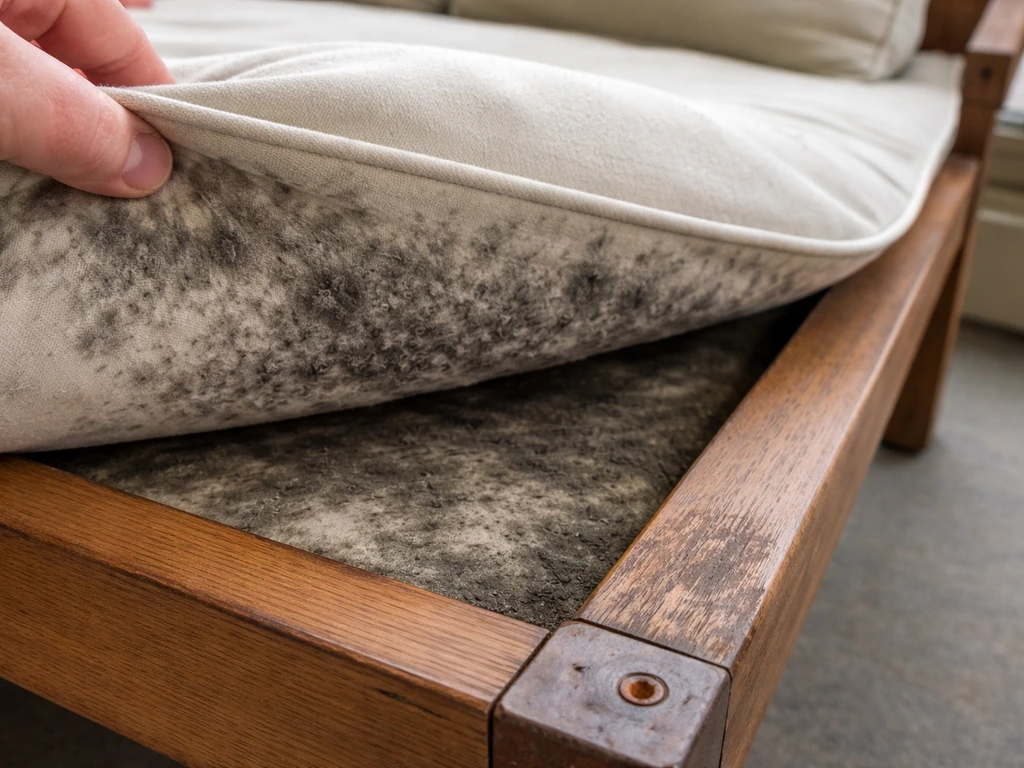
This is the big one. If you pull off your cover in spring and find grey or black fuzzy patches on cushion fabric or wood surfaces, trapped moisture was the cause. The fix going forward is simple: always use a vented or breathable cover, never cover wet furniture, and store cushions separately rather than sealing them under a cover. If you already have mildew, scrub affected fabric with a solution of one cup white vinegar and one cup warm water, rinse thoroughly, and let everything dry completely in direct sunlight before covering again. For wood, a diluted bleach solution (one part bleach to four parts water) works, but test it on a hidden spot first.
Rust on metal furniture
Rust shows up when metal is repeatedly exposed to moisture, especially in joints and welds where water sits. Covering furniture helps, but only if the cover breathes. A sealed non-vented cover traps condensation right against the metal, which is worse than leaving furniture uncovered in light rain. If you spot surface rust early, sand it lightly with 220-grit sandpaper, wipe clean, and apply a rust-inhibiting spray paint matched to your furniture color. Caught early, rust repair is a 20-minute job. Left for a season, it can eat through frames entirely.
Cover rubbing and abrasion damage
A loose cover flapping in the wind rubs against furniture finishes repeatedly and eventually scratches off paint and oxidizes bare metal. The fix is a properly fitted cover with tie-downs, full stop. If your current cover is too large, use bungee cords looped under the furniture legs to pull it tight. You can also place foam pipe insulation (the split tube kind, available at any hardware store for about $2 a foot) over sharp chair arms or table edges where the cover makes contact, which protects both the cover fabric and the furniture finish.
Covers blowing off in wind
If your cover keeps escaping in the wind, add cover clips or weight bags to the bottom hem. Cover clips are inexpensive plastic clips that clamp the hem to furniture legs, and weight bags (small sandbag-style pouches) loop over the bottom edges to hold the cover down. Both are available at home improvement stores for under $15 for a set. You can also DIY weight bags with zip-lock bags filled with gravel slipped into the cover's hem pockets if it has them.
A simple covering routine you can actually stick to
The best routine is one you'll actually do. Here's what I'd recommend building into your week.
Daily habit (30 seconds to 2 minutes)
- Check your phone's weather app before bed. Rain, dew warning, or wind above 20 mph tonight? Cover it.
- If covering: do the quick nightly prep above, pull the cover on, secure straps.
- If not covering: leave furniture as-is and let it breathe.
Weekly habit (5–10 minutes)
- Pull covers off and let furniture air out for at least an hour, even if the weather has been rainy.
- Wipe down frames and check for any rust spots, mildew, or surface damage while you can see everything.
- Inspect your cover for rips, torn straps, or seam separation. A damaged cover should be patched or replaced quickly.
Off-season storage plan
When the season ends, the goal shifts from covering furniture to actually storing it properly. Bring all cushions inside, ideally into a dry basement, garage, or large storage bin. Clean frames thoroughly before putting them away, and treat any metal with a light coat of paste wax or furniture oil to form a barrier against winter moisture. If you're keeping frames outdoors through winter (which I generally don't recommend for wood), use a properly fitted breathable cover and check it once a month to make sure it hasn't shifted, torn, or pooled water. A full off-season plan is worth its own deep dive, especially for anyone dealing with freezing temperatures.
To keep it simple: cover your furniture when weather warrants it, use the right type of cover, always dry things off before sealing them in, and store cushions separately. Patio.com also recommends covering patio furniture when it is not in use, but specifies that the cover should be one that will not trap moisture cover your furniture when weather warrants it. Follow those four rules and your furniture will genuinely last years longer without requiring a major time investment from you every single day.
FAQ
If it rained earlier in the day, should I still cover my patio furniture at night?
Only cover after the cushions and frame surfaces are actually dry. If rain just hit and everything is still damp, covering overnight can trap moisture and trigger mildew or rust, even if the weather is clear later.
What if dew forms every night, should I cover every night during spring and fall?
If dew is frequent, you usually do not need to cover every night, but you should cover on nights with heavier dew or fog that lingers. A practical test is to check in the evening, if cushions feel damp to the touch, cover them, if they feel dry, skip.
How can I tell whether my cover is breathable enough?
Look for a vented design (air vents) or breathable fabric like polyester with airflow features. If the cover feels like a fully sealed plastic barrier and you notice condensation underneath after use, it is not behaving like a breathable cover.
Should I put a tarp under or between the furniture and the breathable cover for extra waterproofing?
Generally no. Adding an impermeable layer underneath can block airflow and increase condensation. Keep the setup breathable, and focus on proper cover fit and weather-based timing instead.
Can I cover cushions with the foam still wet or must I bring them inside?
Bring them inside or let them dry fully first. Foam retains moisture, so covering wet cushions often leads to mildew faster than wet fabric alone. If you cannot bring them in, dry them thoroughly outdoors before covering.
Is it better to cover only the cushions or only the frames?
For most households, the cushions need the most moisture control. Frames, especially metal, benefit from being covered conditionally with breathable covers, but cushions should be dried and ideally stored separately when coverage becomes long or seasons turn cold.
Will covering help against sun fading if I leave furniture out all day?
Yes, but the timing matters. In hot climates, a cover helps most when you put it on before peak sun or when you expect extreme UV exposure, not just after sunset. Also avoid covering damp cushions during hot humid evenings.
What should I do if water pools on top of the cover?
Pooling usually means the cover is too large, sagging, or not secured. Adjust the fit, use tie-down straps or clips, and remove the cover promptly if you notice standing water so it does not seep underneath.
How long should I leave a cover off after mildew or rust to prevent it from coming back?
After cleaning, allow complete dry time before re-covering (it should be dry to the touch with no lingering damp smell). For fabric, dry in direct sunlight when possible, and for treated areas, wait until the surface coating is fully cured before covering.
Are there situations where I should never cover my patio furniture at night?
Avoid covering when the furniture is wet or freshly damp from rain, irrigation overspray, or lingering dew. Also skip covering during windy conditions if you do not have tie-downs, because flapping can cause abrasion and scratches.
How often should I check covered furniture in winter or during long cold spells?
Check at least once a month, even if you think nothing changed. Look for shifted covers, tears, and signs of trapped moisture (dark spots, damp odor, condensation). If water pooled, reposition and dry before re-securing.
Should I cover furniture if it is stored under a covered patio or awning?
Often you do not need nightly covering, but you may still need conditional protection. If wind-driven rain or heavy dew/fog reaches the area, use breathable covers on those nights, otherwise rely on the shelter and focus on drying before storage.