The best way to protect patio furniture from rain is a three-part habit: cover it with a breathable, properly fitted waterproof cover before rain hits, prep the furniture correctly beforehand so you're not trapping dirt or moisture underneath, and store cushions indoors whenever you can. Do all three consistently and your furniture can last a decade or more even in a rainy climate. Skip one of them and you'll be dealing with rust, mold, warping, and waterlogged cushions within a season or two.
How to Protect Patio Furniture From Rain: Step-by-Step
Maren Grady
29 Apr 2026
What to do right now when rain is coming
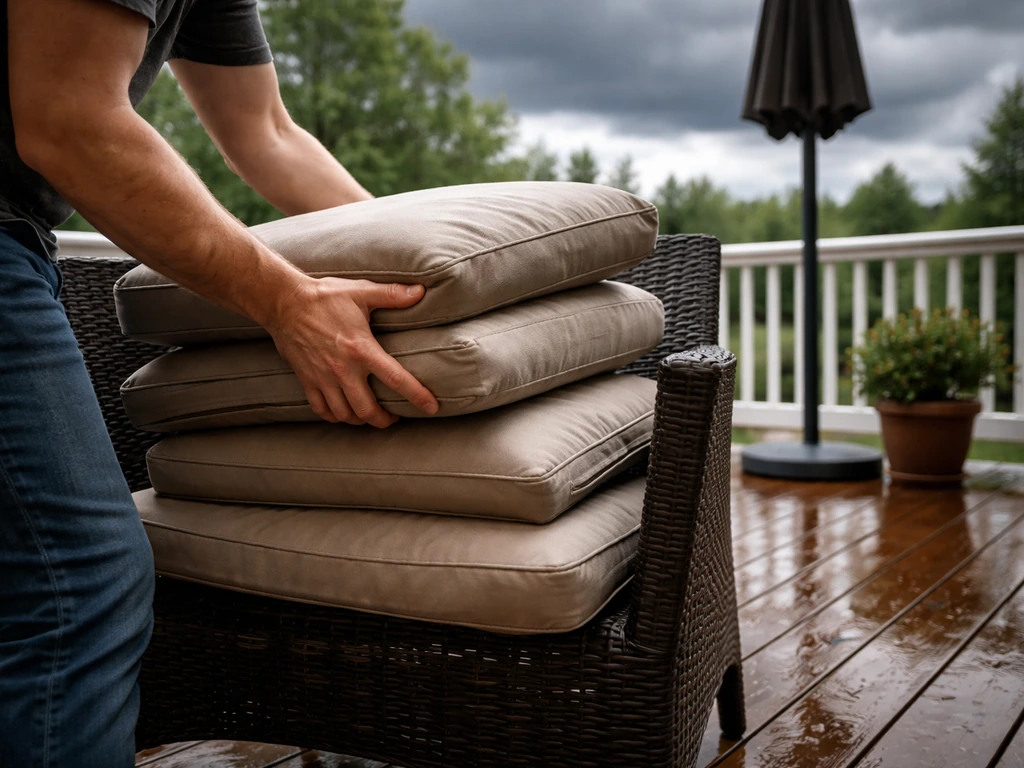
If a storm is rolling in and you've got maybe 20 minutes, here's the order of operations. First, grab the cushions. Seriously, that's always step one. Cushions absorb water like a sponge and take forever to dry out, which is exactly how you get mildew baked into fabric. Toss them in a garage, shed, or even inside the back door. If you genuinely cannot bring the cushions in, lay the back cushions flat down on the seat cushions before throwing the cover on. That keeps them from acting like a sail in the wind and reduces pooling.
Next, if there's visible debris on the furniture, do a quick spray with the hose and wipe it down with a soft cloth. I know it sounds counterproductive to wet the furniture before a rainstorm, but leaving grit and organic debris trapped under a cover is one of the fastest ways to get mold and surface damage. A quick wipe takes two minutes and makes a real difference.
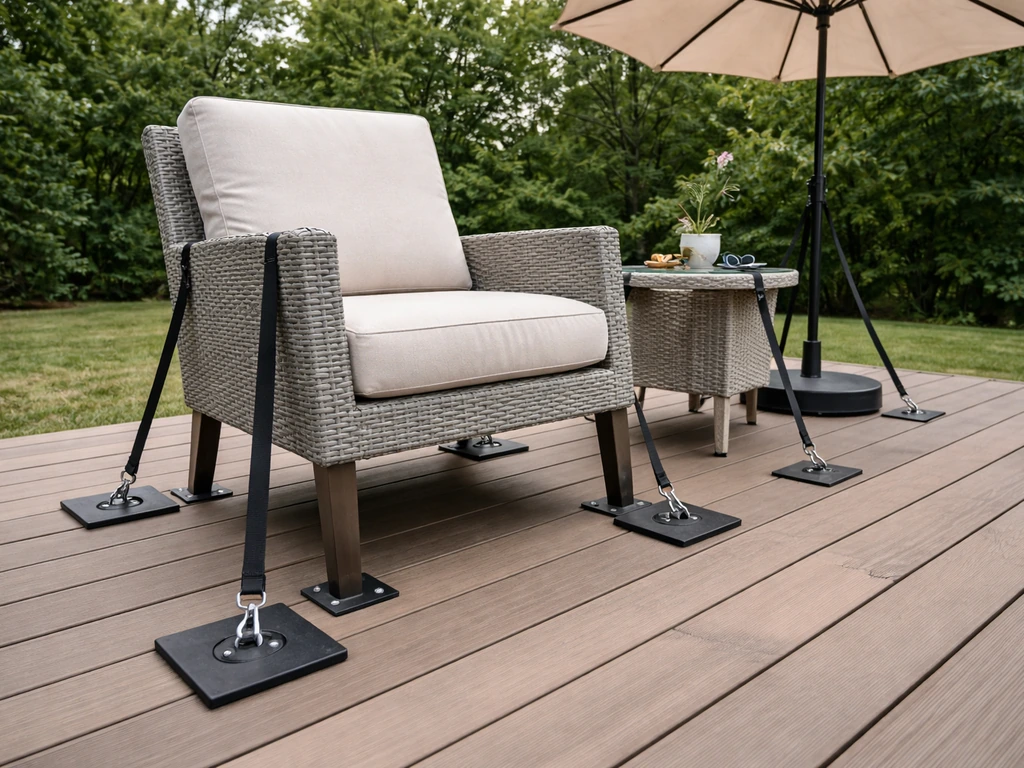
Then get your cover on. Place it over the furniture and run the straps underneath from back to front, buckling them at the front feet or legs. If your cover has buckle straps, secure them directly to the furniture feet. No straps? Use bungee cords looped behind the legs or wheels. A cover that's flapping in the wind is worse than no cover at all because it acts like a scoop, pushing water underneath. The goal is a snug fit that still allows a little airflow at the base.
Choosing covers and waterproofing materials that actually work
This is where a lot of people waste money. They buy the cheapest cover they can find, it falls apart after one season, and they repeat the cycle. Let me save you that frustration.
The breathability problem nobody warns you about
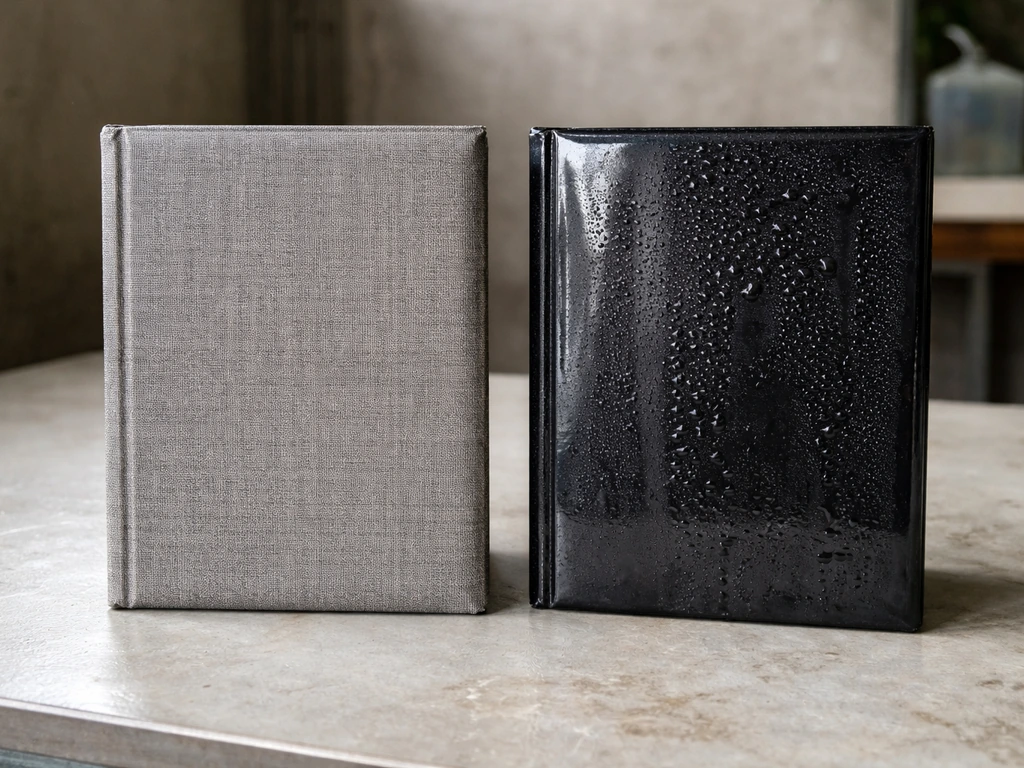
The single biggest mistake in cover selection is going fully non-breathable. Vinyl (PVC) covers are completely waterproof, which sounds ideal, but in high humidity they trap condensation underneath and can actually leave your furniture wetter than if you hadn't covered it at all. That trapped moisture is exactly what causes rust on metal frames and mildew on wicker. A breathable cover made from solution-dyed acrylic or UV-treated polyester lets air circulate while still blocking rain. Think of it like a protective shell rather than a vacuum seal.
Cover materials compared
| Material | Waterproof | Breathable | UV Resistance | Lifespan | Best For |
|---|---|---|---|---|---|
| Solution-dyed acrylic (e.g., Sunbrella) | Yes | Good | Excellent | 5-10 years | Long-term, high-quality sets |
| UV-treated polyester (with PVC coating) | Yes | Moderate | Good | 2-5 years | Mid-range, everyday use |
| Vinyl / PVC | Excellent | Poor (none) | Fair | 2-4 years | Short-term, low humidity areas |
| Generic coated fabric | Moderate | Poor | Low | 1-2 years | Budget/temporary coverage |
Solution-dyed acrylic is the gold standard. The dye goes all the way through the fiber instead of sitting on the surface, so UV exposure doesn't break down the waterproofing over time the way it does with coated fabrics that crack and chalk. Yes, it costs more upfront, but it genuinely lasts longer, so the math works out. If that's out of budget right now, a decent UV-treated polyester cover is a solid middle ground.
Fit matters more than you think
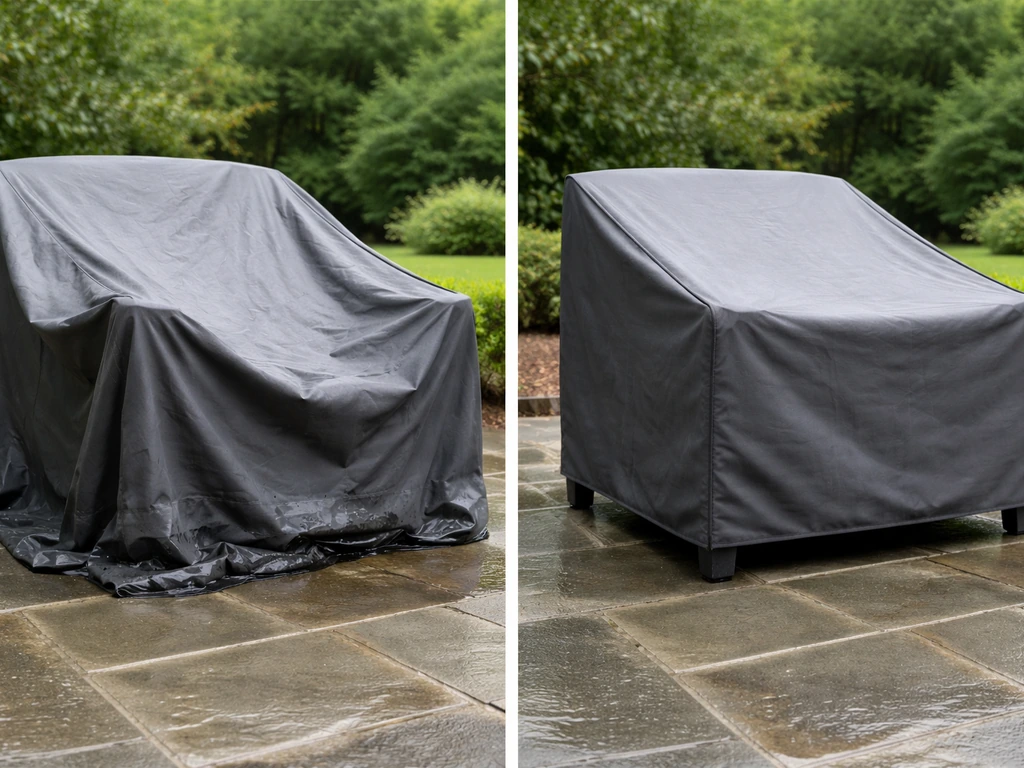
A universal or one-size-fits-most cover is almost always a poor-fit cover. Too big and it pools water, flaps in the wind, and funnels rain underneath. Too small and it leaves furniture exposed and stretches the seams until they fail. Measure your furniture carefully: width, depth, and height with cushions on if you're covering them in place. Custom or semi-custom covers cost more but they stay put, seal better, and last longer because they're not fighting against the furniture every time the wind picks up.
How to prep furniture before you cover it
Covering dirty, damp furniture is like putting a lid on a petri dish. You're just accelerating the damage. Prep is the unglamorous part of this whole process but it's where you actually win the long game.
Clean it first, then dry it completely
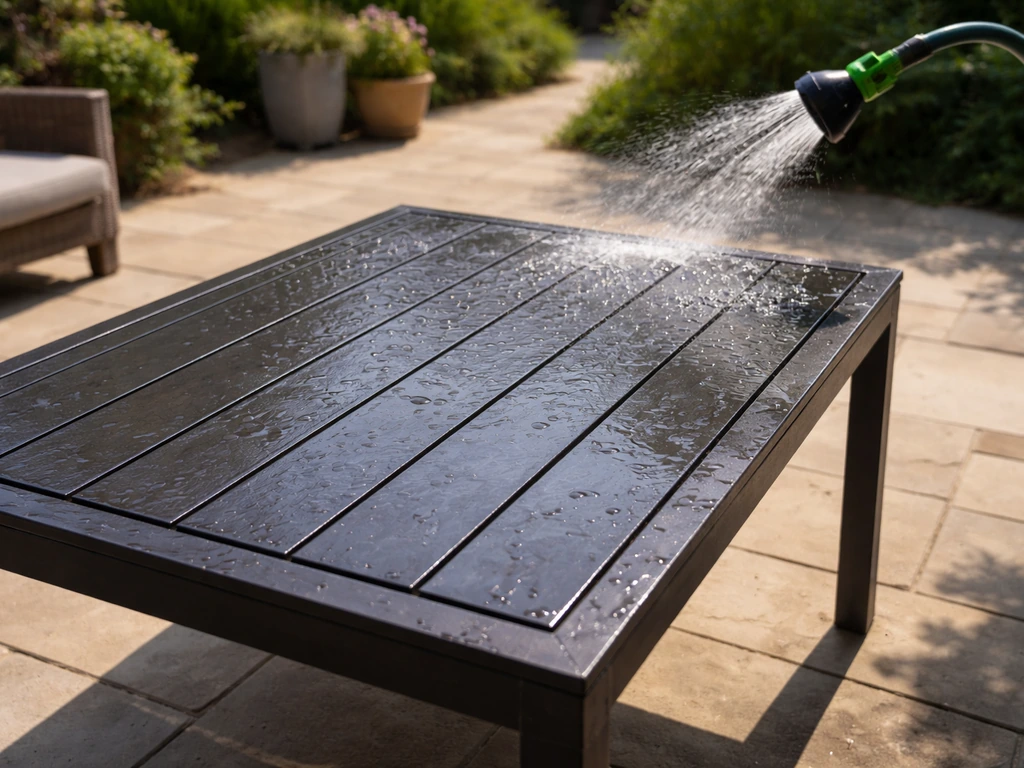
Hose the furniture down, scrub with mild soapy water, and rinse thoroughly to remove all soap residue. Then let it dry in the sun for at least 2 hours before doing anything else. I'm serious about the drying time. Covering furniture that's even slightly damp is how you wake up to mildew a week later. The sun-drying step isn't optional.
Check seams, joints, and hardware
While the furniture is drying, run your hands along joints, bolts, and welds. Loose hardware lets water in through gaps that then can't drain or dry. Tighten anything that's wobbly. Check for cracked caulk or deteriorating seam sealant on wood pieces. These small fixes take five minutes now and save you a major repair later.
Tackle rust and bare metal before it spreads
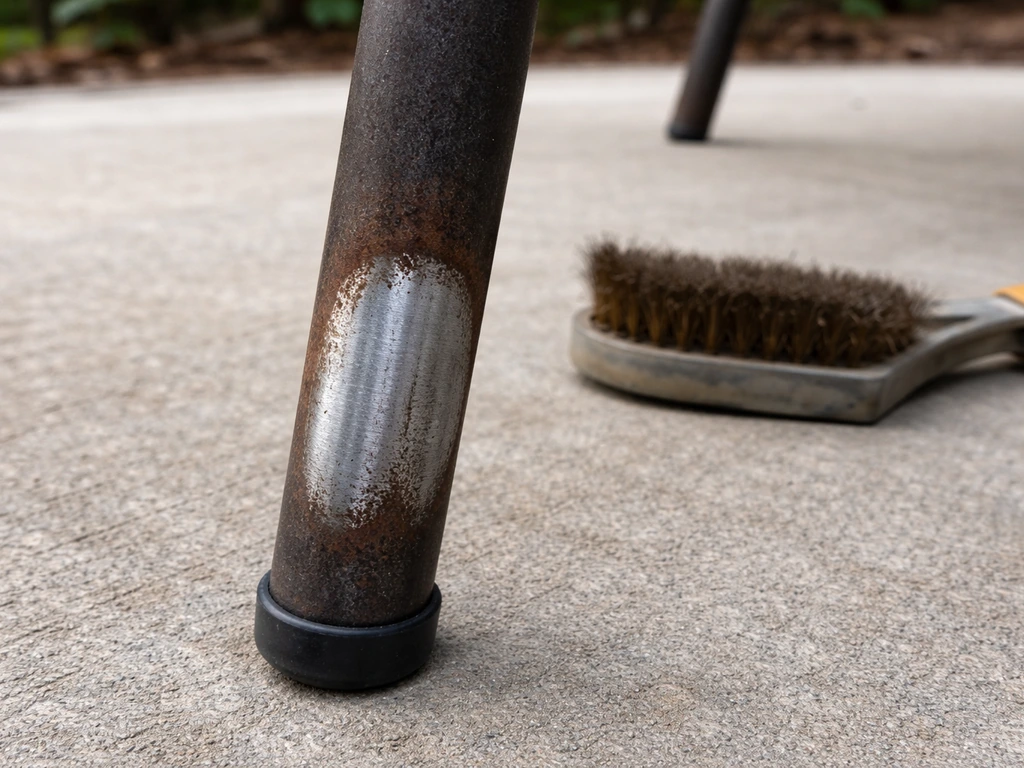
If you spot rust on metal frames, deal with it before covering. Start by scraping and wire-brushing off all loose rust and any flaking paint. For light surface rust, a coat of Rust-Oleum Stops Rust primer applied to the clean bare metal gives you a solid protective base. Then follow with a topcoat rated for outdoor metal. If the metal is just bare without rust, use Rust-Oleum's Clean Metal Primer, which is formulated for that specific situation and maximizes corrosion protection. After it's all dried and cured, apply a paste wax as a final barrier against moisture. Never skip the rust-removal step and go straight to wax or paint. You'll just seal the rust in and it'll eat through from underneath.
Prep wooden furniture for rain
Wood is the material that rewards prep the most. Wait until the wood is bone dry before applying any sealer or stain because product adhesion fails on wet wood. Once it's dry, a water-repellent sealer or clear exterior coating is your first line of defense. Plan to reapply a paint or stain finish roughly every two years. That schedule sounds frequent until you try to restore severely weathered teak or cedar, at which point two-year touchups start sounding pretty reasonable.
Handle cushions before they go under a cover
If cushions are staying on the furniture under a cover, make sure they're clean and fully dry first. Blot any excess moisture with a dry towel rather than rubbing, which pushes moisture deeper into the foam. If there are any mildew spots already forming, mix white vinegar and water 1:1, dab it on the affected area, and let it air dry completely in the sun before covering. Even Sunbrella and other mildew-resistant fabrics can grow mildew if dirt is sitting on the surface, so regular cleaning matters.
Storage strategies by furniture type
Not every piece of furniture needs the same level of protection. Some materials can handle being covered outdoors all season. Others really need to come inside. Here's how to think about it by material.
Metal furniture (steel, wrought iron, aluminum)
Steel and wrought iron are the most rain-sensitive metals because they rust aggressively. Wrought iron patio furniture needs the same breathable cover approach, plus primer and rust-prep steps before you shelter it from rain. For these, a breathable, well-fitted cover is the minimum standard. If you're in a very rainy climate or leaving them out over winter, moving them into a shed or garage is genuinely worth the effort. Aluminum is more forgiving since it doesn't rust, but it can still develop surface oxidation and pitting if left exposed without any protection. If you want to protect aluminum patio furniture, focus on preventing surface oxidation with proper cleaning, a rust-inhibiting primer on chips, and a breathable cover. For metal pieces in general, the combination of a rust-inhibiting primer touchup on any chips, a paste wax barrier, and a breathable cover is the full protection stack.
Wood furniture (teak, cedar, pine)
Wood's enemies are warping and splitting, both of which happen when moisture gets in and then dries unevenly. A sealed finish is your first defense. Teak produces natural oils that make it more water-resistant than most woods, but it still benefits from a sealer if you want to maintain the look. For pine or cheaper woods, sealing is non-negotiable. During heavy rain seasons, covering wood furniture with a breathable cover that keeps the worst rain off while still allowing the wood to breathe is the right move. If you have room indoors or in a shed, wood furniture is worth the effort to move inside for winter.
Wicker and rattan
Wicker and rattan are particularly vulnerable to mold and structural deterioration from trapped moisture. After any cleaning or rain exposure, air dry in a well-ventilated area. When storing, keep pieces upright in a dry, ventilated spot rather than stacking or sealing them in. A shed with vents is ideal. If you're leaving wicker outside under a cover, make sure the cover has ventilation at the base so air can move through. Sealed wicker equals mold, basically every time.
Plastic and resin furniture
Plastic and resin are the most rain-tolerant materials on this list. They won't rust or rot, but prolonged UV and rain exposure does fade, chalk, and eventually crack the surface. To protect patio furniture from sun, use a breathable, UV-treated cover and consider moving cushions indoors or using shade when possible. A cover when not in use dramatically extends the color and finish life. These pieces are also the easiest to move indoors since they're usually lightweight. If you have the storage space, stack resin chairs and bring them in. If not, even a basic weatherproof cover will do the job.
Cushions and upholstered pieces
Cushions should almost always come inside when rain is expected. If you want the best results, follow a simple cushion-specific routine before storms and after rain events cushions should almost always come inside. The foam core takes an extremely long time to dry after it's saturated, and that extended dampness is where mildew lives. When storing cushions off-season, dry them thoroughly first, then use breathable fabric storage bags. Do not seal cushions in airtight plastic bags because the trapped moisture that builds up inside creates exactly the mold and odor problem you're trying to avoid. Keep them off the floor in storage, ideally in a cool, dry location.
Seasonal maintenance and a repeatable protection plan
One-and-done protection doesn't exist with outdoor furniture. The good news is that a twice-a-year inspection habit catches almost every problem before it becomes expensive.
Spring: coming out of storage
- Inspect all covers for tears, worn seams, or failed waterproofing. Hold a cover up to light or spray it with water to check for leaks.
- Clean the furniture thoroughly before putting it back into rotation. Rinse off any residue from storage, scrub with mild soap, and rinse again.
- Check all metal pieces for new rust spots. Address any chips with primer and touch-up paint before the rainy season starts.
- Inspect wood for cracking, splitting, or peeling finish. Sand lightly and apply a fresh coat of sealer or stain if it's been two years since the last application.
- Check that all hardware is tight and all joints are solid.
- Wash and inspect cushions before bringing them back out. Air-dry completely before putting them on the furniture.
During the season: after rain events
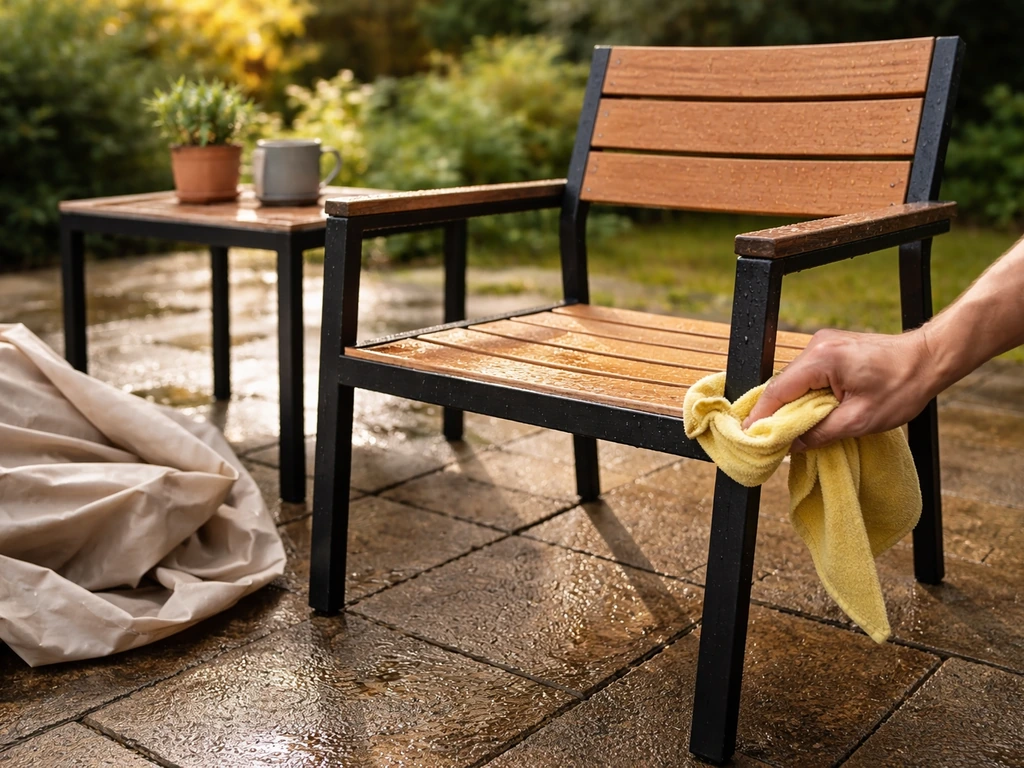
After significant rain, pull covers off and let the furniture air out in the sun for a few hours. Wipe down any moisture that collected on frames or in joints. This one step prevents the slow accumulation of moisture that leads to rust and mold. Also wash your covers periodically during the season because mold and dirt on the cover itself can transfer to the furniture underneath.
Fall: going into storage
- Do a full cleaning of all furniture and covers.
- Let everything dry completely, ideally 2+ hours in the sun.
- Touch up any rust spots, chips, or bare wood areas before storing.
- Apply a fresh coat of paste wax to metal pieces.
- Store cushions in breathable bags in a dry location.
- Fold and store covers in a dry place rather than leaving them on furniture through winter if you're moving pieces indoors.
Common mistakes and how to fix them
Most rain damage to patio furniture comes from a handful of very fixable mistakes. Here's what I see go wrong most often and what to do about each one.
Moisture trapped under the cover
This is the most common problem and it usually traces back to either a non-breathable cover, a cover that fits too tightly against the furniture with no airflow gap, or covering furniture that was already damp. Fix it by switching to a breathable cover material, making sure there's slight clearance at the base for air circulation, and always letting furniture dry before covering it. If you're in a high-humidity climate, this issue is even more pronounced, which makes breathable covers non-negotiable rather than just nice to have.
Mildew spots appearing on furniture or cushions
For fabric cushions, dab a 1:1 white vinegar and water solution on the affected spot, let it sit for a few minutes, then air-dry in full sun. For wicker or rattan, dry-brush visible mold outside first (so you're not spreading spores indoors), then apply the vinegar solution and air-dry. For hard surfaces like plastic or metal frames, a diluted bleach solution works well. After treating, figure out why the mildew appeared in the first place because treating symptoms without fixing the root cause (usually trapped moisture) just means you'll be doing this again next month.
Cover keeps blowing off
This is almost always a fit or fastening problem. Route straps from back to front underneath the furniture and buckle at the feet. If the cover doesn't have straps, add bungee cords behind the legs. If it's still blowing off, the cover is probably too large for the furniture. A properly fitted cover with good strap routing should stay put in moderate wind without any additional help.
Rust that keeps coming back
If you're painting or waxing over rust without fully removing it first, you're not fixing the problem. The rust continues spreading under the coating and eventually lifts it off from below. The fix is to commit to the full process: wire-brush or scrape down to clean metal, apply a rust-inhibiting primer, then topcoat, then wax. It takes more time but it's the only approach that actually stops the cycle. Wrought iron and steel need this treatment most urgently since they're the most rust-prone materials in the outdoor furniture world.
Covers stored wet or left on through winter without checking
Folding up a wet cover and stashing it in a bin is a great way to open a moldy surprise in spring. Always dry covers before storing. And if you're leaving covers on furniture through winter, plan to check underneath at least once mid-season. Debris accumulates, water pools in unexpected places, and small issues become big ones over a three-month stretch. That twice-a-year inspection habit mentioned earlier applies to the covers themselves, not just the furniture underneath.
If you want to go deeper on protecting specific materials, the approach for metal pieces (especially wrought iron and aluminum) has its own nuances worth understanding, and cushion protection deserves its own dedicated routine separate from what the frames need. The core habit is the same across all of them though: clean, dry, cover properly, and check twice a year. That's genuinely most of the battle.
FAQ
Can I use a standard tarp to protect patio furniture from rain?
It's risky. Tarps are usually non-breathable, so they trap condensation, which can accelerate rust and mildew under the fabric. If you must cover quickly, use a breathable cover whenever possible and avoid leaving a tarp on for days in high humidity.
How tight should the cover be, should it touch the furniture?
Aim for snug but not jammed. The goal is slight clearance at the base for airflow, so avoid covers that are stretched tight against seats and frames, since that can create seam stress and reduce drying.
What should I do if rain is about to start and I cannot dry the furniture first?
If you have only minutes, prioritize removing cushions first, then wipe away visible wet debris and get the cover on. After the storm passes, pull the cover off and dry in the sun, because covering damp furniture is what turns a short wetting event into mildew growth.
Do I need to wash the cover itself, or is it okay if it stays dirty all season?
Wash it. Dirt and organic debris on the cover can transfer to the furniture when it gets wet again. A simple periodic rinse during the season reduces that transfer, especially with breathable covers.
Is it better to cover metal furniture immediately before rain, or after the storm?
Cover before rain if you can, but only once the metal is dry and any loose rust or flaking paint has been addressed. After a significant rain, remove the cover for a few hours so trapped moisture does not keep working on edges and joints.
How often should I inspect straps, buckles, or bungee cords?
Check them at least twice a year, mid-season and before the rainy period, and also after strong winds. UV and stretching loosen fasteners, which can create gaps that funnel water underneath.
Should I keep cushions on the furniture under a cover during steady rain?
Usually no. Foam takes a long time to dry, so cushions staying out under a cover tend to stay damp. If you cannot bring them in, lay them to prevent pooling and make sure the cover has airflow at the base, then dry them as soon as the rain stops.
What’s the safest way to dry cushions after a rain event?
Air-dry fully in open sunlight if possible, and blot rather than rub to avoid pushing moisture deeper into the foam. If you notice mildew spots, treat those areas before placing cushions back under any cover.
How do I know whether my cover is causing condensation?
Look for water beads and dampness under the cover on humid days, especially if the furniture surface feels wetter than expected after the rain. That’s a sign the cover is likely too non-breathable or too tight, and switching to breathable fabric usually fixes it.
Can I leave wood furniture outside under a breathable cover during winter?
In many climates, yes with prep, but it depends on how wet your winter gets. Ensure the wood is bone dry before sealing, use a breathable cover, and consider moving it into a shed or garage if your area experiences long, frequent soaking rains.
What about wicker or rattan, should it be stored upright under a cover or stacked?
Keep wicker upright and avoid stacking or sealing it airtight. Even with a cover, trapped moisture promotes mold, so choose a ventilated storage spot, and if left outside, ensure ventilation at the base.
For resin or plastic furniture, do I still need to clean before covering?
Yes. Rain can carry dirt into crevices under the cover, and grime can promote surface staining. Do a quick wipe after visible debris, then cover with a breathable, UV-treated option to reduce fading and chalking.
How should I handle already rusted metal before the next rainy season?
Remove loose rust first, then prime with a rust-inhibiting primer, topcoat, and only after everything cures apply a moisture barrier like paste wax. Avoid coating over flaky rust, it continues spreading underneath and can lift the finish later.
What is the best quick routine after a storm to prevent long-term damage?
Pull covers off, air out the furniture for a few hours, wipe pooled moisture from frames and joints, and check for damp spots that linger. If mildew is starting, treat promptly before covering again.