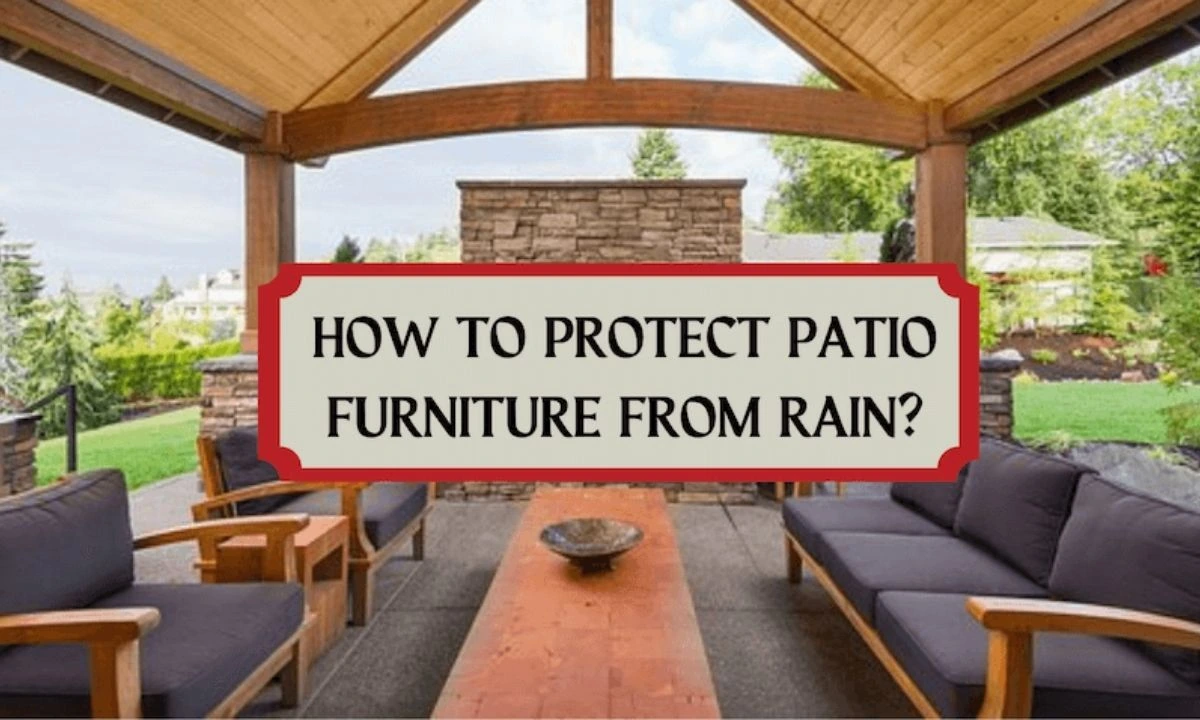
The best way to protect patio furniture is to match your protection method to your material and your biggest threat. Clean the furniture first, apply the right sealant or protectant for the material (wood gets a penetrating sealer or spar urethane, metal gets wax or rust-inhibiting paint, cushions get a fabric protector like Sunbrella Fabric Protector), then cover it with a breathable, well-fitting cover when it's not in use. For aluminum patio furniture, using the right sealant and cover strategy helps prevent corrosion and water damage. That combination handles most of the damage that shortens the life of outdoor pieces: UV fading, moisture, mildew, rust, and just plain grime. p0s3 how to protect patio furniture from sun. Everything below breaks that down by material and season so you know exactly what to do this weekend.
How to Protect Patio Furniture: DIY Steps by Material
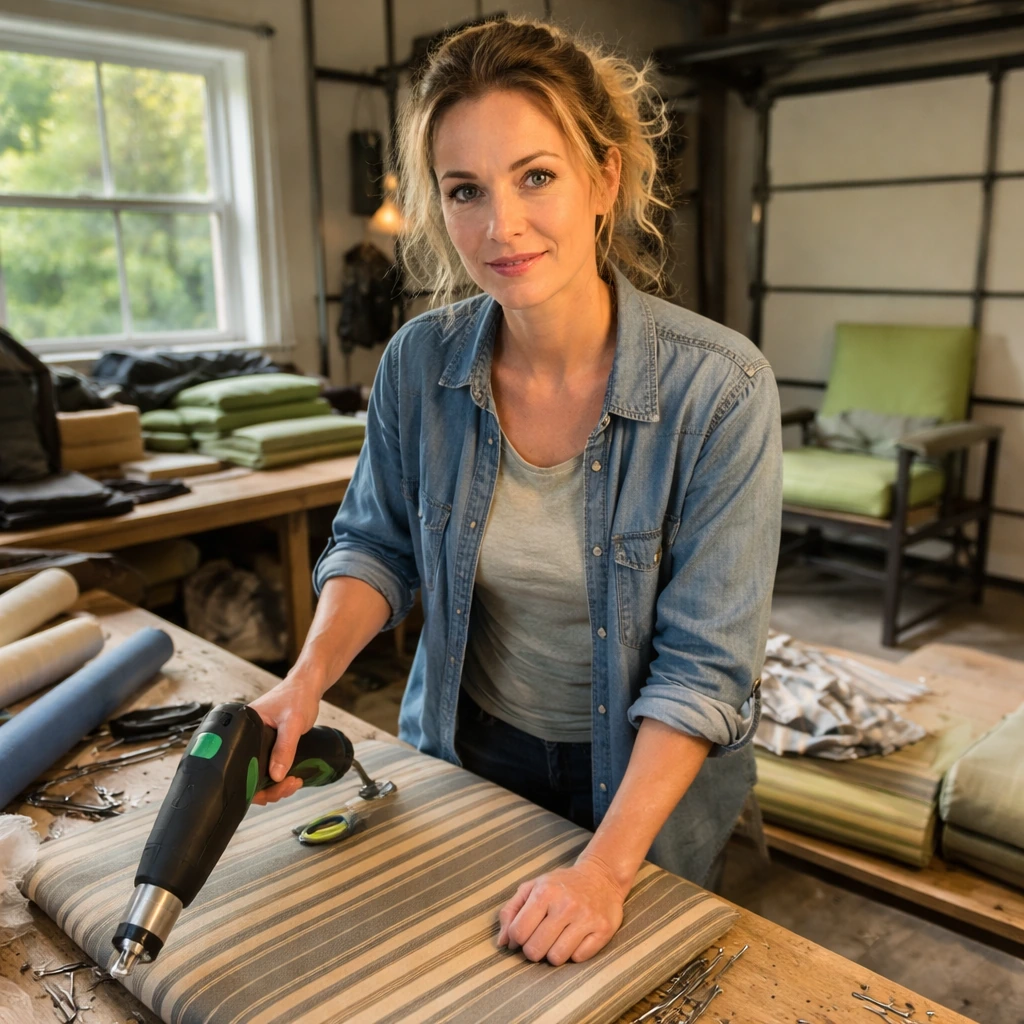
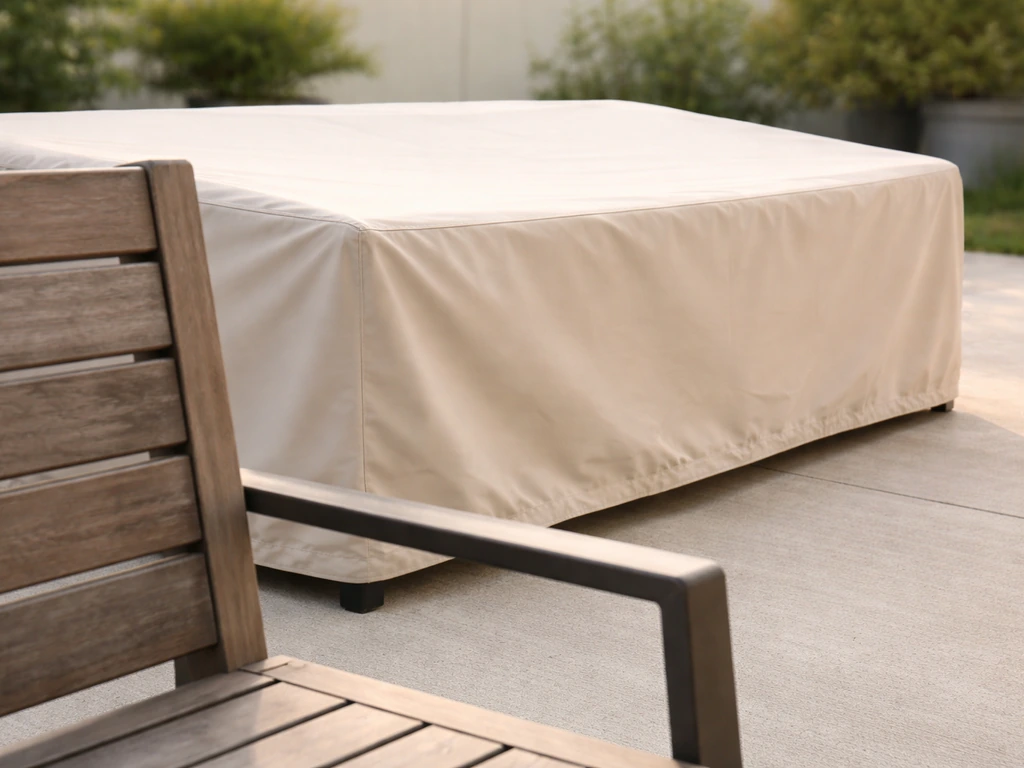
Figure out what's actually damaging your furniture first
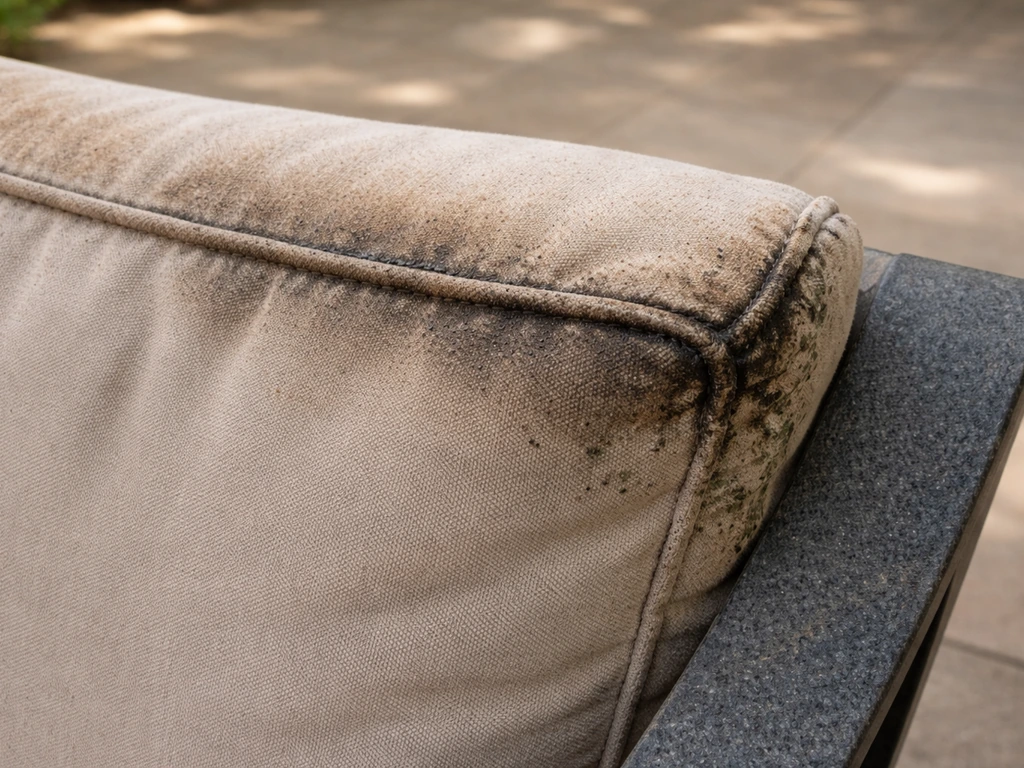
Before you buy a single product, spend five minutes doing a quick inspection. Different enemies call for different defenses, and it's easy to waste money treating the wrong problem. Here's what each type of damage looks like and what it usually means.
| Damage type | What it looks like | Main cause | Priority fix |
|---|---|---|---|
| Sun fading/cracking | Bleached color, chalky surface, surface cracks | UV radiation | UV-blocking sealant or fabric protector |
| Water damage/warping | Swollen wood, bubbling finish, soft spots | Rain soaking in | Waterproofing sealant, better drainage/cover |
| Mildew/mold | Black or green spots, musty smell | Trapped moisture + poor airflow | Deep clean, dry thoroughly, breathable cover |
| Rust | Flaky orange-brown patches on metal | Moisture + bare metal exposure | Sand, prime, touch up, wax or sealant |
| Dirt and grime buildup | Grimy surface, discolored crevices | Outdoor exposure without cleaning | Regular rinse and mild soap cleaning |
| Cushion wear/mildew | Flat foam, faded or spotted fabric | UV + moisture + dirt accumulation | Fabric protector, proper drying, storage |
If you're seeing multiple problems at once, that usually means the furniture has been going without any protection for at least one full season. Don't panic. Almost everything on this list is reversible if you catch it before the damage goes structural (rotted wood through and through, or rust eating a joint completely). Start with cleaning no matter what, because every other fix depends on a clean surface.
The core protection strategy: covers, placement, airflow, and cleaning
Good protection comes down to four habits, and honestly you can get 80% of the benefit just by doing these consistently.
Use the right cover (and use it correctly)
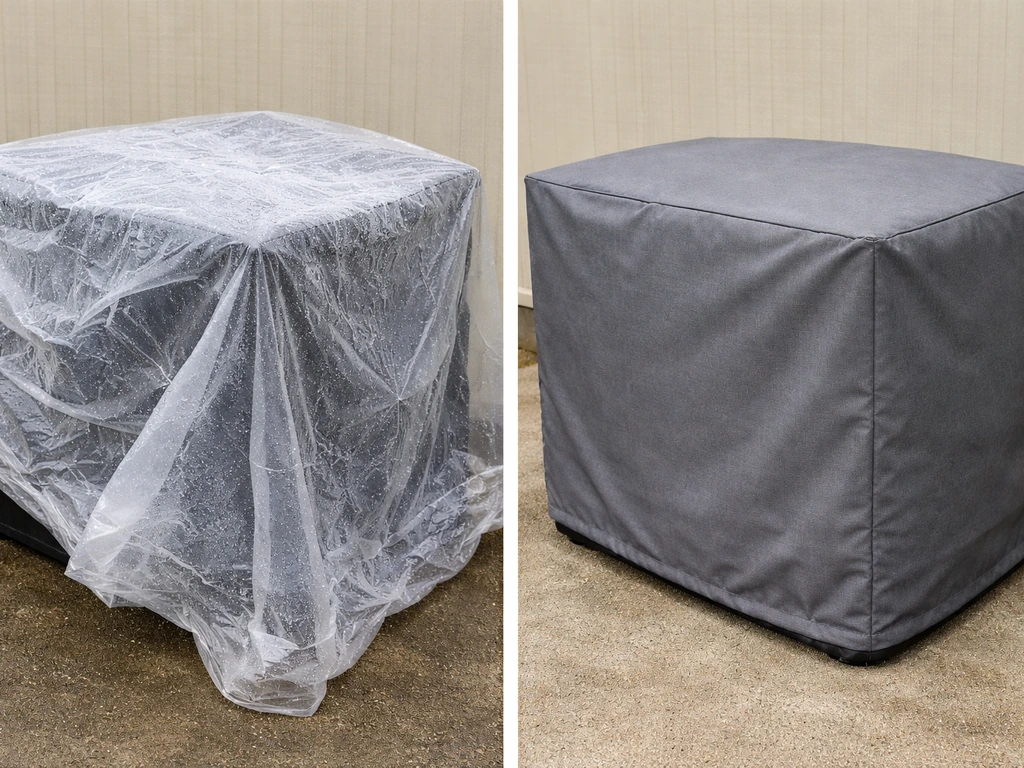
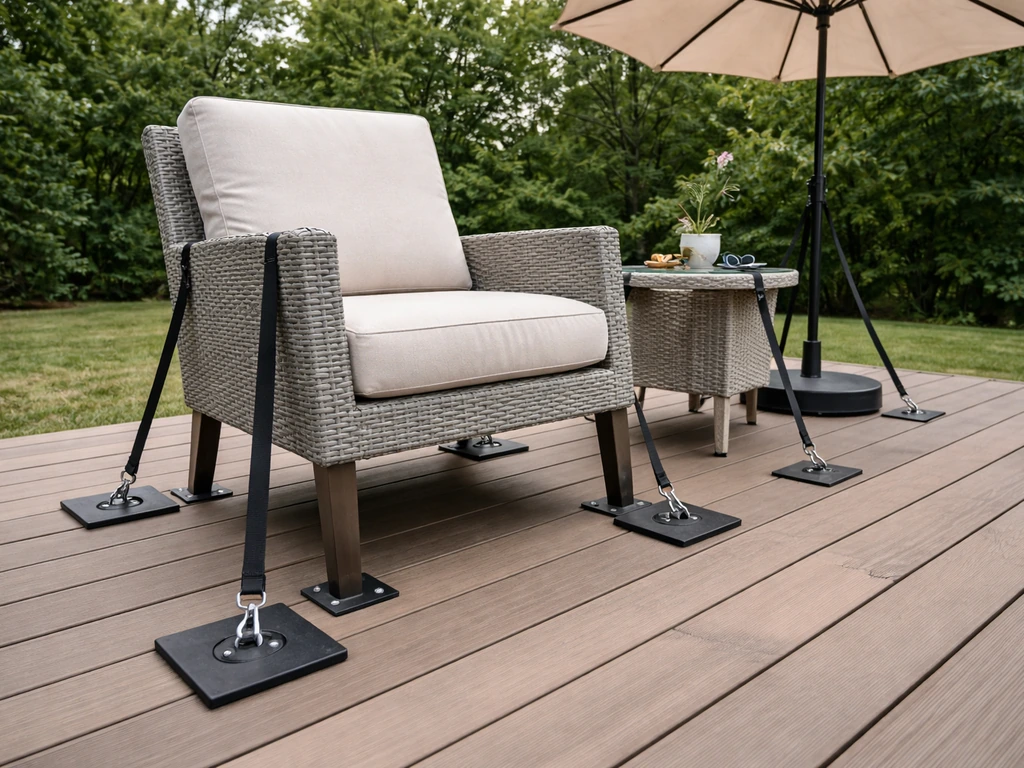
A cover only helps if it fits well and breathes. A loose, non-breathable tarp is almost as bad as no cover at all. Here's why: warm, moisture-filled air gets trapped underneath, hits the cooler furniture surface, condenses into droplets, and creates the exact wet environment that mildew loves. Look for covers that are labeled breathable, have ventilation flaps or mesh panels, and include securing straps or ties under the furniture. A snug, anchored cover with airflow will protect against rain without creating a mildew sauna.
- Choose covers made from breathable, water-resistant fabric, not solid vinyl or plastic tarps
- Use securing straps that buckle under the front of the furniture so the cover doesn't blow off or billow
- Lift the cover and air things out after rain or at least every few days in humid weather
- Never cover furniture that's still damp; let it air dry first or you're sealing moisture in
Placement and airflow matter more than most people realize
Shaded, low-airflow spots (think the corner between two walls or under a dense tree) stay damp far longer than open areas. If your patio set lives in one of those spots, consider moving it somewhere with better air circulation, or at minimum, make sure you're lifting covers regularly. Raising furniture slightly off the ground, even with simple felt pads or rubber feet, helps water drain away from the bottom rather than pooling.
Routine cleaning is the most underrated protection
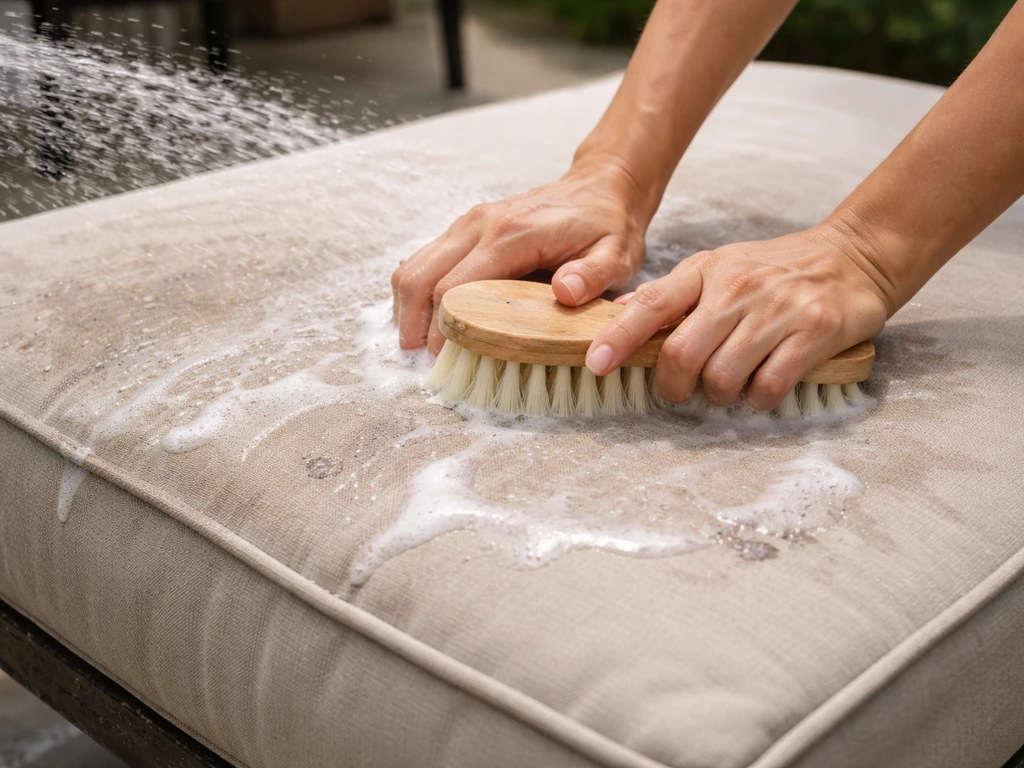
Mold and mildew grow on dirt and organic matter sitting on the surface, even when the fabric or material itself doesn't technically promote mold growth. A quick rinse every couple of weeks and a more thorough soap-and-water scrub monthly during the season goes a long way. If something gets wet and can't dry properly, the EPA's guidance is clear: dry it completely within 24 to 48 hours and mold won't get a foothold. That clock starts the moment something gets soaked, so don't let wet cushions or damp wood sit.
How to protect wooden patio furniture
Wood is the most high-maintenance patio material, but it's also the most rewarding to take care of because a well-maintained wood set can last decades. The goal is to keep moisture from soaking in, UV from bleaching the surface, and the finish from peeling. Here's the full process.
Step 1: Clean the wood thoroughly
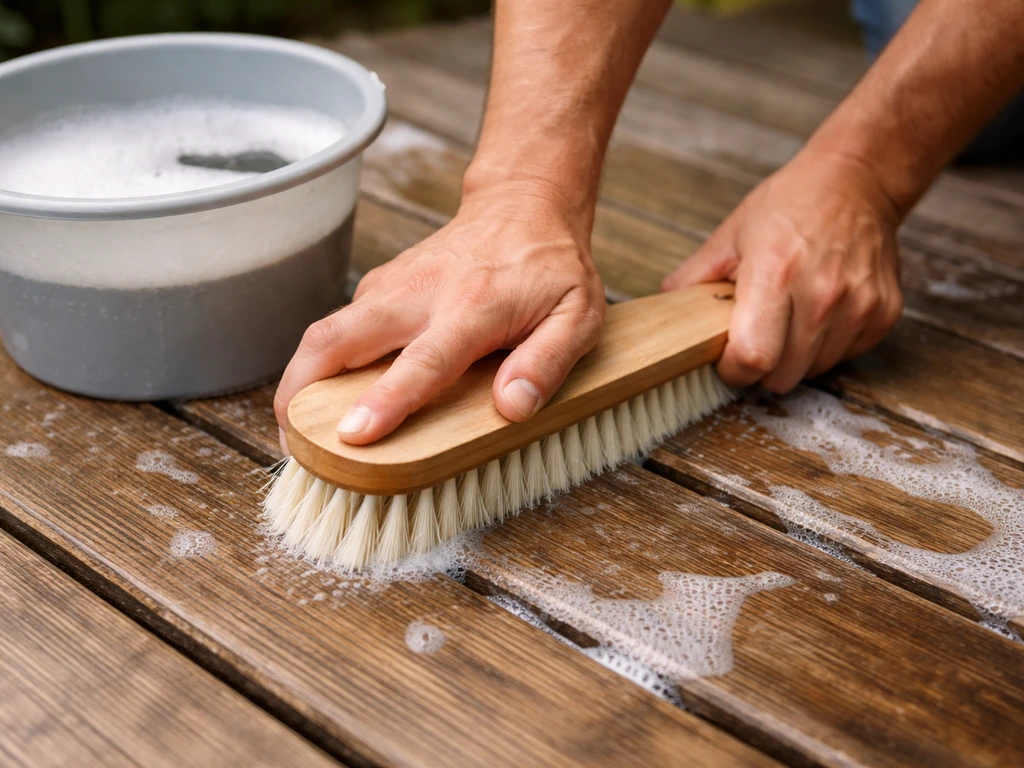
Before you apply anything, the wood has to be clean and dry. Mix a mild dish soap with warm water and scrub the entire surface with a stiff-bristle brush. For mildew stains, add a small amount of white vinegar or use a dedicated wood cleaner. Rinse thoroughly with clean water and let the furniture dry completely, at least 24 to 48 hours in decent weather. This step is the one people skip, and it wrecks the results. Sealer or stain applied over a dirty or damp surface won't bond properly and will peel or bubble within a season.
Step 2: Sand if needed
If the surface has old peeling finish, rough patches, or gray weathered wood, sand it before sealing. Use 80-grit to remove old flaking finish or serious roughness, then 120-grit to smooth, then 220-grit for a final pass before applying your product. Wipe away all dust with a tack cloth or damp rag (then let it dry again). If the wood just looks slightly weathered but isn't rough or peeling, a light scuff with 120-grit is enough to help the new product bond.
Step 3: Choose the right product for your wood type
This is where most people get confused. There are three main product categories, and which one you pick depends on the wood species and the look you want.
| Product type | Best for | Finish look | Reapply frequency |
|---|---|---|---|
| Clear waterproofing sealer (e.g., Thompson's WaterSeal) | Pine, cedar, pressure-treated wood | Natural/clear, shows the wood grain | Every 2–3 years depending on weather |
| Penetrating stain + sealer (e.g., Ready Seal) | Cedar, pine, fir, most softwoods | Adds color while protecting | Every 2 years on horizontal surfaces, 3–4 years on vertical |
| Spar urethane (e.g., Minwax Helmsman) | Any wood needing a hard, glossy coat; good for humid climates | Gloss or semi-gloss film finish | Every 2–3 years; spot-touch as needed |
| Teak sealer (e.g., Country Casual Golden Sealer) | Teak only | Preserves golden/honey color | Annually or as needed |
A note on teak specifically: teak will naturally silver-gray over time if left untreated, and many people actually like that look. If you want to preserve the golden color, clean the teak first and apply a teak-specific sealer annually. If you're fine with the silver patina, just keep it clean and it will hold up on its own better than most woods.
Step 4: Apply the product correctly
Use a natural-bristle brush, foam applicator, or cloth depending on the product's instructions. Work with the wood grain, not against it. Apply thin, even coats rather than one thick coat. Most penetrating sealers and stains need two coats; let the first coat absorb and dry fully before applying the second. Pay special attention to end grain, open joints, and the undersides of horizontal surfaces since those are the spots moisture attacks first. Minwax specifically calls out sealing open joints and end grain on unfinished wood because those areas absorb water fastest.
Step 5: Cure and dry times
Most sealers are touch-dry in a few hours but need at least 24 to 48 hours before the furniture should be used, and longer before it gets rained on. Check the product label, but as a rule: don't rush this. Curing in a shaded, dry spot out of direct sun gives the best results. And if you're doing a maintenance recoat (not a full strip-and-refinish), Ready Seal recommends making sure the wood is completely dry after cleaning before you apply the maintenance coat since the rinse adds moisture that needs to fully leave the wood.
Maintenance schedule for wood
- Every month (in season): rinse with water and mild soap, inspect for soft spots or peeling
- Every season: check horizontal surfaces (tabletops, seat slats) for wear and re-oil/touch up if needed
- Every 2 years: reapply a penetrating sealer or stain to horizontal surfaces
- Every 3–4 years: reapply to vertical surfaces (legs, chair backs)
- Teak only: reapply teak sealer every 1 year if maintaining golden color
Protecting metal, wicker, plastic, and cushions
Wood gets the longest treatment because it's the most involved, but the other materials have their own needs. Here's a practical rundown of each.
Metal furniture (aluminum, wrought iron, steel)
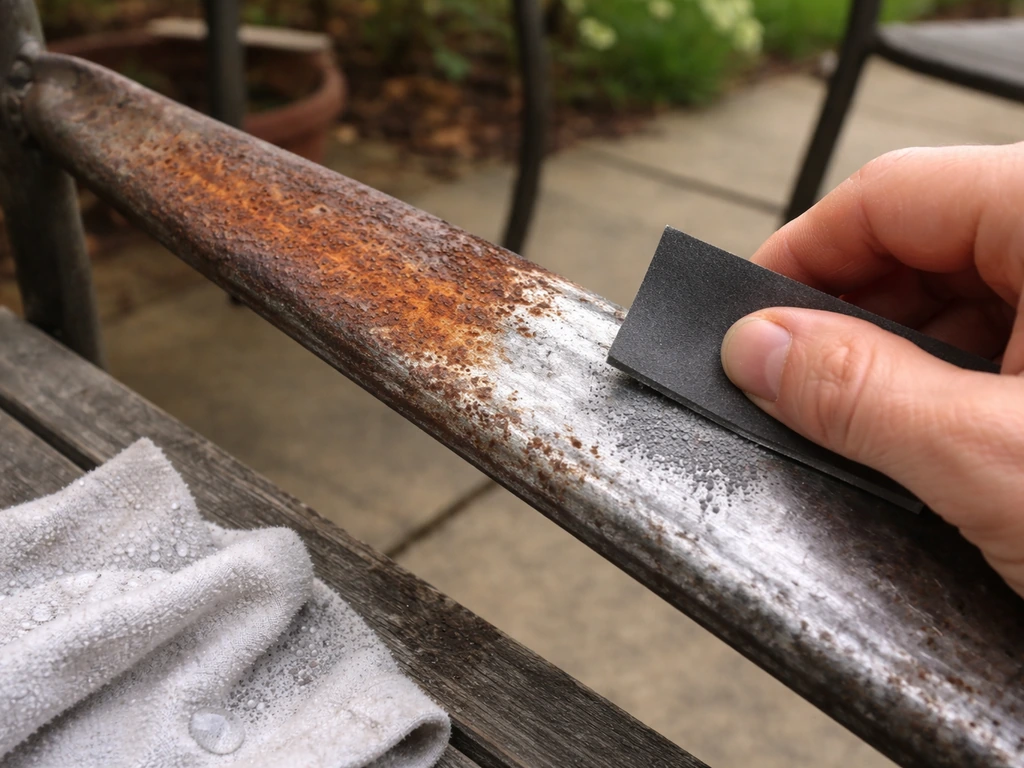
Metal's enemy is rust, and rust starts the moment bare metal gets exposed to moisture. Metal patio furniture should also be protected with rust prevention and the right protective finish, then covered properly when it's not in use protect metal patio furniture. Aluminum is naturally corrosion-resistant and needs the least maintenance of the metals, but wrought iron and steel need more attention. For all metal furniture, do a yearly check for chips, scratches, or flaking spots where the protective finish has worn away. Touch those up immediately with a rust-inhibiting spray paint or primer before rust takes hold. For iron and steel, apply a coat of paste wax (the same stuff you'd use on a car) after cleaning to add a moisture barrier. If rust is already showing, sand or wire-brush the flaking area down to bare metal, apply a rust converter or rust-inhibiting primer, and then repaint. Leaving even a small rust spot unchecked means it spreads under the finish and you end up with a much bigger problem.
Wicker and rattan
Natural wicker and rattan are not great for wet climates without protection. The fibers absorb moisture and crack or rot. If your set is natural wicker, apply a coat of spray-on lacquer or exterior furniture oil to seal the fibers, and always cover or bring it inside before rain. Synthetic resin wicker (the kind most patio sets have today) is much more water-tolerant, but UV still fades and brittles the resin over time. For synthetic wicker, clean it regularly, dry it well, and use a UV-protective spray or furniture wax once a season. Avoid pressure washing either type since the force can snap or loosen the weave.
Plastic and resin furniture
Plastic is the easiest to maintain but still fades and chalks from UV exposure. Wash it with mild soap and water, then apply a plastic-specific UV protectant spray or a coat of car wax to slow fading. For chalky or dull surfaces, a plastic restorer product (widely available at auto parts stores) can bring back some of the original color. Plastic won't rust or rot, but it becomes brittle with enough UV damage, so the protectant step is worth doing once a season.
Outdoor cushions and fabric
Cushions need two things: a good fabric and good habits. Solution-dyed acrylic fabrics (Sunbrella is the most common) are inherently fade-resistant, water-resistant, and don't promote mildew growth on their own. But dirt and organic matter that accumulates on the surface absolutely can grow mold even on mildew-resistant fabric, so regular cleaning still matters. After cleaning, rinse thoroughly and let cushions air dry completely standing on their side so water doesn't pool in the seams. Once a year, apply a fabric protector designed for outdoor use (Sunbrella Fabric Protector is the go-to) to a clean, dry surface to repel water and dirt. A good fabric protector is a key step, but you can also protect patio furniture cushions by using smart cover habits and keeping them properly dry how to protect patio furniture cushions. Bring cushions inside or store them in a waterproof bin before major storms and for the winter.
Seasonal routine and storage plan
The biggest maintenance mistake is treating patio furniture protection as a one-time event. It's actually a rhythm that changes a little with each season. Here's a realistic schedule.
Spring startup
- Pull furniture out of storage and inspect for any damage that happened over winter (cracked wood, rust spots, mildew, broken joints)
- Clean everything thoroughly with mild soap and water; let dry completely
- Sand and re-seal or re-stain any wood surfaces that look worn, faded, or bare
- Touch up any rust spots on metal before they spread
- Apply fabric protector to clean, dry cushions
- Check that cover straps and fasteners are in good shape and replace if worn
In-season routine
- Rinse with water every 1–2 weeks to knock off pollen, dirt, and debris
- Do a full soap-and-water scrub every 4–6 weeks
- Cover furniture when not in use for more than a day or two, especially during humid stretches
- After any heavy rain, check under covers for moisture and lift/air out if needed; anything wet should dry within 48 hours
- Bring cushions inside or stack in a waterproof bin during prolonged rain or storms
Before storms
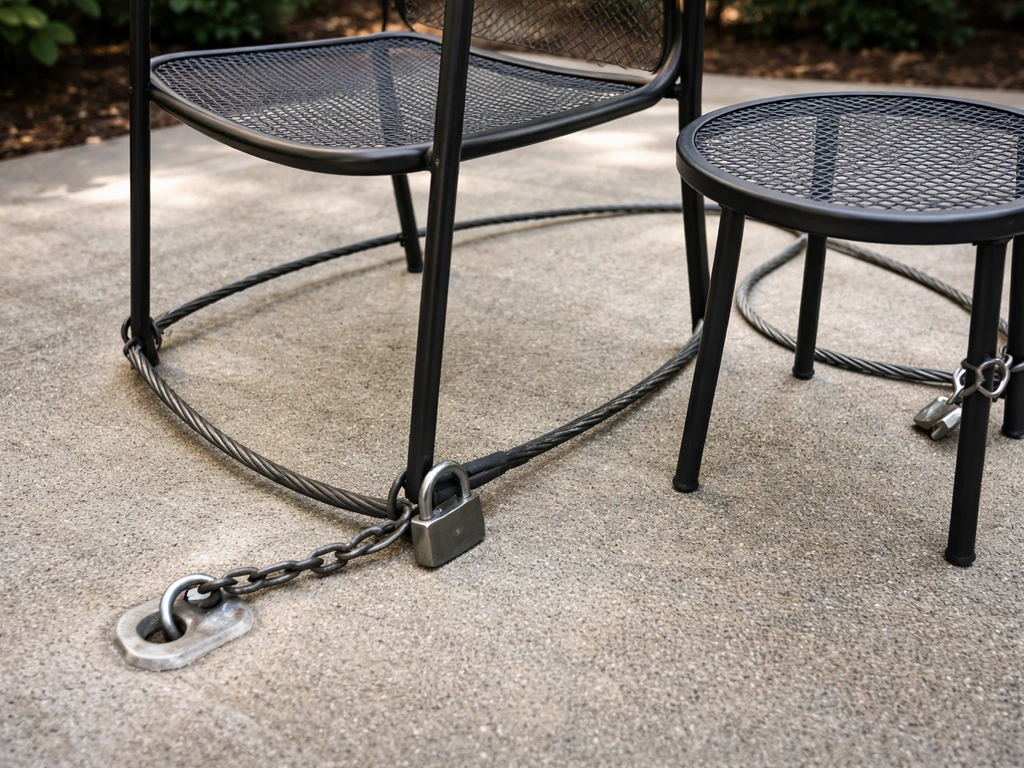
When a serious storm is coming, covers alone aren't enough. Move lightweight furniture inside, fold and store chairs, and bring all cushions indoors. For heavier pieces that stay outside, make sure covers are tightly secured. Wind-blown furniture is a real hazard and causes damage that's hard to reverse, so it's worth taking the extra 20 minutes.
Winterizing and off-season storage
- Clean and fully dry every piece before storage; do not cover or store anything damp
- Apply a maintenance coat of sealer or protectant to wood surfaces that are approaching their recoat window
- Store cushions indoors in a dry space; a large breathable storage bag or a clean bin works well
- For furniture stored outdoors under covers, make sure covers are fitted, anchored, and breathable; check on them every few weeks
- For furniture stored in a garage or shed, stack chairs and fold tables to save space; put felt pads between stacked pieces to prevent scratching
- In spring, air everything out for a day before putting covers back in use to release any stored moisture
Common mistakes and how to fix them
Using a non-breathable cover (or the wrong size)
This is the most common mistake I see, and it usually makes things worse. A tight plastic tarp traps moisture against the furniture surface. The warm air underneath cools at night, condenses, and suddenly you have a mildew factory. Fix it by switching to a cover with ventilation features, and if you're in a humid climate, lift the cover's edges a few inches periodically to let air circulate.
Sealing over a dirty or damp surface
Sealer or stain applied over dirt, mildew, or a damp surface won't cure properly. It'll look okay for a few weeks, then start peeling, bubbling, or going blotchy. There's no shortcut here: clean it, let it fully dry (at least 24 to 48 hours, longer in humid weather), and then apply your product. If you've already made this mistake and the finish is failing, strip it back to bare wood, clean, dry, and start over.
Ignoring small rust spots on metal
Rust spreads under the finish where you can't see it. By the time it looks like a small chip, it's often bigger underneath. Address it immediately: use a wire brush or sandpaper to get down to clean metal, apply a rust converter if the corrosion is more than surface-level, prime with a rust-inhibiting primer, and repaint to match. Doing this once a year as part of your spring inspection keeps small problems from becoming structural ones.
Leaving wet cushions under a cover
If rain soaks your cushions and you put the cover back on right away, you're setting up a mildew problem. Pull the cushions out, stand them on their side so water can drain, and let them air dry completely before bringing the cover back. EPA guidance is clear that drying wet materials within 48 hours prevents mold from forming, so keep that window in mind.
What to do when spots already look worn or damaged
Gray weathered wood doesn't mean the furniture is ruined. Clean it, apply a wood brightener (an oxalic-acid-based product available at most hardware stores) to neutralize the gray, let it dry fully, and then apply fresh sealer or stain. For cushions with worn or faded spots on solution-dyed acrylic fabric, the color is built into the fiber and won't come back fully, but a good cleaning and fabric protector application will help. For small tears or worn seams, a curved needle and UV-resistant outdoor thread can handle most repairs before you'd need to consider recovering the cushion entirely.
What to do this weekend
If you want to make real progress right now, here's the short version of your to-do list based on material.
- Wood: Clean, dry 48 hours, lightly sand if needed, apply a penetrating sealer or spar urethane (two coats), let cure before use
- Metal: Scrub clean, check for rust, touch up any bare spots with rust-inhibiting primer and paint, apply paste wax once dry
- Wicker/rattan: Clean gently, apply UV-protective spray or exterior wax, cover when not in use
- Plastic: Wash, apply UV protectant or car wax, use a plastic restorer if the surface is already chalky
- Cushions: Wash, rinse fully, air dry completely on their side, apply Sunbrella Fabric Protector or equivalent once dry
- All furniture: Invest in properly fitted, breathable covers and commit to lifting them after rain to check for trapped moisture
Protection isn't a one-day project, but one solid weekend of cleaning, sealing, and covering gets you most of the way there. Build the seasonal habits on top of that and your furniture will last years longer than the pieces that just sit outside uncovered and unloved. Each material has its own deeper dive worth knowing, and if you're dealing with specific problems like rain damage on cushions, sun fading, or tackling an aluminum or wrought iron set specifically, those are topics worth exploring in detail on their own.
FAQ
How soon after cleaning should I apply a sealer or fabric protector on patio furniture?
Plan on waiting until the surface is fully dry to the touch and has no cool damp spots. For wood and many sealers, that typically means at least 24 to 48 hours in decent weather (longer if it is humid). For cushions, make sure they air-dry completely, especially in the seams, then apply protector only to a clean, dry surface to prevent peeling or blotchy coverage.
What’s the safest way to choose a patio cover if I’m worried about mildew?
Choose a breathable, well-fitting cover with ventilation panels or mesh sections and straps or ties that keep it snug. Avoid non-breathable plastic tarps because they can trap warm, moisture-filled air under the cover, leading to condensation and mildew. If your climate is humid, consider lifting the cover edges slightly at intervals to increase airflow.
Can I use the same protectant on different materials, like wood and aluminum?
No. Protectants are formulated for specific material needs, such as penetrating sealers for wood and protective coatings or waxes for metal. Using the wrong product can fail to bond or can trap moisture against a surface, accelerating damage. When in doubt, use a product labeled for the furniture’s exact material (or the closest category, such as “outdoor wood sealer” vs “metal rust inhibitor paint”).
How do I protect patio furniture stored in a garage or shed over the winter?
Don’t just cover it, also plan for drying before storage. Clean and dry fully, then store with some air circulation, ideally off bare concrete and away from walls where moisture accumulates. If you live in a very damp area, consider placing a moisture absorber in the storage space and check periodically to make sure nothing is staying damp.
Is it okay to leave furniture uncovered during dry spells if it’s shaded?
Even in shade, dirt and organic debris can hold moisture against surfaces, and some damage still happens from UV exposure, air-borne grime, and periodic fog or condensation. Shade mainly reduces sun fading, but it does not replace cleaning, seasonal sealing or re-treating, and proper cover habits when the weather turns wet.
What should I do if my wood sealer starts peeling or bubbling after application?
Peeling usually indicates the surface wasn’t clean enough or wasn’t dry enough when the product was applied. The fix is not to spot-coat, generally. Strip back failing areas to clean, dry wood, scrub and rinse if needed, dry fully (again, often 24 to 48 hours or longer depending on humidity), then reapply the correct product in thin, even coats.
How can I tell whether a rust spot on metal is just surface rust or something deeper?
If rust is just a small surface discoloration, sanding to clean metal may stop it. If the area is flaking, pitted, or the protective finish has been compromised around a joint, treat it as more than superficial corrosion. In practice, remove flaking material down to clean metal, then use a rust converter or rust-inhibiting primer before repainting.
Can I pressure wash wicker or resin wicker to remove mildew?
Avoid pressure washing both natural wicker and resin wicker. The high force can snap fibers, loosen the weave, or drive water into areas that then dry slowly. Use gentle cleaning methods instead, and for natural wicker, prioritize sealing and thorough drying before covering or storing.
What’s the best way to dry cushions after a rainstorm to prevent mildew?
Remove cushions and let them air-dry completely before covering them again. Stand them on their side so water can drain from the seams, and keep them where airflow can reach the interior. If they stay damp longer than about 24 to 48 hours, mildew risk increases, so plan to check and rotate drying positions if needed.
Do I need to reapply fabric protector every season, even on solution-dyed acrylic?
Yes, plan for an annual reapplication as part of your seasonal rhythm. Solution-dyed acrylic resists fade and mildew growth on its own, but protective performance can wear off, and surface dirt can still promote mildew if cushions stay dirty or damp. Apply protector only after cleaning and complete drying to get consistent water and dirt repellency.
How should I handle aluminum patio furniture if I see white spots or corrosion?
Clean the area thoroughly first, then inspect how widespread it is. Aluminum is corrosion-resistant, but white spotting or pitting can mean the protective barrier has been compromised by abrasion or trapped moisture. If the damage is localized, you may be able to remove corrosion and apply an appropriate protective finish, then improve cover fit and ventilation to prevent repeat moisture buildup.
What’s the biggest mistake people make that actually makes protection worse?
Using a tight plastic tarp or non-breathable cover that traps moisture. Condensation can form overnight and create wet conditions that mildew thrives on. The better approach is a breathable cover that fits well, is secured against wind, and includes airflow features like vents or mesh panels.