The most effective way to stop patio chairs from sinking into grass is to spread the load across a larger surface area. Chair legs concentrate all the weight onto a few tiny points, and soft or wet grass soil simply can't take it. The fix is either putting something wide and firm under the legs (pavers, deck tiles, a plywood platform), swapping the leg feet for wider glides, or improving the ground itself through compaction and drainage. Which route you take depends on your chair type, how bad the sinking is, and whether you want a quick patch or a permanent solution.
How to Keep Patio Chairs From Sinking Into Grass
Maren Grady
21 Jun 2026
Why patio chairs keep sinking into grass
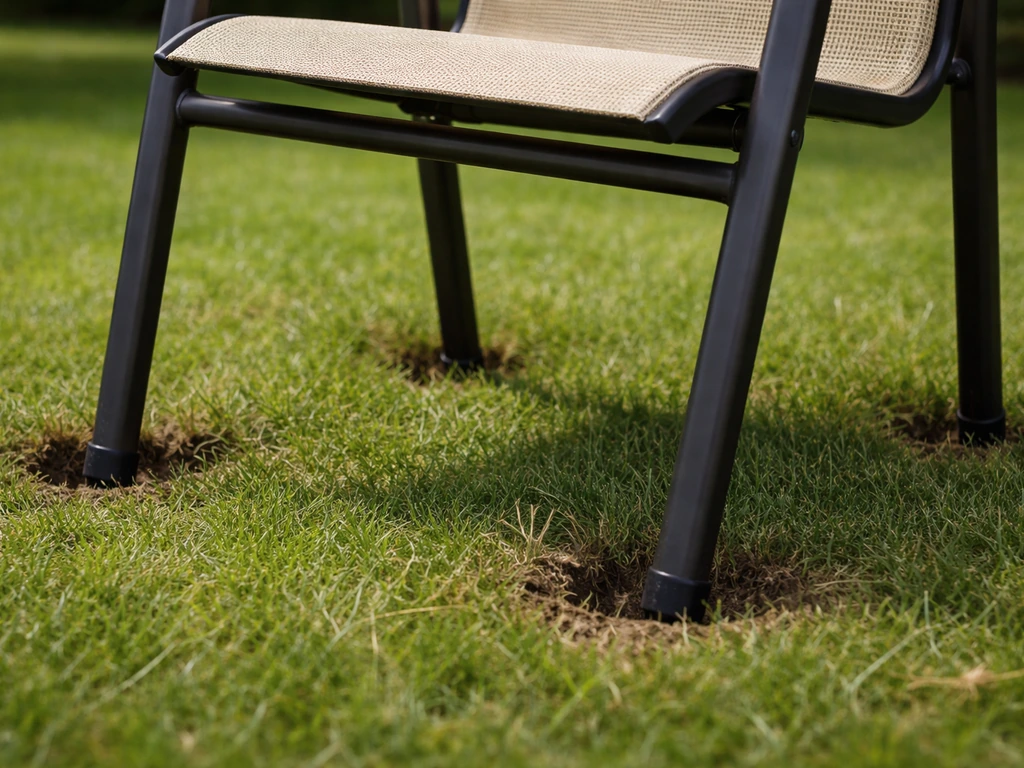
The physics here are simple: every pound of chair-plus-person weight has to go somewhere. When four narrow legs are the only thing touching the ground, all that force concentrates into a few square inches. Sandy or loamy soil, which makes up most backyard lawns, just isn't dense enough to resist that kind of point pressure, especially once it gets wet. After a rain, the grass roots are saturated, the soil surface softens, and those legs punch right through like tent stakes.
There are a few specific causes worth knowing. First, loose or poorly compacted soil has a lot of air pore space, and that space collapses under a concentrated load. Second, clay-heavy soil holds water and stays soft long after a storm. Third, freeze-thaw cycles are brutal: moisture expands as it freezes and heaves the ground up, then when it thaws, the soil loses a huge amount of its load-bearing capacity. If you've noticed your chairs shift position over winter or sink lower every spring, that's exactly what's happening. Fourth, slopes and low spots in your yard create drainage problems that keep the soil perpetually damp, which makes sinking a recurring problem rather than an occasional one.
Chair design also plays a role. Folding chairs with thin tubular legs have the worst footprint-to-weight ratio. Heavy cast-aluminum or teak dining chairs are even more problematic because they're both heavy and have a relatively small base. Wide-base lounge chairs and Adirondacks actually do a little better on their own because the weight spreads over runners or wide legs, but they still sink once the ground gets soft enough.
Quick fixes you can do today
If you've got people coming over tonight and your chairs are currently halfway into the lawn, here's what you can do right now with stuff you probably already have or can grab from a hardware store in 20 minutes.
Rubber or plastic leg caps
Pick up a pack of wide rubber furniture leg caps or plastic glides (usually $5 to $10 at any hardware store). They slip over the existing feet and immediately increase the contact area. This isn't a permanent fix for truly soft ground, but it makes a meaningful difference on firm-ish grass. Measure your leg diameter before you go so you grab the right size.
Temporary ground pads and tiles
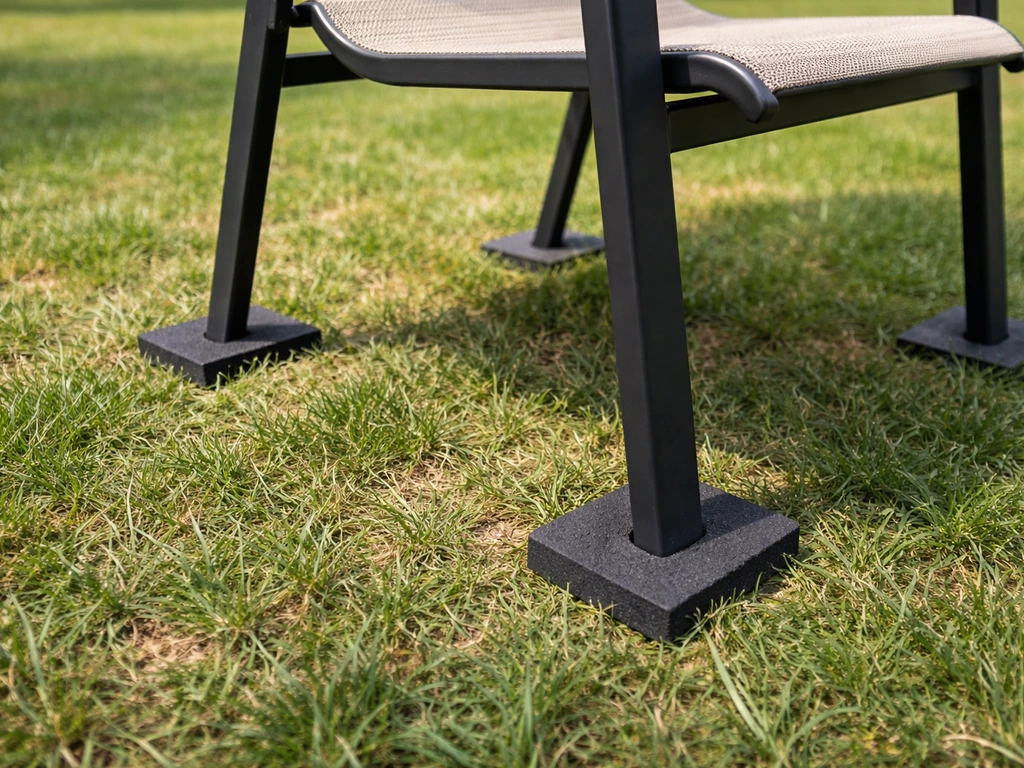
Snap-together rubber or foam interlocking tiles (like the kind sold for gyms or playgrounds) work surprisingly well as a temporary surface. Lay a few tiles under your seating area and the legs have something firm to sit on. They're cheap, easy to store, and you can pull them up after the party. Eva foam tiles run about $1 to $2 per square foot. They're not beautiful, but for a temporary fix they're hard to beat.
Scrap plywood or boards
A piece of 3/4-inch plywood cut to roughly the size of your chair's footprint works immediately. Lay it flat on the grass and set the chair on top. The board distributes the load across its entire surface area instead of four small points. Yes, it looks rough, but it works perfectly for emergencies or one-off events. A half-sheet of 3/4-inch plywood (4x4 feet) is about $15 and you can cut it to size with a circular saw or even a hand saw.
Brick or stepping stone pairs
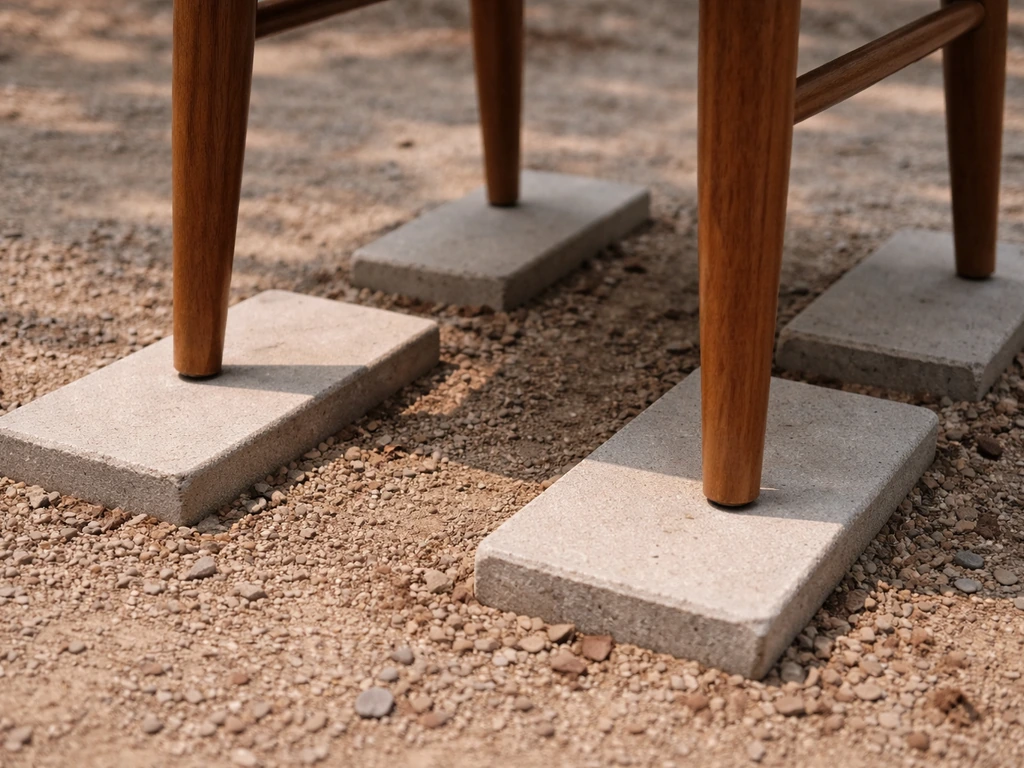
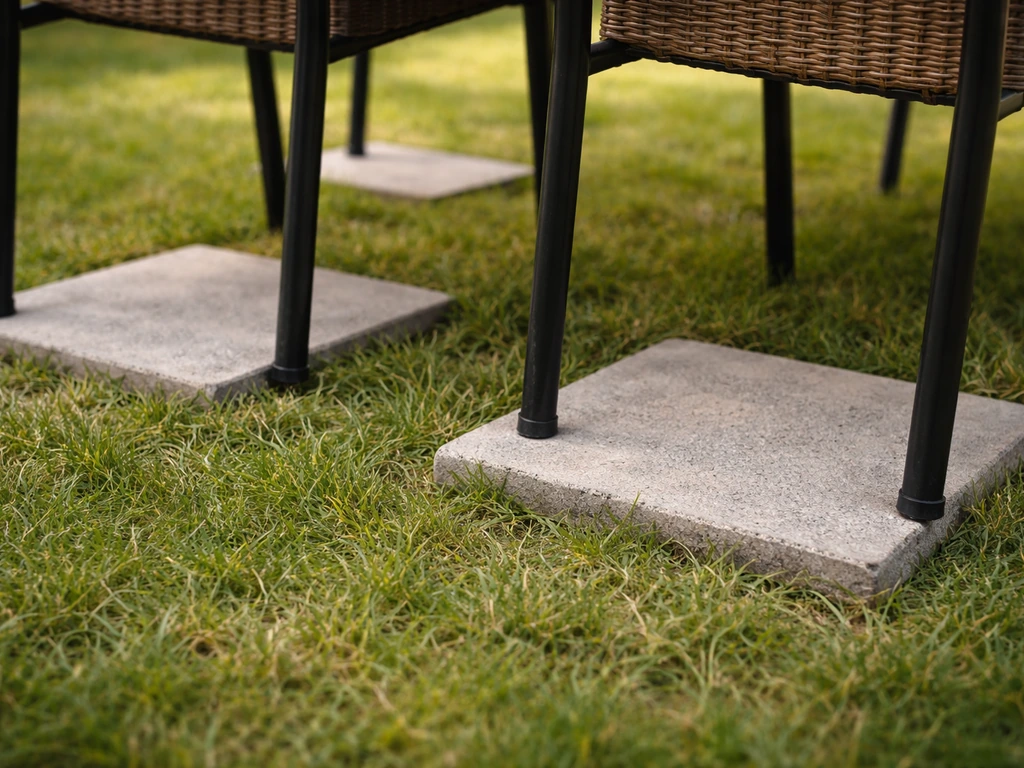
If your chair has four defined legs, you can slide a flat brick or concrete stepping stone under each leg. This works best if the ground is somewhat level. The key is to place them so the leg sits in the center of the stone, not near an edge where it can rock. A standard 16x16-inch concrete paver costs about $3 to $5 and is available at any home improvement store. This is the fastest semi-permanent option for a dining chair.
The best permanent options: mats, stepping stones, and paver bases
If you're tired of pulling chairs out of the lawn every weekend, it's time to set up something that stays put. The three most popular permanent options are outdoor rugs or patio mats, individual stepping stones under each leg, and a full paver base under the whole seating area.
Outdoor rugs and patio mats designed for grass
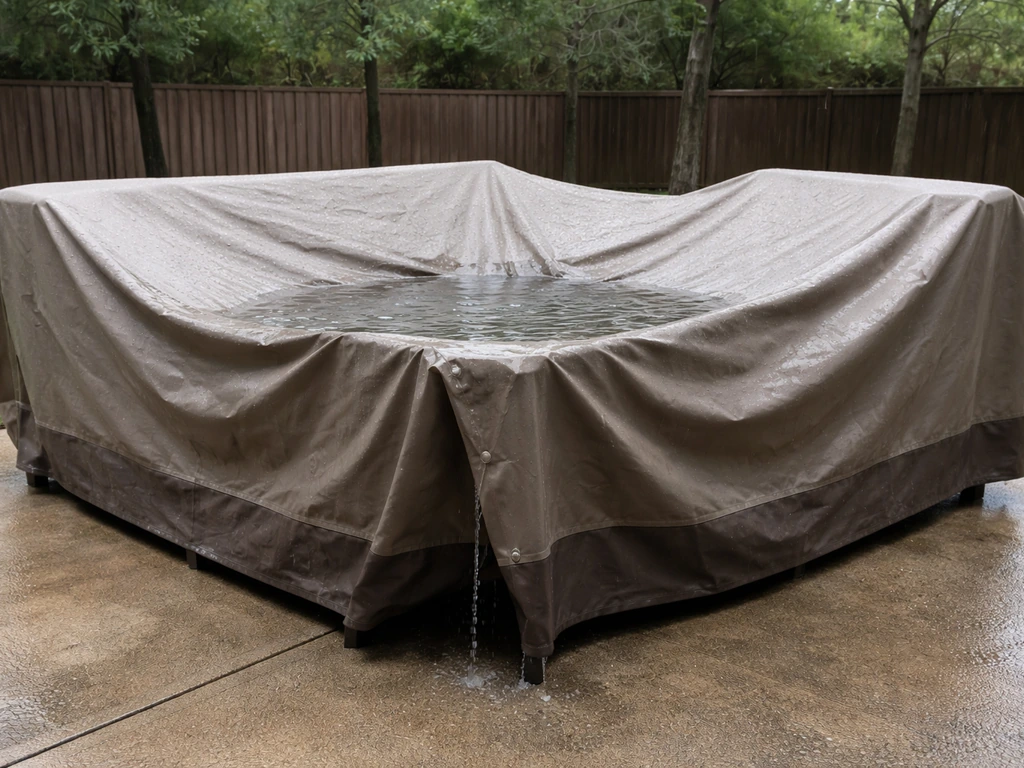
Look specifically for permeable outdoor rugs, sometimes marketed as 'reversible outdoor mats' or 'patio rugs for grass. ' The important feature is an open or mesh-backed design that lets water drain through rather than pool on top. Look for a cover that sheds water and drains quickly so it does not collect on top of the fabric or seams lets water drain through rather than pool on top. .
A solid-backed rug will kill your grass and stay soggy after rain. Good permeable options include polypropylene weave rugs and EZ Floor-style grass-friendly mats. Sizes typically run from 5x7 feet up to 9x12 feet. Budget around $40 to $120 depending on size.
These work well under a full dining set but less well for just a couple of lounge chairs because the rug still shifts unless you anchor it with stakes or heavy pavers at the corners.
Individual stepping stones
For dining chairs especially, placing one 16x16-inch or 18x18-inch concrete paver under each leg set is a clean and effective solution. Dig out about an inch of sod, level the ground, add a thin layer of sand (roughly half an inch), and set the paver. The sand layer lets you fine-tune leveling. This setup will last years without sinking or shifting because you've removed the soft top layer and given the paver a firm, even bed.
If your patio furniture keeps shifting on soft ground, a level paver base or properly installed stepping stones will keep it from moving and rocking how to keep patio furniture from moving. Cost for a 4-chair dining set: roughly $20 to $30 total for 8 to 16 pavers depending on the chair configuration.
A full paver base under the seating area
This is the most permanent and professional-looking solution. You're essentially building a small patio pad. Remove the sod, excavate 4 to 6 inches, add a layer of crushed gravel (2 to 3 inches), compact it with a hand tamper or plate compactor, add 1 inch of sand, and then lay your pavers or concrete slabs. A 10x12-foot area (enough for a 4-chair dining set) costs roughly $150 to $400 depending on paver material and whether you rent a plate compactor. This is a half-day to full-day project for one person. The payoff: you never deal with sinking again, and it looks like a proper outdoor room.
| Option | Cost (approx.) | Difficulty | How long it lasts | Best for |
|---|---|---|---|---|
| Rubber leg caps | $5–$10 | Very easy | 1–2 seasons | Light chairs, firm ground |
| Interlocking foam/rubber tiles | $15–$40 | Very easy | 1–3 seasons | Temporary or occasional use |
| Permeable outdoor rug | $40–$120 | Easy | 2–4 seasons | Full dining sets, flat ground |
| Individual pavers under legs | $20–$30 | Easy–moderate | 5+ years | Dining chairs, defined leg positions |
| Full paver base | $150–$400 | Moderate | 10–20+ years | Heavy furniture, frequent use areas |
DIY load-distribution platforms and raised supports
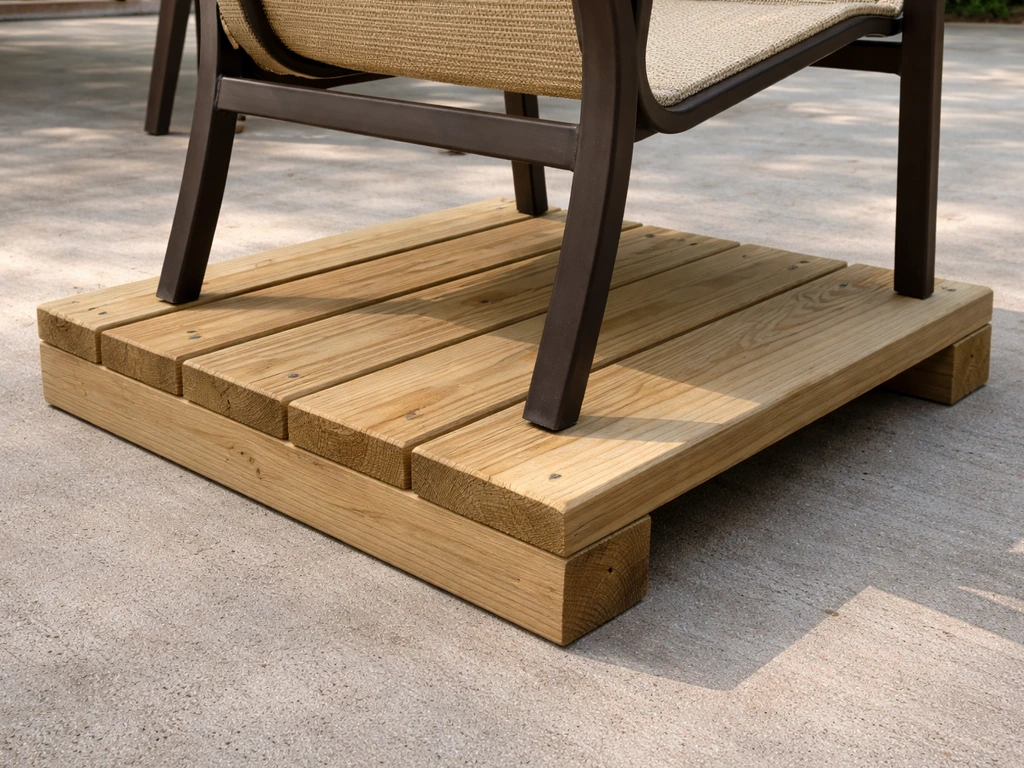
If you want something more substantial than a rug but less permanent than a full paver job, building a simple load-distribution platform is a great middle ground. I've done this with a handful of setups and it works really well for heavy cast-aluminum dining chairs and lounge chairs on soft ground.
2x4 or 2x6 frame platform
Build a simple rectangular frame from pressure-treated 2x4s or 2x6s. Cut four pieces to form the perimeter, add a center crosspiece for chairs heavier than 50 pounds, and screw everything together with 3-inch exterior screws. The frame sits flat on the grass and gives the chair legs a solid wooden surface to rest on. For a standard patio dining chair with a 20x20-inch footprint, a 24x24-inch frame is ideal, leaving a 2-inch margin on each side.
If you want it to look nicer, add deck boards across the top to create a small wooden platform. Pressure-treated 2x4s cost about $3 to $5 each, so a single chair platform runs $10 to $20 in materials. One important note: drill a few 1-inch drainage holes through any solid decking boards so water doesn't pool underneath and rot the wood.
Snap-together deck tiles
Composite or hardwood snap-together deck tiles (often called floating deck tiles) are a fantastic semi-permanent option. They're typically 12x12 inches, click together, and sit directly on grass. A 4x4-foot arrangement (16 tiles) supports a chair comfortably and distributes weight across the entire surface. They're more attractive than plywood and easier to store than a built frame. Wood composite tiles run about $2 to $4 per tile, so a single-chair setup costs $30 to $65. These are also reusable and easy to move seasonally.
How to measure for any platform
Measure the widest point of your chair's footprint in both directions, then add 4 inches to each dimension. That margin ensures a leg won't sit right at the platform edge and tip. For a lounge chair with a 28x60-inch footprint, you'd want a platform at least 32x64 inches. For a folding camp-style chair, even a 20x20-inch platform makes a huge difference. Err larger rather than smaller, the platform material is cheap, and a bigger surface means more stability.
Upgrading chair legs and feet to prevent sinking and shifting
Sometimes the fastest long-term fix is upgrading what's actually touching the ground. Most outdoor chairs come with minimal rubber tips or bare metal ends, and those tiny contact points are your whole problem. Here's what works best by chair type.
Wide flat glides for metal chairs
For tubular aluminum or steel chairs (the most common type), wide-base furniture glides are your best upgrade. Look for ones with a flat circular or square base at least 1.5 inches in diameter, made from hard plastic or rubber. They screw into or press-fit over the existing tube end. A set of 8 glides (for 2 chairs) costs $8 to $15. For even better results, look for 'wide-flange' outdoor glides with a 2- to 3-inch diameter base. These are harder to find in stores but easy to get online.
Furniture cups and saucers
Furniture cups, sometimes called caster cups or furniture coasters, are wide shallow discs designed to sit under furniture legs. You can get plastic or rubber ones for outdoor use, and they typically range from 2 to 4 inches in diameter. Drop one under each chair leg and you've immediately multiplied the contact area several times. They're not secured to the chair, so they work best on relatively level ground where the chair won't shift around and kick them out.
Adjustable leveling feet
For chairs with threaded inserts or removable feet, adjustable leveling feet are a great upgrade. They have a wide flat base plate (usually 2 to 3 inches wide) and a threaded post that screws in to adjust height. This is especially useful if your ground is uneven, because you can level each leg independently. These run $15 to $30 for a set of four and are common for outdoor furniture with standard 5/16-inch or M8 threaded sockets.
What to do with Adirondack and sled-base chairs
Adirondack chairs and chairs with wide wooden runners actually have decent ground contact already. Their issue is usually the front legs sinking while the runners stay put, creating a tilt. For these, a full platform (even just a piece of 3/4-inch plywood cut to the chair's footprint) is better than individual leg upgrades because the runner design needs even support across the whole base.
Site prep: leveling, drainage, and soil compaction
No leg upgrade or surface treatment will hold up long-term if the ground underneath is fundamentally problematic. If your chairs sink back into the lawn within a day of you fixing them, or if you have a persistently wet low spot, the ground itself needs attention. This section is for people dealing with repeat sinking or soggy areas.
Compacting and leveling soft spots
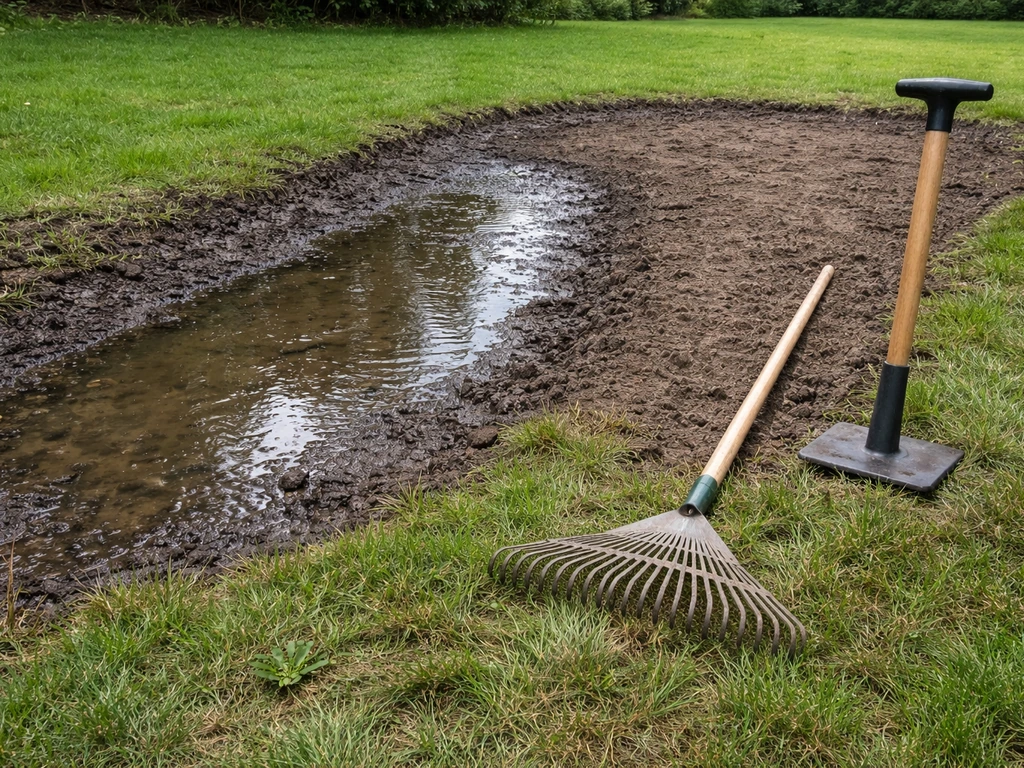
Soft, loose topsoil can be improved significantly with basic compaction. For a small area (say, 100 square feet or less), a hand tamper (a heavy steel plate on a stick, about $30 to $40) does the job. Lightly dampen the soil first, then tamp in a grid pattern. You're not trying to destroy the soil structure, just reduce excess pore space in the top few inches. After tamping, add a thin top dressing of coarse sand or decomposed granite (half an inch to an inch) and tamp again. This gives the surface better load-bearing capacity. One thing to know: heavily compacted soil drains poorly, which can make waterlogging worse after rain. Aim for firm-but-not-brick compaction.
Fixing drainage and wet spots
If you've got a low spot that stays wet after every rain, compaction alone won't help, because the water table in that area is just too high. A few options: first, build up the grade slightly by adding topsoil and compost to raise the low area above the surrounding lawn. A 2- to 4-inch rise eliminates most standing-water issues.
Second, for more serious drainage problems, dig a narrow trench and install a French drain (perforated pipe wrapped in landscape fabric, buried in gravel) to redirect water away from the seating area. This is a half-day project but solves persistent wet-ground problems for good. Third, if you're planning to install pavers anyway, the gravel base layer itself acts as a reservoir and drainage buffer, solving both the load-bearing and drainage problems at once.
Seasonal care: after rain, frost, and when grass grows
After heavy rain, give the ground 24 to 48 hours to firm up before placing heavy chairs on bare grass if you can help it. Saturated soil has dramatically reduced load-bearing capacity, and you'll create deep ruts that are hard to repair. If you're using pavers or platforms, this isn't an issue because the load is already distributed. [Freeze-thaw cycles in winter and spring are especially rough](https://pavementinteractive.
org/reference-desk/design/design-parameters/frost-action/): water trapped in soil expands as it freezes, then when it thaws, the soil can end up looser and weaker than before winter. During thaw, water can be trapped above frozen soil, and clay can lose much of its load-bearing capacity even without major heave [Freeze-thaw cycles in winter and spring](https://www. fhwa. dot.
gov/engineering/geotech/pubs/05037/07c. cfm). After a thaw, check that your pavers or platform are still level, re-tamp any areas that have heaved, and re-check the sand bed under any paver installations. Grass growth under platforms can also slowly raise and tilt supports over time.
In spring, pull up any platforms or tiles, mow underneath, and reset them. This only takes a few minutes and keeps everything level.
Picking the right solution for your chair type and yard
Here's the honest decision guide. Match your situation to one of these scenarios and go with that recommendation. You don't need to overthink it.
| Your situation | Best solution |
|---|---|
| Occasional use, portable chairs, occasional soft ground | Wide rubber leg caps + stepping stones under each leg |
| Dining set used 3+ times a week on soft lawn | Individual 16x16 pavers under each leg or permeable outdoor rug |
| Heavy cast-aluminum or teak furniture, frequent use | Full paver base with compacted gravel bed |
| Lounge chairs or Adirondacks on uneven ground | Pressure-treated 2x4 platform or snap-together deck tiles |
| Folding/camp-style chairs at outdoor events | Interlocking rubber or foam tiles, stored between uses |
| Persistently wet or low-lying area | Drainage fix first (grade raise or French drain), then pavers |
| Budget under $20 per chair, today's fix | Scrap plywood platform or wide plastic furniture cups |
Troubleshooting when your fix isn't working
If you've tried something and the chairs are still sinking or the supports are moving around, run through this checklist before giving up or spending more money.
- Support too small: The platform or paver isn't covering the full footprint of the chair. Measure the widest point and make sure your support extends at least 2 inches beyond each leg. A paver that only fits under one leg is almost useless.
- Legs settling into gaps: If you're using multiple separate pavers or tiles, a leg is probably landing in the gap between them. Switch to a single solid platform or overlap the tiles slightly so there are no gaps in the support zone.
- Uneven placement: One low corner will cause the whole chair to rock and eventually walk off the support. Use a 4-foot level when setting pavers or platforms and adjust the sand bed until it's flat.
- Wrong material for wet conditions: Foam tiles compress under weight when wet. Rubber compresses less, and concrete or wood compresses almost not at all. If you're in a wet area, switch to pavers or pressure-treated wood.
- Support sliding on a slope: On any grade greater than about 5 degrees, flat platforms will creep downhill over time. Either install them with landscape stakes to anchor them, or level the area first before setting the support.
- Grass pushing up unevenly: Grass doesn't stop growing under a platform. If one side gets more sun and grows faster, it will tilt the platform. Pull it up each season, trim the grass, and reset it level.
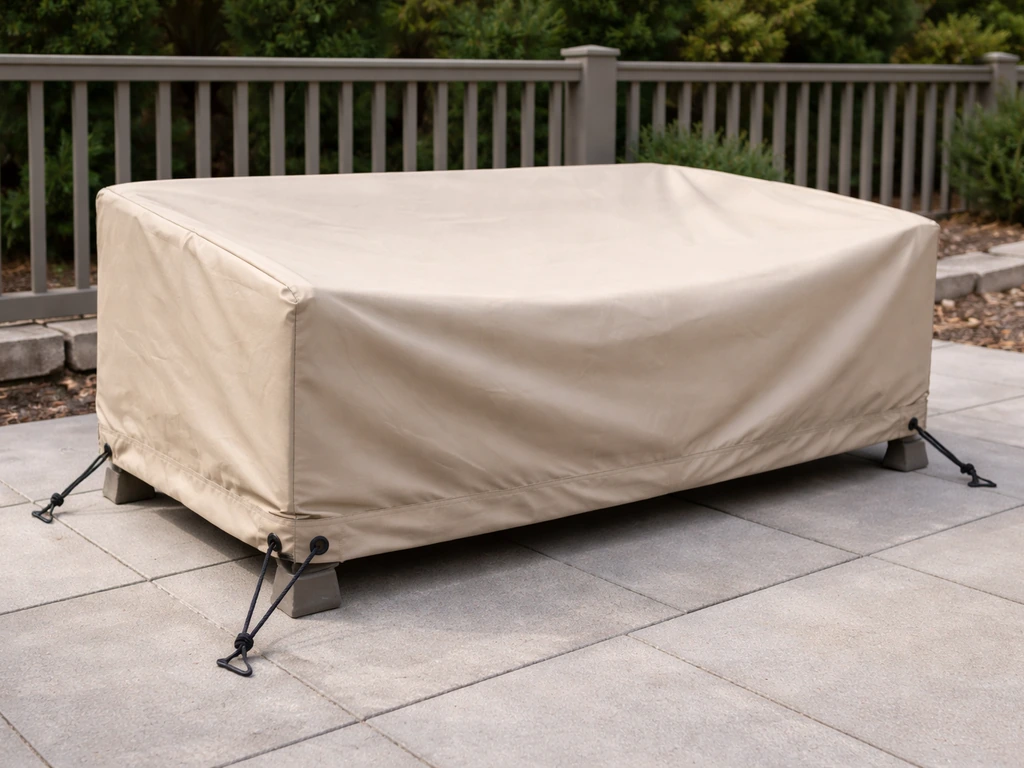
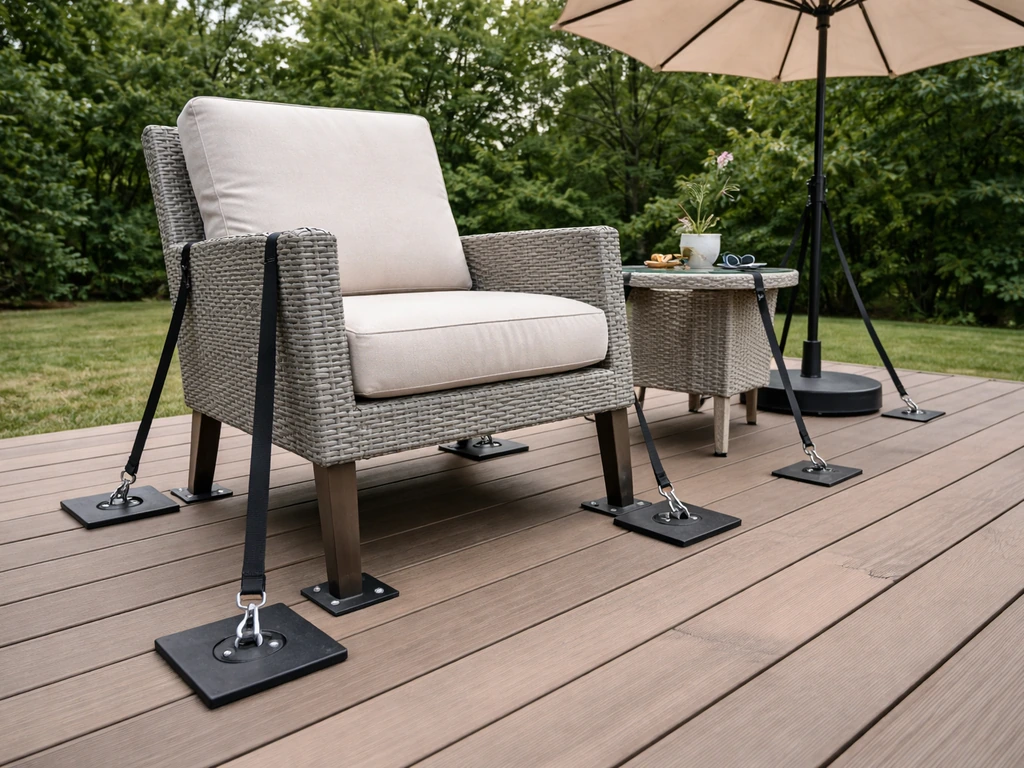
One last thing worth knowing: the sinking problem and the sliding problem are related but different. If your chairs are staying level but moving across the yard on their own, that's a sliding or shifting issue rather than a sinking one, and the fix is different (non-slip surface treatments or furniture anchors). Similarly, if your whole furniture setup is shifting because the ground under it is uneven, that's the same family of problems as sinking but calls for leveling work rather than just wider supports.
FAQ
What should I do if only some legs of my chair sink, and others stay up?
If only two legs are sinking, the contact area and load distribution are not symmetric. Confirm the chair is level, then add the same thickness support under every leg, or switch to pavers or stepping stones sized for each leg location. If the chair has runners or wide wooden bases (like Adirondacks), use a full footprint platform instead of individual leg pieces to prevent a tilt from mismatched support.
Can I just put pavers under patio chairs without digging anything?
Yes, but it depends on how you install it. Avoid laying pavers directly on bare, loose soil because the soil can continue compressing and the pavers will settle. For the best result, excavate and level, then use a compacted gravel base and an even sand bed (as described in the article’s professional option) so the paver cannot rock or sink.
Will furniture leg caps or glides permanently solve sinking, or do they wear off?
Rubber and foam glides and leg caps help mainly on firmer ground. On consistently soft or wet grass, they can gradually punch into the lawn because they still concentrate force at one spot, just slightly larger. If you notice the chairs are sinking again within a day or two, switch to load distribution surfaces like deck tiles on grass, a plywood platform, or per-leg pavers with a sand bed.
How do I choose an outdoor mat so it does not kill the grass or become soggy?
For outdoor rugs, the key is drainage. Choose a mesh or open-backed design and avoid solid-backed mats, because they keep water trapped under the rug. Also plan for anchoring if the mat shifts during use, for example with corner weights or stakes, since shifting spreads load unevenly and can restart sinking.
What is the best quick fix I can set up for tonight, and what is safest for the lawn afterward?
For temporary coverage on a party night, interlocking tiles or plywood are faster than full paver work. If you want a “semi-permanent” option that still lets grass breathe, use floating deck tiles or an uncovered platform strategy with drainage holes if you build a deck-like surface. Anything fully sealed against the ground can promote rot and uneven settling.
How can I tell whether the problem is too-wet soil versus just poor chair leg contact?
Do a simple test: after rain, press a screwdriver or similar probe into the lawn where the legs land. If it goes in easily several inches down, the soil is too saturated for leg-only fixes. In that case, prioritize drainage or a gravel-based paver pad, or wait 24 to 48 hours after heavy rain before placing chairs on bare grass.
My chairs don’t sink much, but they slide around. Is that the same fix?
If the chair is shifting or “walking,” treat that separately from sinking. Use non-slip solutions (for example, anchoring straps, furniture anchors, or a stable mat base) and make sure the surface is level. If chairs stay level but move, widening the support area alone will not fully solve it.
Will freeze-thaw in winter ruin a paver or platform solution, and what maintenance is needed?
Freeze-thaw can heave supports even when the initial installation was correct. In spring, lift platforms or mats, mow underneath, reset the supports, and re-check the sand bed level for any paver installations. If you see repeated heaving in the same spots, add a gravel base under the seating area so water is buffered and soil movement is reduced.
What should I do if sinking happens only in one part of my yard?
If the chairs keep sinking only in the same low spots, raising grade and drainage beat repeated surface patches. Add topsoil to eliminate standing water (a few inches often helps), or install a French drain if the low area stays wet after rain. If you are already installing pavers, the gravel base layer can serve as both a load buffer and a drainage reservoir.
Are adjustable leveling feet a good solution for sinking on uneven lawns?
For chairs with threaded inserts or removable feet, adjustable leveling feet work best when the ground is uneven but not constantly waterlogged. If the soil is saturated, leveling feet will not prevent punch-through. In that case, upgrade to a stable base (per-leg pavers with a firm bed, or a full platform with proper drainage) rather than relying on height adjustment alone.