Water pools on patio furniture covers because the cover is either too loose, too flat, or made from a material that holds water instead of shedding it. Fix the sag, add some pitch so water has somewhere to run, and use a well-fitted cover with the right fabric, and you'll stop fighting puddles every time it rains.
How to Keep Water From Pooling on Patio Furniture Cover
Maren Grady
3 May 2026
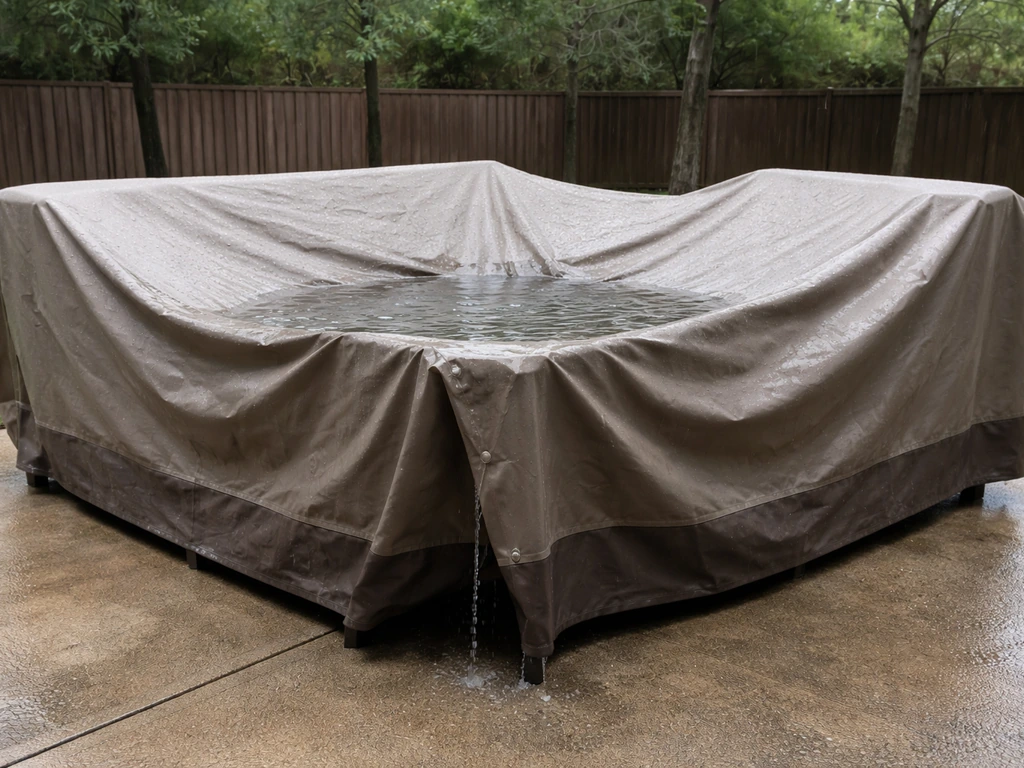
Why patio furniture covers trap water
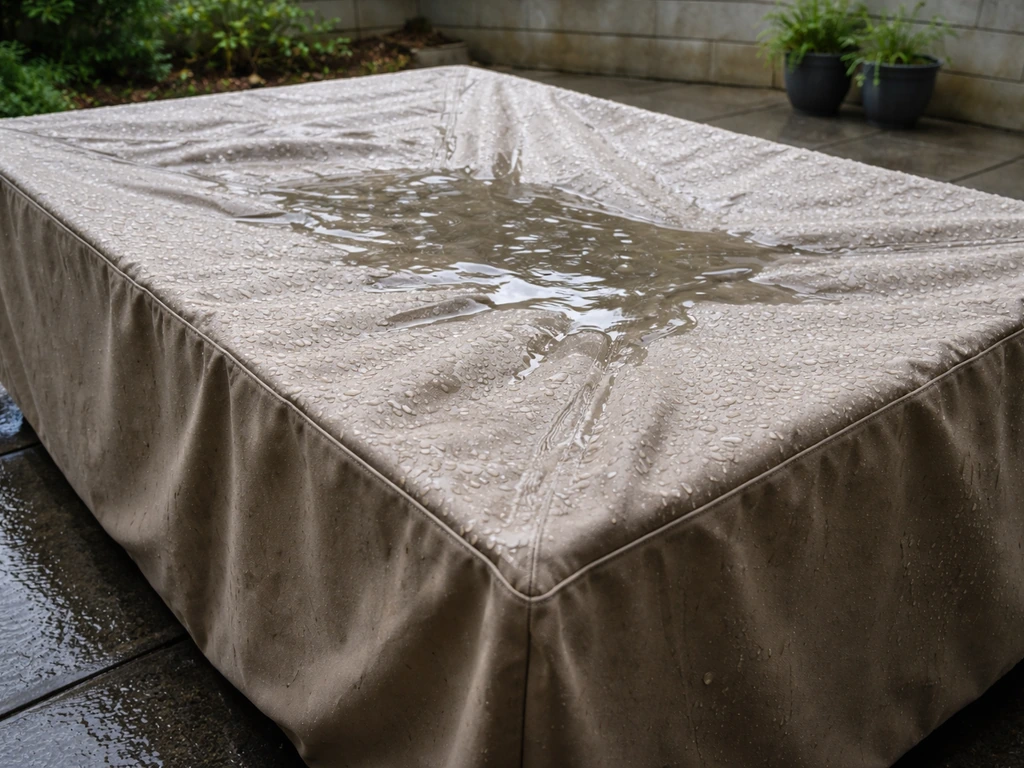
The root cause is almost always geometry. Rain lands on the cover and needs somewhere to go. If the surface is flat or has low spots, water collects there instead of running off the edge. This is especially bad on large table covers, where a wide, flat surface turns into a bathtub after every storm.
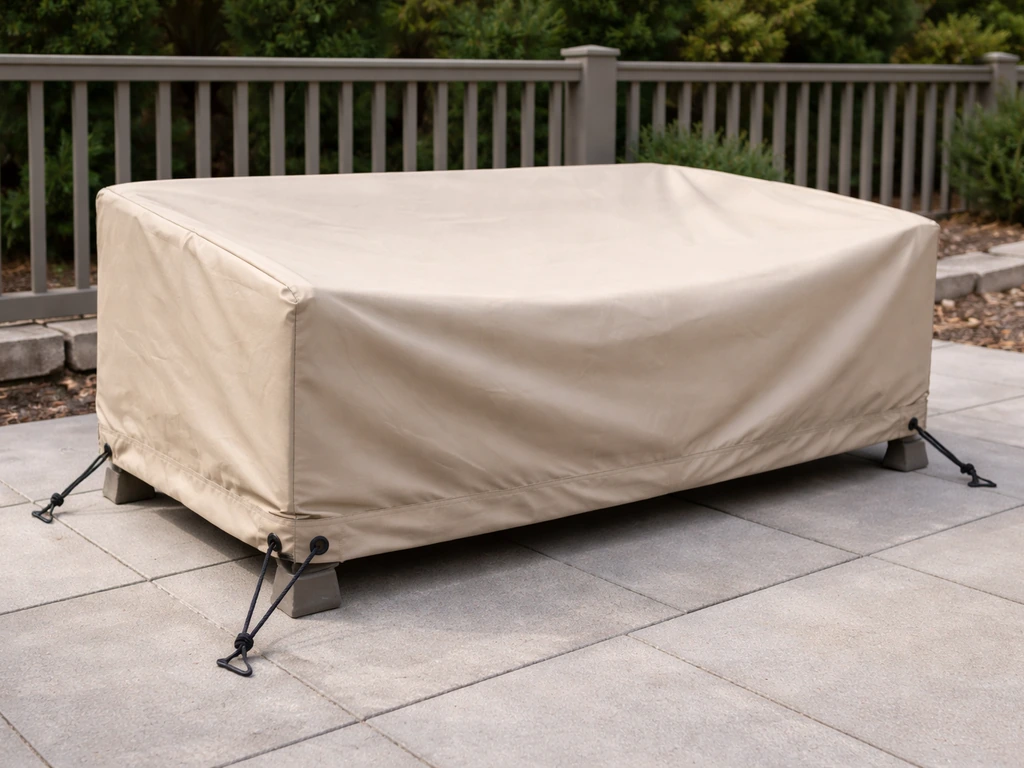
A few specific things make this worse. First, if your cover is too big, it drapes with extra slack and sags in the middle. A well-fitted cover should sit snugly and ideally end about 1 to 2 inches above the patio surface. Anything more than that and you're basically designing in a hammock for water to collect. Second, non-breathable covers trap humidity underneath, which means moisture doesn't escape even when it's not raining. That trapped air and condensation leads to mildew on both the cover and your furniture. Third, the cover material matters: stiff vinyl sheds water beautifully because droplets bead up and slide off, while soft polyester that's gone a bit limp from age holds water like a sponge.
The furniture itself plays a role too. If your table or chair set has a flat top surface with no raised edges or contour, the cover is going to mirror that flatness. There's nothing underneath pushing up to create a slope. That's why the fix almost always involves adding some kind of ridge, pitch, or tension from the outside.
Quick checks: fit, sagging, and airflow problems
Before you buy anything or try any fix, spend two minutes doing a simple inspection. Most pooling problems fall into one of three categories, and you can usually figure out which one you're dealing with just by looking.
- Check the fit. Pull the cover taut and look for large billowy sections. If you can bunch up 6 or more inches of fabric anywhere, the cover is too big. A correctly sized cover should conform reasonably closely to the shape of the furniture underneath.
- Check for sag points. Look at where water actually collects and poke at the area underneath. Is there open air under that sag, or is the cover resting on part of the furniture and dipping between contact points? Sag between contact points is the most common pooling cause on table covers.
- Check the drawcord or elastic hem. Flip the cover up on one side and look at the bottom edge. If the elastic is stretched out or the drawcord is loose, the cover is not being held against the furniture tightly. Flapping edges let wind get under the cover and push it into different shapes, creating new low spots.
- Check for airflow. Pinch the fabric and try to pull it away from itself, then let go. A completely non-breathable cover will feel airtight. This isn't a deal-breaker for water shedding, but it does mean humidity will build up underneath and eventually push moisture outward through every low spot.
How to tension and tie down a cover so it sheds water
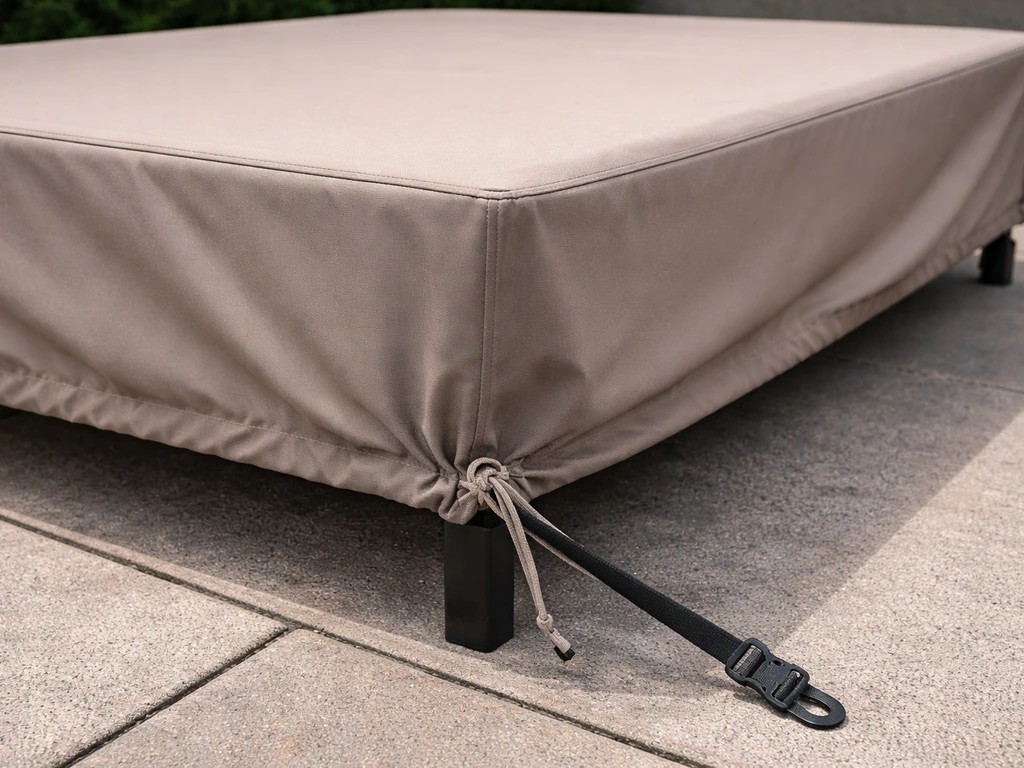
The single most effective thing you can do is get the cover tight and keep it tight. A taut cover has no sag, and no sag means no place for water to pool. Here's how to do it properly.
Tighten the hem and drawcord first
Most outdoor furniture covers have a hem around the bottom with either elastic or a drawcord threaded through. If yours has a drawcord, pull it as tight as it will go and tie it off with a simple double knot. Don't let it hang loose. If the elastic is shot (meaning it stretches but doesn't snap back), you can replace it yourself by threading new 1/4-inch elastic through the hem channel with a safety pin. A 5-yard pack from any fabric or craft store costs about $3 to $5 and takes 20 minutes to replace.
Add bungee cords or straps under the furniture
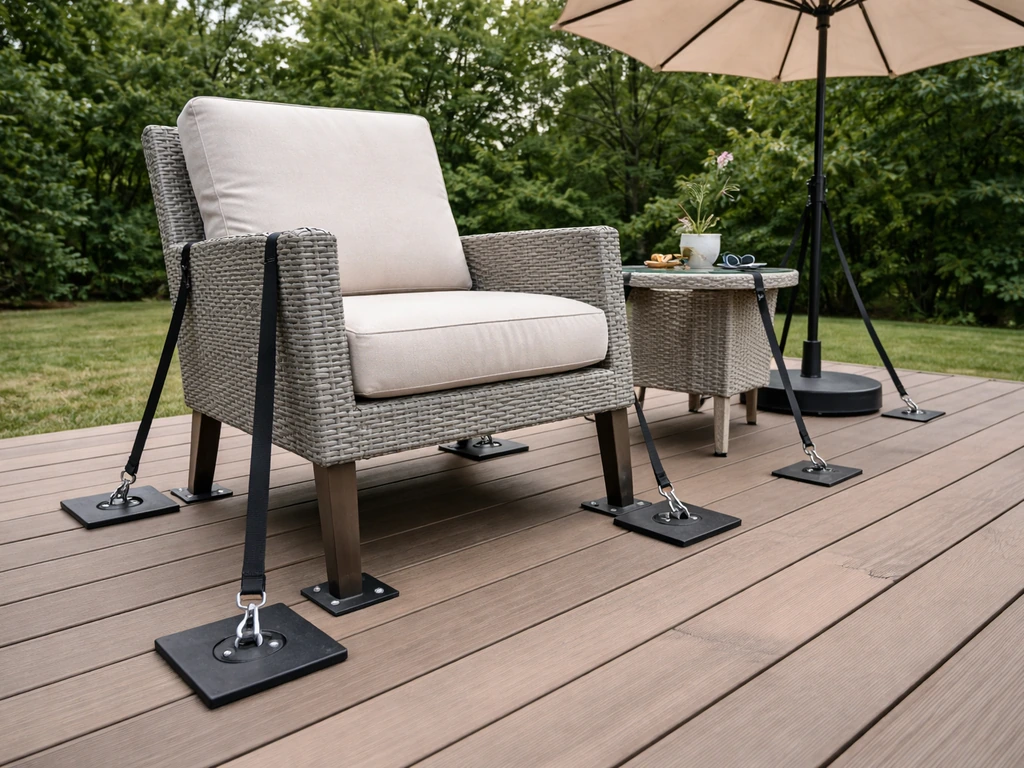
Once the hem is tight, run a bungee cord or nylon strap under the furniture frame to pull the two sides of the cover toward each other and downward. For a chair, one strap under the seat rail is usually enough. For a table, use two straps running in opposite directions (front to back and side to side) to create even tension all the way around. Bungee hook-and-loop straps designed for patio covers are sold at most home improvement stores for around $10 to $15 for a set of four, but generic bungee cords from the hardware store at $4 to $6 work just as well.
Use furniture leg weights as anchors
If wind is a factor in your pooling problem (wind shifts covers, creating new low spots), add weight clips or Velcro leg wraps that clamp the cover to the furniture legs at the bottom. These prevent the cover from riding up and billowing, which is what causes the uneven puddle-catching shapes. You can DIY this with zip ties looped through the hem grommets (if your cover has them) and around the furniture legs.
Create runoff: adding pitch with straps, cords, or edge elevation
Tension alone fixes sagging but doesn't always create enough slope for water to actually run off. On a large table cover, even a perfectly taut cover over a flat table is still a flat surface. You need to actively introduce some pitch, the same way a tent or tarp needs a center pole or angled ridgeline to shed rain.
The center support trick
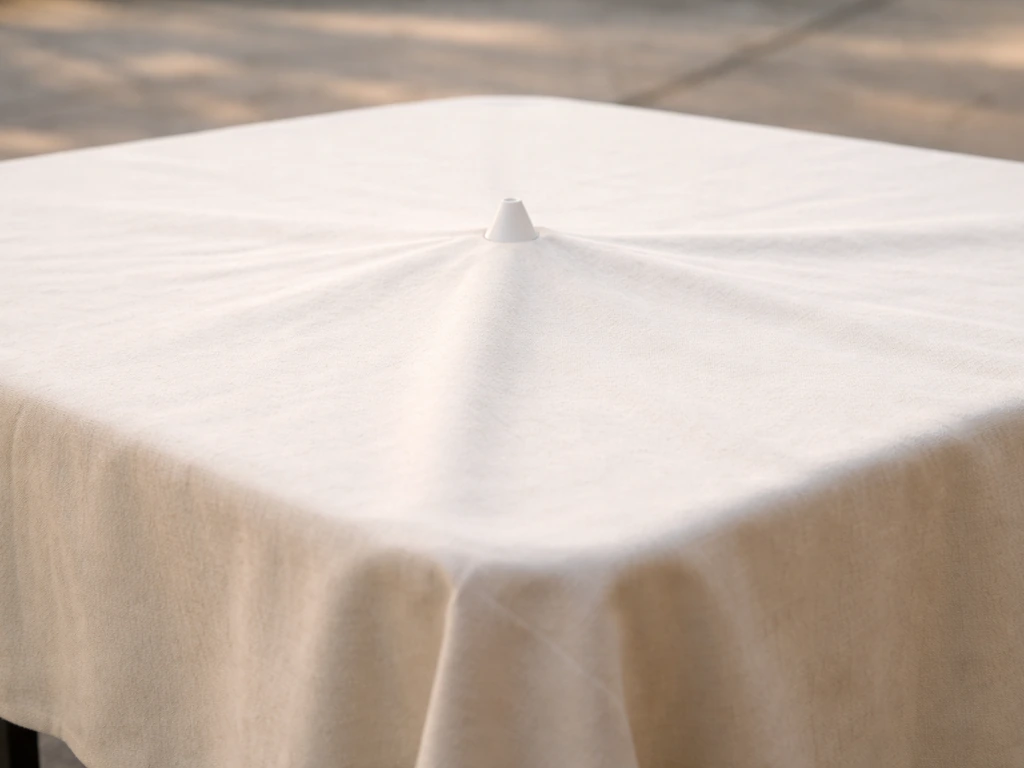
This is the most effective DIY fix for table covers specifically. Place something under the center of the cover to push it upward and create a slight peak. A plastic cone, an overturned colander, a small bucket, a pool noodle cut to length, or even a stack of a few plastic cups taped together all work. You want to raise the center by about 3 to 6 inches so water naturally slopes toward the edges. I've used a $1 foam pool noodle cut in half and placed in an X pattern under a large rectangular table cover and it worked perfectly.
Use a ridge cord or ridgeline
For rectangular covers, you can create a ridgeline by running a cord from one end of the furniture to the other at a slightly elevated height. Tie a length of paracord or thin rope from one end of the table (secured to a leg or frame) to the other end, pull it taut, then drape the cover over it. The cord acts as a spine and gives the cover a tent-like A-shape that sheds water to both sides. This takes about 10 minutes and costs nothing if you have any rope on hand.
Elevate the edges on one side
If your furniture is positioned where water always pools toward the back, you can slightly tilt the whole setup by placing small rubber furniture risers (the kind used to raise furniture legs off carpet) under the back legs of the table or chairs. Even a 1-inch rise creates a noticeable slope across a 36-inch table surface. Rubber risers cost about $8 to $12 for a set at any home improvement store.
Choosing the right cover and materials to prevent pooling
If you've tried all the tension and pitch fixes and still have problems, or if you're in the market for a new cover anyway, the cover material and design make a significant difference. Not all covers are equal when it comes to water management.
| Material | Water Shedding | Breathability | Durability | Approx. Cost |
|---|---|---|---|---|
| Heavy-duty vinyl | Excellent (beads and runs off) | None (fully waterproof) | High (5-7 years) | $40-$80 |
| Waterproof polyester (coated) | Good | Low to moderate | Moderate (2-4 years) | $25-$60 |
| Breathable polyester (vented) | Moderate | High (vapor escapes) | Moderate (2-4 years) | $30-$70 |
| Canvas (waxed or treated) | Good | Moderate | High (5+ years) | $60-$120 |
| Thin non-treated polyester | Poor (absorbs and sags) | Low | Low (1-2 years) | $10-$25 |
For most homeowners dealing with pooling, a heavy-duty vinyl cover or a thick coated polyester with built-in vents is the sweet spot. Vinyl sheds water almost automatically because the slick surface doesn't give water anything to grip. The tradeoff is zero breathability, so condensation builds under the cover. Using breathable covers and improving air circulation can help reduce excess moisture buildup under coverings condensation builds under the cover. If you live somewhere humid, pair a vinyl cover with the center support trick above to keep air moving and minimize moisture buildup underneath.
Vented covers are the best all-around choice if you want to tackle both pooling and condensation at the same time. Look for covers that have mesh vents built into the side panels, usually near the top of the cover. These allow humid air to escape while the outer shell stays waterproof. They cost slightly more but solve two problems at once.
Fit matters just as much as material. Resist the urge to size up when you're between sizes. A slightly snug cover stays taut and sheds water. A slightly oversized cover sags and pools. When in doubt, size down or look for an adjustable cover with a full circumference drawcord rather than just elastic at the hem.
Maintenance and seasonal habits to keep covers from sagging
Even the best cover with a perfect fit will develop pooling problems if you don't maintain it. Here are the habits that actually make a difference over a full outdoor season.
After every major storm
Don't leave standing water sitting on the cover. Use a push broom or a long-handled squeegee to sweep pooled water off the surface as soon as possible. Standing water stretches fabric over time, permanently deforming it into a sag. This takes 90 seconds and makes a real difference over a season.
Seasonal cleaning
Mildew and dirt buildup actually add weight to fabric and reduce its water-repellency. Clean your covers at the start and end of the outdoor season with a mild soap and water solution, rinse thoroughly, and let them air dry completely before storing or replacing. For vinyl covers, a quick wipe with blank" rel="noopener noreferrer">a diluted white vinegar solution (1 part vinegar to 3 parts water) removes any mildew spots and refreshes the surface. For fabric covers, check if the water-repellent coating has worn off by sprinkling water on the surface. If it soaks in instead of beading up, treat the fabric with a spray-on DWR (durable water repellent) coating, available for about $10 to $15 at outdoor gear retailers.
Re-tension at the start of each season
Elastic and bungee cords lose tension over winter. Every spring, check and replace any elastic hems that have gone slack, re-tighten drawcords, and reposition any internal supports you've set up. This 10-minute seasonal check-in prevents the slow creep of sagging that leads to big pooling problems by midsummer.
Proper storage
When you're putting covers away for the winter, fold them loosely rather than compressing them tightly. Tight creases permanently weaken fabric and create built-in low spots that will collect water once the cover is back on the furniture. Store them dry, in a breathable bag or bin, away from direct sunlight. Never store a cover that's still damp, that's the fastest route to mildew that makes fabric heavy and saggy by the following season.
One last thing worth keeping in mind: water management on covers is just one piece of the patio furniture protection puzzle. If your furniture is also sinking or shifting on soft ground, that movement can constantly change the cover's geometry and undo your pitch and tension adjustments. If your patio chairs are sinking into grass, stabilizing the chair base can help prevent new low spots that make water and covers pool again patio chairs sinking into grass.
Keeping the furniture itself stable and level is the foundation everything else sits on. To keep patio furniture itself from sliding, make sure the legs are stable on level ground and use anti-slip pads or grippers designed for outdoor use patio furniture from sliding.
FAQ
Should I remove the cover as soon as it stops raining to prevent pooling?
If you still see water hanging in low areas, it helps to sweep it off within a couple hours. Leaving puddles overnight can stretch fabric and set in sag, especially on large table covers where the center stays low longer.
What can I do if my cover has no drawcord or elastic hem?
You can add tension by strapping, but you need attachment points. Use bungee or ratchet-style straps that hook around the furniture frame or under the chair seat rail, then add two small corner weights so the cover does not lift and refold into new low spots.
How do I tell whether the cover is pooling from sag or from trapped condensation?
Sag pooling looks like clear water that gathers on top and runs slowly toward an edge. Condensation is usually a fine dampness across the underside or a wet, foggy feel even when the cover surface stays relatively dry, often accompanied by mildew odor.
Can I safely add foam or risers under the cover year-round?
Yes, but pick rot-resistant material and avoid materials that can crush under wind load. Rubber risers or closed-cell foam cut to size usually hold up better, and you should re-check alignment after storms so the pitch stays toward the edges.
Will using a non-breathable vinyl cover make mildew worse even if I fix the pooling?
It can. Vinyl is great for beading water, but it blocks airflow, so you typically need vents and periodic drying. A good routine is to sweep off standing water quickly, then after a dry day lift one side for a short time to vent the interior.
Is it better to size up so the cover reaches the ground?
Usually no. Extra fabric causes more slack, which sags into a basin shape. Instead, choose the correct size range or use an adjustable cover with a full circumference drawcord so the hem stays taut while still reaching where you need coverage.
Can I use a tarp under a patio furniture cover to stop leaks?
Avoid stacking waterproof layers unless you can ventilate, because trapped moisture has nowhere to escape. If you must use a secondary layer, use only to bridge gaps briefly and keep the main cover breathable or vented so humidity can vent.
What’s the safest way to clean the cover without damaging water repellency?
Use mild soap and rinse thoroughly, then let it fully air dry before covering again. For coated polyester, avoid harsh detergents and aggressive scrubbing, they can strip the water-repellent finish and increase soaking.
My cover’s water-repellent coating seems to be failing. When should I re-treat it?
Re-treat once the surface no longer beads after light rain or water testing. If water soaks in, it usually accelerates pooling and fabric weight, so apply a DWR treatment before the next rainy season rather than waiting until the problem is severe.
What’s the best way to stop wind from re-creating puddles after I fix the pitch?
Focus on preventing billowing, not just securing edges. Use straps under the frame and add clips or leg wraps at the bottom corners, then check after strong wind events, because even a small lift can undo a few inches of slope.
How can I stabilize the cover if the furniture itself wobbles or shifts?
First stabilize the base with level placement, anti-slip outdoor pads, or grippers. If the furniture rocks, the cover geometry changes constantly, and your tension and ridge adjustments will not stay effective.
Can I store the cover damp if it dries later?
Better not. Even if it feels dry on the outside, moisture trapped inside can start mildew and make the cover heavier and more prone to sag. Store only after complete air drying, in a breathable container away from direct sun.