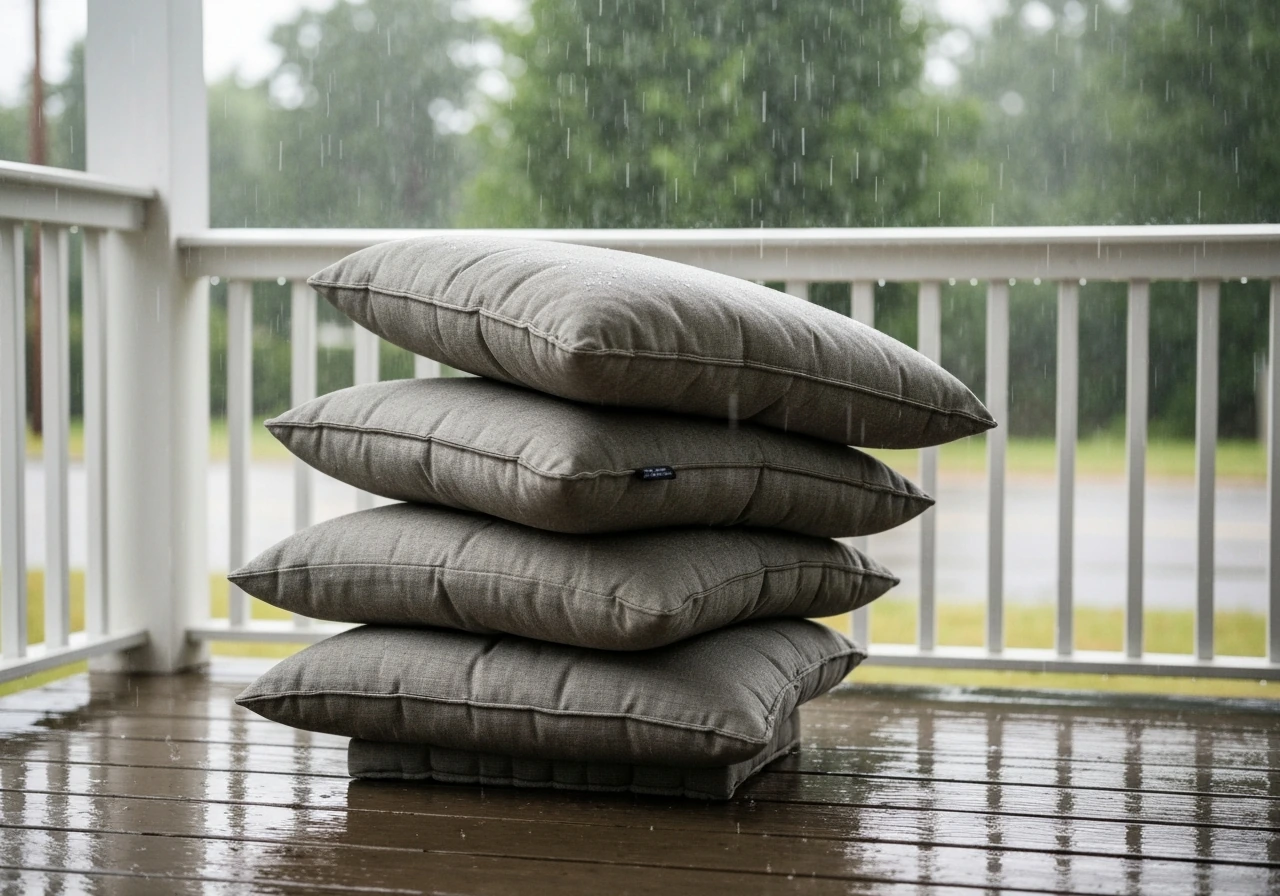
Yes, patio pillows can get wet, but whether that's a problem depends almost entirely on what they're made of. Most outdoor pillows sold today use water-repellent fabrics like solution-dyed acrylic or polyester blends that shed light rain reasonably well. Cushion. com notes that Sunbrella fabrics are made from 100% [solution-dyed acrylic](https://www.
Can Patio Pillows Get Wet? What Happens and How to Dry Them

Maren Grady
9 Jul 2026
cushion. com/support/cleansunbrella. aspx) yarns and “do not support the growth of mildew,” though dirt on the fabric can still lead to mildew over time if cleaning is neglected. The catch is that "water-repellent" is not the same as "waterproof.
" If your pillows sit in a downpour, get submerged in pooled water, or stay damp for more than 24 to 48 hours, you're in mildew and foam-damage territory regardless of how fancy the fabric is.
What most patio pillows are actually made of
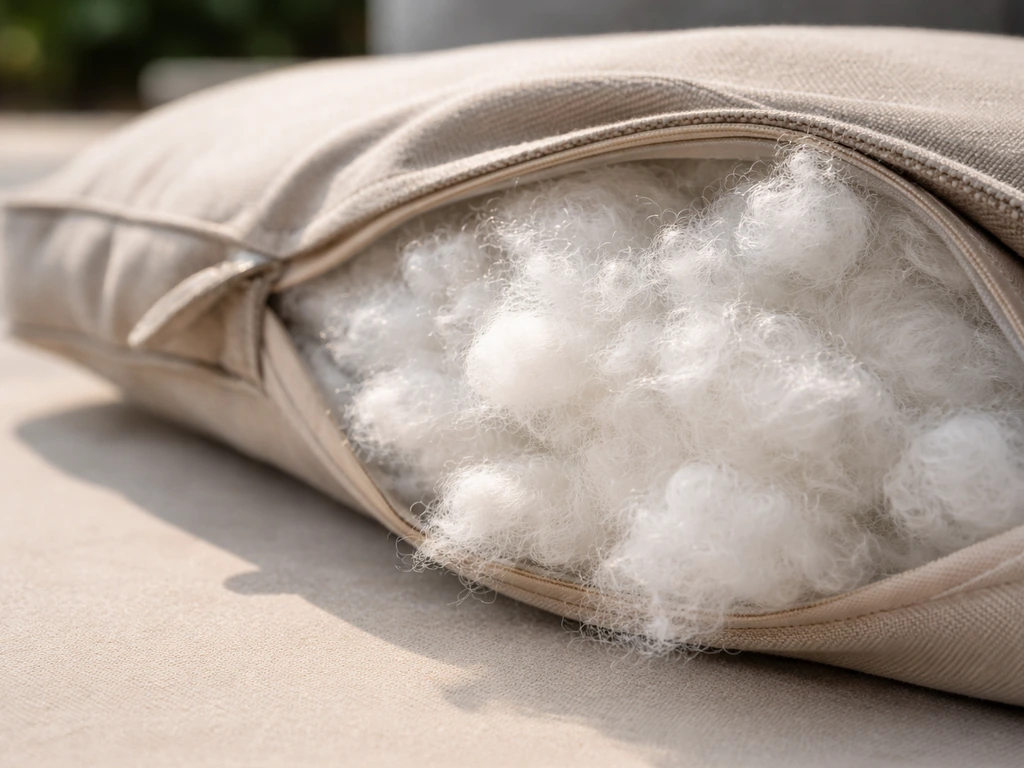
Understanding your materials is the first step to knowing how worried you should be. Patio pillows generally have two parts: the outer cover and the inner fill. Each one handles water completely differently.
Outer covers
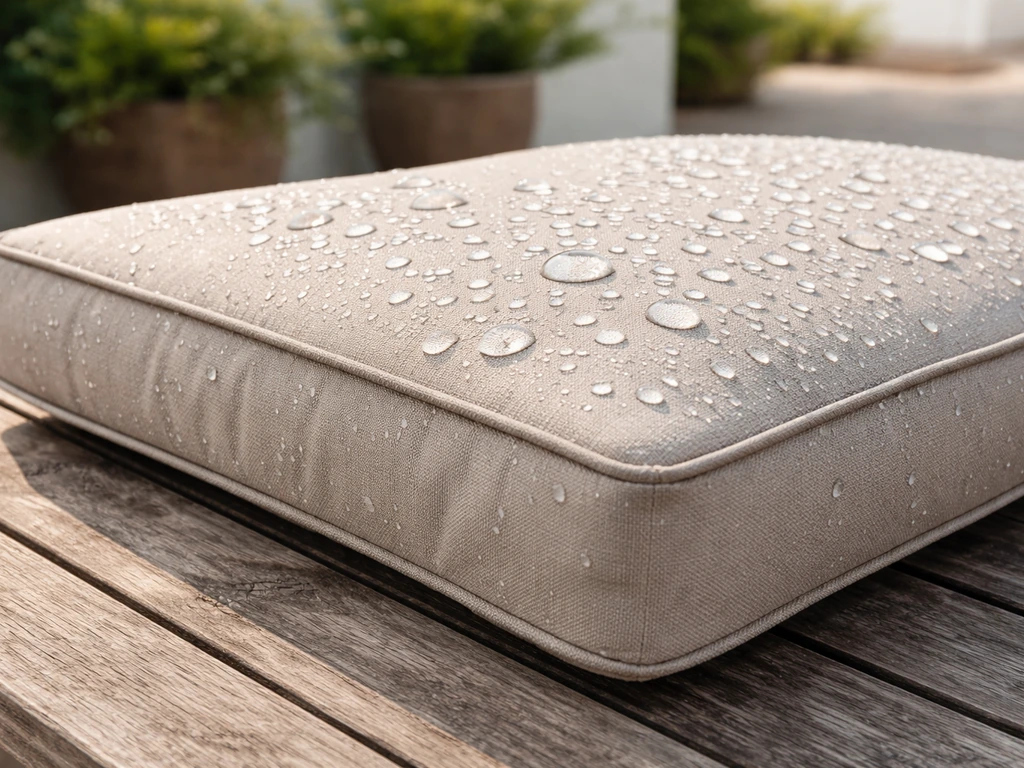
The most common outdoor pillow fabrics are solution-dyed acrylic (Sunbrella is the best-known brand), polyester blends, and olefin. Solution-dyed acrylic is the gold standard because the color is baked into the fiber itself during manufacturing, making it inherently mildew resistant and UV stable. Manufacturers are clear that these fabrics are water repellent, not waterproof.
Sailrite notes that manufacturers distinguish waterproof from water-resistant based on how much water the fabric resists penetrating, with waterproof offering greater resistance while water-resistant indicates only partial resistance water repellent, not waterproof. Water beads up and runs off in light rain, but prolonged soaking will eventually push moisture through the weave.
A step above standard acrylic is Sunbrella Rain, which has an extra barrier finish that qualifies as genuinely waterproof. That's the exception, not the rule. Most pillows you'll find at a patio store or big-box retailer use standard water-repellent fabric, not waterproof.
Inner fill
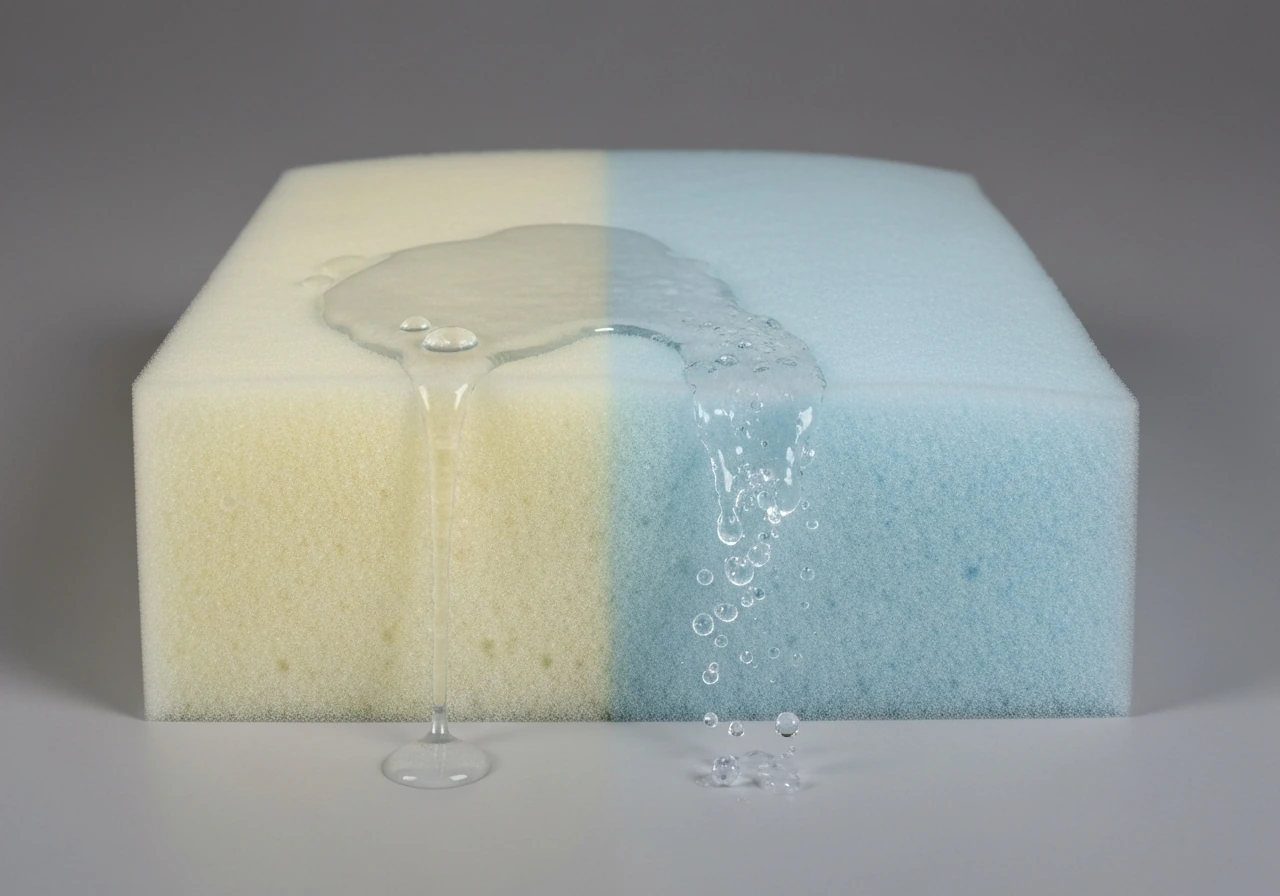
This is where things get really important. The fill is usually one of three things: closed-cell foam (standard indoor-style foam), open-cell or reticulated "quick-dry" foam (sometimes called Dryfast foam), or polyester fiberfill. Closed-cell foam absorbs water and can stay wet for 24 to 48 hours after a soaking rain, which is exactly the window mold and mildew need to take hold. Open-cell reticulated foam is designed with a porous structure that lets water drain through and dry within minutes.
Polyester fiberfill sits somewhere in the middle: it dries faster than closed-cell foam but can still hold moisture in its center layers. If your pillows were on the budget end of the price spectrum, assume they have closed-cell foam or polyester fill. Quick-dry foam is typically an upgrade feature called out specifically in product listings.
How to tell if your pillows are water-resistant or not
Don't guess. There are a few quick ways to figure out exactly what you're working with before the next rainstorm hits.
- Check the fabric label or hang tag: Look for terms like "solution-dyed acrylic," "Sunbrella," "olefin," or "performance fabric." These signal at least some water-repellent properties. A label that just says "polyester" with no outdoor claim is a lower bar.
- Look for the word "waterproof" vs "water-repellent" or "water-resistant": These terms are not interchangeable. Waterproof means a physical barrier prevents penetration. Water-repellent means the surface sheds water under normal conditions but will eventually saturate under sustained exposure.
- Inspect the seams and zipper: Pillows with welted, flat-felled, or bound seams are more moisture-resistant than pillows with simple sewn seams that leave raw edges exposed. A zipper on the cover is a good sign because it means you can remove and dry the fill separately.
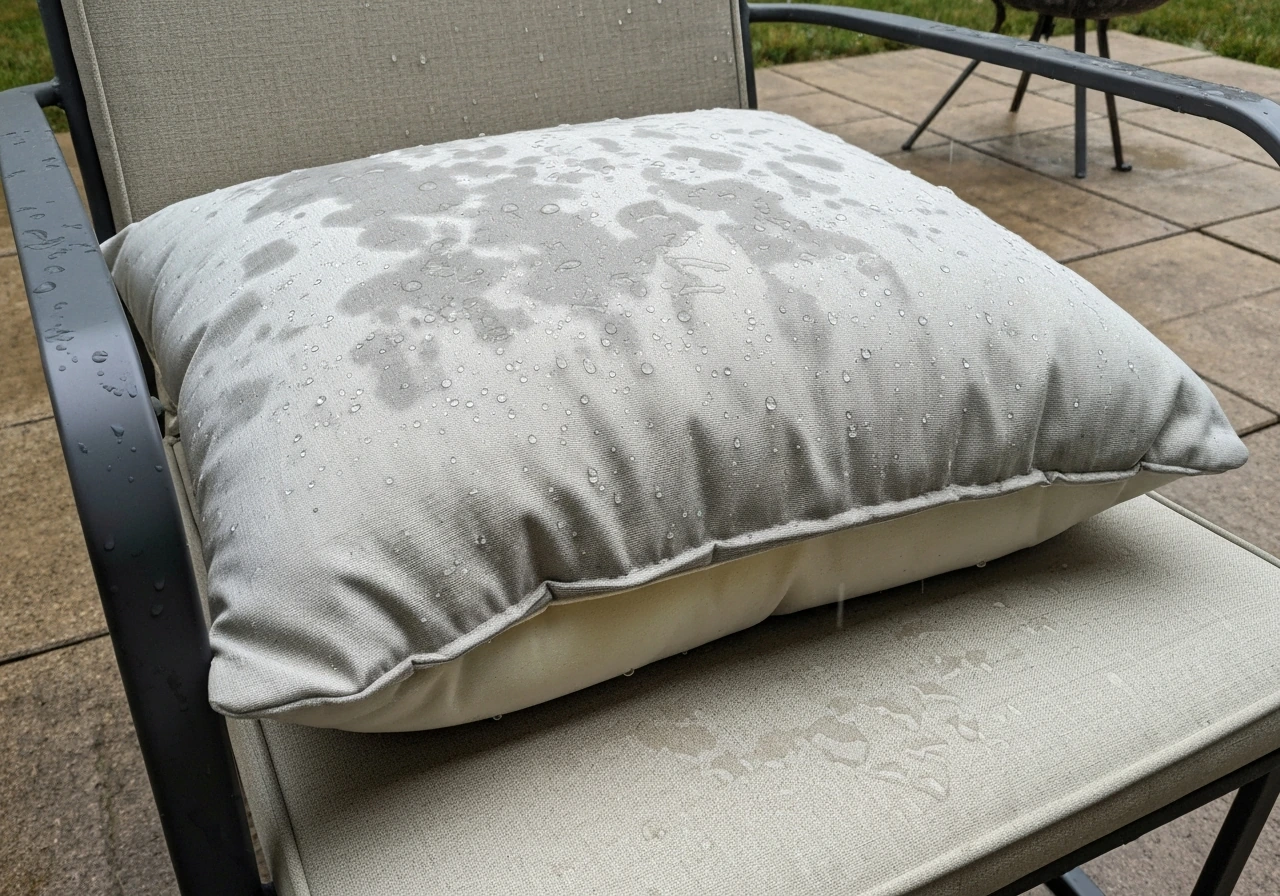
- Do the bead test: Sprinkle a few drops of water on the fabric. If the water beads up and rolls off, you have an active water-repellent finish. If the fabric immediately absorbs the drops and darkens, the finish is gone or was never there.
- Feel the fill when slightly damp: Squeeze the pillow after a light rain. If it feels heavy and holds its shape like a sponge, you likely have closed-cell foam. If it feels almost normal and bounces back quickly, you may have quick-dry fill.
What actually goes wrong when patio pillows stay wet
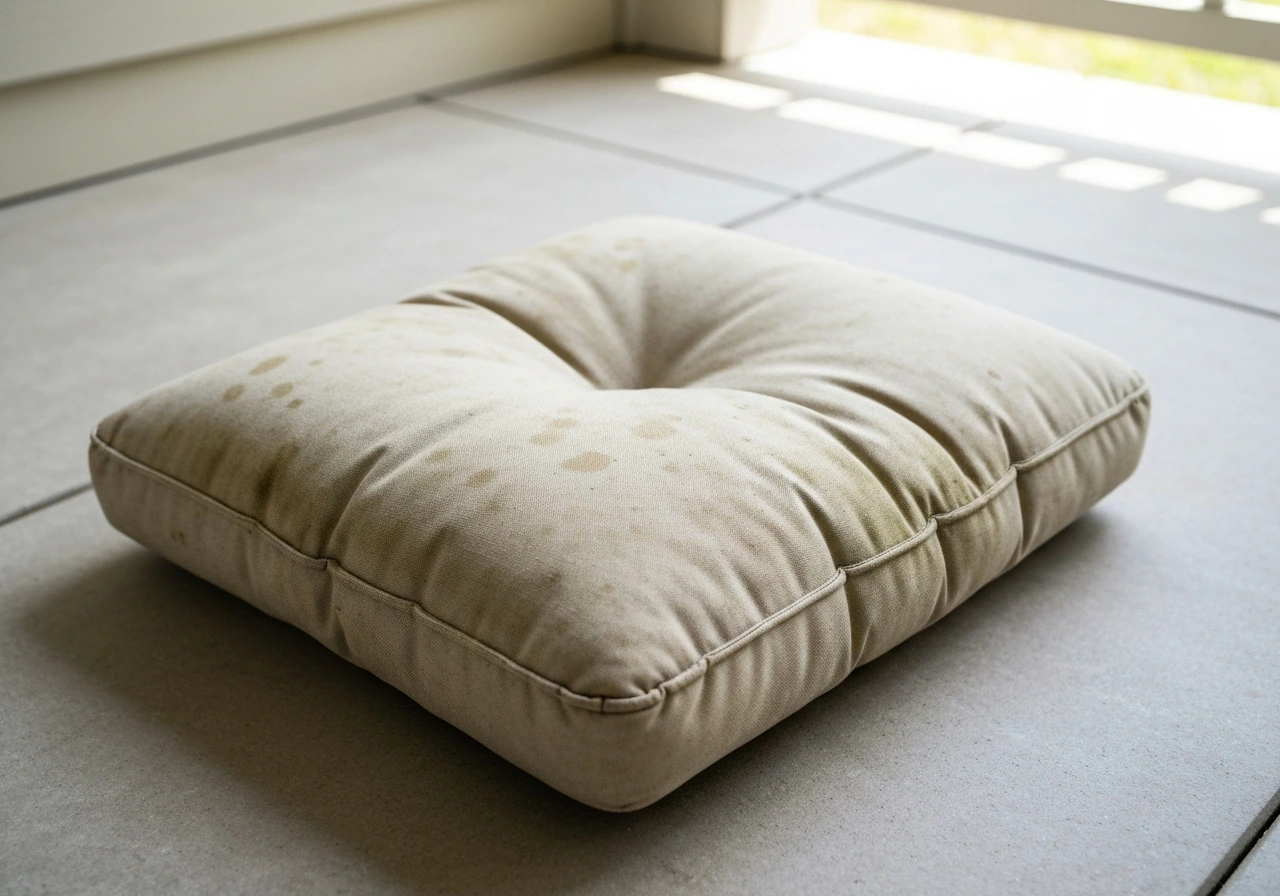
Here's the part people underestimate. It's not the initial wetting that causes damage, it's the moisture that stays trapped inside. Once water gets into the fill and can't escape, you're on a 24 to 48 hour clock before mold and mildew become a real problem. Public health guidance echoes this: porous materials like foam and fabric that stay wet beyond that window are prime conditions for mold growth.
- Mildew and mold: Mold can colonize wet foam and fabric relatively quickly, especially in warm humid weather. Even solution-dyed acrylic fabrics that don't support mildew growth on their own can develop mildew if dirt or debris sits on the surface and traps moisture.
- Musty odor: Once mildew takes hold in the foam core, the smell is incredibly hard to get rid of. Multiple deep cleans may still leave a permanent musty odor baked into the fill.
- Staining: Moisture that sits against dirty fabric creates a perfect environment for stains to set. Tannin from leaves, rust from metal furniture frames, and general grime all bond to wet fabric much more aggressively than dry.
- Foam breakdown: Standard closed-cell foam that goes through repeated wet/dry cycles starts to degrade structurally. It loses its shape, becomes crumbly, and eventually compresses permanently.
- Seam failure: Water that seeps into poorly finished seams weakens the thread over time, causing seam separation along the edges and corners first.
Do this right now: how to dry patio pillows safely today
If your pillows just got soaked, the clock is ticking. Work through these steps today, not tomorrow.
- Get them off the ground immediately: Water pools on hard surfaces and wicks right back into the pillow from below. Move them to a dry elevated surface, a table, a railing, or a clean dry chair.
- Open the zipper if there is one: Unzip the cover fully. This is your main moisture exit point. Kingsley Bate's care guidance specifically recommends standing the cushion vertically with the zipper side down so gravity pulls water out through the opening. Do the same with your pillows.
- Use a wet/dry vacuum on the fill: If you have one, press the nozzle against the fabric and pull as much water as you can out of the core. This is especially useful for pillows without removable covers. A standard household wet/dry vac (they start around $30 used) works perfectly here.
- Stand them upright in the sun: Lay pillows flat and they hold water in the center. Stand them on their edge in a sunny, breezy spot. Rotate them every couple of hours so all sides get air exposure.
- Remove the cover if possible and wash separately: If the cover unzips, pull the fill out and handle each piece independently. Machine wash the cover on a gentle cycle with cool water and a mild detergent (no bleach, it degrades outdoor fabric fibers). Air dry the cover only, don't put it in a clothes dryer.
- Let the fill dry completely before reassembling: This is where most people rush and regret it. The outer cover may feel dry while the center of the foam is still damp. Press hard into the core with your hand. If it feels cool or slightly spongy, it needs more time. Budget 1 to 3 full days of sun and airflow for complete drying.
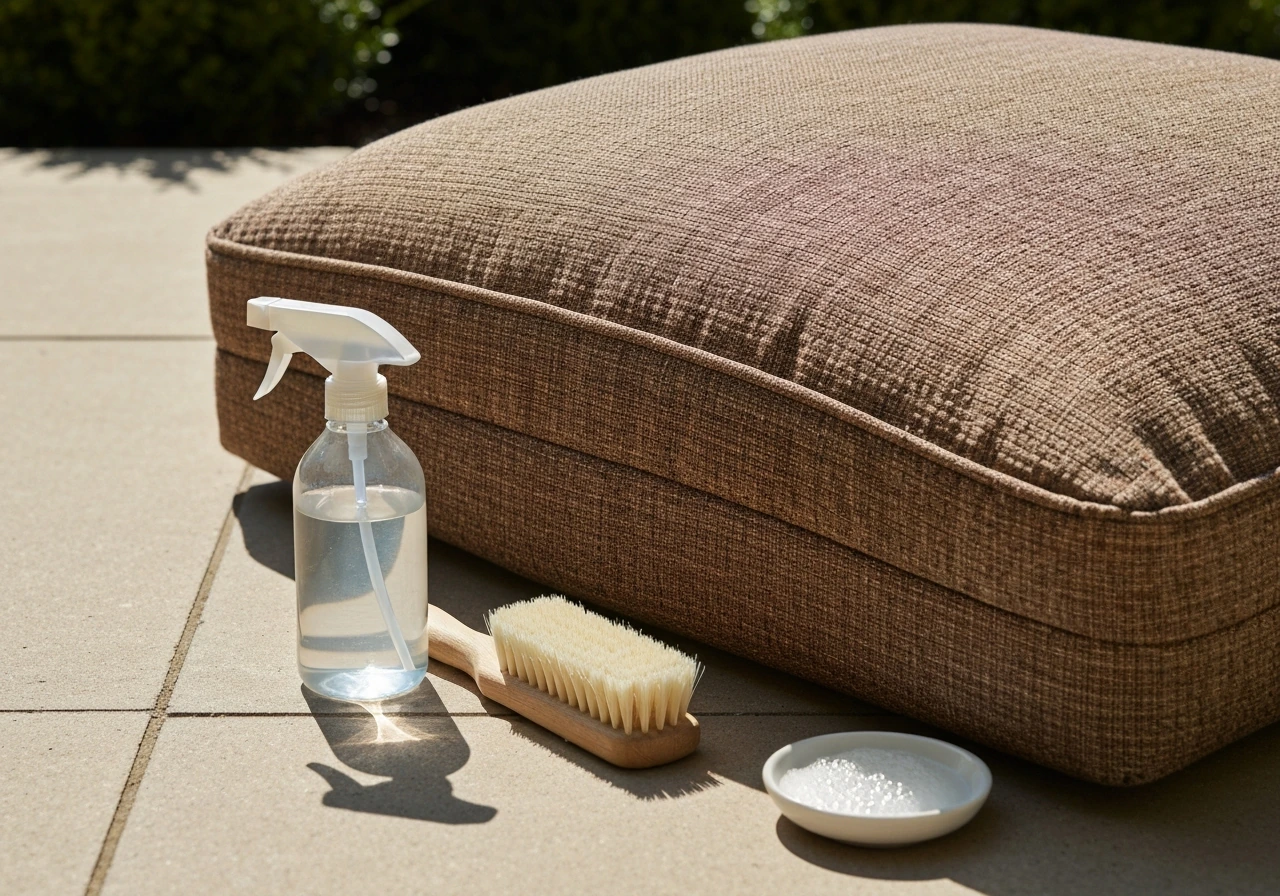
- Reapply a fabric protector spray: Once the cover is clean and fully dry, spray it with an outdoor fabric protector. This restores the water-repellent barrier, especially important after washing because soap strips the original finish.
Long-term prevention so you're not doing this every week
Drying wet pillows is reactive. The goal is to set up your patio so this is a rare problem rather than a weekly chore.
Keep them elevated off wet surfaces
Even water-repellent pillows will absorb moisture if they sit directly on a wet deck or concrete surface. Water wicks upward from below. If your furniture has fabric slings or solid bases, add a simple wooden slat, a rubber mat, or even a folded towel as a dry barrier underneath the pillows during damp weather.
Use breathable covers during storms
A fitted furniture cover for your seating group is one of the best investments you can make. Look for covers labeled "breathable" or with vented panels. Fully sealed waterproof covers trap condensation underneath, which creates the same damp environment you're trying to avoid. A breathable cover keeps rain off while still allowing air circulation.
Bring them in for serious storms
For anything beyond a passing shower, moving pillows inside is the right call. If you are wondering can you leave patio cushions outside in the rain, the safest approach is to keep them protected and bring them in for anything beyond a brief shower. A garage, a storage bench, or a deck storage box with a vented lid works well. The key rule: never store pillows that are even slightly damp. Moisture trapped in a storage box turns into a mildew factory. Always dry first, then store.
Think about placement
Where your furniture sits on the patio matters a lot. Spots under overhangs or pergolas get far less direct rain exposure. Avoid placing seating directly under trees where leaves and organic debris accumulate on fabric, since it's that combination of dirt and moisture that enables mildew growth even on inherently resistant fabrics.
When to remove covers, clean, and inspect for damage
Set yourself a simple seasonal schedule and stick to it. It takes maybe an hour twice a year and saves you from replacing expensive pillows prematurely.
| Timing | What to do |
|---|---|
| Start of season (spring) | Remove covers, check seams for fraying or separation, inspect foam for compression or odor, wash covers, reapply fabric protector |
| After any heavy rain or storm | Check for saturation, stand upright to drain, do the squeeze test on the fill, air dry fully before returning to use |
| Mid-season (every 6–8 weeks) | Brush off surface debris, spot-clean stains, re-bead test to check if water-repellent finish is still active |
| End of season (fall) | Deep clean covers, dry thoroughly, inspect fill and seams, store in a dry ventilated location for winter |
When you remove and inspect the covers, pay close attention to the seams at the corners and zipper edges. These are the first places to fail. If you see fraying thread, small holes, or the seam is pulling apart, that's an entry point for moisture to reach the fill directly. A simple hand-stitch repair or a seam sealer applied while it's still a minor problem takes five minutes and prevents much bigger issues later.
On the fill side, do a smell test every time you remove the cover. Fresh or neutral-smelling foam is fine. A musty or mildew smell that doesn't clear up after the foam has been fully dried for two to three days in the sun means mildew has already penetrated the core. At that point, cleaning the cover won't solve the problem.
DIY upgrades to make your pillows handle water better
If your current pillows are still structurally sound but clearly not keeping up with your climate, there are some practical upgrades worth doing before you spend money on replacements.
Upgrade the fill to quick-dry foam
This is probably the highest-impact DIY upgrade you can make. If your pillows have removable covers, you can pull out the old closed-cell foam insert and replace it with open-cell reticulated "Dryfast" foam cut to size. Reticulated foam drains water through its open structure and can be effectively dry within minutes of a rain shower, compared to 24 to 48 hours for standard foam. Foam suppliers sell it by the sheet and will cut to custom sizes. A replacement insert for a standard throw pillow typically costs $10 to $20, and the cutting is straightforward with a sharp bread knife or electric carving knife.
Add an inner liner
If your pillows don't have removable covers or you want an extra layer of protection, wrapping the fill in a water-resistant inner liner before reassembling adds a useful barrier. Use a piece of outdoor-rated fabric, a simple polyethylene liner, or even a heavy-duty zip-lock bag with a few drainage holes punched into the bottom. This keeps foam drier longer without trapping moisture permanently.
Re-cover with outdoor-rated fabric
If the fill is still good but the cover fabric is faded, torn, or has lost its water-repellent finish for good, re-covering is a genuinely achievable beginner project. Solution-dyed acrylic fabric (Sunbrella or similar) is available by the yard from online fabric suppliers for roughly $20 to $35 per yard. For more specific cleaning and maintenance steps for these fabrics, see how to care for sunbrella patio cushions. A basic envelope-style pillow cover requires less than half a yard for a standard 18-inch throw pillow and only straight seams. Adding a zipper takes a bit more skill but makes future maintenance much easier. This is a great gateway project if you're interested in expanding into full cushion reupholstery.
Apply a DWR (Durable Water Repellent) spray
If your covers are in decent shape but failing the bead test, a DWR spray (brands like Scotchgard Outdoor or Nikwax Fabric and Leather Proof) can restore the water-repellent barrier for a season. Clean the fabric thoroughly first, because applying a protector over dirty fabric locks in the grime and reduces effectiveness. Spray evenly, let it cure for 24 hours, and then retest with the water bead test. This is a $10 to $15 fix that can extend the life of a cover by another full season.
Know when to replace instead of repair
There's a point where repair stops making financial sense. If the foam core permanently smells musty after multiple deep cleans and full drying cycles, if the fabric is tearing along multiple seams, or if mold has visibly penetrated the fill material itself, replacement is the honest answer. Pouring money into covers for a compromised fill just delays the inevitable. At that point, your smartest move is replacing the fill with quick-dry foam, re-covering with proper outdoor fabric, and setting up the storage and cover routine that prevents the same problem from repeating.
FAQ
How long can patio pillows stay wet before they start to smell or grow mold?
For most foam-filled patio pillows, you should assume a 24 to 48 hour window. If they remain damp, cool, and not drying to a fresh or neutral smell by then, mold and mildew risk increases sharply. If they were soaked from pooled water, treat it as longer than a brief rain even if the cover looks mostly dry.
Can I just leave water-repellent patio pillows outside until they dry on their own?
Often yes for short showers, but not for standing water or heavy rain. If the pillows are sitting on a wet deck, moisture can wick up from below, which slows drying and keeps the core damp. Use airflow and a dry barrier underneath, or move them inside/covered once rain lasts more than a brief pass.
What’s the “water bead test,” and how do I use it after rain?
Before the next storm, test a small corner of the cover with a few drops of water. If water beads and rolls off, the surface finish is still active. After repeated storms, if water soaks in quickly or stops beading after blotting, plan to reapply a DWR spray after cleaning and full dry.
Do sealed patio cushion covers or storage bins prevent mildew?
Not if they trap condensation. Fully sealed waterproof covers and non-breathable storage containers can keep moisture in contact with the fill for longer, especially if the pillows are even slightly damp. For storage, dry first, then store in a dry area with airflow, or use a vented breathable cover.
Is it safe to store patio pillows in a garage or storage box after rain if they feel dry on the outside?
Only if the fill is truly dry. Outer surfaces can dry faster than foam cores, so do a smell check and, if possible, press the foam through the fabric to see if it feels cool or damp inside. If you notice any musty odor, keep drying in open air for two to three more days before storing.
How can I tell whether the foam is still OK after getting soaked?
Do both a smell and a dryness check. Fresh or neutral-smelling foam is generally fine, but a musty smell that persists after full drying suggests mildew has penetrated the core. Also check corners and zipper seams, since moisture usually enters and stays there first.
Should I dry patio pillows in direct sun or in the shade?
Direct sun helps speed drying for many outdoor fabrics, but avoid leaving them in intense sun with covers closed or stacked, since trapped moisture can still cook into odors. A shaded area with strong airflow is safer if heat makes the fabric feel stiff, and drying should be complete before storage or reassembly.
Can I run a wet patio pillow through a washer or dryer?
It depends on the cover material and label, but many outdoor pillow covers and foams should not go into a high-heat dryer. A safer approach is to wash only the removable cover per care instructions, then air-dry the insert with airflow. If you must use a dryer, keep heat low and ensure the foam is fully dry before reassembling.
What’s the most effective way to improve drying without replacing pillows?
Add a dry barrier under the pillows, create airflow, and reduce how long the core stays wet. If your pillows have removable covers, swapping closed-cell foam inserts for open-cell reticulated quick-dry foam is one of the biggest upgrades because the structure lets water drain and dry far faster.
If the cover is waterproof but the pillow still got wet, why did it happen?
Water can enter through seams, zipper edges, or small tears, and then get trapped in the fill. Even with waterproof or extra-finished fabrics, leaks at the construction points are common failure areas. Inspect corners and zipper lines right after rain, not just the center fabric.
Can I clean mildew that formed inside the foam?
You can often wash the cover, but if mildew has already penetrated the fill core, cleaning the exterior will not reliably fix it. If the foam smells musty after thorough drying cycles and the odor returns, replacement of the insert is usually the practical solution to avoid recurring growth.
Will retreated patio pillows with a DWR spray handle heavier rain better than before?
It can extend performance for a season, but it does not make them fully waterproof. DWR helps water bead and reduces how quickly moisture moves through the weave, yet prolonged soaking and submersion still overwhelm most outdoor fabrics. Reapply after cleaning and re-test with the bead test before relying on it for a storm.