You can leave patio cushions outside in the rain occasionally and briefly without ruining them, but it's not a good habit. One passing shower won't destroy most outdoor cushions, but repeated soaking, trapped moisture, and especially prolonged wet conditions will lead to mold, mildew, foam waterlogging, and fabric breakdown faster than almost anything else. The practical answer: bring them in when you can, protect them when you can't, and always dry them out completely afterward.
Can You Leave Patio Cushions Outside in the Rain?
Maren Grady
5 May 2026
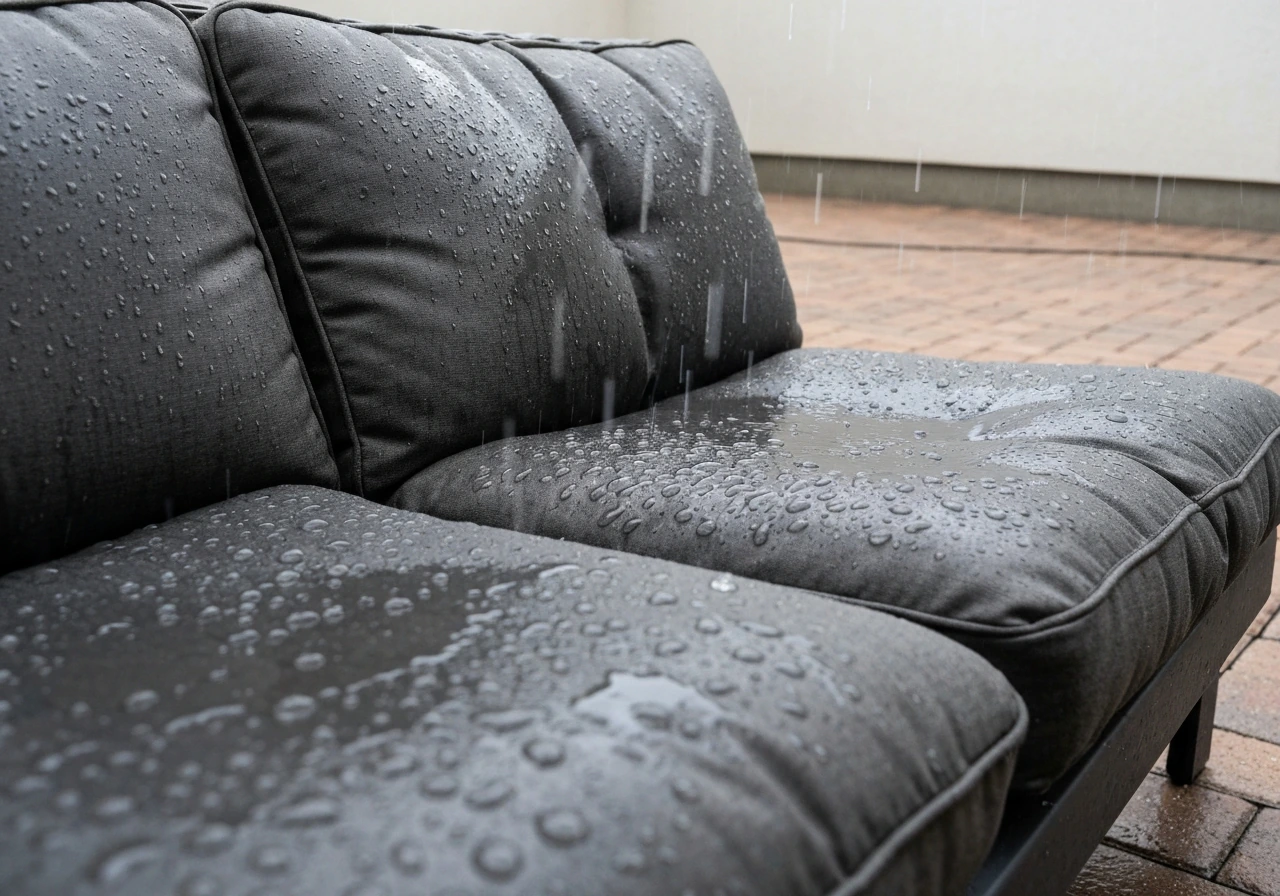
What actually happens when cushions get rained on
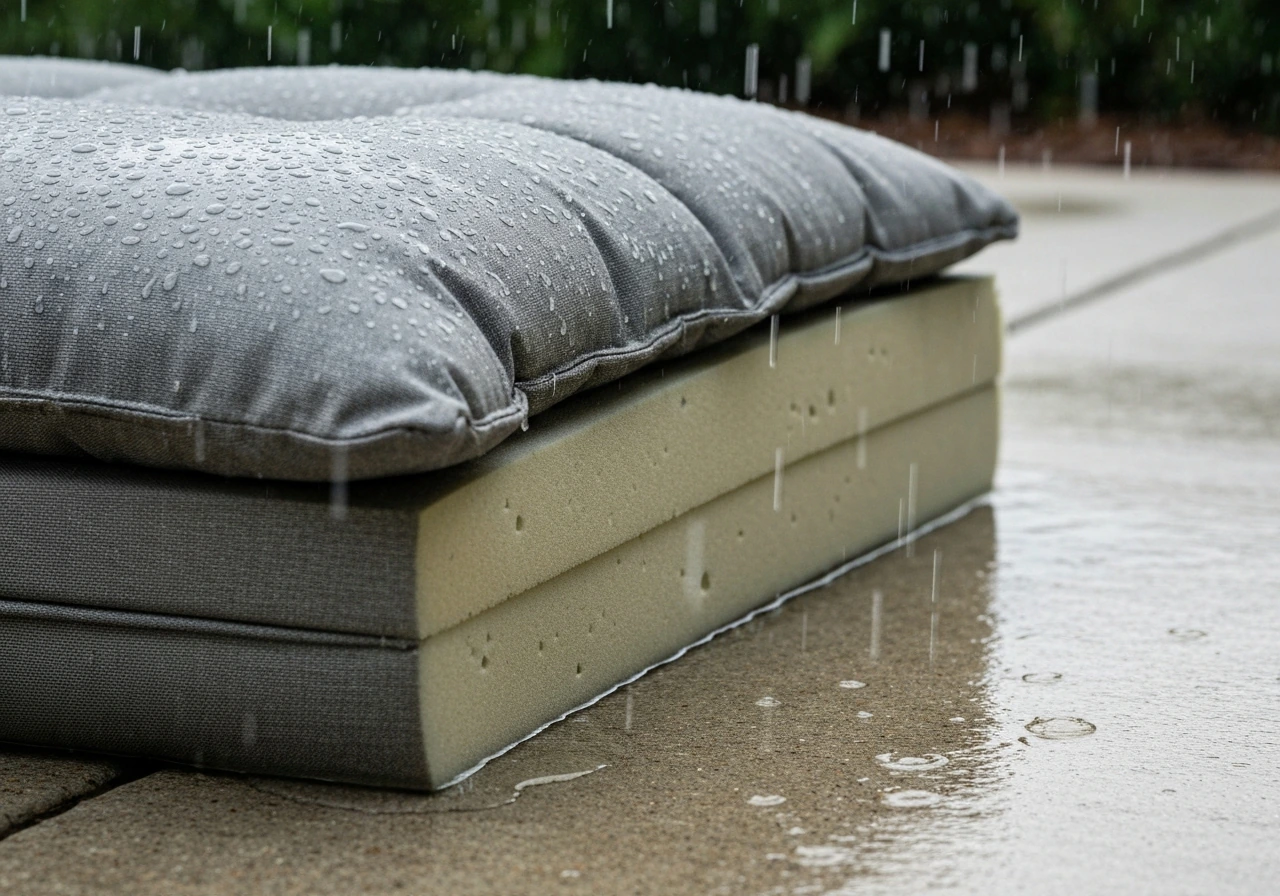
The biggest risk isn't the rain itself, it's the moisture that stays trapped inside. The surface of your cushion might look dry within a few hours, but the foam core can still be saturated for days. That trapped dampness is exactly the environment where mold and mildew thrive. Beyond that, you're also looking at fabric staining (especially if dirt, pollen, or debris are already sitting on the cushion), dye bleeding on cheaper fabrics, and gradual breakdown of the foam structure if it gets repeatedly soaked and dried.
Standing water is the worst case. If your cushions are sitting flat and water pools on or around them rather than running off, you're pushing the foam to absorb as much as possible. Even purpose-built outdoor foam takes 2 to 5 days to fully dry after a rain event. Standard indoor-grade foam used in lower-cost cushions can stay wet far longer and may never fully recover if soaked repeatedly.
What your cushion is made of changes everything
Not all cushions handle rain the same way. The fabric on the outside and the foam on the inside are two separate things, and both matter. Here's how to think about it by material.
Standard outdoor fabric (polyester, olefin)
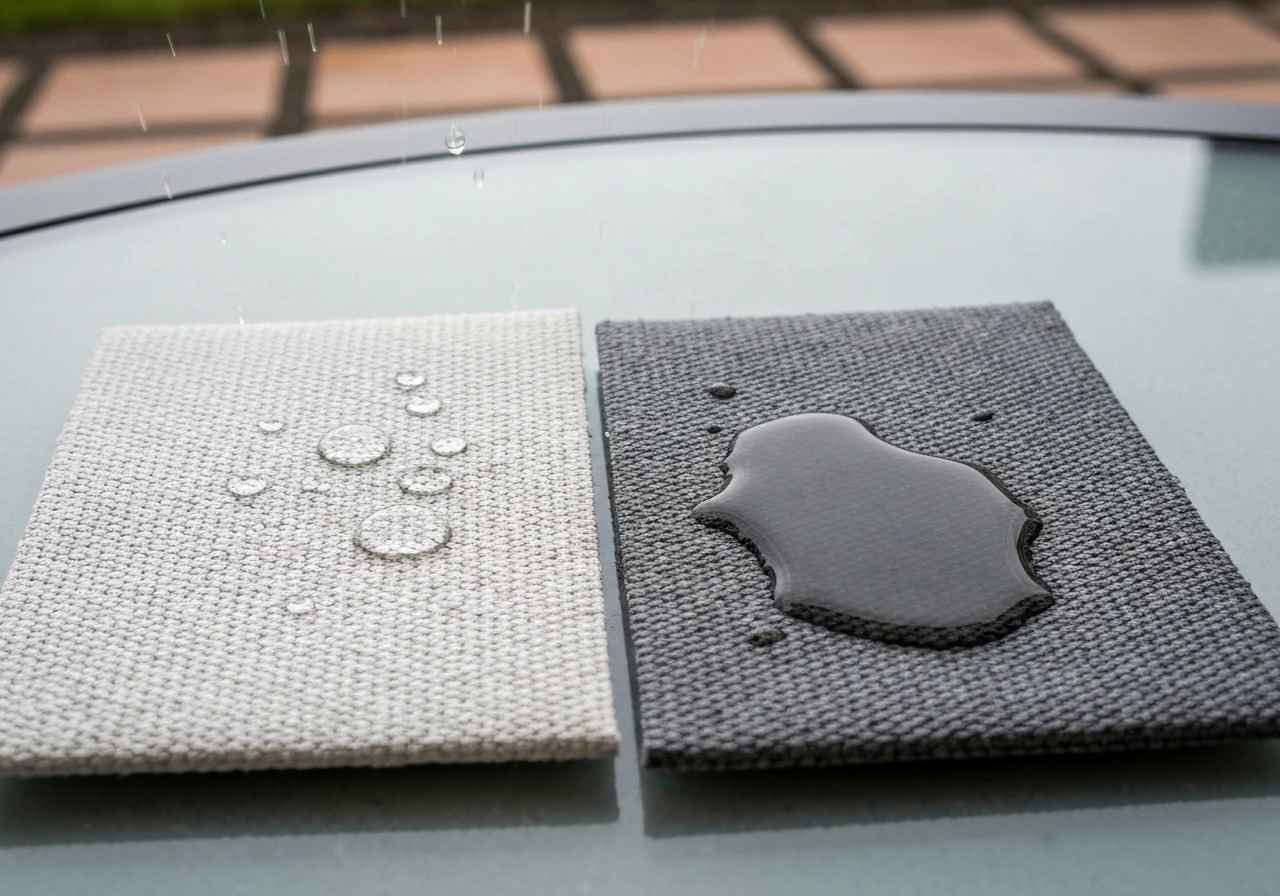
Most budget outdoor cushions use a woven polyester or olefin fabric that's marketed as water-resistant. That water resistance is usually a surface coating, not a permanent property of the fiber itself. It helps shed light rain, but it degrades over time with UV exposure and washing. Once the coating wears off, the fabric absorbs water readily. Dirt and pollen sitting on the fabric become food for mildew even when the fabric itself isn't technically promoting mildew growth. If your cushions have standard fabric and no water-repellent finish left, rain exposure will shorten their life noticeably.
Sunbrella and solution-dyed acrylic fabrics
Sunbrella and similar solution-dyed acrylic fabrics are a real step up. The fabric itself does not promote mildew growth because the color is baked into the fiber rather than sitting on the surface. That said, mildew can still grow on dirt or contaminants sitting on top of the fabric, so a dirty Sunbrella cushion left wet will still develop mildew spots.
The good news is that Sunbrella mildew cleans off well with a diluted bleach solution, and the fabric can take that treatment repeatedly without degrading. After using bleach, follow Sunbrella’s guidance on retreating the fabric to restore water- and stain-resistance, and do it outdoors in a well-ventilated area [reapplying a fabric protector brings back the water repellency](https://www. sunbrella. com/media/pdf/sunbrella-sgs-care-cleaning-en-us.
pdf). After any heavy cleaning with bleach, reapplying a fabric protector brings back the water repellency. Sunbrella cushions are much more forgiving in the rain than standard fabric, but they're still not meant to live outdoors permanently unprotected. For Sunbrella cushions, you should follow the same rain-care habits, but use Sunbrella cleaning and reproofing steps so the fabric stays water-repellent over time care for Sunbrella patio cushions.
The foam inside: standard vs. Dry Fast reticulated foam
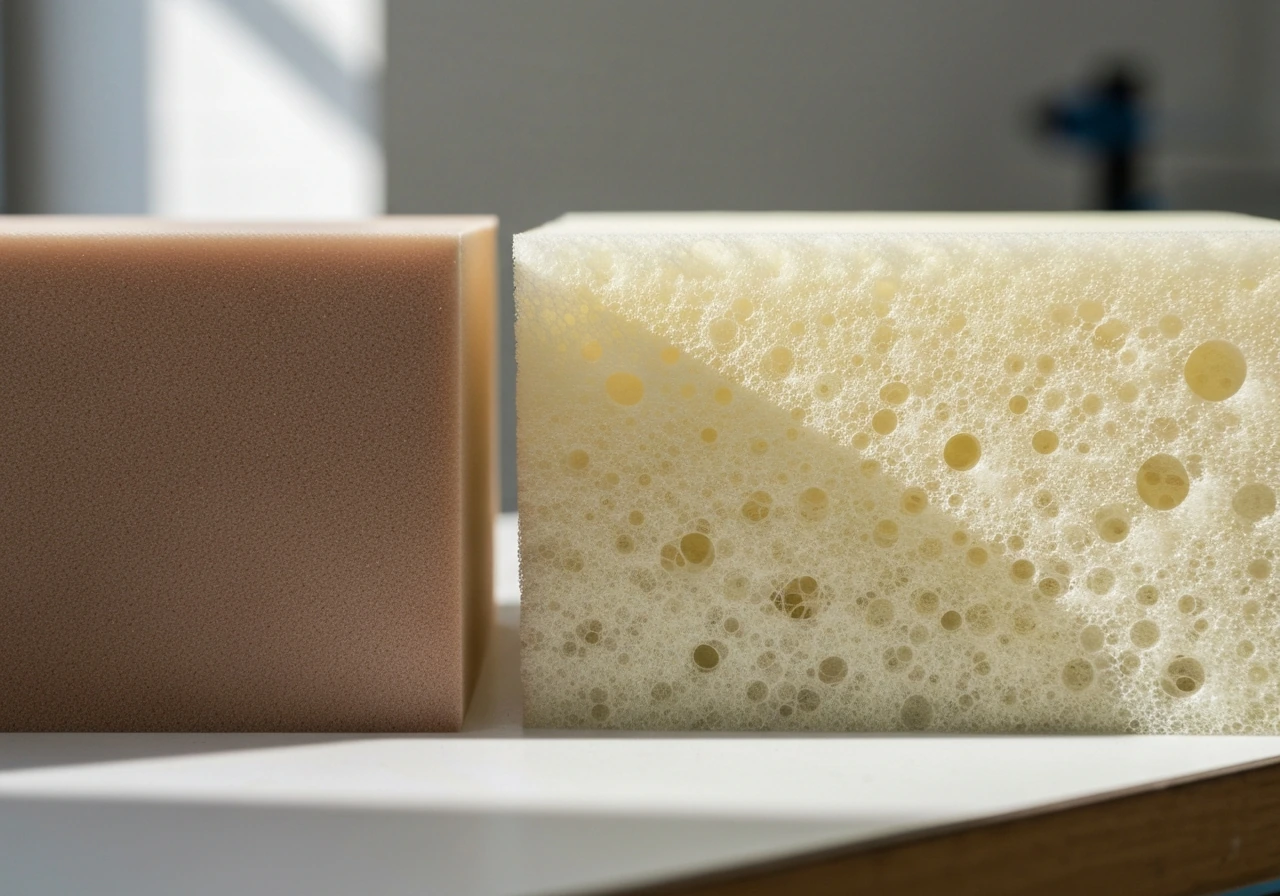
This is where most people don't think to look, and it's often the deciding factor in whether a wet cushion recovers or becomes a mold problem. Standard polyurethane foam (the closed-cell type used in most indoor furniture) is the worst possible choice for outdoor cushions because it traps water inside and barely lets it drain or evaporate. If your cushions use this type of foam, repeated rain exposure is likely to eventually make them smell, grow mold internally, and lose their shape.
Reticulated open-cell foam, often sold under names like Dry Fast or PatioDry, is engineered specifically for outdoor use. The open porous structure lets water drain through and air pass freely, so it dries dramatically faster. Brands like CushionFoamz and CushionCraft rate these foams as draining within minutes of rain stopping, with complete dryness in 2 to 5 days. They also have built-in antimicrobial properties. If you're reupholstering or replacing foam in your cushions, this is the only type worth putting outside. Even reticulated foam isn't meant to sit in standing puddles for days, but it handles normal rain far better than anything else.
| Material | Rain Tolerance | Mildew Risk | Recovery After Soaking |
|---|---|---|---|
| Standard polyester/olefin fabric | Low (coating wears off) | High once coating degrades | Moderate if dried quickly |
| Sunbrella / solution-dyed acrylic | High (fiber-level resistance) | Low (only from surface dirt) | Good, bleach-cleanable |
| Standard polyurethane foam | Very low (traps water) | High | Poor if repeatedly soaked |
| Dry Fast reticulated foam | High (drains quickly) | Low (antimicrobial) | Good, drains in hours |
Rain vs. winter: the season changes the stakes
Rainy season and summer storms
A passing summer shower is usually manageable if you're proactive. Cushions with quality outdoor fabric and reticulated foam can handle occasional rain as long as they get a chance to dry out fully between events. Yes, but how wet they can get depends on the fabric and foam, and leaving them soaked can quickly lead to mildew and damage can patio pillows get wet. The problem is when storms come frequently or you're in a consistently humid climate. Back-to-back wet days mean the foam never fully dries, humidity keeps moisture trapped, and mold gets a foothold. In those conditions, bringing cushions in during rain isn't just best practice, it's the only way to actually protect them.
Winter and freeze-thaw cycles
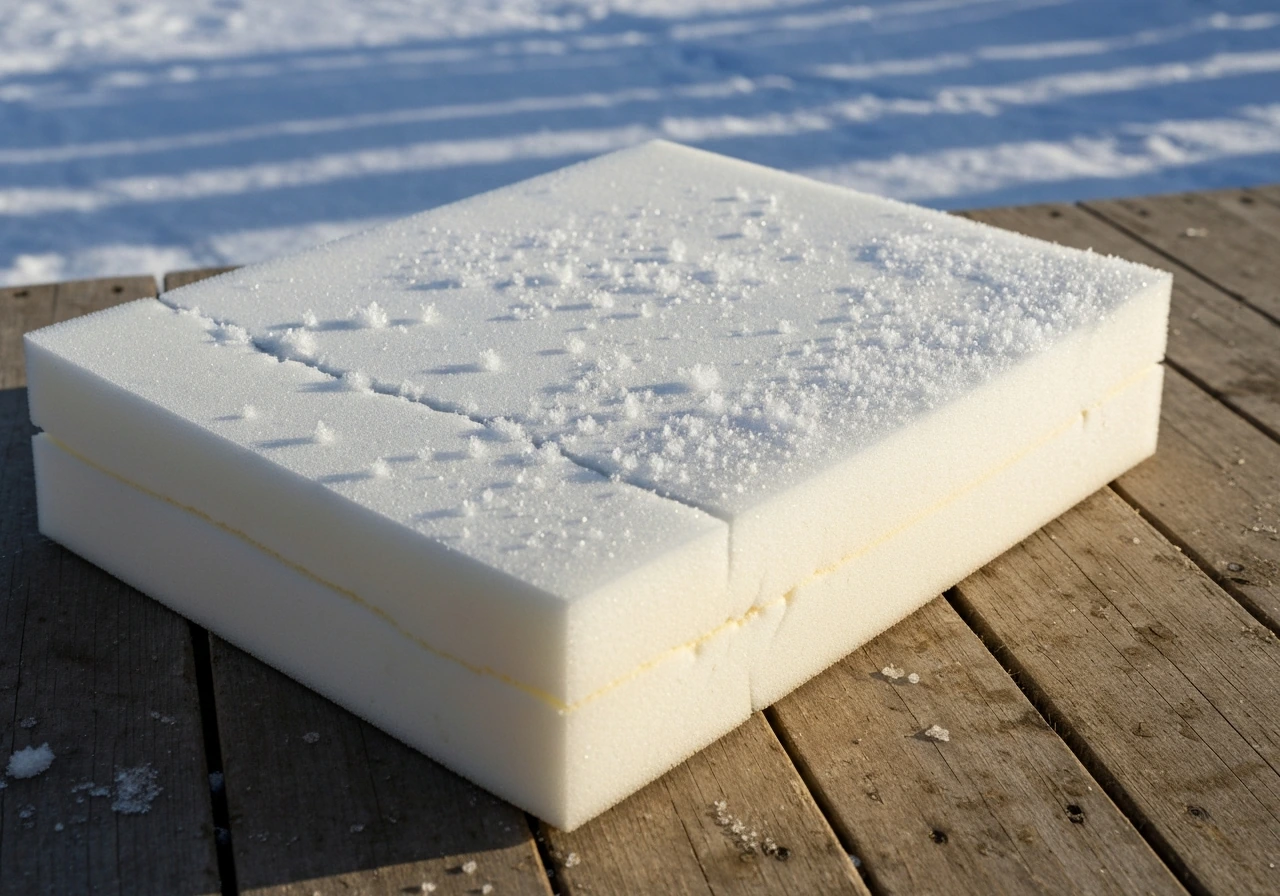
Leaving cushions outside in winter is a different problem entirely and a much worse one. Macy’s outdoor furniture care guide recommends covering outdoor furniture, including frames, cushions, and slings, for fall and winter storage, and it also notes that storage conditions can affect damage risk and warranty [Leaving cushions outside in winter is a different problem entirely and a much worse one. ](https://www. macys.
com/dynimg/banners/OutdoorCareGuideReference. pdf). When water-saturated foam freezes, it expands, and that physical stress breaks down the foam structure at the cellular level. After a few freeze-thaw cycles, you're dealing with a cushion that's permanently deformed, clumped, or crumbling inside.
The cover may look fine but the insert is done. On top of that, cushions left under tarps or covers all winter still accumulate condensation. The cover creates a sealed humid environment that's actually ideal for mold growth, even if it's not actively raining. If you're in a climate with freezing winters, indoor storage isn't optional, it's necessary.
If you can't bring them in: what to do instead
I get it. Sometimes you're not home, or you've got nowhere convenient to store them, or you just forgot to check the forecast. Here's how to protect cushions when leaving them out is unavoidable.
- Stand cushions on edge rather than leaving them flat. Angling or standing them upright lets water run off instead of pooling in the fabric and soaking down into the foam.
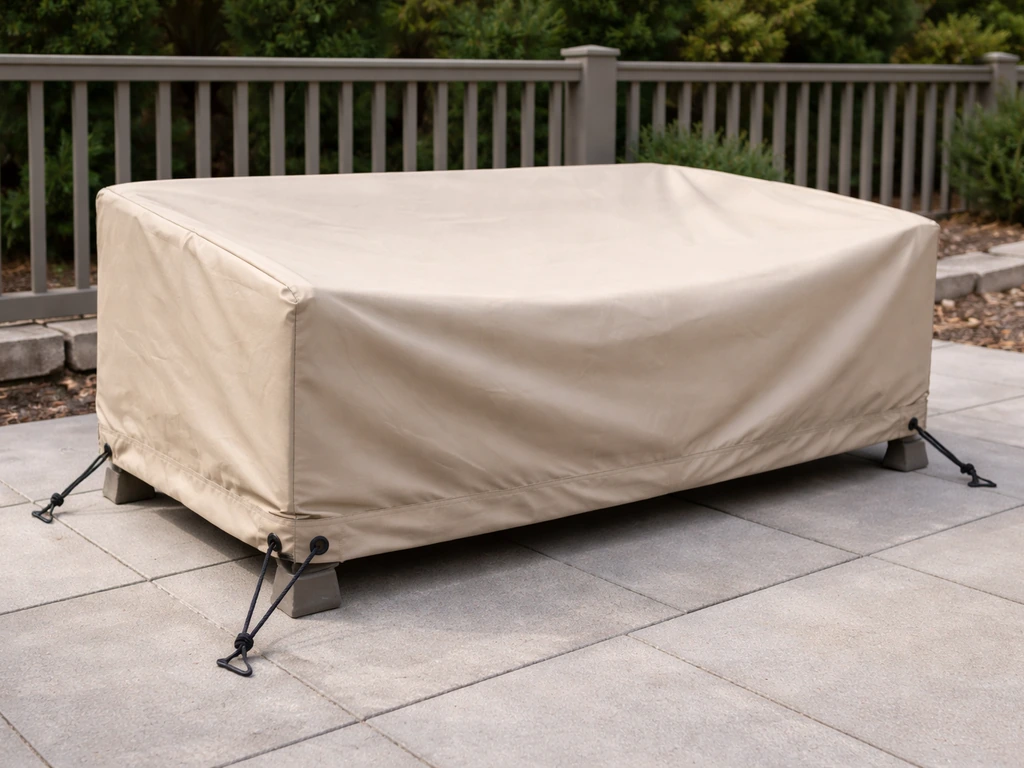
- Use breathable waterproof cushion covers rather than solid plastic tarps. A plastic tarp draped over cushions traps humidity underneath, which can be as damaging as the rain itself. Look for covers designed specifically for outdoor cushions, which allow some airflow while shedding water.
- If you only have a tarp, prop it up with a piece of PVC pipe or a stick so air can circulate underneath rather than sealing tightly around the cushions.
- Keep cushions off the ground. Resting directly on a wet deck or concrete means the underside stays saturated. Even propping them up on a wood scrap or chair rungs makes a difference.
- Remove any decorative patio pillows entirely. Outdoor throw pillows usually have even less water resistance than seat cushions and can be ruined by a single heavy rain. Bring those in without hesitation.
After they get wet: how to dry and clean them properly
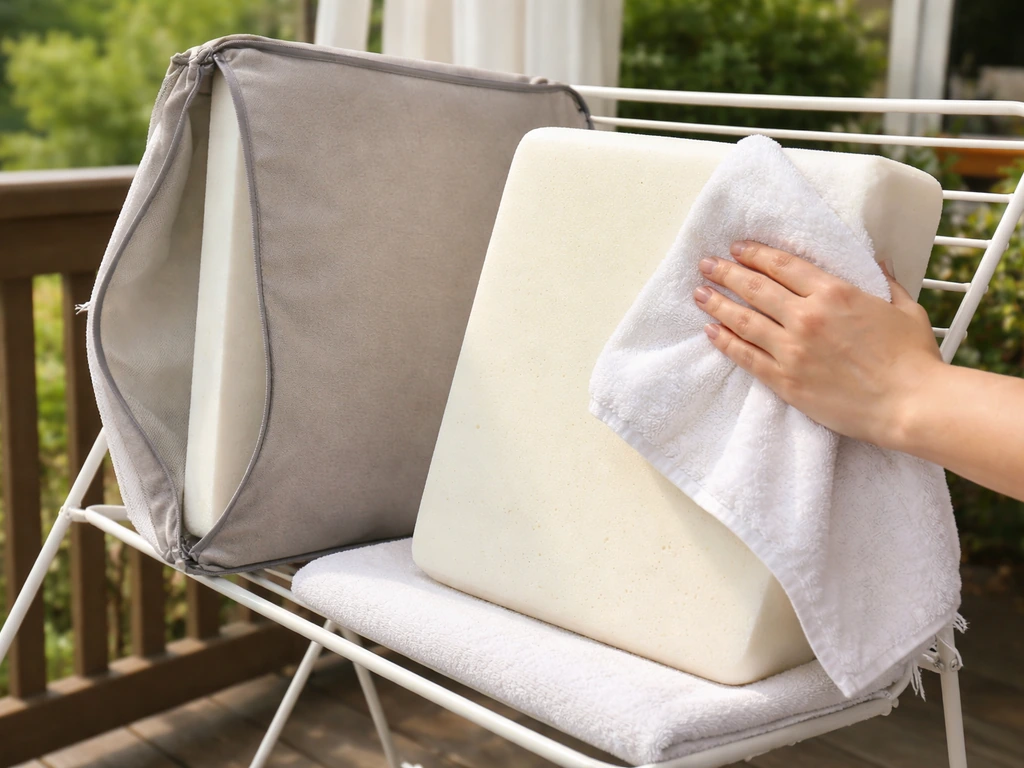
Here's where I see people go wrong most often: they let the cushion sit in the sun for a few hours, assume it's dry because the top feels dry, and put it back in the furniture. The foam inside is still holding moisture, and within a week there's a mildew smell. Don't skip the actual drying process.
- Unzip the cover and remove the foam insert if the cushion got significantly wet. This is especially important for standard foam. You cannot dry a foam insert properly with the cover on.
- Stand the foam insert on its edge in a sunny, breezy spot. Flip it every few hours so both sides get airflow. Don't lay it flat on a solid surface where the bottom stays against concrete or wood.
- Blot the fabric cover with a clean dry towel to pull out as much moisture as possible before hanging it to air dry.
- For mildew spots on fabric, mix one cup of bleach with one quarter cup of mild dish soap per gallon of cool water. Apply to the affected area, let sit for 15 minutes, then rinse thoroughly. This works on Sunbrella and most outdoor fabrics. Always test a small hidden area first.
- Once the cover is dry, check if the water-repellent finish is still working by sprinkling a few drops of water on it. If the water soaks in rather than beading, apply a fabric protector spray before putting the cushion back in service.
- Don't reassemble the cushion (cover back on foam) until both pieces are completely dry, which may take a full day or longer depending on your climate.
If the foam smells musty even after drying, has visible dark spots inside, or has lost its shape and firmness, it's time to replace it rather than try to salvage it. Replacing the foam insert is a straightforward DIY job and costs much less than buying a new cushion. Reticulated outdoor foam is available cut-to-size from several suppliers and is the smart upgrade to make while you're already inside the cushion.
How to store cushions so this stops being a problem
Good storage habits are the single biggest thing you can do to extend cushion life. Here's what works and what to avoid.
- Bring cushions indoors during any rain you know is coming. Even a garage, shed, or covered porch is far better than leaving them exposed.
- For seasonal storage (end of summer or before winter), clean cushions thoroughly before storing them. Storing dirty cushions is how you end up with mildew by spring, because any dirt or organic material feeds mold during storage.
- Make sure cushions are completely dry before putting them in storage bags or bins. Even slight dampness sealed into a storage bag will grow mold in a few weeks.
- Use breathable storage bags rather than sealed plastic. Many cushion storage bags are made of fabric or have vented panels specifically to prevent condensation buildup.
- Do not store cushions outdoors under a tarp all winter. Condensation builds up under the cover and the result is often worse than if you'd just left them uncovered. Indoor storage is the only reliable option for winter.
- Stack cushions flat in storage rather than standing them on edge, which can compress and warp the foam over months.
- Check on stored cushions once during the off-season if possible to catch any moisture issue before it becomes a major mold problem.
If you're dealing with cushions that are already showing wear, mildew staining, or waterlogging issues, it's worth looking into waterproofing treatments for your fabric, swapping out the foam for a reticulated outdoor-grade insert, or thinking through what to do with cushions when bad weather rolls in so you have a plan before the next storm shows up. Using the right waterproofing steps can help keep patio cushions from soaking up water, so you can reduce mildew and extend their lifespan waterproof patio cushions. A little routine maintenance goes a long way toward getting five or more years out of a set of cushions rather than replacing them every two.
FAQ
If I cover patio cushions with a tarp or furniture cover, will that prevent rain damage?
Yes, but only if it allows air exchange. A cover that seals tightly can trap moisture and behave like a “humidity box,” increasing mildew risk even when it is not actively raining. If you must use a cover, choose breathable fabric and use it to shed water, not to create an airtight seal, then dry the cushions fully when you can.
How can I tell whether the cushions are actually dry after a rainstorm?
Look for signs the foam is still wet: a musty odor after a sunny day, persistent cool dampness to the touch, or dark mildew specks that appear a day or two later. Because the surface can dry while the core stays saturated, a quick 30 to 60 minute dry-out is often not enough after heavy rain.
What is the safest way to dry patio cushions after they get caught in the rain?
Don’t use a hair dryer or high-heat heat guns on the cushion fabric or foam. Use air drying in a well-ventilated area, and if you need to speed things up, use a fan and keep the cushions off the ground to improve airflow. Excessive direct heat can warp foam or damage protective finishes on outdoor fabrics.
What should I do in a rainy or humid climate if rain days keep repeating?
In humid climates or during back-to-back storms, bring cushions in at night or whenever a new wet period is expected. The key is giving the foam enough uninterrupted time to dry, if the forecast calls for more rain within 24 hours, “brief exposure” becomes a pattern.
Are solution-dyed outdoor fabrics like Sunbrella immune to mildew if they get wet?
Solution-dyed acrylic like Sunbrella typically handles rain better, but the difference is not “mold-proof.” If the cushion is dirty when it gets wet, mold can still develop on the soil layer. Rinse off pollen, dust, and grime when possible before letting it dry.
What counts as “standing water” with patio cushions, and how do I prevent it?
Standing water is different from normal rainfall, even for outdoor-grade materials. If you see puddling or the cushion is flat on a surface that holds water, tilt or stand it so water can run off, then dry fully. Puddles increase foam saturation and slow drying dramatically.
Can I save a cushion that already smells musty, or should I replace the foam?
Yes, but choose the right approach. For reticulated outdoor foam, you can often let it drain and air-dry more effectively, but for trapped-mold situations you may need thorough cleaning of the cover and sanitizing steps for the foam insert. If there is a persistent odor after drying, replacement is usually more reliable than repeated spot treatments.
Do I need to wash or reapply a waterproofing treatment after getting caught in the rain?
For normal rainfall, periodic washing is about removing contaminants that feed mildew, not about “re-waterproofing” by default. If your fabric has a water-repellent coating, reapply protector after deep cleaning and after you notice it is no longer shedding water, so rain beads return rather than soaking in.
If I’m replacing foam inserts, which foam type should I choose for outdoor rain exposure?
Yes. For example, polyurethane foam inserts meant for indoor use are the most likely to hold water and develop odor. If you are replacing foam, reticulated open-cell outdoor foam is the upgrade that changes the drying timeline, making normal rain exposure far less risky.
What’s the correct way to store cushions during winter or long periods when they are not used?
If cushions are not fully dried, they can be placed in storage only once you have removed moisture. For winter storage in freezing climates, store indoors and keep them dry, because freeze-thaw can permanently deform foam. Also avoid storing under non-breathable covers that trap condensation.