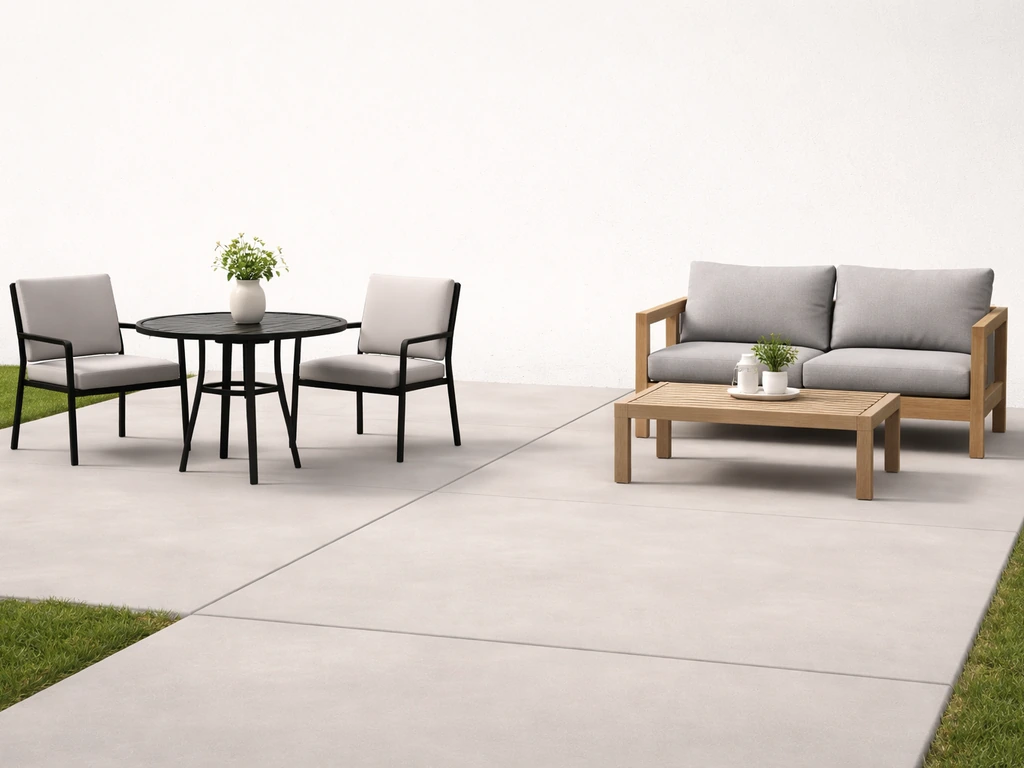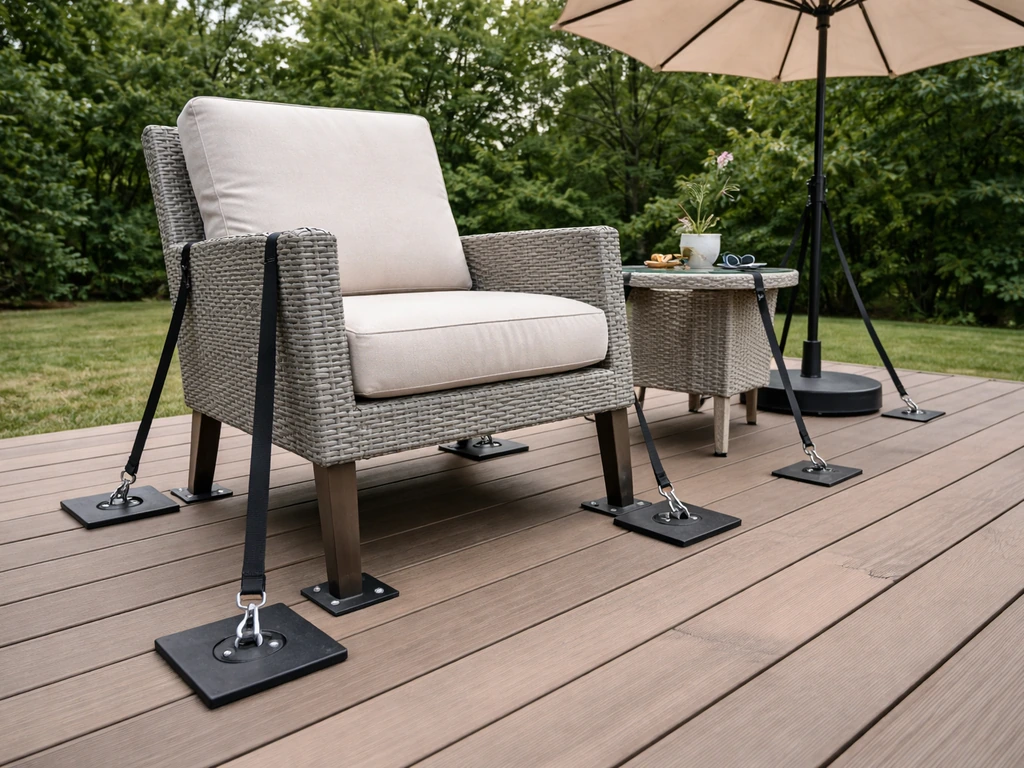
You can absolutely mix patio furniture from different sets, materials, and eras and have it look completely intentional. The trick is not matching everything, but rather controlling three things: a shared color story, a consistent tonal family across finishes, and proportions that make sense together. Do those three things and nobody will ever guess your chairs came from a garage sale and your table was your neighbor's castoff.
How to Mix Patio Furniture: Style, Layout, and DIY Tips
Maren Grady
29 Jun 2026
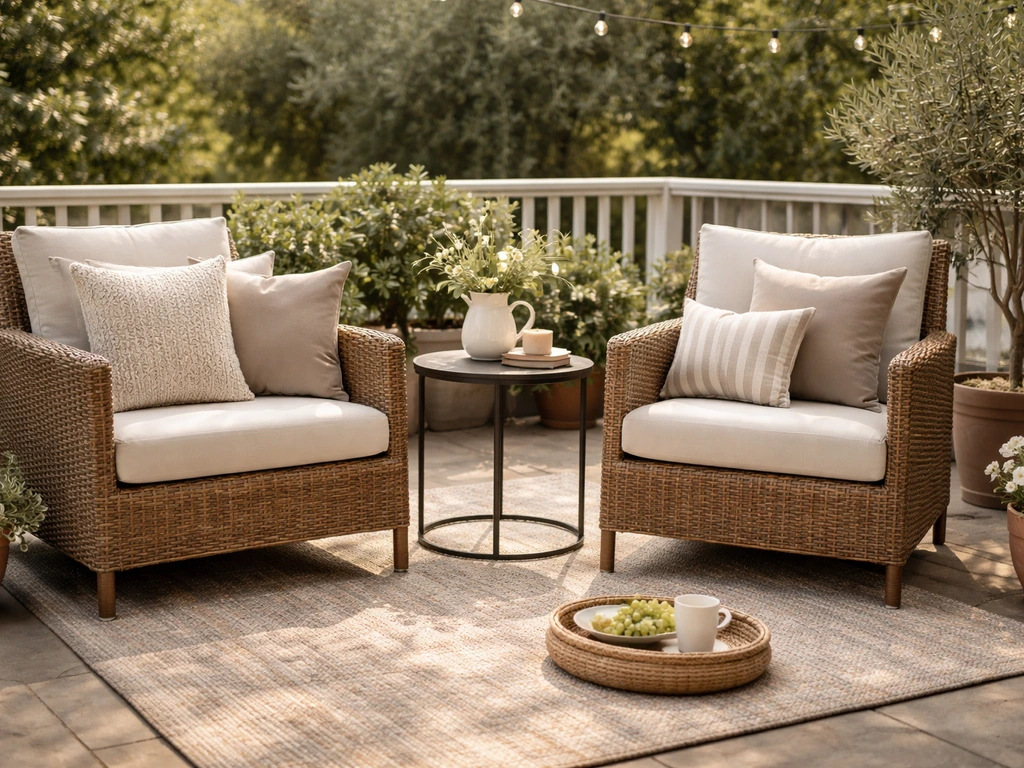
Start with a plan: measure, inventory, and pick a direction
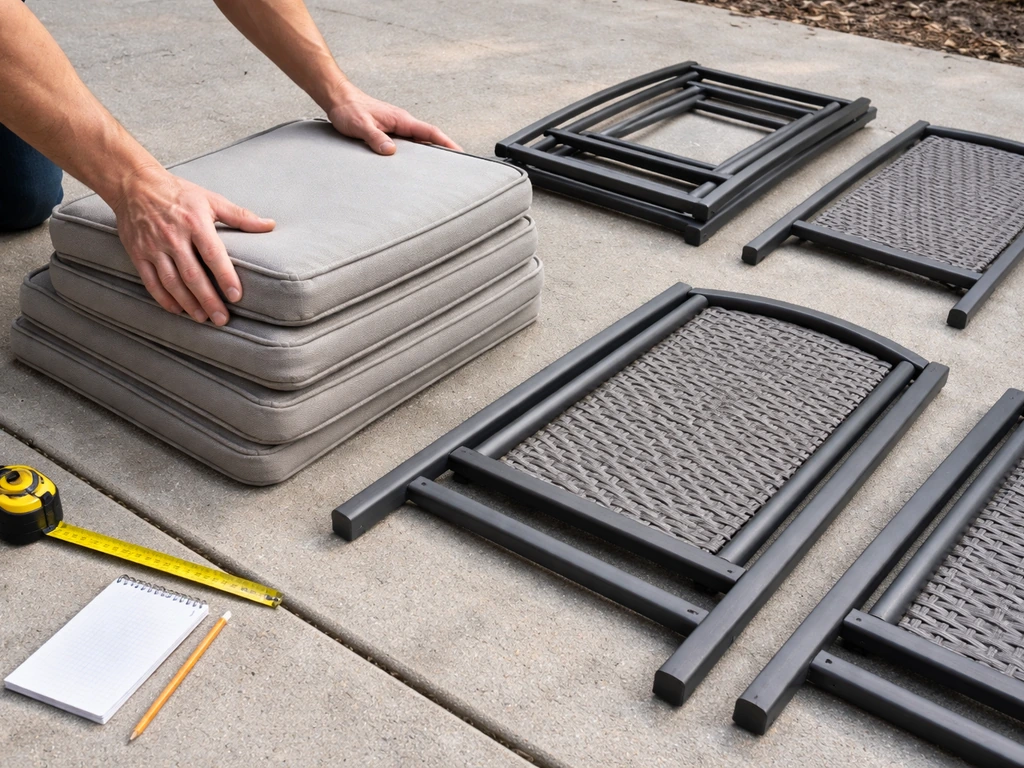
Before you drag anything outside or spend a dollar, do a quick inventory. Pull every piece you own onto the lawn or driveway and actually look at them together. Take note of the material (teak, powder-coated aluminum, synthetic wicker, resin, etc.), the finish tone (warm brown, cool gray, black, white, natural), and the condition. This is also the moment to measure. You need at least these numbers: seat height, seat depth, and table height. A standard outdoor dining chair seat sits around 17 to 19 inches high, and most outdoor dining tables run 28 to 30 inches from floor to tabletop. The clearance between seat and tabletop should be about 10 to 12 inches so people can actually sit comfortably. If you are mixing chairs from two different sets at one table, this is the measurement that will make or break it.
Once you have your inventory and measurements, choose a style direction. Once you have your measurements and inventory, follow a clear approach for how to style patio furniture so every piece feels intentional together. You do not need a theme, you need a lane. Coastal relaxed, warm farmhouse, modern industrial, earthy organic: pick one and use it as your filter. Every time you consider adding a new piece or swapping something out, ask whether it fits the lane. This one habit prevents the chaotic thrift-store-explosion look that most people are trying to avoid.
Also sketch your patio footprint, even if it is just a rough drawing on paper. Mark doors, paths, and fixed features like outlets or posts. Knowing your actual square footage keeps you from buying or moving pieces that will block circulation later. This is especially important on small patios, where furniture depth is the silent enemy of good flow. If you want your furniture to look finished, also focus on the decorating details like lighting, textiles, and small planters that complement your chosen style decorate patio furniture.
How to mix materials and finishes without it looking random
Mixing materials outdoors works best when the finishes share the same tonal family. That means warm finishes (honey teak, bronze powder coat, natural rattan, warm white) live together, and cool finishes (gray aluminum, charcoal metal, bleached wicker, crisp white) stay in their own lane. The problem most people run into is not that they mixed wood with metal, it is that they mixed a warm brown wood table with cool gray chairs and a white umbrella with blue-toned white legs. Everything clashes because the undertones are fighting each other.
Here is a practical pairing guide that works reliably in real outdoor spaces:
| Material | Pairs Well With | Watch Out For |
|---|---|---|
| Teak / warm wood | Bronze or black powder-coated metal, natural rattan, warm-toned cushions | Cool gray frames, blue-white plastics |
| Powder-coated aluminum (black or charcoal) | Woven rope seating, cool-toned stone surfaces, crisp white or gray cushions | Honey-toned woods, warm orange-brown rattan |
| Synthetic wicker (brown or gray) | Contrasting cushion fabric, metal accent tables, either wood or metal frames in the same tone family | Mixing warm-brown wicker with cool-gray metal frames |
| Natural rattan | Linen-toned cushions, warm white or cream, light teak, aged wood | Heavy dark metals, very bright modern colors |
| Resin / HDPE plastic | Powder-coated aluminum, outdoor cushion fabric in any color, metal hardware | Cheap-looking pairings with already-worn pieces in different plastic tones |
One practical trick: use brown (whether it shows up as wood, rattan, or a warm-toned wicker) as your anchor material. Brown is naturally neutral outdoors and reads as intentional even when everything else is mixed. Pair a powder-coated metal frame (smooth, industrial texture) with woven seating, and balance rustic teak with soft cushions, and those contrasts actually create visual interest rather than chaos.
A word on wicker specifically: the term describes a weaving style, not a material. Outdoor wicker can be natural rattan or fully synthetic. Synthetic wicker is weatherproof and can live outside year-round (minus the cushions). Natural rattan needs more protection. Knowing which you have matters when you are deciding what it can live next to and how much upkeep it needs.
Mix colors, patterns, and textures without it looking messy
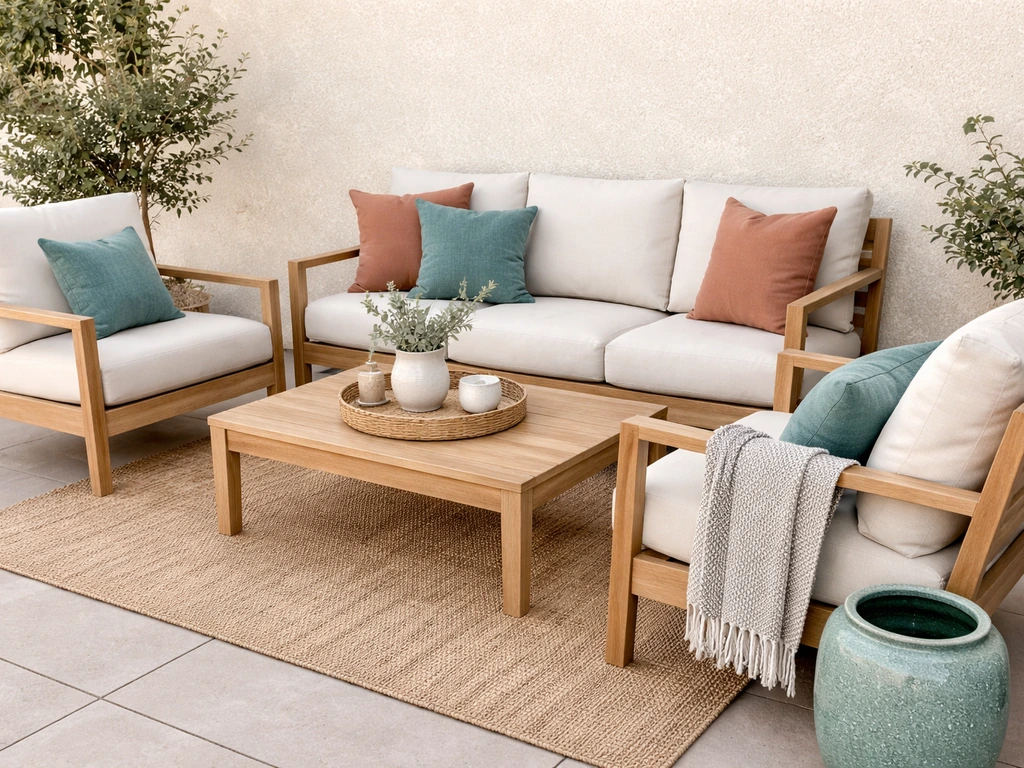
The 60-30-10 rule is your best friend here. Sixty percent of your patio's color comes from the dominant color (usually the furniture frames and the largest surface areas), 30 percent from a secondary color (cushion fabric, rug, umbrella), and 10 percent from accents (throw pillows, planters, small decor). When you feel like your patio looks chaotic, it is almost always because the 30 percent and the 10 percent got flipped, or because you have five competing colors instead of three.
For patterns, three types is the max. More than that and the eye has nowhere to rest. Use contrast in scale rather than contrast in style: if your rug has a large geometric print, your throw pillows should use a smaller-scale pattern or a solid. The combination creates layered interest without competing. If you are mixing a stripe with a floral, keep them in the same color family and different scales and they will work together.
Texture is where mixing actually gets fun. A smooth powder-coated metal chair next to a chunky woven cushion next to a slatted wood table creates visual depth that a matching set simply cannot. The key is contrast in texture with harmony in tone. Mix rough and smooth, matte and slightly shiny, solid and open-weave, but keep them in the same color family and it will feel curated.
One thing that trips people up with neutrals: not all neutrals are the same. Warm neutrals have yellow or red undertones (think cream, sand, warm white). Cool neutrals have blue or green undertones (think gray-white, stone, cool taupe). If your umbrella is a warm cream and your cushions are a cool gray-white, they will look slightly off even though both are technically neutral. Check the undertones of your fabrics and frames before buying anything new.
Rule-of-thumb layouts for seating, dining, and groupings
Start by placing your largest seating footprint first, whether that is a sofa, loveseat, or the dining table. Everything else, the coffee table, fire pit, side tables, rug, and walking paths, gets planned around that anchor. This sounds obvious but most layout problems happen because people start placing accent pieces and then realize the main seating is awkward or blocks a door.
Dining areas
For a dining setup, the biggest layout mistake is a rug that is too small. Size your outdoor rug so it extends at least 24 inches around the table on all sides. That way chair legs stay on the rug even when someone pulls the chair back to sit down. A rug that is too small makes chairs tip off the edge and looks visually cramped. When mixing chairs from two sets, double-check seat height and seat depth. If you want the same kind of consistency for your full setup, follow a practical guide on how to patio furniture When mixing chairs from two sets. Seat depth should be around 16 to 18 inches from front edge to backrest for comfortable dining. A very thick replacement cushion on a frame designed for a thinner pad can raise someone's effective sitting height and make the whole table feel wrong, so match cushion thickness to the original frame design.
Seating and lounge groupings
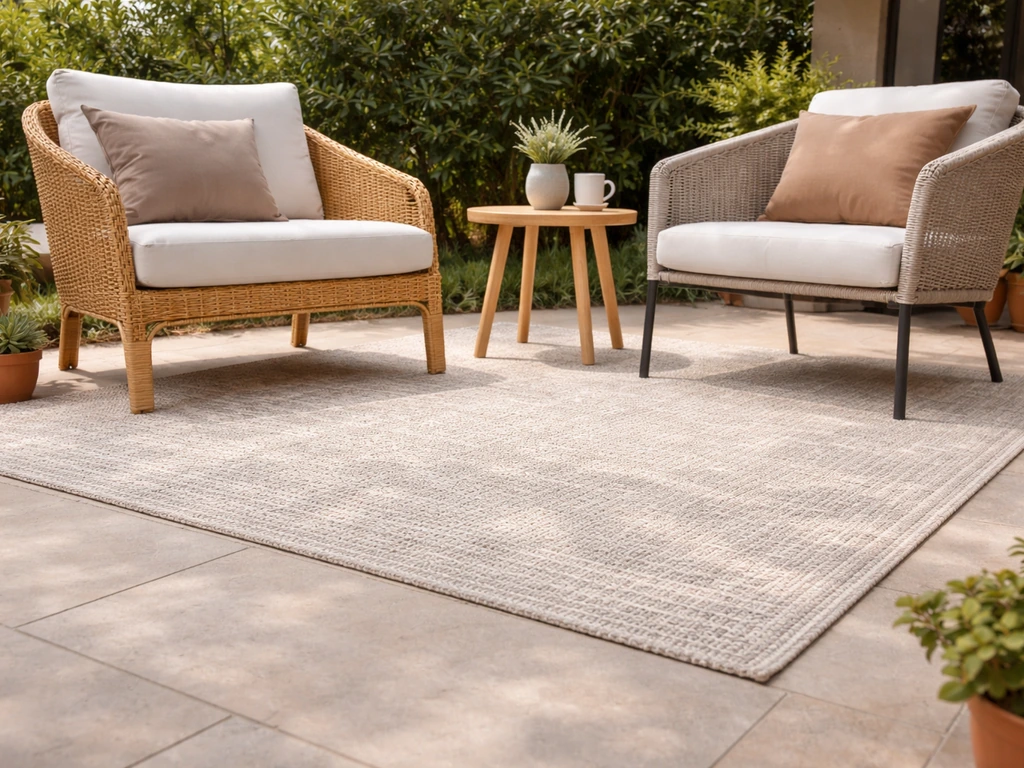
For lounge seating, the "front legs on the rug" principle anchors the area and signals that the pieces belong together even if they came from different places. Place the rug first, then arrange seating so the front legs of every chair and sofa land on it. This one move makes a mixed grouping look like a deliberate room, not a random collection of chairs someone dragged out of a garage. Keep at least 18 inches between the sofa and coffee table for legroom, and leave a clear circulation path of at least 30 to 36 inches around the grouping.
On small patios, go with lighter and more open pieces: natural rattan, woven-rope frames, and open-leg designs visually recede rather than bulk up the space. Heavy dark wood furniture shrinks a small patio fast. This is also where a tight color palette earns its keep. Three colors max on a small patio. The space just cannot absorb more.
Balance new vs old: making a mismatched set look intentional
This is the heart of the whole project for most people. You have an old teak table, two chairs from one set, one chair from another, and maybe a new loveseat you just bought. Here is how to tie them together without spending a fortune.
Cushions are the fastest unifier. Pick one cushion fabric and use it across every seating piece. Even if the chairs are completely different styles and materials, the same cushion fabric on all of them signals they belong together. When you are replacing or making new cushion covers, use an outdoor fabric like Sunbrella (or a comparable solution-dyed acrylic) so the color holds up in UV. If you are sewing your own, a zipper closure on the cover makes the whole thing way easier to remove and wash. The foam inside should be outdoor-rated so it drains rather than holds moisture.
Paint and stain are your second biggest tool. If you have two metal chairs in different colors, a coat of the same spray paint in the same finish unifies them immediately. For powder-coated metal, lightly scuff the surface with fine sandpaper (you do not need to strip it fully if the existing coat is intact), wipe it clean, prime with a metal primer, then apply your topcoat. Powder-coated aluminum generally benefits from gentle, regular cleaning and avoiding aggressive cleaners, since harsher products can damage the powder coat finish blank" rel="noopener noreferrer">For powder-coated metal, lightly scuff the surface with fine sandpaper. For wood, clean thoroughly, sand lightly, and apply stain in the direction of the grain. Teak can be oiled annually to keep its warm golden color, or left alone to go silver-gray over time. If you are mixing a golden teak table with chairs you want to match it, a teak oil on the chairs once a year keeps them in the same tonal neighborhood.
Hardware replacement is underrated. Swapping out rusted or mismatched bolts, arm caps, or leg caps for a consistent finish (all matte black, all brushed bronze) takes maybe 30 minutes and makes a set look deliberate. Pick up a bag of matching hardware at a home improvement store and just go piece by piece.
One thing I have seen go wrong: cushion thickness mismatch. A very thick cushion on a frame designed for a thinner one can raise the seating height and look visually inflated and awkward. Before you buy replacement cushions, measure the seat well depth on your frames and match the cushion thickness to it. A 4-inch cushion on a frame meant for a 2-inch pad looks like a mistake even if the fabric is beautiful.
Seasonal setup and protection: keeping the mix cohesive long-term
A mixed patio set is only as good as how well it holds together after a winter or a rough storm season. The pieces came from different places and were made with different materials, so they will age differently if you do not take a little care with them.
Covers and storage
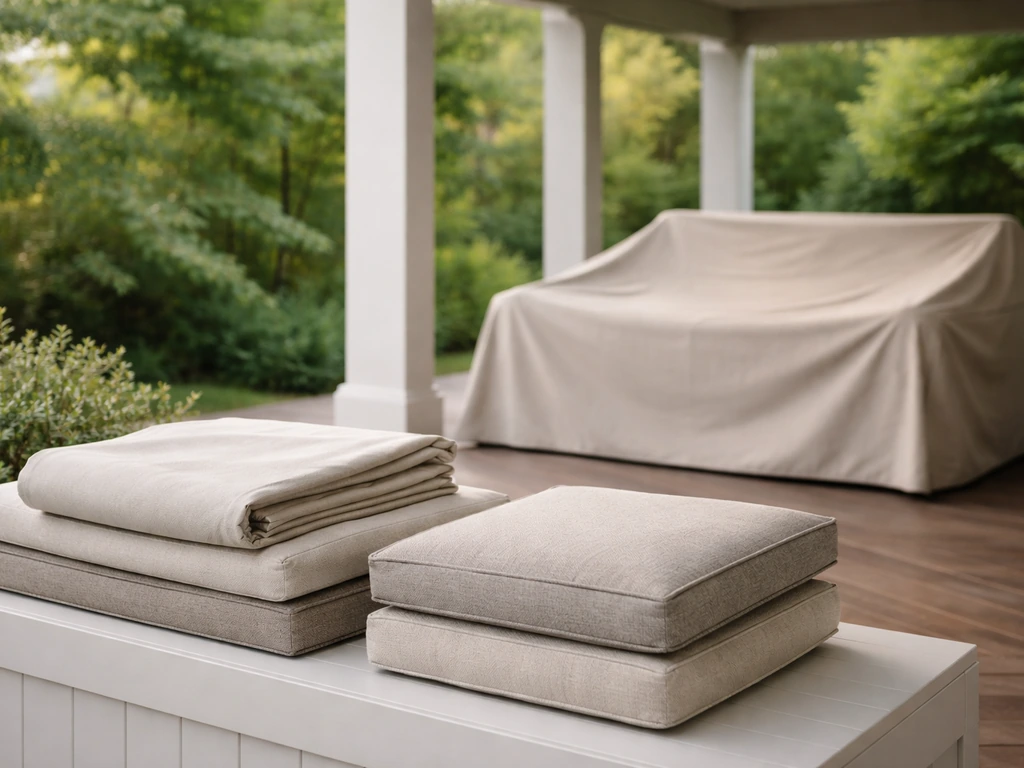
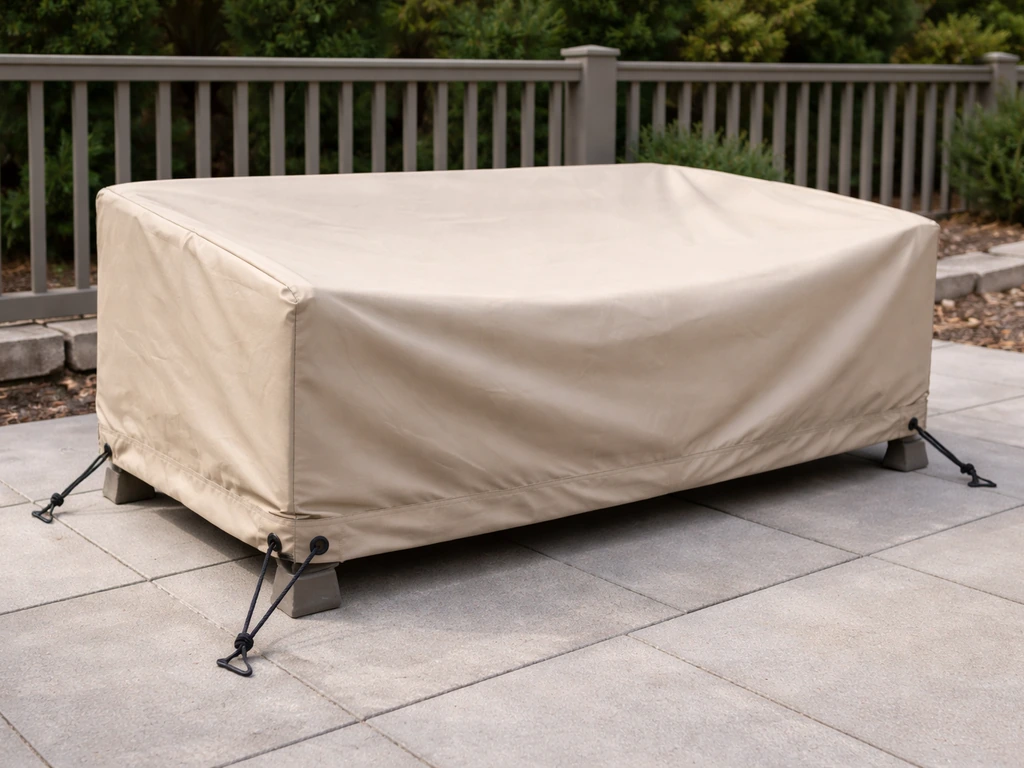
Use furniture covers when pieces are not in use, but not during sunny weather. Covers left on in heat and sun can trap moisture and heat and actually warp or damage furniture. Use them overnight, during rain, or during off-season storage. When you put furniture away for the season, make sure everything is completely dry first. Storing damp cushions leads to mold and mildew that is genuinely hard to reverse. Before covering or storing, bring soft furnishings like cushions and throws inside before storms. Rain soaks through quickly and wet foam cushions are a mildew incubator.
Material-specific care to keep the mix looking consistent
- Powder-coated aluminum: clean with mild soap and water regularly. Avoid abrasive cleaners that can damage the coating. Touch up chips with matching spray paint before they rust.
- Teak and hardwoods: reapply teak oil annually if you want to maintain a warm golden tone. If you prefer the natural silver-gray patina, just clean it. Recoat any stained surfaces every 1 to 2 years on horizontal surfaces (like tabletops) and every 2 to 3 years on vertical surfaces.
- Synthetic wicker: hose it off on medium pressure. Never use a high-pressure washer because it can damage the fibers. Synthetic wicker can live outside year-round; the cushions cannot.
- Outdoor cushion fabric: spot clean mildew with a diluted bleach and soap solution (solution-dyed fabrics like Sunbrella can handle bleach; check your care label first). Dry fully in a warm ventilated spot before storing to prevent repeat mildew.
- Outdoor rugs: lift and dry them periodically so moisture does not sit underneath and damage your patio surface or the rug backing.
Keeping the look cohesive season to season
Every spring when you set things back up, do a quick check: are the cushion colors still consistent? Has any frame faded or chipped? Are the materials still in the same tonal family or has one piece drifted toward a different look? A mixed set requires a little more intentional curation each season than a matched set does. Spend 20 minutes on setup day doing this review and the patio will look pulled-together all season. Touch up paint before it peels, re-oil wood before it goes gray if you are not going for the gray look, and replace any cushion covers that have faded unevenly. Small interventions done early are always cheaper and faster than big fixes done late.
If you want to go deeper on any one part of this process, how you place and arrange the pieces for traffic flow, how to decorate and accessorize once the layout is set, or how to repair and connect modular pieces that have seen better days, each of those areas has its own set of details worth knowing. When you place patio furniture, aim for comfortable clearances so people can move easily around the seating area and still reach side tables without bumping into chairs place and arrange the pieces for traffic flow. The mixing decisions you make here will shape all of those downstream choices, so starting with this foundation is the right call.
FAQ
Can I mix patio furniture if the colors are all “neutral,” but from different places?
Yes, but do it with controls. Choose one tone direction first (warm versus cool neutrals), then limit the second colors to upholstery and one accent category (like planters or a single throw). If your frames and cushions are both “neutral” but in different undertones (cream versus cool gray-white), the set will read mismatched even when the colors are technically the same family.
What measurements should I re-check when I mix chairs from two different sets at the same dining table?
Check them like a system, not individually. The chair seat height, table height, and the clearance between tabletop and seat determine comfort more than style. If you are swapping in chairs with deeper cushions or thicker pads than the original, re-measure after you place cushions, because effective seating height changes.
How do I know if my outdoor rug size is right when mixing seating styles?
For most outdoor rugs, that rule still applies, plus factor in drainage. Leave enough border so water can run off and avoid trapping it under furniture legs. If your patio has frequent puddling, pick a rug with a quick-dry backing and don’t tuck the rug so tightly under chairs that runoff has nowhere to go.
If the furniture styles clash, what is the fastest way to make it look intentional?
Start with what you have, then unify the rest. The most reliable fix is to repeat one “bridge” element across pieces that are otherwise different, usually cushion fabric (same color family and pattern scale) or hardware finish (matching bolts and caps). Changing only one category, like paint, often works on metals, but cushions usually tie together wood, wicker, and metal more effectively.
Is it okay to mix wood and metal outdoors, or will it always look mismatched?
You can mix wood and metal, but protect the undertone balance. Choose either warm-brown wood tones plus bronze or brass accents, or cool woods plus charcoal or gray metals. If you are unsure, use the “anchor” material approach (brown works as the anchor) and then let the metal match the anchor undertone rather than the specific piece.
How should I handle mixing synthetic wicker and natural rattan on the same patio?
Watch for the wicker category mismatch. Synthetic wicker can stay out year-round with minimal fuss, while natural rattan typically needs seasonal protection and more frequent drying after rain. If you mix them, treat the rattan carefully (covers off in rain, drying time, and storage off-season) so it doesn’t age into a noticeably different look.
Can I mix patterns like stripes, florals, and geometric prints without it looking busy?
Yes, but maintain harmony in scale and tone, not just color. If your rug has a large geometric print, use either solid cushions or smaller-scale patterns in the same palette. For stripes plus florals, keep them in the same tone family and vary scale, so the eye can separate the designs instead of blending them.
What should I do if some lounge chairs can’t sit fully on the rug after I place it?
Don’t rely on the “front legs on the rug” rule alone in every layout. For lounge groupings that include a sectional or chairs of different sizes, confirm that at least most primary seating feet land on the rug while maintaining circulation paths (typically 30 to 36 inches around the grouping). If some pieces inevitably sit off the rug, compensate by extending the rug slightly or adding an additional coordinating accent textile within the rug area.
What mistakes most often make a mixed patio set look worse over time?
A few common ones: buying mismatched cushion thicknesses, using too many colors at once (especially on small patios), and ignoring undertones of “neutral” fabrics and frames. Also check circulation, because cramped spacing can make a good color mix look wrong even when everything visually matches.
How should I refresh a mixed patio setup each spring so it doesn’t drift into chaos?
To keep the set cohesive after winter, do a seasonal “tone audit.” Look for which pieces drifted toward a different undertone (faded fabric can become warmer or cooler), then correct with targeted touch-ups: re-oil wood if you want to stay in the warm neighborhood, repaint metal only if the finish has chipped, and replace cushion covers that faded unevenly.
Should I cover patio furniture year-round when I mix pieces?
Avoid leaving covers on during sunny, warm weather because trapped heat and moisture can damage finishes and encourage mildew. Use covers overnight during rain, during storms, or for true off-season storage. Before covering or storing, make sure cushions and throws are fully dry, not just “dry to the touch.”
When I mix different chair sizes, how do I plan for traffic flow and access to side tables?
Plan “access angles,” not just clearances. Make sure people can reach side tables, doors, and built-in features without squeezing past chair arms, and keep side access wide enough that chairs do not collide with table edges. This is especially important when mixed chairs have different arm widths or back heights.